 EN
EN


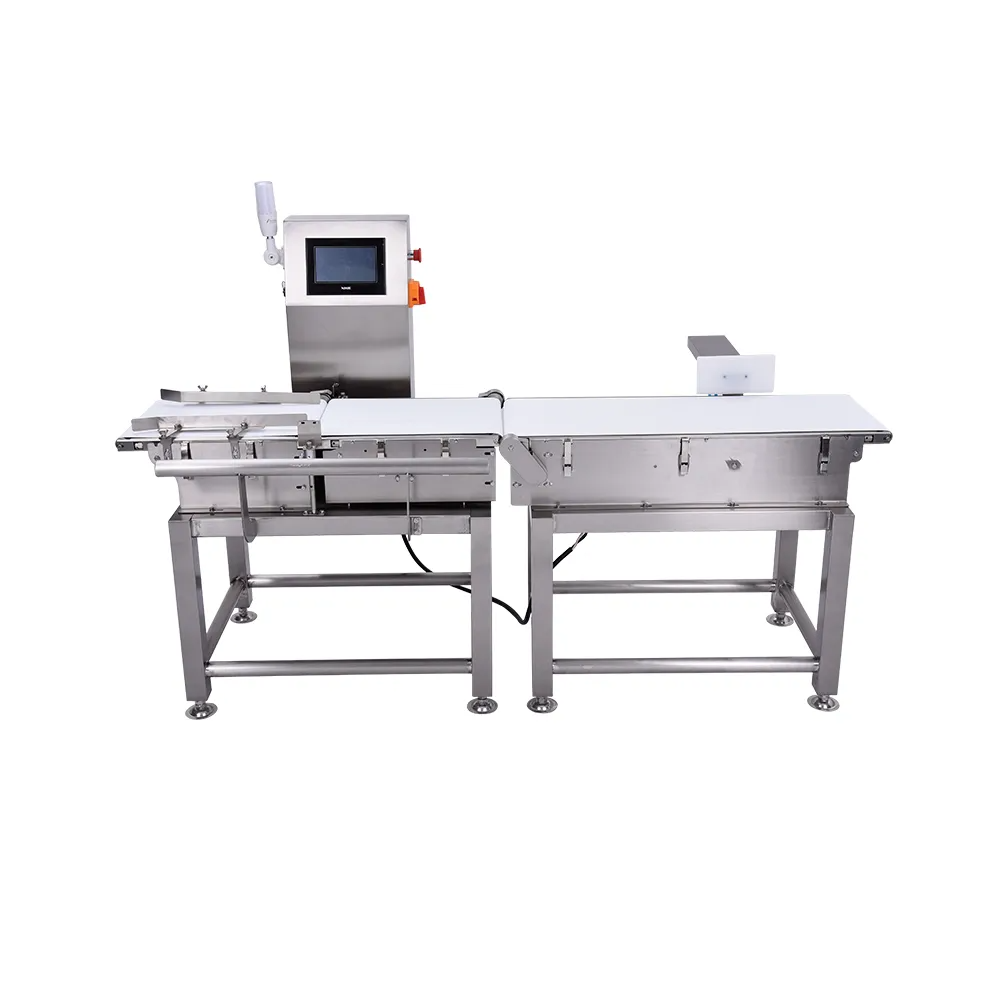
Handling lightweight soft packaging materials presents unique challenges in automated production environments. A weight sorter system must accommodate materials that compress, shift, and move unpredictably during transit. Unlike rigid containers, soft packaging demands specialized sensors, gentle handling mechanisms, and advanced algorithms to ensure accurate product categorization without damage. Understanding these challenges and the technological solutions available is critical for manufacturers seeking to optimize throughput while maintaining product integrity.
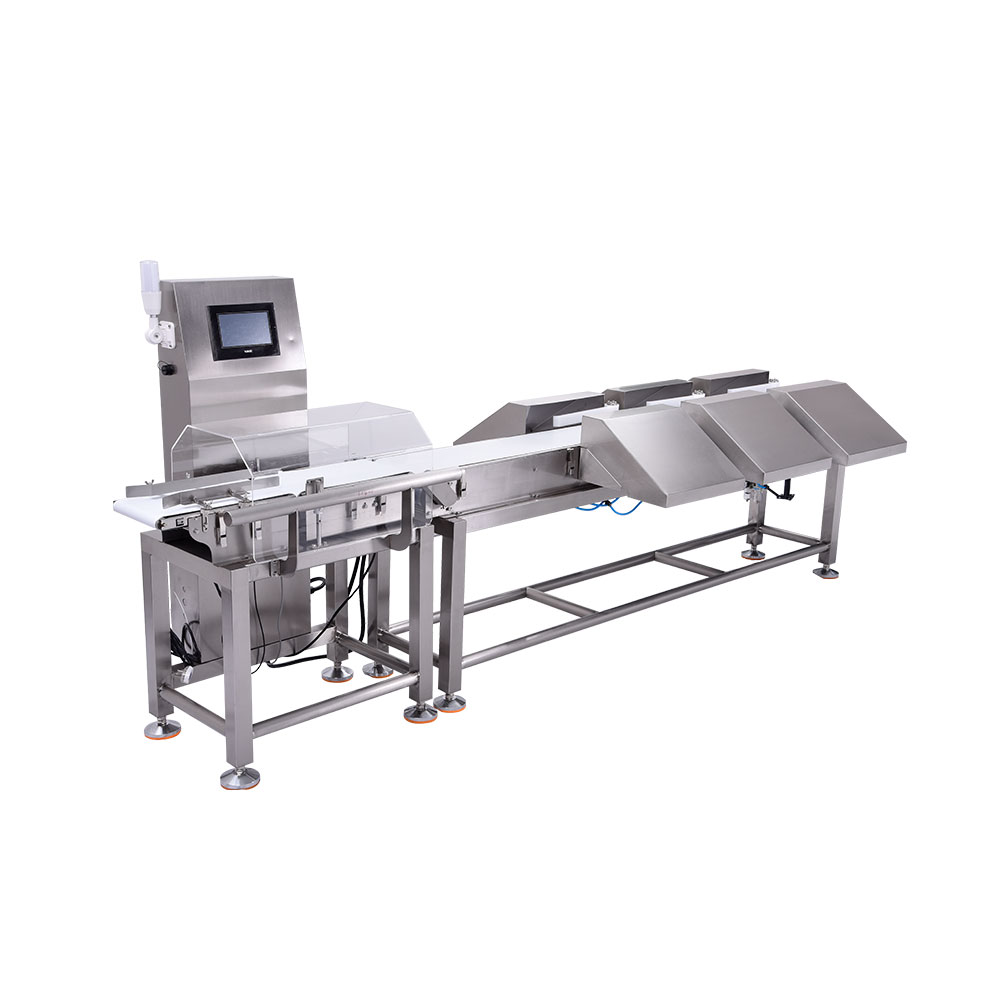
The integration of dynamic weighing technology into modern sorting systems has transformed how manufacturers process soft packaging at scale. Dynamic weighing captures product weight during motion, compensating for the inherent movement and deformation of soft materials. A checkweigher equipped with advanced signal processing can distinguish between temporary compression and actual weight variation, enabling precise sorting decisions even when materials behave unpredictably. This capability is particularly valuable in high-speed production lines where traditional static weighing would introduce bottlenecks or sorting errors.
Dynamic Weighing Technology for Soft Materials
How Dynamic Weighing Adapts to Soft Packaging
Dynamic weighing operates by continuously sampling the load cell signal as soft packaging moves through the measurement zone. The sorting system filters out vibration noise and transient deflection caused by material compression, isolating the true product weight. This methodology allows a weight sorter to maintain accuracy across a wide range of material types, from films and pouches to flexible containers. The checkweigher's real-time processing ensures that each product receives a definitive weight reading within milliseconds, enabling immediate sorting decisions without production delays.
Soft packaging materials often deform under their own weight or belt tension, creating misleading signals in static measurement scenarios. A sophisticated weight sorter compensates by applying statistical analysis to the dynamic signal stream, identifying when the package has fully settled in the measurement zone. This approach reduces false rejects and under-weights that plague simpler systems. The sorting system architecture incorporates predictive algorithms that anticipate material behavior based on historical product profiles, further improving accuracy and throughput.
Sensor Configuration for Sensitive Materials
Sensor selection directly impacts a weight sorter's ability to handle delicate soft packaging without introducing handling damage. Load cells designed for dynamic weighing feature higher sensitivity and faster response times than static weighing sensors. The checkweigher positioning within the conveyor system also matters significantly. Most modern sorting system designs place the measurement zone at a location where belt speed is optimized, reducing the risk of material slipping or settling unpredictably. Proper sensor calibration for soft packaging ensures that minor weight variations are captured while environmental noise is effectively filtered.
Integration Challenges and Practical Solutions
Conveyor Design and Material Contact
Conveyor belt contact surfaces require specific engineering when handling soft packaging on a weight sorter system. Materials must flow smoothly across the measurement zone without catching, bunching, or compressing abnormally. A well-designed checkweigher zone incorporates minimal friction surfaces and optimized belt tension to ensure predictable material movement. The sorting system's conveyor speed must balance throughput demands against the time needed for dynamic weighing measurement. Slow belt speeds increase accuracy but reduce production capacity, while high speeds risk measurement instability on soft materials.
Material accumulation before the measurement zone can degrade the performance of any weight sorter or dynamic weighing system. Soft packaging tends to nest together, creating irregular feed patterns that confuse the sorting system. Upstream singulation devices or buffer zones help ensure that each package reaches the checkweigher independently. This design consideration is often overlooked but critically impacts sorting accuracy. Proper material staging allows the weight sorter to deliver consistent, reliable measurements across an entire production shift.
Reject and Diversion Mechanisms
Once a weight sorter identifies an out-of-specification product, the sorting system must divert it without causing material damage or jam conditions. Soft packaging requires gentler diversion forces than rigid containers, necessitating slower air jets, lower conveyor speeds, or specialized mechanical arms. A checkweigher integrated with a pneumatic diverter must coordinate the reject signal with the diversion timing, accounting for material position and conveyor lag. Poorly designed rejection mechanisms can damage soft packaging or create downstream processing problems, reducing the overall benefit of accurate dynamic weighing.
Optimization Strategies for Production Lines
Calibration and Maintenance Protocols
A weight sorter system handling soft packaging demands more frequent calibration than lines processing rigid products. Material variability, temperature fluctuations, and belt wear affect the dynamic weighing signal differently depending on packaging properties. Checkweigher systems should incorporate automatic self-check functions that validate measurement accuracy throughout the shift. Regular maintenance of load cells, bearings, and conveyor components directly impacts sorting system reliability. Manufacturers should establish preventive maintenance schedules that inspect sensor connections, belt tension, and material guides at weekly intervals.
Production line operators need training specific to the challenges of handling soft packaging on a weight sorter. Understanding how material properties influence dynamic weighing measurements enables faster troubleshooting when sorting accuracy declines. Checkweigher parameter adjustment should be documented and controlled to maintain consistency across shifts. A sorting system performs optimally when operators understand the relationship between material characteristics, sensor response, and acceptance criteria. Investing in operator education pays dividends through improved uptime and fewer false rejects.
Throughput Optimization Without Sacrificing Accuracy
Many manufacturers struggle to balance the competing demands of speed and accuracy when using a weight sorter for soft packaging. The dynamic weighing measurement window typically spans 50 to 200 milliseconds, depending on belt speed and material type. A checkweigher can maintain high accuracy only if the sorting system allows sufficient time for the algorithm to stabilize the weight signal. Increasing production speed beyond optimal levels introduces scattered errors and unpredictable rejects. Industry experience shows that moderate belt speeds, typically 60 to 100 meters per minute for soft packaging, deliver the best balance of throughput and sorting accuracy.
Advanced weight sorter systems now incorporate machine learning algorithms that adapt to material batches in real time. As the dynamic weighing system processes hundreds or thousands of packages, it refines its measurement interpretation for the specific material properties in the current batch. This adaptive sorting system approach maintains accuracy even as material density, elasticity, or moisture content varies. The checkweigher becomes more intelligent and responsive, delivering superior results compared to static parameter configurations.
FAQ
Can a standard weight sorter handle soft packaging materials effectively?
Standard weight sorter systems designed primarily for rigid products may struggle with soft packaging because they often lack the dynamic weighing algorithms and sensor sensitivity needed to handle material deformation. A checkweigher specifically configured for soft packaging, with advanced signal processing and appropriate sensor calibration, is required to achieve reliable sorting accuracy. Generic sorting system designs typically produce unacceptable false reject rates when applied to soft materials, making specialized configurations essential for production success.
How does dynamic weighing differ from traditional checkweigher measurement?
Traditional checkweigher systems rely on static load cell readings captured when product is stationary on the measurement platform. Dynamic weighing continuously samples the load signal as material moves through the zone, filtering vibration and compression artifacts to isolate true weight. This approach in a modern weight sorter enables accurate measurement of deformable soft packaging that would produce inconsistent results under static conditions. The sorting system's ability to capture and process rapid signal changes makes dynamic weighing far superior for handling soft materials at production speeds.
What maintenance requirements apply to weight sorter systems handling soft packaging?
Weight sorter and checkweigher systems processing soft packaging require more frequent calibration and inspection than lines handling rigid products. Belt tension, load cell sensitivity, and conveyor alignment should be checked weekly to ensure dynamic weighing accuracy. Material guides and measurement zone surfaces must be kept clean to prevent buildup that could distort the sorting system's signal. Regular preventive maintenance, combined with operator training on soft packaging behavior, ensures that a weight sorter maintains reliable performance throughout extended production runs.