 EN
EN


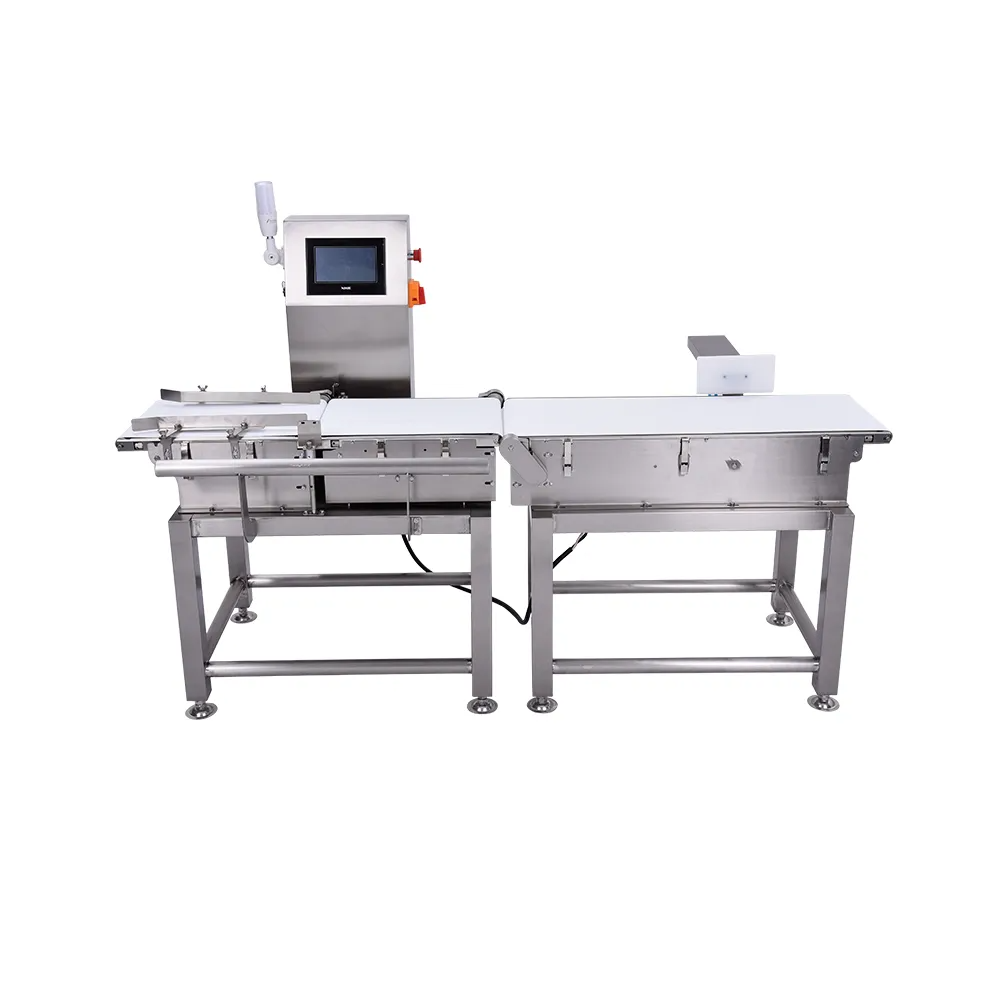
Conveyor belt wear represents one of the most common yet frequently overlooked causes of weight drift in industrial weight sorter systems. When belts degrade over time, they alter the load distribution and contact characteristics between products and the weighing platform, leading to measurement inaccuracies that compromise sorting precision. Understanding the relationship between belt condition and sorting accuracy is essential for maintaining reliable operations in food processing, pharmaceutical manufacturing, logistics, and materials handling facilities.
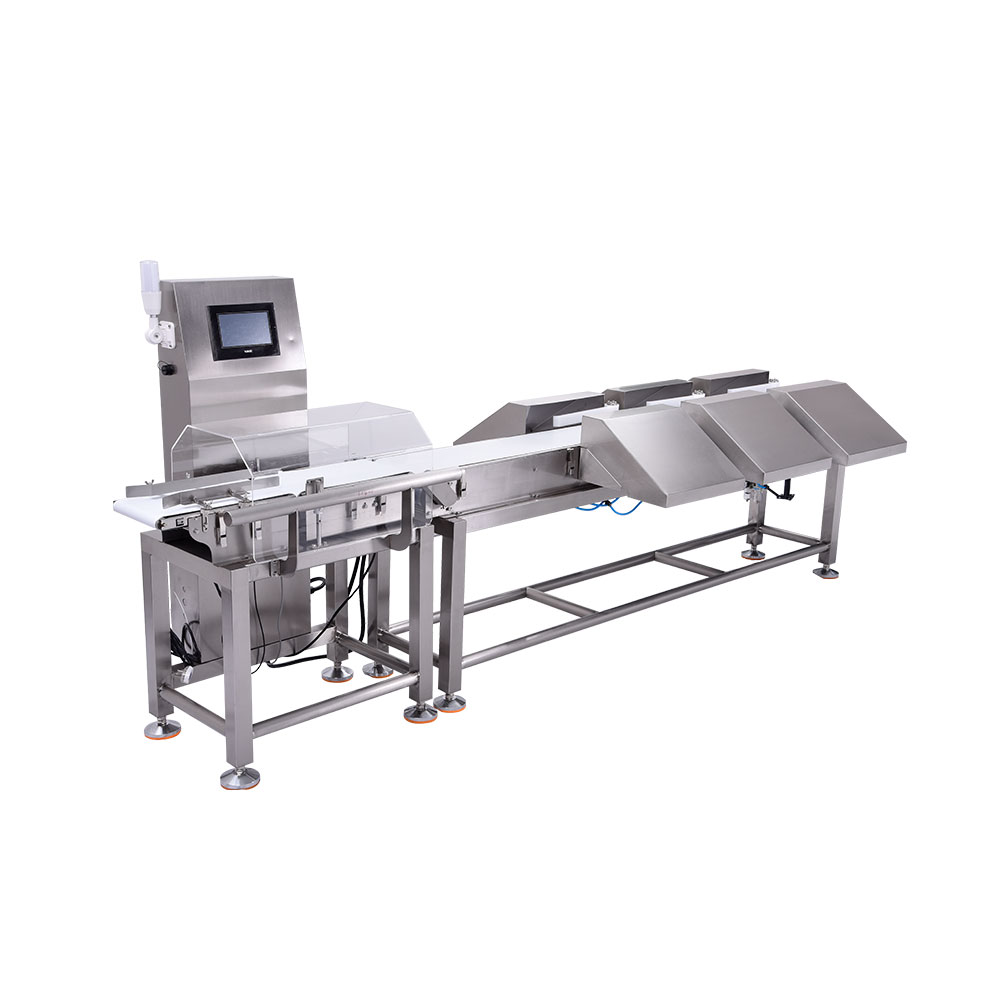
Weight drift—the gradual shift in measurement readings over time—directly undermines the effectiveness of your sorting system. A worn conveyor belt changes surface friction, reduces load stability, and introduces micro-movements that sensors cannot compensate for, even in advanced checkweigher configurations. Early detection and corrective action prevent cascading quality failures, reduce waste, and protect your facility's reputation for consistent product standards.
Identifying Belt Wear as the Root Cause of Weight Drift
Visual Inspection and Surface Assessment
The first troubleshooting step involves visual inspection of the conveyor belt surface. Look for visible cracks, fraying edges, surface glazing, or uneven wear patterns across the belt width. A worn belt often exhibits a shiny, polished appearance in high-contact zones, indicating reduced friction and material degradation. Check the belt tension by measuring deflection at the midpoint—excessive sagging signals weakened material properties that will affect how the dynamic weighing process captures product measurements on your weight sorter.
Measurement Consistency Tests
Run a series of identical calibration weights through your sorting system at different positions across the belt width. If readings vary significantly by position, the belt is not providing uniform support to the weighing platform. A compromised belt allows localized deformation that creates false weight signals. Document these variations to establish a baseline for tracking degradation severity. Compare results over weekly intervals to measure the rate of weight drift progression and determine urgency for maintenance intervention in your dynamic weighing operation.
Troubleshooting Weight Drift Through Systematic Diagnosis
Sensor Calibration and Environmental Factors
Before attributing all weight drift to belt wear, verify that sensors remain properly calibrated and environmental conditions remain stable. Temperature fluctuations, humidity changes, and vibration from adjacent equipment can mask or amplify the effects of belt wear on checkweigher accuracy. Perform a full zero and span calibration using certified reference weights. Check that the weight sorter operates in the specified temperature range and that vibration isolation mounts are secure. These preliminary checks often resolve apparent drift issues, distinguishing true belt-related problems from environmental drift.
Load Cell Response and Signal Isolation
Inspect electrical connections between load cells and signal conditioning electronics. Loose connectors, corroded terminals, or damaged shielding introduce electrical noise that mimics weight drift symptoms. Use an oscilloscope or multimeter to verify clean signal output from load cells during operation. A degraded belt may cause intermittent load cell signals if the belt movement creates repetitive micro-impacts that destabilize weight readings. Systematic signal testing isolates whether the weight sorter's measurement errors originate from mechanical belt degradation or electrical signal integrity issues within the dynamic weighing infrastructure.
Corrective Measures and Preventive Maintenance
Belt Replacement and Tension Optimization
Once belt wear is confirmed as the cause of weight drift, plan a belt replacement during a scheduled maintenance window. Select a replacement belt with specifications matching the original equipment design—material composition, thickness, and surface friction rating all influence sorting accuracy. After installation, tension the belt to manufacturer specifications using a belt tension meter. Improper tension introduces new sources of weight drift, so this step is critical to restoring measurement stability in your weight sorter. Allow the belt to run-in for several hours under light load before resuming full-speed operation.
Preventive Maintenance Scheduling
Establish a preventive maintenance schedule based on throughput volume and product type. High-friction products like grains or coarse materials accelerate belt wear faster than smooth containers or small items. Document belt age, runtime hours, and observed wear patterns to forecast replacement intervals. Implement quarterly visual inspections and monthly measurement verification tests to catch weight drift early before it impacts product quality. Regular lubrication of belt edges and proper cleaning of the belt surface extend service life and help maintain consistent dynamic weighing performance across your entire sorting system operation.
Operational Adjustments During Transition
While preparing for belt replacement, you can reduce weight drift impact through operational adjustments. Reduce conveyor speed slightly to minimize shock loads that amplify measurement errors on worn belts. Tighten acceptance tolerances temporarily to catch products that fall outside specification ranges due to drift-induced false readings. Position checkweigher sensors at the center of the belt where load distribution is most uniform, avoiding edge zones where belt wear causes the greatest measurement instability. These interim measures protect product quality and maintain sorting reliability until the belt replacement is completed.
FAQ
How quickly does belt wear typically cause noticeable weight drift?
Weight drift from belt wear typically becomes noticeable after 12 to 24 months of continuous operation in standard industrial environments. High-speed sorting systems or facilities processing abrasive products may experience visible drift within 6 to 12 months. The rate depends on product characteristics, conveyor speed, belt material quality, and maintenance consistency. Facilities implementing regular monitoring can detect early-stage drift before accuracy falls below acceptable limits, allowing planned maintenance rather than emergency downtime.
Can weight sorter sensors compensate for belt wear automatically?
Modern checkweigher and weight sorter systems include software algorithms that partially compensate for gradual drift by learning measurement trends over time. However, these adaptive features have limits and cannot fully correct measurement errors caused by severe belt degradation or uneven wear patterns. Mechanical factors like load instability or friction changes exceed the compensation range of most dynamic weighing algorithms. Relying solely on software compensation without addressing underlying belt wear will eventually fail to maintain sorting accuracy and product quality standards.
What are the cost implications of delaying belt replacement?
Delaying belt replacement increases operational costs through product waste from sorting errors, reduced throughput as weight drift requires tighter manual adjustments, and potential customer complaints about inconsistent product specifications. Emergency breakdowns during peak production cause unplanned downtime far more expensive than scheduled maintenance. Worn belts place additional stress on drive motors and bearing systems, accelerating failure of supporting equipment beyond just the sorting system. Proactive belt replacement prevents these cascading failures and maintains the total cost of ownership efficiency of your weight sorter investment.