 EN
EN


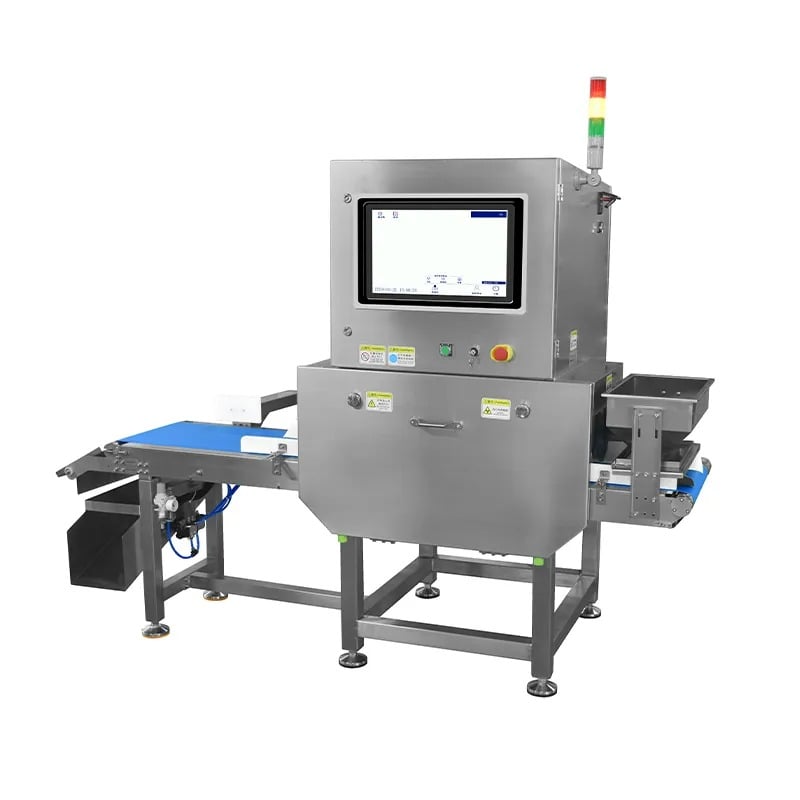
Advanced artificial intelligence has fundamentally transformed how food manufacturers ensure product safety and quality. Modern x ray food inspection systems now leverage machine learning algorithms to detect contaminants, defects, and packaging inconsistencies with unprecedented precision. The integration of AI into these systems represents a significant advancement beyond traditional rule-based detection methods, enabling facilities to maintain stringent safety standards while reducing false positives that halt production unnecessarily.
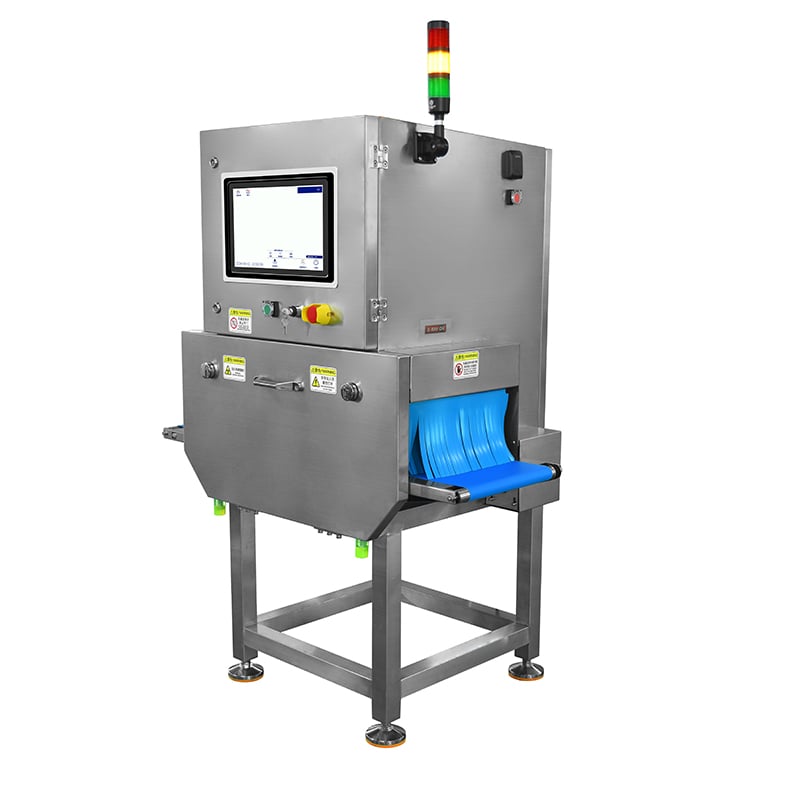
The food industry faces constant pressure to balance production throughput with uncompromising safety compliance. Traditional inspection methods rely on fixed threshold parameters that often struggle with natural product variations. AI-powered x ray machines learn from vast datasets to distinguish between acceptable variation and genuine safety hazards, delivering measurable improvements in both detection accuracy and operational efficiency across packaging scanners and production lines.
Understanding AI Enhancement in Food Safety Inspection
Core Mechanism of AI-Driven Detection
Advanced AI algorithms function as intelligent pattern recognition systems within food x ray machine technology. These systems are trained on thousands of hours of x-ray imagery, learning to identify contaminants such as metal fragments, glass shards, bone particles, and foreign materials with extreme precision. The neural networks behind these algorithms continuously improve as they process more inspection data, adapting to product-specific characteristics and environmental variations that would confuse conventional detection methods.
Machine learning models excel at handling the complexity inherent in food inspection. A single food product may display natural density variations, irregular shapes, or moisture content fluctuations that trigger false alarms in rule-based systems. AI algorithms learn to normalize these variations and focus detection efforts on genuine anomalies. This contextual intelligence reduces waste from false rejections while maintaining absolute commitment to safety inspection protocols required by regulatory agencies.
Real-Time Adaptive Learning
One defining advantage of AI-enhanced x ray food inspection systems is their capacity for real-time learning. As a packaging scanner processes products throughout a production shift, the system encounters new scenarios and edge cases. Rather than remaining static, these algorithms update their understanding continuously, improving sensitivity to emerging contaminant types or unusual product presentations. This adaptive capability means that safety inspection systems become more accurate the longer they operate, rather than degrading or plateauing.
Detection Accuracy Improvements Delivered by AI
Reduction in False Positive Rates
One of the most significant impacts of AI on x ray food inspection systems is the dramatic reduction in false positive detection rates. Traditional food x ray machines often flag perfectly acceptable products due to minor density variations or positioning anomalies, forcing operators to perform manual verification and halt production lines. AI-powered systems distinguish between harmless product characteristics and actual contamination threats, dramatically reducing unnecessary product rejections. This improvement directly enhances both safety inspection effectiveness and operational profitability by minimizing waste and production delays.
Manufacturers using advanced packaging scanner technology report rejection rate reductions between thirty and fifty percent compared to conventional systems. These improvements translate directly to increased throughput, lower waste disposal costs, and improved customer satisfaction through consistent product availability. The accuracy gains come from AI's ability to analyze hundreds of image features simultaneously, considering spatial relationships, density gradients, and contextual product information that rule-based systems cannot process effectively.
Enhanced Detection of Subtle Contaminants
AI algorithms significantly improve detection of small or subtle contaminants that conventional x ray food inspection systems might miss. Machine learning models trained on extensive datasets learn to recognize even tiny fragments of foreign material, distinguishing them from natural product components with remarkable precision. For instance, AI can detect individual glass shards smaller than conventional systems would flag, or identify minute metal contamination that poses genuine safety risks yet falls below standard detection thresholds.
This enhanced sensitivity directly strengthens safety inspection capabilities across the entire production line. Manufacturers gain confidence that their packaging scanner technology operates at peak performance, catching contamination that could otherwise reach consumers. The improvement becomes especially valuable for high-risk products where any foreign material poses potential harm, such as baby food, powdered products, or items consumed without additional processing.
Practical Implementation and Operational Impact
Integration Into Existing Production Environments
Modern x ray food inspection systems featuring AI algorithms integrate seamlessly into established production workflows without requiring complete facility redesigns. Food manufacturers can upgrade existing conveyor lines with AI-enhanced packaging scanner technology, leveraging their current infrastructure while dramatically improving detection capabilities. The transition typically involves software updates and model training on facility-specific products rather than expensive hardware replacements, making the modernization economically attractive for businesses of all sizes.
Implementation of AI-powered x ray food inspection systems begins with a calibration phase where the algorithms learn the specific characteristics of products manufactured at each facility. Safety inspection protocols remain unchanged, but the underlying detection mechanism becomes far more intelligent and responsive. Operators benefit from improved workflow efficiency since false alarms decrease substantially, reducing the interruptions that disrupt production schedules and frustrate personnel.
Regulatory Compliance and Documentation
Advanced AI algorithms enhance documentation capabilities essential for safety inspection compliance. Each detection decision is logged with supporting evidence, creating comprehensive audit trails that satisfy regulatory requirements from agencies such as the FDA. The food x ray machine captures images, detection confidence scores, and decision rationale automatically, providing documentation that demonstrates rigorous safety inspection practices to auditors and customers alike.
Manufacturers appreciate how AI-enhanced packaging scanner systems generate detailed reports that showcase their commitment to food safety. These systems create evidence-based documentation rather than relying on simple threshold measurements, strengthening the manufacturer's position during regulatory inspections and product liability discussions. The transparency of AI decision-making, combined with comprehensive logging, builds stakeholder confidence in safety inspection integrity across the entire supply chain.
FAQ
How do AI algorithms specifically improve accuracy in x ray food inspection systems?
AI algorithms analyze thousands of data points within x-ray images simultaneously, learning to distinguish between harmless natural product variations and genuine contaminants. Unlike rule-based systems that rely on fixed density thresholds, machine learning models adapt to product-specific characteristics and improve continuously as they process more inspection data. This contextual intelligence enables x ray food inspection systems to achieve detection accuracy rates exceeding ninety-eight percent while reducing false positive rejections substantially. The safety inspection capability becomes increasingly sophisticated as the food x ray machine encounters diverse products and scenarios throughout its operational life.
What types of contaminants can AI-enhanced packaging scanners detect?
AI-powered packaging scanner systems detect a comprehensive range of foreign materials including metal fragments, glass shards, bone particles, plastic contamination, and unusual product defects. The algorithms learn to identify these contaminants based on their distinctive density signatures and spatial characteristics visible in x-ray imagery. Machine learning models continuously expand their detection capabilities as they encounter new contamination types, making x ray food inspection systems adaptable to emerging safety threats. Advanced safety inspection technology can detect fragments as small as 0.5 millimeters in certain product categories, far exceeding the capabilities of conventional systems.
Are AI-enhanced x ray food inspection systems cost-effective for smaller manufacturers?
Yes, AI-enhanced x ray food inspection systems offer compelling economics for manufacturers of all sizes through reduced false rejections, minimized waste, and improved production efficiency. Many facilities implement AI algorithms through software upgrades to existing packaging scanner hardware rather than complete system replacements, keeping capital investment manageable. The reduction in false positive rejections alone typically generates return on investment within twelve to eighteen months for average production volumes. Food x ray machine modernization represents a strategic investment that simultaneously improves safety inspection rigor while reducing operational costs and waste material disposal expenses.