 EN
EN


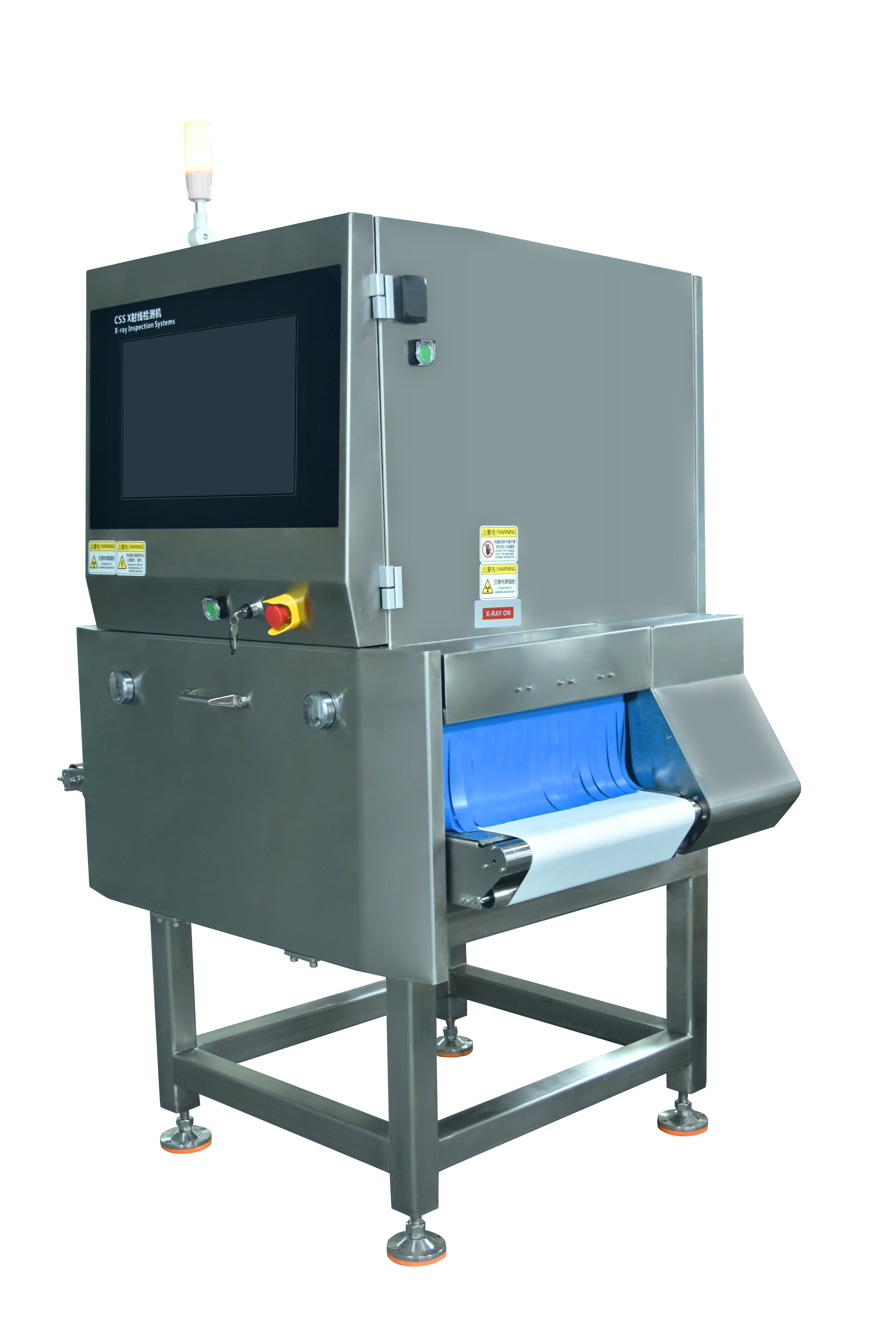
Product overlap represents one of the most persistent challenges in modern x ray detector food industry setups, where multiple items on a conveyor belt obscure each other during inspection. When products stack, cluster, or touch during the scanning process, the x ray imaging system struggles to distinguish individual items from their surroundings, triggering false rejection rates that can reach 15 to 25 percent in high-speed production environments. This phenomenon directly impacts production efficiency, increases operational costs, and creates unnecessary waste in food manufacturing facilities worldwide.
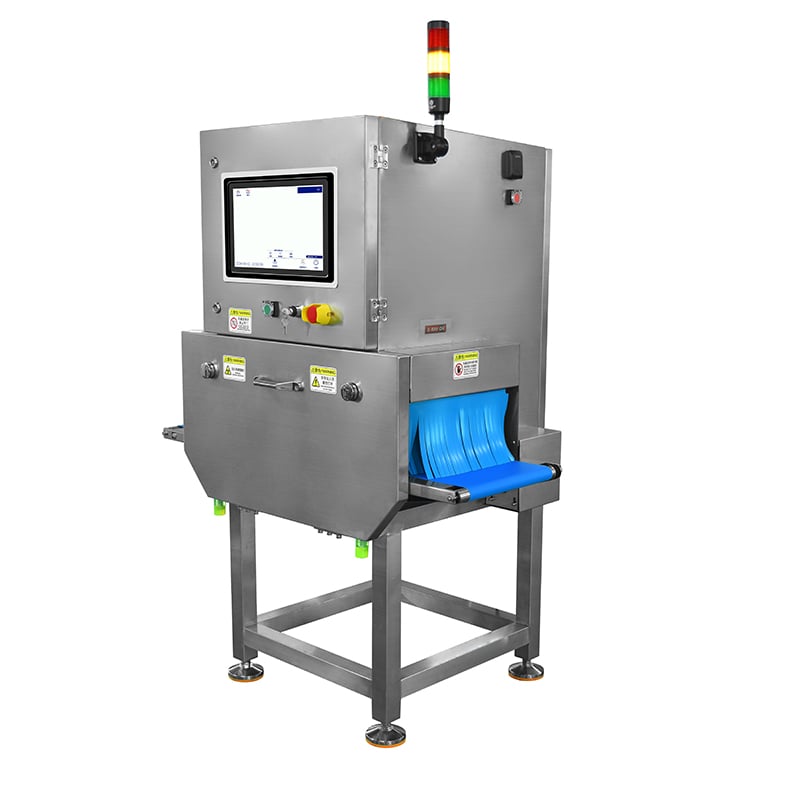
Understanding how product overlap triggers these false rejections is essential for food manufacturers seeking to optimize their food safety scanner investments. The x ray imaging technology used in contaminant detection systems works by analyzing density variations, but when products touch or overlap, the system cannot accurately differentiate between legitimate product material and potential foreign objects. This article explores the technical mechanisms behind false rejection, practical solutions to minimize overlap, and best practices for maintaining accurate detection rates without sacrificing throughput.
Understanding Product Overlap Mechanics
How Overlapping Products Affect X Ray Imaging
When packages or individual food items overlap on a conveyor belt, the x ray detector food industry systems receive confusing signal data. The x ray beam passes through multiple layers of product simultaneously, creating composite density readings that do not represent any single item. A food safety scanner interprets these ambiguous signals as potential contamination zones, triggering rejection mechanisms even when no actual contaminant exists. This false alarm scenario becomes increasingly common in high-speed production lines where spacing between items cannot be guaranteed.
The x ray imaging process fundamentally relies on consistent product positioning and density profiles. When products cluster, the system struggles to establish baseline expectations for normal material composition. Foreign object detection depends on recognizing density spikes above expected thresholds, but overlapping products create irregular density patterns that can mimic contamination signatures. Food manufacturers operating these systems must understand this technical limitation to design effective preventive measures.
Density Signature Confusion
Each food product has a characteristic density signature that x ray imaging systems learn during calibration phases. When a contaminant detection system calibrates, it establishes baseline density profiles for the target product under normal, non-overlapping conditions. If two items overlap, the combined density reading exceeds the expected range, prompting the system to flag the area as suspicious. This is why food safety scanner systems perform best when products maintain consistent spacing and orientation throughout the conveyor journey.
The software algorithms in modern x ray detector food industry equipment attempt to distinguish between normal product variation and genuine foreign material, but overlapping products introduce legitimate ambiguity. When the x ray imaging detector sees unexpected density spikes, it cannot reliably determine whether those spikes represent product contact, shadow artifacts, or actual metal, glass, or bone fragments. This uncertainty bias favors rejection over false acceptance, leading to waste.
Technical Solutions and System Optimization
Conveyor Design and Product Spacing
The most effective remedy for product overlap begins upstream of the x ray detector food industry scanner itself. Optimizing conveyor speed, width, and feeding mechanisms ensures products enter the inspection zone with consistent spacing and orientation. Many facilities reduce false rejection rates by 40 to 60 percent simply by implementing spacing guides, adjusting conveyor speed to slower rates during inspection cycles, or modifying upstream packaging arrangements. These mechanical interventions prevent overlap before it reaches the food safety scanner.
Product dividers, separator bars, and programmable conveyor controls help maintain uniform item separation. Modern x ray imaging systems work best when products travel single-file through the inspection window, but real-world production rarely achieves perfect alignment. Facilities that invest in precision conveyor systems and spacing hardware report significantly lower false rejection percentages. The contaminant detection capabilities of the scanner improve directly when the equipment receives well-separated, properly oriented items for analysis.
Scanner Software and Algorithm Adjustments
Advanced x ray detector food industry systems offer software tuning options that address overlap-related false rejections. Sensitivity thresholds, minimum contaminant size settings, and spatial filtering algorithms can all be adjusted to reduce false positives. Some x ray imaging systems now include machine learning components that recognize and compensate for common overlap patterns, distinguishing between overlapping products and genuine foreign objects based on shape, distribution, and density profile characteristics.
Recalibrating the food safety scanner regularly, particularly when product types or packaging dimensions change, ensures baseline density profiles remain accurate. Multi-spectrum x ray imaging technology, available in premium systems, provides additional density discrimination data that helps differentiate product overlap from contamination. Facilities upgrading their contaminant detection systems to include advanced filtering and AI-assisted analysis often see rejection rates stabilize below 5 percent even in high-throughput environments.
Best Practices for Minimizing False Rejection Impact
Production Planning and Monitoring
Strategic production scheduling reduces the likelihood of product overlap during peak throughput periods. Many food manufacturers implement staggered batch processing or reduce line speeds slightly during high-volume runs when the x ray detector food industry system is more prone to receiving overlapped items. Real-time monitoring dashboards that display rejection statistics enable operators to identify and address false rejection spikes immediately. When a facility notices rejection rates climbing above established baselines, intervention can occur before significant product waste accumulates.
Staff training focused on x ray imaging principles and scanner maintenance also impacts false rejection performance. Operators who understand how food safety scanner systems respond to product overlap can make informed decisions about line adjustments. Facilities that document rejection patterns and correlate them with conveyor speed, product type, and packaging size develop data-driven insights for optimizing their contaminant detection processes. This analytical approach transforms false rejection from an unavoidable cost into a manageable operational parameter.
Preventive Maintenance and System Health
Deteriorating x ray imaging equipment performance often manifests as increased false rejection rates. Dirty detector windows, misaligned conveyor systems, or drifting detector calibration can amplify sensitivity to product overlap. Regular preventive maintenance schedules, including detector cleaning, conveyor belt alignment checks, and software recalibration cycles, keep false rejection rates stable. Facilities performing quarterly or semi-annual full system diagnostics report more predictable rejection performance and fewer surprise spikes.
Backup detection systems or redundant sensors provide additional security for critical food safety applications. Some x ray detector food industry installations now incorporate secondary inspection zones that re-scan flagged items, using different detection angles or lower sensitivity thresholds to confirm whether rejections represent genuine contamination or false alarms. This dual-check approach recovers 15 to 30 percent of falsely rejected products while maintaining food safety standards and contaminant detection integrity.
FAQ
What exactly causes false rejection in x ray detector food industry systems?
False rejection occurs when product overlap or unusual positioning creates confusing x ray imaging signals that the system interprets as potential contamination. When two items touch or stack during inspection, the combined density reading exceeds the expected baseline for a single product, triggering the food safety scanner's rejection mechanism even though no actual foreign material is present. This is a fundamental limitation of density-based contaminant detection when products are not properly spaced.
Can x ray imaging completely eliminate false rejections from product overlap?
Complete elimination is not realistic in high-speed production, but false rejection rates can be reduced to below 5 percent through mechanical spacing solutions, software optimization, and proper maintenance. Advanced x ray detector food industry systems with machine learning algorithms perform better at distinguishing overlap from contamination, but consistent product presentation remains essential. Combining hardware improvements with software tuning typically delivers the best results for minimizing false rejections while preserving food safety scanner effectiveness.
How much does product overlap typically cost food manufacturers?
Costs vary dramatically by production scale and product value, but false rejections can waste 1 to 3 percent of total production output in poorly optimized food safety scanner setups. For a facility processing 10 tons daily, this represents significant material loss plus labor and disposal expenses. Beyond direct waste, false rejections also slow throughput and create production bottlenecks. Investing in better conveyor design, x ray imaging optimization, and contaminant detection system tuning typically pays for itself within 6 to 12 months through reduced waste alone.