 EN
EN


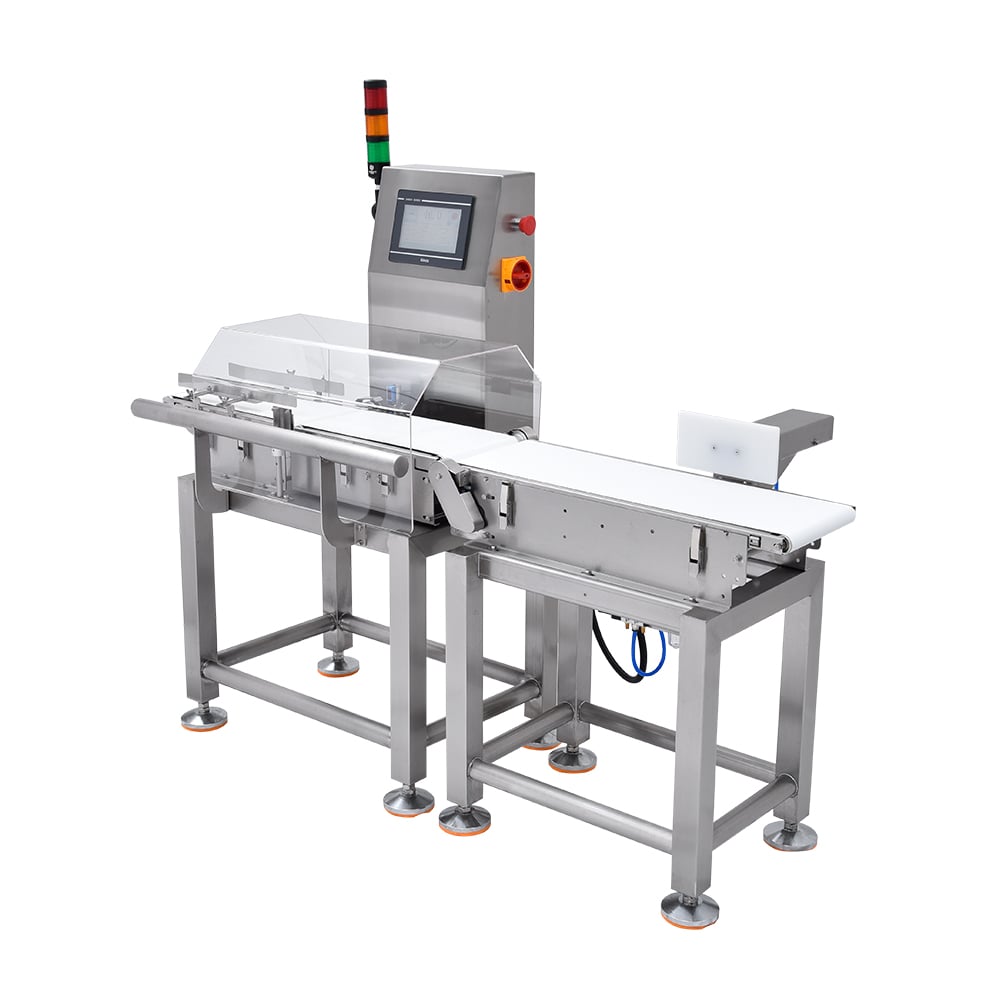
High-speed production environments demand absolute precision in product verification. A modern weight sorter relies on sophisticated dynamic weighing cells to maintain accuracy even when processing hundreds of items per minute. Understanding how these systems work is essential for manufacturers seeking to reduce waste, meet regulatory compliance, and optimize production efficiency. Dynamic weighing technology represents a critical advancement in quality control, enabling real-time measurement and immediate product sorting decisions without slowing production lines.

The precision required in modern sorting systems extends far beyond traditional static weighing methods. When a checkweigher must evaluate products moving at production speeds, the technology must account for motion, vibration, and rapid weight detection cycles. Dynamic weighing cells achieve this through advanced sensor design, intelligent signal processing, and real-time calibration algorithms that automatically compensate for environmental variables and mechanical stress.
How Dynamic Weighing Cells Function in Motion
Real-Time Load Detection During Product Transit
Dynamic weighing operates fundamentally differently from static measurement. As products move across a weight sorter platform, the sensing elements must capture accurate weight data within milliseconds. The dynamic weighing system uses multiple load cells positioned strategically beneath the conveyor or processing surface. These cells generate electrical signals proportional to the applied force, which are then processed by sophisticated electronics to filter noise, compensate for acceleration effects, and deliver precise weight readings.
The checkweigher's ability to maintain accuracy depends on advanced filtering algorithms that distinguish between genuine product weight and transient vibrations from the sorting system. Each dynamic weighing cell continuously samples data at high frequencies, typically thousands of times per second, ensuring that even quick-moving items are captured with statistical confidence. The sorting system then uses these measurements to make instantaneous accept or reject decisions, directing products to appropriate chutes or destinations.
Sensor Architecture and Signal Conditioning
Modern checkweigher technology employs strain gauge load cells as the foundation of dynamic weighing measurement. These cells change electrical resistance when mechanical stress is applied, converting physical force into precise electronic signals. The weight sorter housing multiple load cells across its platform creates redundancy and improved accuracy by averaging measurements from several points simultaneously. This architecture ensures that localized vibrations or off-center product placement does not compromise overall measurement reliability.
Signal conditioning electronics amplify these minute electrical changes and convert them into digital values that the sorting system processor can interpret. High-resolution analog-to-digital converters capture subtle variations in weight with precision typically ranging from 0.1 to 1 gram depending on the application scale. The dynamic weighing system's electronics also include temperature compensation circuitry, which automatically adjusts for thermal drift that might otherwise introduce systematic measurement errors into the weight sorter's decisions.
Maintaining Accuracy Through Continuous Calibration
Automated Compensation in Active Sorting Systems
A weight sorter maintains accuracy on high-speed lines through continuous self-verification protocols. The sorting system regularly verifies its own measurement baseline using reference standards or known-weight check objects that pass through periodically. This ongoing calibration process, sometimes called zero tracking or dynamic offset correction, allows the checkweigher to adapt to gradual changes in environmental conditions such as temperature fluctuations, humidity variations, or mechanical wear of conveyor components.
The dynamic weighing system also implements real-time statistical monitoring of measurement data. By analyzing the distribution of product weights passing through the weight sorter over time, the sorting system can detect measurement drift before it becomes significant enough to cause incorrect sorting decisions. When the system detects deviations from expected patterns, it automatically recalibrates or alerts operators that manual verification is needed.
Mechanical Stability and Vibration Isolation
Precision in dynamic weighing depends critically on the physical mounting and isolation of load cells within the weight sorter structure. Vibration from motors, conveyor belts, and surrounding machinery can introduce noise into measurements if cells are not properly isolated. Modern checkweigher designs employ elastomeric dampers or spring-based isolation systems that decouple the weighing platform from structural vibrations while maintaining rigid connection for product support.
The weight sorter's frame design also plays a vital role in measurement accuracy. Cast iron or welded steel structures with high rigidity minimize deflection under product load, ensuring that all dynamic weighing cells experience consistent loading conditions. Proper mechanical design reduces the influence of environmental vibrations on the sorting system's ability to maintain measurement precision across extended production runs.
Practical Implementation and Performance Expectations
Integration with Sorting System Control Logic
A functional weight sorter integrates dynamic weighing data seamlessly into real-time sorting decisions. The checkweigher continuously measures products, compares each measurement against programmed weight acceptance windows, and triggers pneumatic or electromechanical actuators to divert out-of-specification items within milliseconds. The sorting system's processor must handle this logic at speeds matching production throughput, often processing dozens of items per second.
Typical dynamic weighing systems employed in checkweigher applications achieve measurement repeatability of plus or minus 0.5 to 2 percent of the item's actual weight, depending on the specific weight sorter design and product characteristics. Speed capabilities range from modest production rates below 100 items per minute to high-speed operations exceeding 500 items per minute. The choice of sorting system depends on throughput requirements, product size variation, and accuracy tolerance demands specific to each manufacturing environment.
Environmental and Operational Considerations
Dynamic weighing accuracy is influenced by factors that operators must manage actively. Temperature stability in the production area affects load cell performance; maintaining environmental temperature within reasonable ranges preserves measurement consistency. The weight sorter should be installed on stable, level flooring free from excessive vibration sources. Regular maintenance, including cleaning of load cells and verification of electrical connections, ensures that the checkweigher continues delivering reliable data throughout its operational life.
Contamination presents another consideration for sustained accuracy. Dust, moisture, or product residue on sensing elements can gradually degrade the dynamic weighing system's performance. Periodic inspection and cleaning protocols, along with protective covers where appropriate, maintain measurement integrity. Understanding these practical requirements helps manufacturers optimize their sorting system investment and achieve consistent quality control performance.
FAQ
Can a weight sorter maintain accuracy at maximum production speeds?
Yes, modern checkweigher technology is specifically engineered to maintain measurement accuracy even at high throughput rates. Dynamic weighing cells process multiple data samples per millisecond, and advanced filtering algorithms distinguish genuine product weight from motion-induced transients. The sorting system's processor evaluates cumulative data to reach confident weight decisions within the brief window each product occupies on the measurement platform, enabling accurate sorting even at speeds exceeding 500 items per minute.
How often should dynamic weighing cells be calibrated?
The weight sorter performs continuous self-calibration through automated zero tracking and reference verification protocols. In addition to these real-time compensation features, most checkweigher systems should undergo formal calibration verification daily or weekly depending on production intensity and regulatory requirements. The sorting system will alert operators when manual verification or recalibration is recommended, ensuring that measurement accuracy remains within specified tolerances throughout extended operational periods.
What environmental factors most significantly impact weight sorter accuracy?
Temperature variations, mechanical vibration from nearby equipment, and floor stability are the primary environmental factors affecting dynamic weighing performance. A weight sorter installed in a temperature-controlled facility on a stable, vibration-isolated foundation will maintain superior measurement consistency compared to one located near machinery or subject to significant thermal swings. The checkweigher's filtering algorithms and isolation systems mitigate these effects, but controlling the operating environment directly enhances the sorting system's inherent accuracy capabilities.