 EN
EN


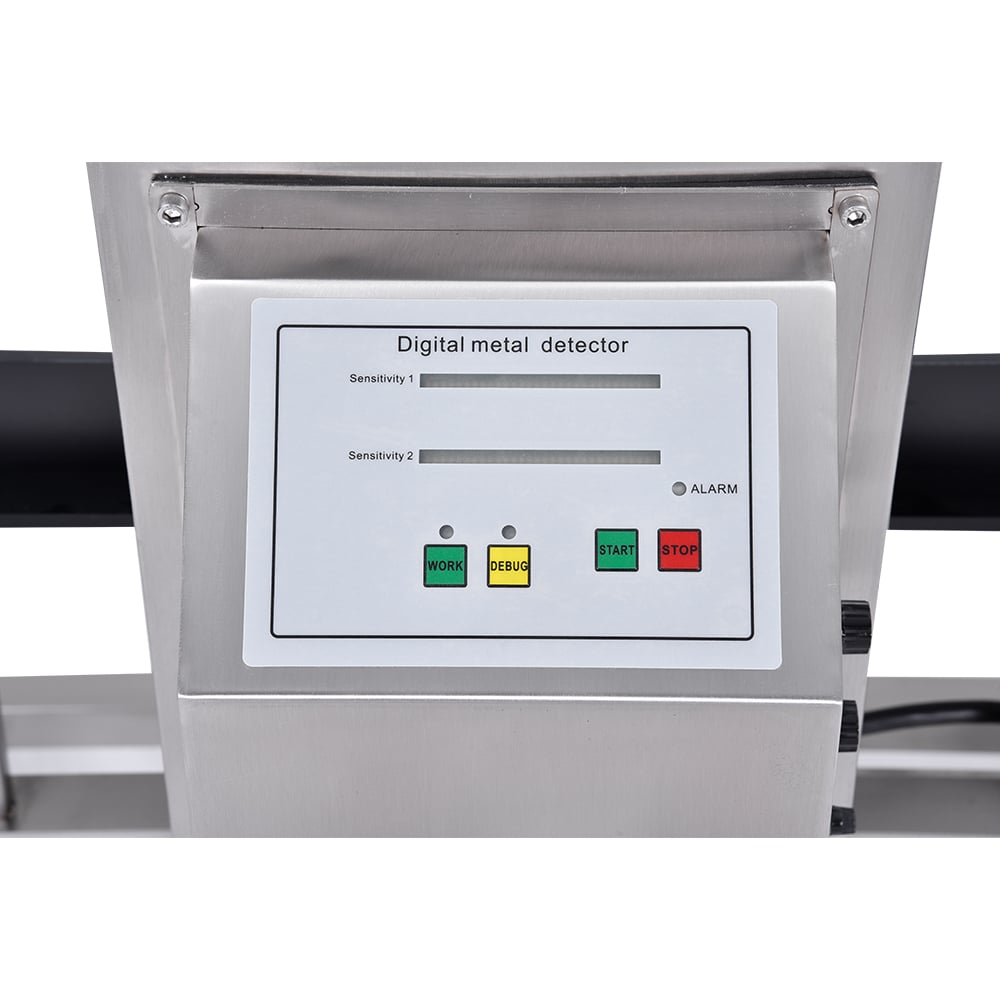
Proper calibration of an aluminum foil metal detector is essential for maintaining product safety and operational efficiency in confectionery production lines. Confectionery manufacturers face unique challenges when implementing metal detection systems, particularly when products are wrapped in aluminum foil or metallized film. The conductive nature of these packaging materials can interfere with metal detection performance, requiring specialized calibration techniques to ensure reliable contamination identification without generating false alarms that disrupt production schedules.
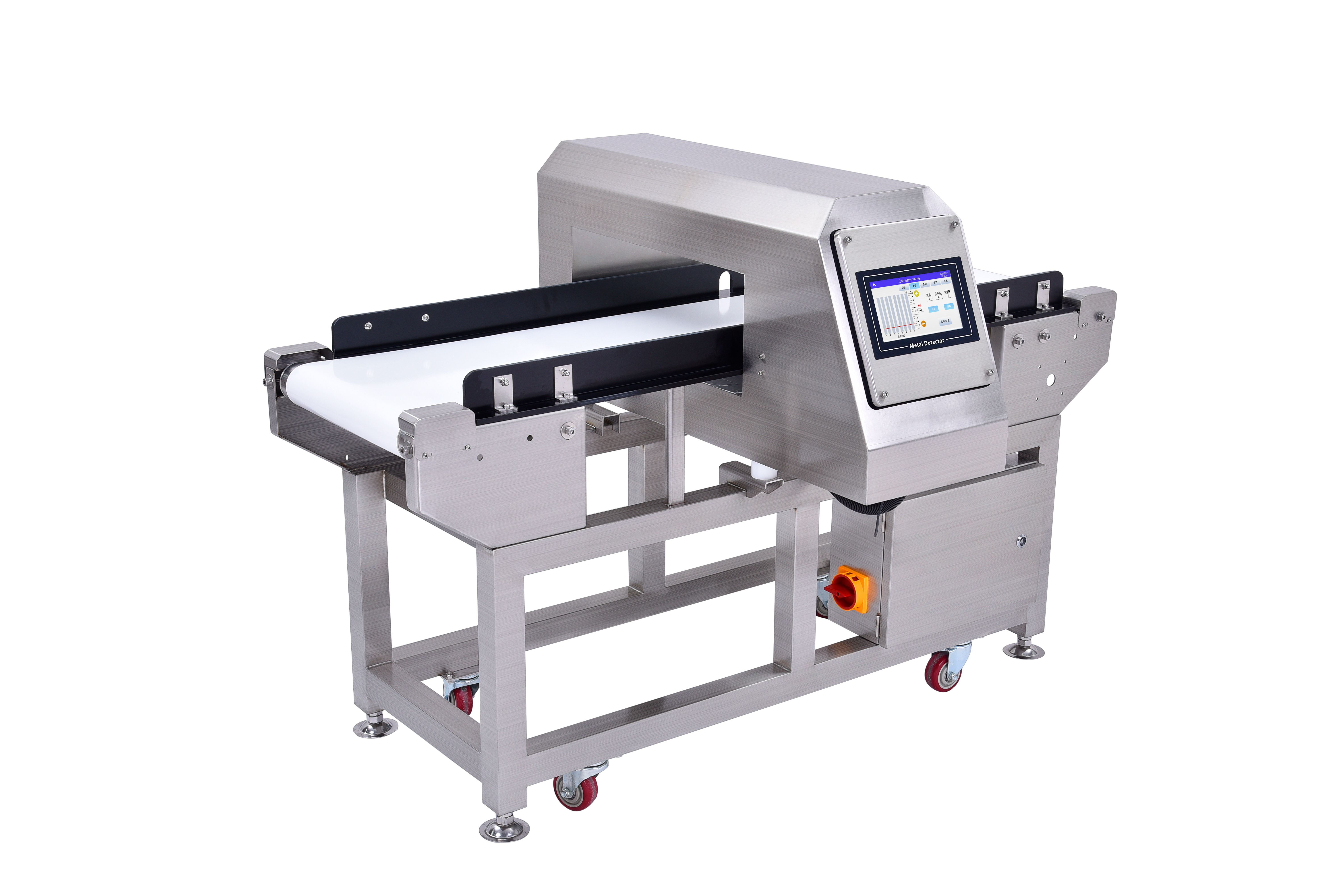
Understanding the fundamentals of metal detection calibration helps confectionery operators optimize system performance and minimize costly production interruptions. This guide provides practical calibration best practices specifically designed for aluminum foil and metallized film environments, covering sensitivity adjustments, baseline establishment, and ongoing validation procedures that maintain consistent packaged food inspection standards throughout production shifts.
Understanding Aluminum Foil Metal Detector Sensitivity
Baseline Sensitivity Configuration
The foundation of effective metal detection begins with establishing correct baseline sensitivity settings for your aluminum foil metal detector system. Since aluminum foil itself is conductive but non-ferrous, the system must distinguish between the packaging material and actual metal contaminants such as steel fragments, aluminum oxide particles, or ferrous debris. Initial calibration requires running test samples through the detector to measure the baseline signal generated by aluminum foil packaging alone, which then becomes the reference point for setting detection thresholds.
Metallized film detector sensitivity must be carefully balanced because these materials produce stronger electrical signals than standard aluminum foil. Starting with conservative settings prevents the system from rejecting acceptable products while ensuring genuine metal detection remains active. Temperature and humidity conditions in the confectionery production environment can affect baseline readings, so calibration should occur under typical operating conditions rather than in controlled laboratory settings where environmental factors differ significantly from the actual production floor.
Threshold Adjustment for Packaged Food Inspection
Once baseline aluminum foil response is measured, threshold settings must be adjusted to trigger rejection only when detected metal particles exceed acceptable contamination levels. For packaged food inspection in confectionery operations, regulatory standards typically specify minimum detection thresholds for ferrous, non-ferrous, and stainless steel contaminants. The metallized film detector component requires particular attention because its signal sensitivity differs substantially from standard aluminum foil, necessitating separate threshold calibration for products using different packaging materials.
Threshold adjustment involves inserting test metal particles of known size into representative product samples and determining at what detection sensitivity level the system reliably identifies them. This process reveals the minimum contamination size your metal detection system can identify reliably while operating through aluminum foil packaging. Recording these threshold values in production logs creates a historical calibration database that helps operators quickly identify when recalibration becomes necessary due to system drift or environmental changes.
Implementing Systematic Calibration Procedures
Multi-Point Calibration Testing
Comprehensive metal detection requires multi-point calibration using test samples containing different contamination types rather than relying on single-point verification. For aluminum foil metal detector systems, this means testing ferrous particles, non-ferrous materials, and stainless steel separately to ensure all contaminant categories receive adequate detection coverage. Each metal type generates different electrical signals when passing through the detector, and packaging materials affect detection efficiency differently depending on the metal's magnetic and conductive properties.
Establishing calibration frequency is critical for maintaining consistent packaged food inspection performance throughout production cycles. Many confectionery manufacturers implement daily calibration checks at shift start and periodic verification every four hours during extended production runs. This structured approach to metal detection calibration reduces the likelihood of undetected contamination while preventing false rejection rates that disrupt production efficiency and increase operational costs.
Environmental Compensation Strategies
The production environment where your aluminum foil metal detector operates significantly impacts system performance and requires ongoing calibration adjustments. Temperature fluctuations affect detector electronics and can shift baseline sensitivity readings, making regular recalibration essential in facilities lacking precise climate control. Humidity levels, proximity to electrical equipment, and even conveyor system vibration can influence metal detection accuracy, particularly in metallized film detector applications where signal margins are narrower.
Operators should document environmental conditions during calibration to create a reference database correlating temperature and humidity changes with necessary sensitivity adjustments. This historical data allows predictive recalibration before detection performance degrades, improving the reliability of packaged food inspection processes. Some confectionery facilities maintain calibration logs tracking seasonal environmental changes, which reveals patterns useful for scheduling preventive recalibration during predictable high-temperature or high-humidity periods.
Validation and Ongoing Maintenance
Regular Test Sample Protocols
Validating aluminum foil metal detector performance requires established test sample protocols that operators execute consistently throughout production shifts. Standard test samples containing known metal contamination should be run through the detection system at regular intervals, with results documented to verify ongoing calibration accuracy. These test runs provide immediate feedback on whether the metal detection system continues operating within established parameters or requires recalibration adjustments.
For metallized film detector validation, maintaining a separate set of test samples packaged in the specific metallized film materials used in production ensures meaningful performance assessment. Test contamination particles should include ferrous materials, aluminum particles, and stainless steel fragments representing realistic contamination scenarios in confectionery manufacturing. Recording pass-fail results creates audit trails demonstrating consistent packaged food inspection compliance, which proves especially valuable during regulatory inspections or when investigating customer complaints about potential contamination.
Calibration Documentation and Compliance
Comprehensive calibration documentation supports regulatory compliance and provides essential records for quality assurance departments. Each calibration session should record system settings, test sample results, environmental conditions, and operator identification, creating a traceable record of metal detection verification. This documentation demonstrates that packaged food inspection systems maintained consistent performance standards, protecting both product integrity and manufacturer reputation.
Regulatory agencies require evidence that manufacturers implemented appropriate food safety controls, and calibration records for aluminum foil metal detector systems provide crucial documentation. Many confectionery facilities incorporate calibration logs into their hazard analysis protocols, linking metal detection performance directly to risk mitigation efforts. This systematic approach transforms calibration from routine maintenance into a strategic component of comprehensive food safety management systems.
FAQ
How often should an aluminum foil metal detector require recalibration?
Most confectionery producers recalibrate aluminum foil metal detector systems daily at shift start and perform verification checks every four to eight hours during production. Specific recalibration frequency depends on production volume, environmental stability, and historical drift patterns specific to your facility. Documenting calibration intervals based on actual system performance rather than adopting generic schedules helps optimize maintenance efficiency while maintaining reliable metal detection performance.
What contamination sizes should metallized film detector systems reliably identify?
Regulatory standards for packaged food inspection typically specify minimum detection thresholds ranging from 2 to 3 millimeters for ferrous particles, with slightly larger thresholds for non-ferrous and stainless steel contaminants. However, many confectionery manufacturers exceed minimum standards by calibrating metallized film detector systems to identify smaller particles, improving overall food safety margins. Your specific detection threshold should align with both regulatory requirements and internal quality standards appropriate for your target market.
Can aluminum foil packaging interfere with metal detection accuracy?
Aluminum foil packaging generates baseline electrical signals that can potentially mask small metal contaminants if the aluminum foil metal detector system lacks proper calibration. This conductive property is precisely why specialized calibration techniques are necessary, including establishing separate baseline readings for aluminum foil versus other packaging materials. Properly calibrated systems reliably distinguish between packaging materials and actual metal contamination, ensuring consistent packaged food inspection performance even with challenging packaging materials in confectionery production.