 EN
EN


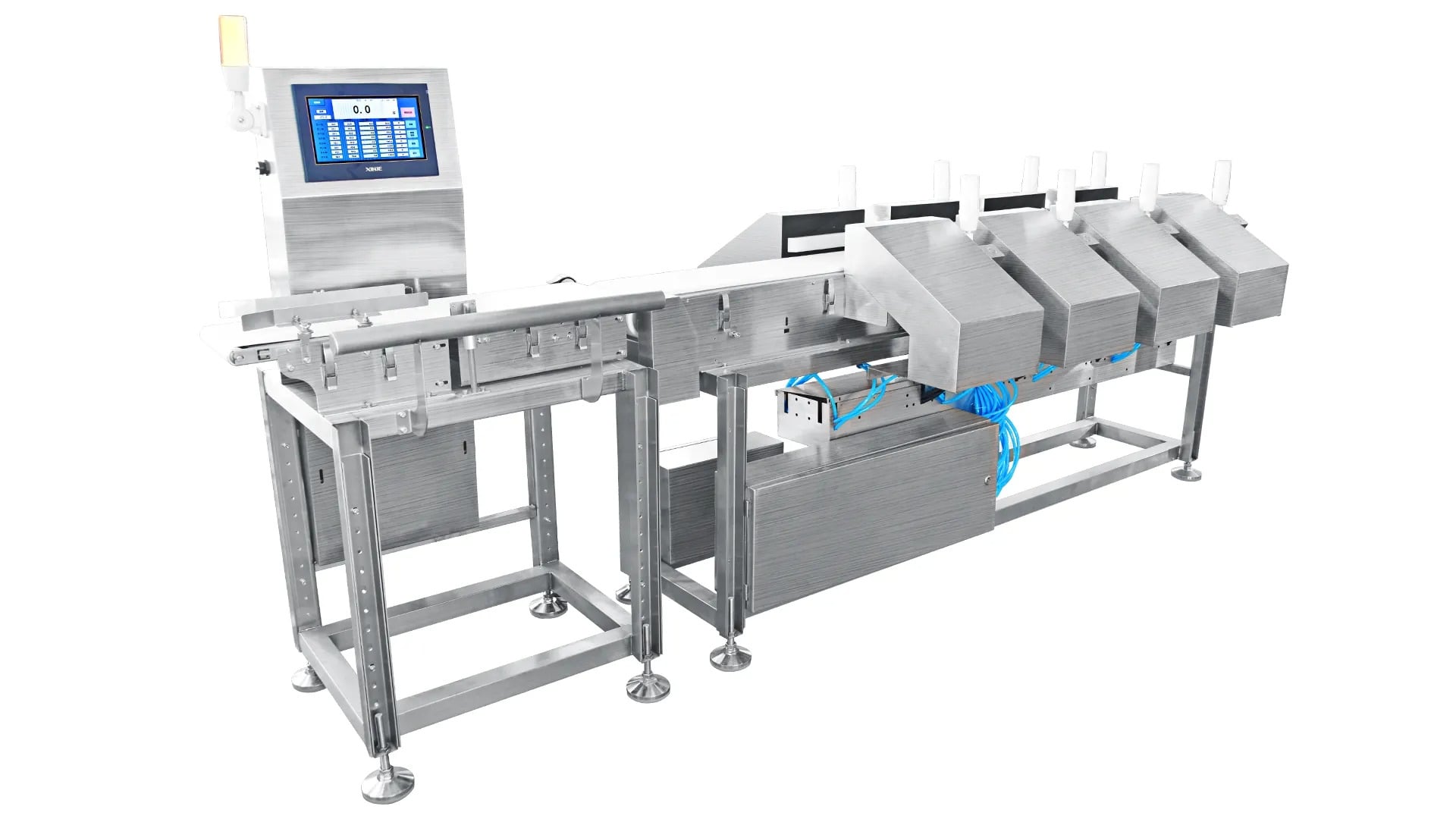
Production downtime represents one of the costliest challenges in food, pharmaceutical, and manufacturing operations. When quality inspection equipment fails or requires servicing, entire production lines stop, creating cascading delays that impact revenue and customer satisfaction. An integrated metal detector and checkweigher addresses this vulnerability by combining detection and weighing functions into a single system, yet the real operational advantage lies in how modular maintenance design minimizes service interruptions and keeps production flowing.
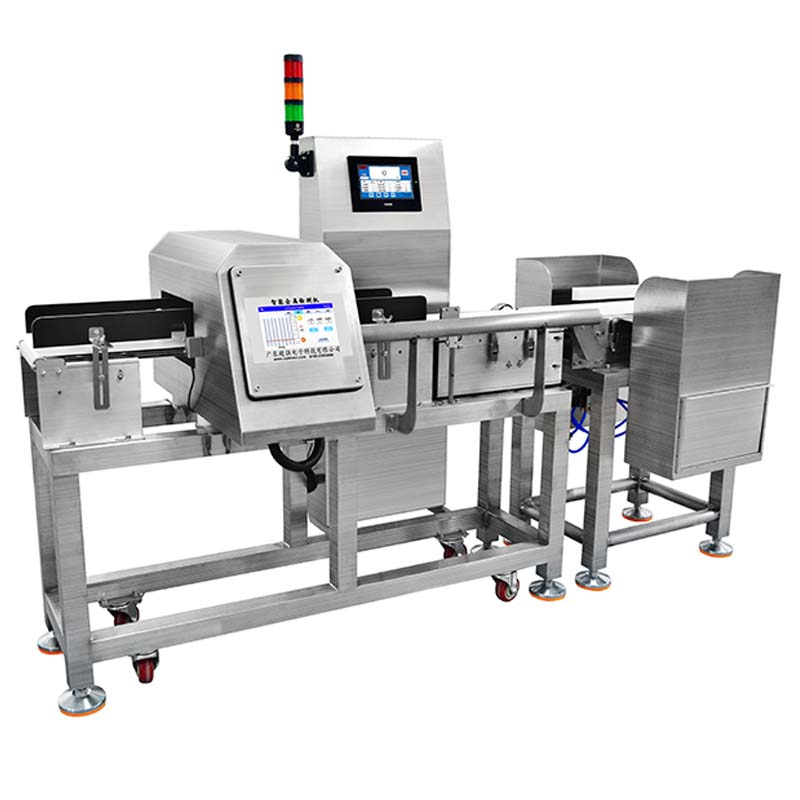
Modular maintenance transforms how manufacturers approach equipment reliability. Instead of dismantling an entire inspection combination system to service a single component, technicians can access and replace individual modules without taking the full line offline. This approach reduces mean time to repair (MTTR), extends overall equipment effectiveness (OEE), and protects production schedules. For operations running high-speed packaging lines or continuous processing environments, the difference between a two-hour full-system shutdown and a thirty-minute module replacement is substantial—both financially and operationally.
Understanding Modular Architecture in Combination Systems
Component Isolation and Independent Access
A combination system traditionally integrates metal detection and checkweighing into one streamlined unit. Modular design takes this integration further by organizing the system into replaceable sections: conveyor modules, sensor housings, calibration units, and control boards. Each module connects through standardized interfaces, allowing technicians to diagnose faults to a specific component without disrupting adjacent functions. When a checkweigher sensor drifts out of tolerance, maintenance staff can swap that module alone rather than removing the entire inspection combination from the production line.
This architectural approach reduces complexity during troubleshooting. Technicians can isolate problems faster because each module has defined diagnostic points and connection standards. Space saving becomes a natural benefit as well—the compact footprint of a combination system is enhanced by modular design, since components stack efficiently and occupy minimal floor space. For facilities with tight layout constraints or multiple inspection stations, this space-efficient modularity directly impacts facility planning and equipment placement flexibility.
Standardized Interfaces and Quick-Change Connectors
Modern integrated metal detector and checkweigher systems employ quick-disconnect couplings, tool-free fasteners, and color-coded connections. These standardized interfaces ensure that replacement modules fit seamlessly without requiring calibration delays or custom adapters. Technicians receive clear documentation showing which modules are field-replaceable and which require factory service, enabling faster decision-making during failures. Quick-change connectors also reduce the risk of improper reassembly, which historically caused repeat failures and extended downtime periods.
How Modular Maintenance Minimizes Production Interruption
Reduced Mean Time to Repair (MTTR)
When an inspection combination malfunctions, every hour offline costs production capacity and potentially spoils product quality tracking records. Modular design dramatically shortens repair windows. A metal detector component replacement that might take four hours using traditional methods can often be completed in thirty minutes or less with modular architecture. Technicians follow simplified swap-out procedures, verify module functionality through self-diagnostic features, and resume production without extensive re-commissioning. This MTTR reduction directly translates to maintained output schedules and improved line availability.
The speed advantage multiplies when considering preventive maintenance. Rather than scheduling multi-hour shutdowns to service an aging component, teams can replace high-wear modules during planned brief maintenance windows. A space saving modular system also allows spare modules to be kept on-site at minimal storage cost, enabling immediate replacement rather than waiting for parts to arrive. This proactive stance prevents emergency downtime and shifts maintenance from reactive fire-fighting to controlled, predictable scheduling.
Parallel Operations and Line Continuity
Facilities with multiple production lines benefit significantly when one line's inspection combination undergoes modular maintenance. Because module replacement is fast and localized, adjacent lines continue operation without interruption. In contrast, systems requiring full shutdown create bottlenecks that ripple through the entire facility. A combination system with true modular architecture supports this operational resilience. Teams can stagger maintenance across shifts or swap pre-configured replacement modules between lines to maintain continuous output. This flexibility becomes critical in just-in-time manufacturing environments where production halts create immediate supply chain disruptions.
Technical and Operational Advantages
Diagnostic Precision and Fault Isolation
Modular inspection combination systems incorporate intelligent monitoring at the component level. Each module reports its operational status independently, allowing control software to pinpoint faults with exceptional precision. When a checkweigher drift occurs, the system identifies the specific weighing module and alerts maintenance personnel before quality failures reach packaging. This early warning capability, enabled by modular diagnostics, prevents defective products from entering inventory and reduces regulatory compliance risks. The integrated metal detector and checkweigher architecture further enhances this precision by sharing real-time data across modules, creating redundancy in detection and verification.
Technicians using modular systems benefit from comprehensive self-test features built into each component. Before returning a line to production, modules run internal verification routines automatically. This validation step catches potential issues immediately, preventing repeat failures that plague traditional repair workflows. Documentation for modular systems is also clearer, with module-specific troubleshooting guides that junior technicians can follow reliably, reducing dependency on senior specialists and accelerating problem resolution.
Scalability and Future-Proofing
As production demands evolve, modular architecture allows facilities to upgrade specific functions without replacing entire systems. A company can enhance checkweighing accuracy by swapping an updated weighing module without disrupting metal detection capabilities. This upgrade path protects capital investment and extends equipment lifespan. Space saving becomes an added benefit when upgrading to newer, more compact modules that fit within existing footprints. An inspection combination built on modular principles remains adaptable across technology generations, reducing long-term total cost of ownership.
FAQ
What is the typical downtime reduction when switching to modular maintenance?
Average downtime reduction ranges from sixty to eighty percent compared to traditional full-system service approaches. A combination system with modular design typically reduces repair time from three to four hours to thirty minutes to one hour, depending on which module requires replacement and technician experience level. This reduction directly improves OEE and production output metrics.
Can modular modules be pre-tested before installation to ensure reliability?
Yes, modern integrated metal detector and checkweigher systems include factory-tested replacement modules with quality certification. Many manufacturers also provide on-site testing capabilities, allowing technicians to validate modules before installation. Self-diagnostic features within each module provide additional assurance that replacements will perform correctly within the inspection combination system.
How does space saving in modular systems affect facility planning?
Modular inspection combination designs use compact stacking and efficient connector layouts, reducing footprint by fifteen to thirty percent compared to non-modular alternatives. This space saving enables facilities to install additional production lines, expand product variety, or simplify facility layout without major renovations. The compact profile also simplifies cleaning and sanitation procedures in food and pharmaceutical environments.