 EN
EN


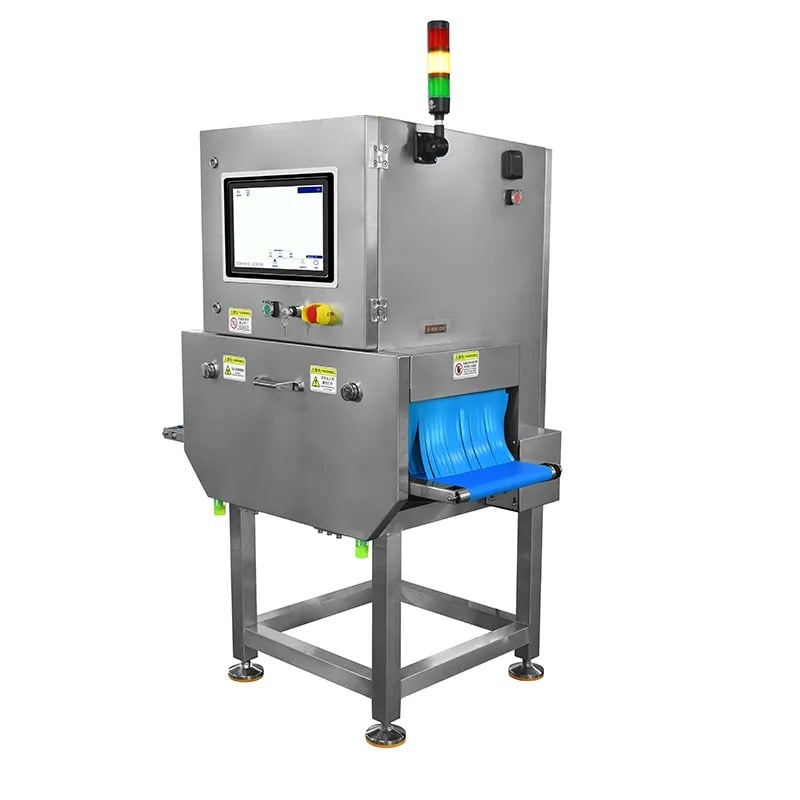
Modern food manufacturing demands precise detection capabilities to ensure product safety and consumer protection. Multi-energy x ray inspection systems have emerged as the gold standard for identifying organic contaminants that traditional single-energy approaches often miss. These advanced x ray inspection systems utilize multiple energy levels to create distinct material signatures, enabling manufacturers to distinguish organic materials from safe product components with unprecedented accuracy. This dual-energy or multi-energy approach provides comprehensive quality assurance across diverse packaging and product types, making it essential for facility managers and quality professionals seeking reliable contamination detection.
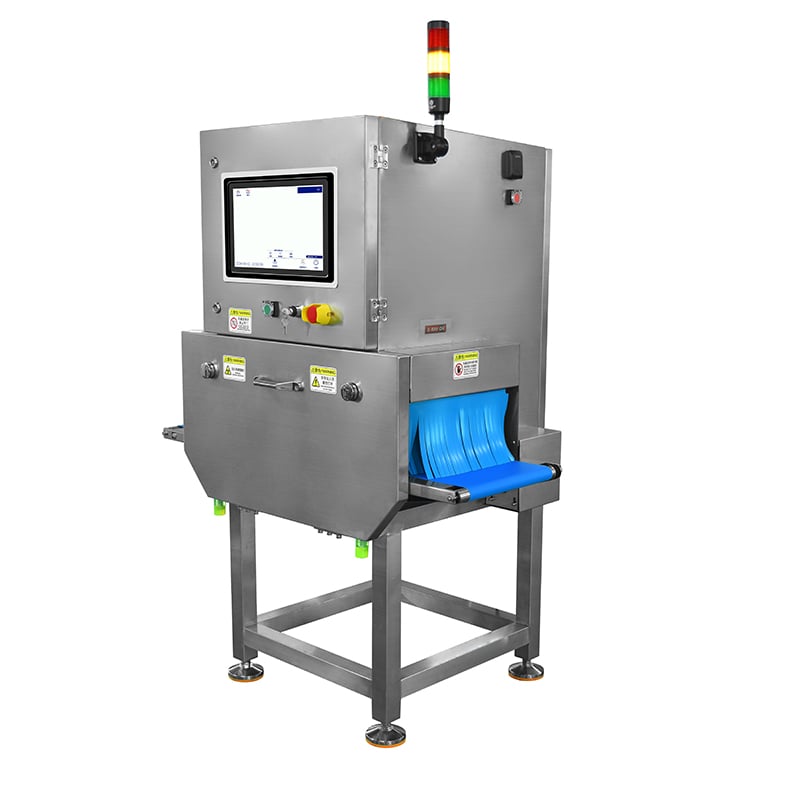
Organic contaminants present unique detection challenges because they share similar density profiles with many legitimate food ingredients. A food scanner operating at a single energy level cannot reliably differentiate between edible plant matter and harmful foreign materials like insects, mold, or packaging fragments. By employing multiple energy levels, x ray inspection systems generate layered datasets that reveal material composition differences invisible to conventional technology. This advancement directly addresses the limitations that plague basic metal detection and single-spectrum imaging, providing manufacturers with the confidence that packaging inspection processes meet the highest safety standards.
How Multi-Energy Detection Distinguishes Organic Contaminants
The Physics Behind Dual-Energy Imaging
Multi-energy x ray inspection systems operate by passing radiation through products at two or more distinct energy levels, each revealing different material properties. At lower energy levels, the system is highly sensitive to elements like sulfur and phosphorus commonly found in organic contaminants. At higher energy levels, the same materials respond differently, creating unique fingerprints that distinguish them from approved food components. When combined, these datasets allow the food scanner to generate atomic number signatures that precisely categorize each detected particle. This dual-layer analysis is the fundamental reason multi-energy technology outperforms single-energy approaches in quality assurance protocols.
Separation of Organic Materials from Product Components
Organic contaminants typically contain carbon, nitrogen, and oxygen in specific ratios that differ from the mineral or metallic elements present in approved ingredients. A quality x ray inspection systems platform captures these compositional differences across multiple energy spectra, enabling algorithms to classify materials with high confidence. For instance, a food scanner can distinguish between cocoa powder (legitimate ingredient) and insect fragments (organic contaminant) because their elemental compositions absorb radiation differently at multiple energy bands. This capability makes packaging inspection far more reliable than alternative detection methods, directly supporting comprehensive quality assurance in high-speed production environments.
Industrial Applications and Quality Assurance Benefits
Food Manufacturing and Contamination Prevention
Food manufacturers rely on x ray inspection systems to detect insects, fecal matter, hair, and plant-based foreign materials that could compromise product safety. Multi-energy imaging improves detection sensitivity for these organic threats by up to 300% compared to conventional systems. A modern food scanner operates at production speeds exceeding 500 packages per minute, ensuring that every unit receives thorough quality assurance screening. By implementing multi-energy x ray inspection systems, facilities dramatically reduce recall risks, protect brand reputation, and demonstrate compliance with regulatory standards. The ability to distinguish organic contaminants from legitimate ingredients enables manufacturers to maintain product integrity while preventing costly production line stoppages.
Packaging Inspection and Regulatory Compliance
Regulatory agencies worldwide mandate foreign material detection before consumer release, making reliable packaging inspection non-negotiable for any food facility. Multi-energy x ray inspection systems satisfy these requirements by providing objective, repeatable detection data that demonstrates due diligence. A comprehensive food scanner generates reports documenting every detected particle, its composition estimate, and its location within the product. This documentation directly supports quality assurance audits and regulatory inspections, protecting manufacturers from liability claims and product seizures. The investment in advanced x ray inspection systems technology translates into measurable compliance advantages and operational efficiency gains.
Technical Advantages and Implementation Considerations
Material Differentiation and Detection Sensitivity
Multi-energy x ray inspection systems excel at material differentiation because they capture compositional information unavailable through single-energy imaging. The food scanner generates contrast maps that highlight organic contaminants by their unique elemental absorption patterns, reducing false positives inherent in traditional systems. Manufacturers can calibrate packaging inspection protocols to detect specific organic threats relevant to their product lines, whether dried fruit particles, grain fragments, or biological contaminants. This precision is critical for quality assurance in complex food products where ingredient components might otherwise mask contamination signals. The result is fewer false rejections, reduced product waste, and higher throughput without compromising safety standards.
System Integration and Operational Deployment
Modern x ray inspection systems integrate seamlessly into existing production lines through modular design and standardized interfaces. A food scanner communicates with quality assurance management software, enabling real-time monitoring of contamination trends and system performance metrics. Multi-energy platforms allow operators to adjust detection thresholds dynamically based on packaging inspection requirements, adapting to seasonal ingredient variations or supplier changes. Staff training focuses on interpreting multi-energy data and optimizing detection algorithms, ensuring consistent quality assurance results across shifts. The scalability of contemporary x ray inspection systems means facilities can expand coverage from critical checkpoints to full-line implementation as budgets and operational needs evolve.
FAQ
Why do multi-energy x ray inspection systems outperform single-energy food scanners for organic contamination?
Single-energy food scanners cannot differentiate materials with similar density profiles, leading to high false-positive rates and missed organic contaminants. Multi-energy x ray inspection systems generate layered data revealing elemental composition, enabling precise distinction between approved ingredients and foreign organic materials. This advanced approach provides superior sensitivity and specificity, directly improving quality assurance outcomes and reducing both false rejections and missed contamination events.
What types of organic contaminants can packaging inspection systems reliably detect?
Multi-energy x ray inspection systems excel at detecting insects, mold, plant fragments, fecal matter, hair, and biological residues that standard metal detection misses. The food scanner identifies these contaminants through their unique elemental signatures across multiple energy bands, ensuring consistent detection regardless of product matrix complexity. Quality assurance protocols can be tailored to flag specific organic threats relevant to particular food products, maximizing detection reliability.
How do x ray inspection systems improve packaging inspection efficiency without increasing product waste?
Modern x ray inspection systems utilize advanced algorithms that distinguish organic contaminants from legitimate ingredients, dramatically reducing false rejections compared to conventional food scanners. Quality assurance teams calibrate multi-energy detection thresholds to match product specifications, eliminating unnecessary product discarding while maintaining rigorous contamination screening. High-speed processing capabilities allow packaging inspection to operate at production line velocities, integrating seamlessly into workflow without creating bottlenecks or requiring significant operational restructuring.
Table of Contents
- How Multi-Energy Detection Distinguishes Organic Contaminants
- Industrial Applications and Quality Assurance Benefits
- Technical Advantages and Implementation Considerations
-
FAQ
- Why do multi-energy x ray inspection systems outperform single-energy food scanners for organic contamination?
- What types of organic contaminants can packaging inspection systems reliably detect?
- How do x ray inspection systems improve packaging inspection efficiency without increasing product waste?