 EN
EN


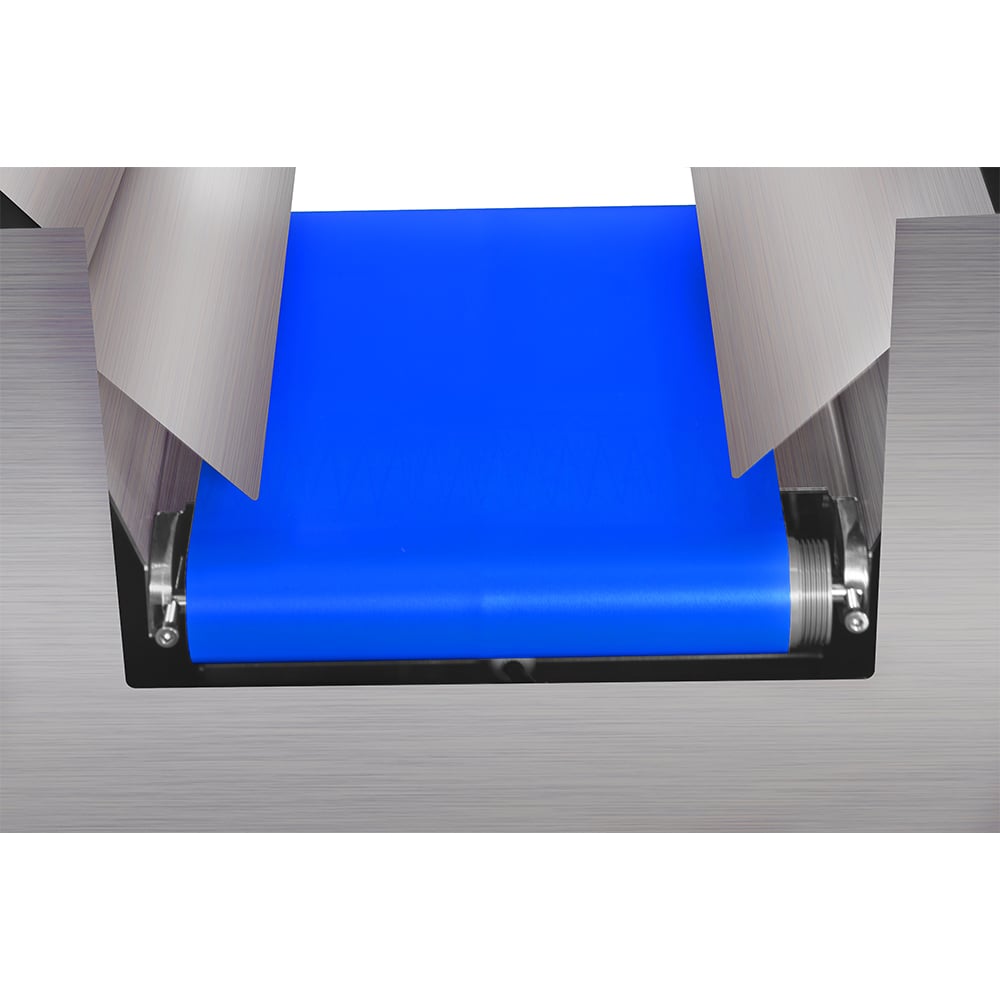
Integrating reject mechanisms safely with your x ray inspection machine is critical for maintaining production efficiency while protecting personnel and equipment. Modern production environments demand seamless coordination between detection and rejection systems to ensure that defective items are removed without disrupting workflow or causing damage to the machinery itself.
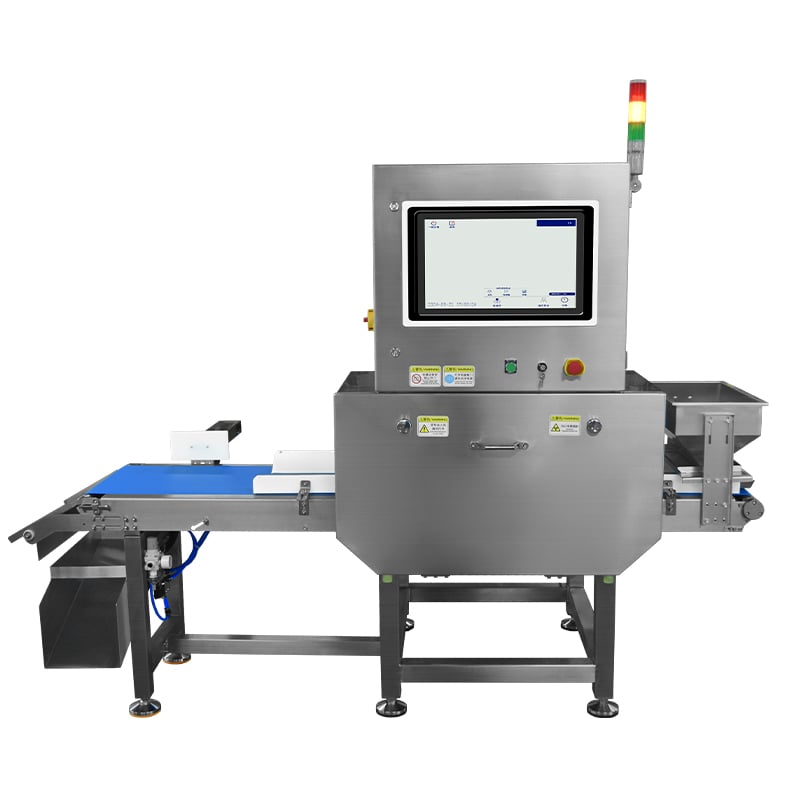
The integration of reject mechanisms with quality control equipment requires careful planning, proper synchronization, and adherence to safety protocols. Without proper integration, reject systems can create bottlenecks, product jams, or unexpected equipment failures that compromise both productivity and worker safety. This comprehensive guide explores how to safely implement rejection systems within your existing x ray inspection machine infrastructure.
Understanding Reject Mechanism Compatibility with Food Inspection Systems
Mechanical Integration and Signal Synchronization
A food inspection system must communicate effectively with reject mechanisms to ensure accurate timing and positioning. The x ray inspection machine detects defects, generates signals, and passes that information to the rejection apparatus within milliseconds. This synchronization prevents false rejections and ensures that only genuinely defective items are diverted from the production line. Proper signal calibration and mechanical alignment form the foundation of safe integration.
Quality control equipment relies on precise timing to execute rejection without jamming or damaging products. When a defect is detected by the x ray inspection machine, the reject mechanism must activate at exactly the right moment as the product moves through the line. Miscalibrated timing can result in rejected items stuck in the system or acceptable products being discarded. Professional installation and regular testing verify that this coordination remains reliable throughout production runs.
Safety Interlocks and Emergency Stop Systems
Safety protocols must be embedded into the reject mechanism design itself. An effective food inspection system includes emergency stop functionality that halts both the inspection unit and rejection apparatus simultaneously. This prevents workers from reaching into active reject zones and eliminates the risk of hand or clothing entanglement. Guard designs and sensor-based interlocks ensure that reject zones remain inaccessible when systems are operational.
Packaging inspection often requires human oversight and occasional manual intervention. Safety gates, light curtains, and audible alarms signal when the reject mechanism is active. These multiple layers of safety create a comprehensive protection system that respects both machine operation and worker wellbeing on the production floor.
Designing Reject Chutes and Pneumatic Systems for Safe Operation
Pneumatic Reject Mechanisms and Flow Control
Pneumatic push or flip reject mechanisms offer rapid response times and smooth product diversion. The x ray inspection machine sends an electrical signal that triggers compressed air delivery to the pneumatic actuator, which then pushes or flips the product away from the main production stream. This method is gentle on products while being fast enough to prevent line congestion. Quality control equipment using pneumatic systems requires proper air pressure regulation to ensure consistent rejection performance without damaging fragile items.
Air supply line integrity directly affects food inspection system reliability. Leaks, moisture accumulation, or pressure fluctuations can result in weak or erratic reject actions. Regular maintenance of compressors, filters, and hoses ensures that your x ray inspection machine rejection system operates at peak efficiency. Pressure regulators must be calibrated correctly to provide just enough force for reliable rejection without excessive product damage.
Reject Chute Design and Material Handling
The physical reject chute must accommodate product size, weight, and velocity without creating jam points. Smooth surfaces reduce friction and prevent product stalling while maintaining safe speeds throughout the diversion process. Packaging inspection lines often handle diverse product shapes, so reject chutes must be versatile enough to direct items ranging from small packages to larger containers without obstruction. Angled chutes with properly rounded corners guide rejected items safely away from the main production line.
Material selection for reject chutes impacts both safety and durability. Stainless steel or food-grade polymers resist corrosion and meet hygiene standards for quality control equipment used in food processing environments. Regular cleaning and inspection of reject chutes prevent contamination buildup and ensure that rejected items do not cause cross-contamination on subsequent production runs.
Installation, Validation, and Ongoing Maintenance Protocols
Commissioning Your Integrated System
Professional installation of your x ray inspection machine and reject mechanism integration includes detailed system testing and documentation. The quality control equipment must be validated to confirm that detection accuracy and rejection timing meet production specifications. Test runs using sample defects allow technicians to verify that the food inspection system correctly identifies issues and that the reject mechanism responds appropriately. This validation phase is essential before full production startup.
System documentation provides operators with clear procedures for daily operation, emergency shutdown, and basic troubleshooting. Training sessions ensure that staff understand how the packaging inspection system functions and what actions to take if problems occur. Documented procedures for cleaning, maintenance, and calibration checks help sustain system performance over time.
Preventive Maintenance and Troubleshooting
Your x ray inspection machine and associated quality control equipment require scheduled maintenance to maintain safe operation. Periodic inspection of pneumatic lines, electrical connections, and mechanical components prevents unexpected failures that could compromise both productivity and safety. Maintenance logs track system performance and help identify patterns that indicate emerging issues before they become critical problems.
Common issues include timing drift, reduced reject force, or occasional product jams that signal the need for recalibration or component replacement. When problems arise, food inspection system operators should follow established troubleshooting procedures and contact qualified technicians. Regular training updates ensure that staff remain knowledgeable about your specific x ray inspection machine configuration and its integration with reject mechanisms, maintaining awareness of proper operation and emergency protocols.
FAQ
How does the reject mechanism timing synchronize with the x ray inspection machine?
The x ray inspection machine sends a precise electrical signal the moment a defect is detected. This signal travels to the reject mechanism, triggering pneumatic or mechanical activation at the exact instant when the defective item is positioned over the reject chute. The timing delay is typically just milliseconds, allowing for accurate product diversion. Proper calibration ensures that acceptable products pass through safely while defective items are always rejected on the first detection cycle.
What safety features are essential for integrated quality control equipment?
Integrated quality control equipment must include emergency stop buttons accessible to all operators, safety interlocks that prevent access to reject zones during operation, light curtains and visual warnings that indicate active rejection, and proper guarding around all moving mechanical components. The food inspection system should have redundant safety features so that failure of one component does not compromise worker protection. Regular safety audits and staff training reinforce these protections and keep everyone aware of potential hazards.
How often should packaging inspection systems be maintained?
Packaging inspection systems, including the x ray inspection machine and reject mechanism, should receive daily checks by operators to verify basic function and inspect for obvious wear or damage. Comprehensive preventive maintenance should occur monthly or quarterly depending on production volume, with annual inspections from qualified technicians. Regular pneumatic system maintenance ensures consistent reject force, while electrical system checks confirm reliable signal transmission and safety interlock function. Maintenance frequency may increase if the system operates continuously or handles challenging products that accelerate component wear.