 EN
EN


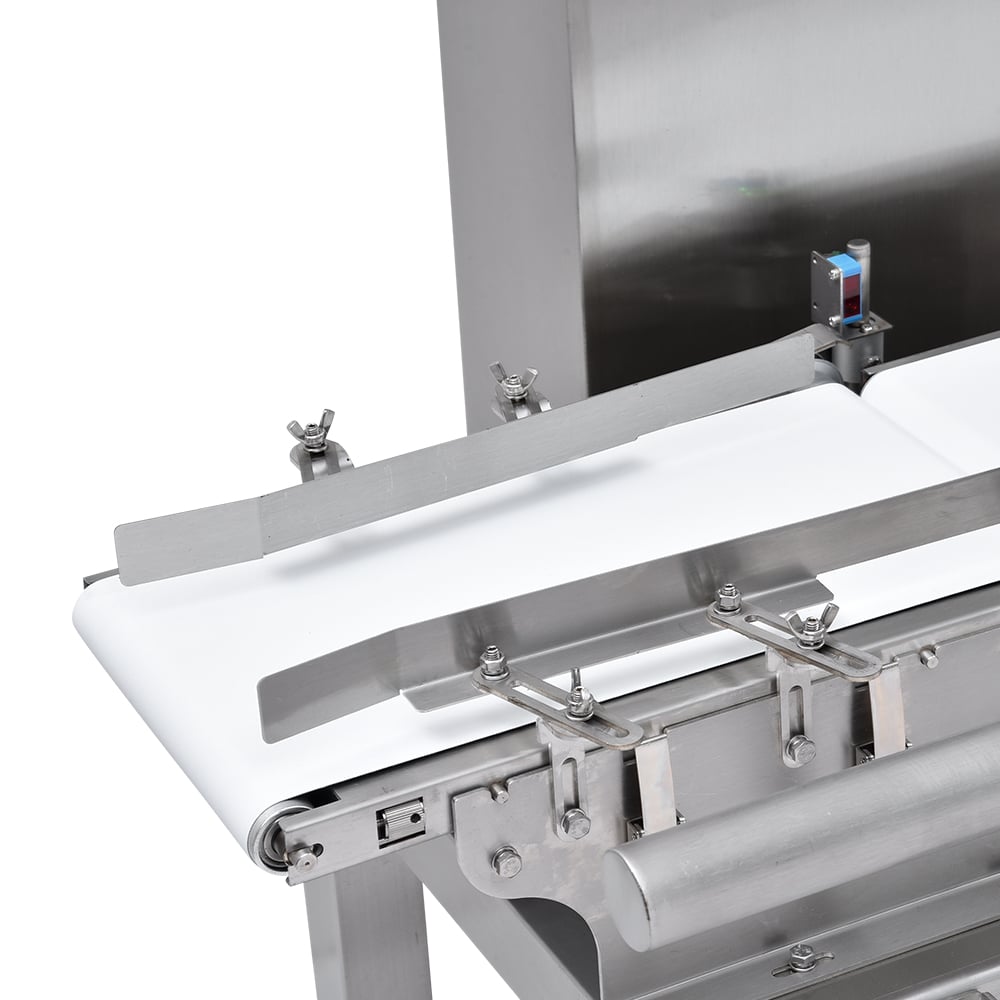
Regular operational testing of a metal detector is essential for maintaining product safety, regulatory compliance, and equipment reliability across food processing, pharmaceutical manufacturing, and industrial production environments. A metal detector serves as the frontline defense against physical contamination, but only when it functions at peak performance. Without consistent daily testing protocols, equipment drift, sensitivity loss, and false detection rates can compromise the entire quality assurance system and expose your operation to serious compliance violations and customer safety risks.
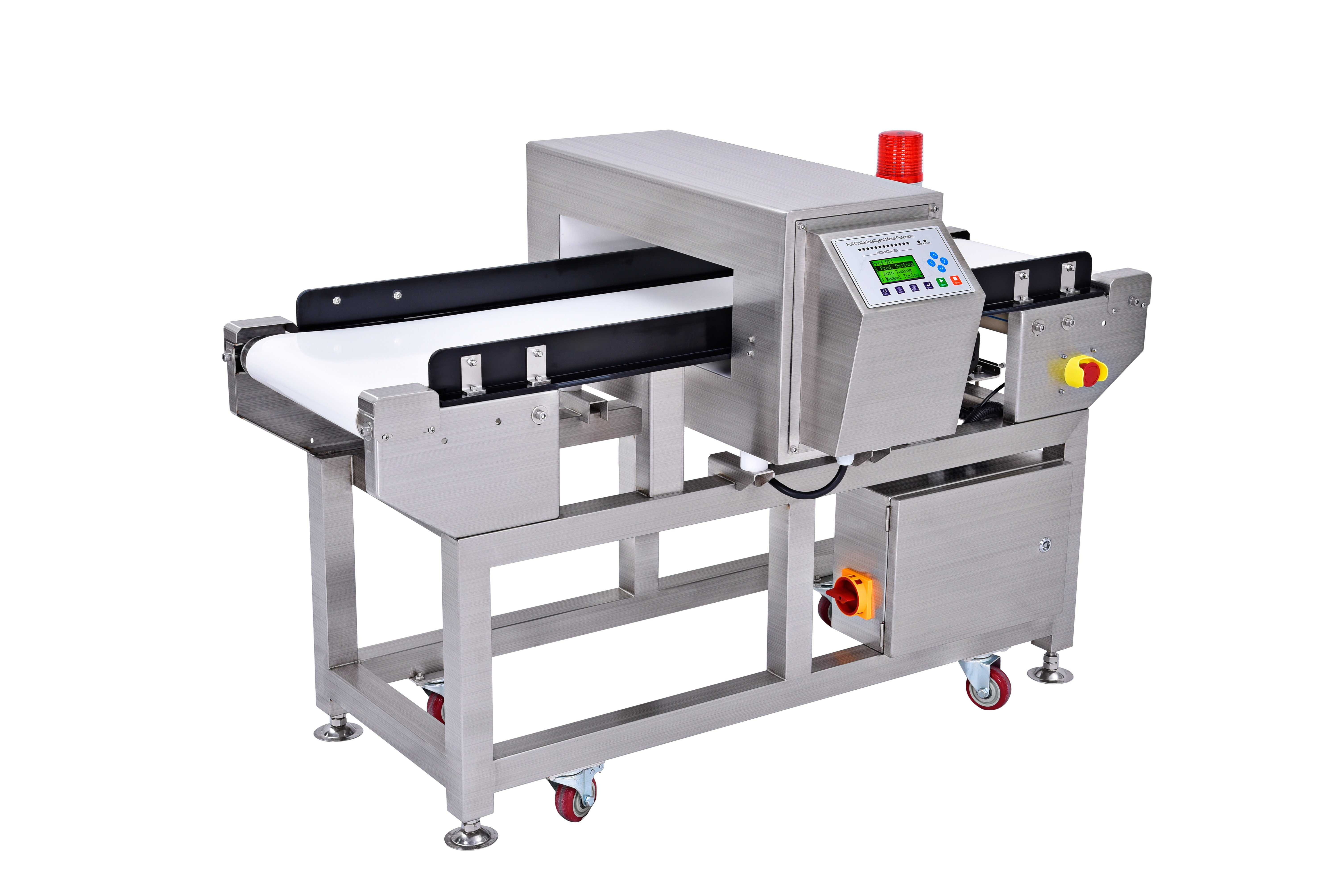
An industrial metal detector requires systematic verification each shift to confirm sensitivity thresholds, detection accuracy, and signal integrity remain within specification. Daily testing transforms a passive piece of equipment into an active, trusted control point. This article outlines the operational testing best practices that production teams should implement to maximize contamination detection effectiveness, reduce false rejections, and demonstrate due diligence during audits and regulatory inspections.
Pre-Shift Verification and Equipment Baseline Checks
Establishing the Daily Testing Foundation
Before production begins, conduct a physical inspection of your food metal detector unit to verify power status, cable connections, and display readiness. Ensure the housing is clean and free from dust, moisture, or residual product buildup that could interfere with sensor accuracy. Check that all access panels are properly sealed and that no environmental factors—such as nearby electromagnets, radio transmitters, or metal structures—are generating electromagnetic interference that might degrade an industrial metal detector's performance.
Log baseline calibration values from the previous shift and compare them to current readings. If an industrial metal detector displays calibration drift, investigate the root cause before running production. Document the baseline sensitivity setting, gain level, and threshold tolerance. This documentation creates a audit trail that demonstrates your commitment to contamination detection integrity and provides evidence of preventive maintenance during regulatory inspections.
Using Test Standards for Repeatability
Employ standardized test samples—such as ferrous, non-ferrous, and stainless steel spheres of defined sizes—to verify that your food metal detector detects contaminants reliably. Pass test materials through the detection zone at a consistent speed and record whether the unit triggers an alarm within the expected timeframe. Repeat the test at least three times per shift using the same test standard to ensure repeatability and to identify intermittent sensor failures that might otherwise go unnoticed.
Keep test samples organized, labeled, and stored in a controlled manner to prevent loss or contamination that might compromise accuracy. A food metal detector's sensitivity can degrade if test materials become corroded or tarnished, so inspect your test standards regularly and replace them according to manufacturer guidelines. These simple practices ensure that your contamination detection results remain valid and defensible during third-party audits.
In-Process Monitoring and Sensitivity Adjustment
Running Mid-Shift Validation Tests
Conduct abbreviated validation tests every two to four hours during production to confirm that your metal detector sensitivity has not drifted due to temperature changes, vibration, or electromagnetic noise fluctuations. The frequency of mid-shift testing depends on production volume, product type, and the criticality of contamination detection in your process. High-speed production lines or operations handling pharmaceutical products or infant formula should test more frequently to maintain contamination detection confidence.
Record detection speed, false positive rates, and any alarms triggered by test materials. If an industrial metal detector begins to show delayed response or missed detections, stop production immediately and recalibrate sensitivity settings. Waiting until end-of-shift to address sensitivity issues risks allowing contaminated product to reach customers, so empower production staff to perform quick validation checks and escalate concerns to maintenance without delay.
Temperature and Environmental Factor Management
Metal detector performance is influenced by ambient temperature, humidity, and nearby electrical equipment. A food metal detector installed near high-voltage cables, refrigeration units, or metal framing may experience intermittent contamination detection failures if environmental conditions fluctuate. Document environmental parameters—air temperature, humidity, and electrical noise levels—alongside your daily test results to establish correlations between environmental factors and detection accuracy.
If your production facility experiences significant temperature swings or operates equipment that generates electromagnetic interference, invest in environmental shielding or relocate the industrial metal detector away from known interference sources. Some facilities schedule more frequent validation tests during seasons or times when environmental volatility is highest, ensuring that contamination detection remains reliable year-round.
End-of-Shift Documentation and Preventive Action Planning
Comprehensive Testing Logs and Trend Analysis
Record all daily test results in a centralized log that tracks sensitivity readings, detection pass/fail outcomes, environmental conditions, and any corrective actions taken. Over time, this log reveals trends—such as gradual sensitivity drift or recurring false rejections—that signal the need for preventive maintenance before an industrial metal detector fails completely. Analyze monthly trends to identify whether your metal detector calibration is stable or requires proactive adjustment.
Share testing logs with your maintenance team so they can schedule preventive service—such as probe cleaning, internal component inspection, or calibration verification—during planned downtime rather than waiting for emergency repairs. A food metal detector that receives regular preventive attention based on trend analysis delivers superior contamination detection reliability and minimizes unplanned production interruptions.
Corrective Action and Equipment Replacement Decisions
If daily testing reveals that an industrial metal detector consistently fails to detect test materials or exhibits erratic behavior despite recalibration, escalate the issue to a qualified service technician immediately. Some equipment faults—such as corroded connectors, internal probe damage, or failing signal conditioning circuits—cannot be resolved through operator-level testing and require professional repair or replacement to restore contamination detection performance.
Document the decision to remove a metal detector from service, the reason for decommissioning, and the corrective action taken. This documentation demonstrates due diligence to regulators and protects your facility during product liability investigations. Never operate an industrial metal detector that fails validation testing, as doing so creates false confidence in contamination detection and exposes your operation to serious regulatory and safety consequences.
FAQ
How often should daily operational testing of a metal detector occur during a production shift?
Most regulatory guidelines and industry best practices recommend validation testing at the beginning of each shift, at least once every two to four hours during production, and at the end of each shift. High-speed lines, pharmaceutical applications, and operations with strict contamination detection requirements may benefit from hourly testing. The frequency should be documented in your quality control procedure and justified based on product risk and production volume.
What test materials should be used to validate an industrial metal detector's contamination detection capability?
Use standardized test spheres manufactured from ferrous steel, non-ferrous metals such as aluminum or copper, and stainless steel in sizes specified by your metal detector manufacturer—typically 2mm to 6mm diameter. These materials simulate common contaminants and verify that your industrial metal detector sensitivity covers the full spectrum of potential metallic hazards. Ensure test materials are stored separately from production areas and replaced periodically to prevent corrosion or damage that would compromise their accuracy.
What should be done if a food metal detector fails to detect test materials during shift testing?
Stop production immediately and take the metal detector offline until you have successfully recalibrated sensitivity settings or determined that a maintenance issue requires professional service. Notify your quality assurance team and production supervisor of the failure, document the reason, and do not resume production until contamination detection reliability has been restored and validated. This conservative approach prevents contaminated product from reaching customers and demonstrates your commitment to food safety and regulatory compliance.
Table of Contents
- Pre-Shift Verification and Equipment Baseline Checks
- In-Process Monitoring and Sensitivity Adjustment
- End-of-Shift Documentation and Preventive Action Planning
-
FAQ
- How often should daily operational testing of a metal detector occur during a production shift?
- What test materials should be used to validate an industrial metal detector's contamination detection capability?
- What should be done if a food metal detector fails to detect test materials during shift testing?