 EN
EN


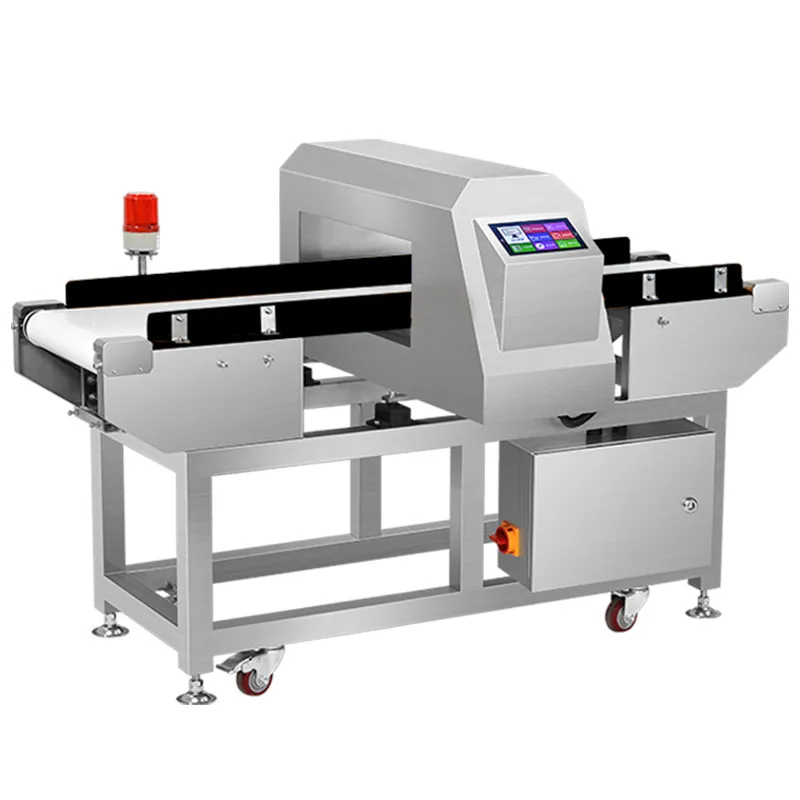
In modern food manufacturing, contamination detection has become critical to maintaining consumer safety and regulatory compliance. An aluminum foil metal detector serves as the foundation of effective quality control systems, particularly when dealing with sealed trays that contain metallic or metallized film components. The integration of rejection systems with metal detection technology ensures that contaminated products never reach consumers, protecting brand reputation and meeting strict regulatory standards.
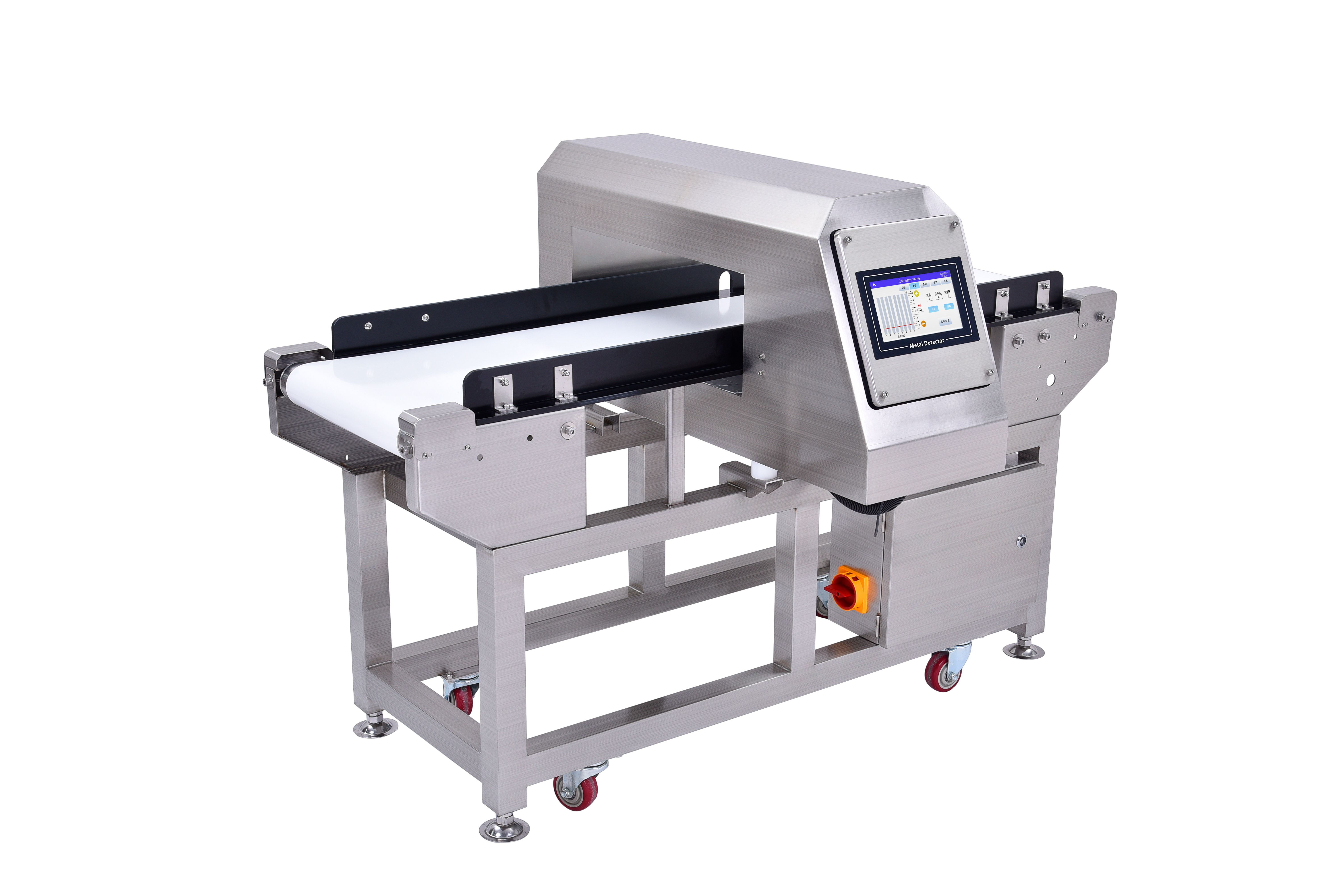
Sealed tray packaging presents unique challenges for metal detection systems because aluminum foil, plastic films, and metallized materials can interfere with traditional detection methods. By combining advanced metallized film detector technology with automated rejection mechanisms, food processors can achieve reliable contamination control without slowing production lines or compromising product integrity. This comprehensive approach to packaged food inspection transforms how manufacturers handle quality assurance in high-speed production environments.
Understanding Metal Detection in Sealed Tray Applications
The Role of Aluminum Foil Metal Detector Technology
An aluminum foil metal detector operates by generating electromagnetic fields that identify conductive and ferrous materials within sealed packaging. Unlike conventional metal detectors, this specialized system can distinguish between harmless packaging materials and actual contaminants, significantly reducing false rejections that waste product. The metallized film detector component specifically addresses the interference caused by metallic coatings on plastic films, a common obstacle in sealed tray production.
The sensitivity calibration of these systems is crucial for detecting even tiny metal fragments while maintaining accuracy in sealed tray environments. Modern aluminum foil metal detector units feature frequency modulation and sensitivity tuning that account for the electromagnetic properties of different packaging materials. This precision ensures that metal detection achieves reliable results across various sealed tray formats, thicknesses, and contents without requiring constant recalibration.
Challenges Specific to Sealed Tray Packaging
Sealed trays containing food products often present signal noise from the packaging itself, making metal detection more difficult than with open or semi-transparent packaging. Metallized film detector systems must overcome this challenge by using advanced signal processing algorithms that filter out packaging interference while maintaining sensitivity to actual contamination. The hermetic seal of trays also means that rejected products cannot be easily inspected or repacked, making accurate detection on the first pass essential.
Temperature fluctuations during storage and transport can affect the electromagnetic response of detection equipment, particularly in sealed tray scenarios where thermal changes occur within the package. Professional packaged food inspection systems therefore incorporate temperature compensation features that maintain consistent detection performance across varying environmental conditions, ensuring that metal detection accuracy remains constant throughout the production day.
Integration of Rejection Systems with Metal Detection
Automated Rejection Mechanisms for Sealed Trays
When an aluminum foil metal detector identifies contamination in a sealed tray, the rejection system must act instantly to remove the product from the production line. Pneumatic ejectors, mechanical pushers, and conveyor diverters are common rejection technologies that work in conjunction with metal detection equipment. The metallized film detector signal triggers these mechanisms with millisecond precision, ensuring that contaminated trays never progress to packaging or distribution stages.
The effectiveness of rejection systems depends on proper synchronization with conveyor speed and product spacing. Advanced packaged food inspection setups incorporate encoder feedback that tracks product position in real-time, allowing rejection mechanisms to target specific trays accurately even at high line speeds. Integration between the aluminum foil metal detector and rejection hardware ensures that false positives are minimized while legitimate contamination is captured consistently.
System Architecture and Data Integration
Modern metal detection systems collect data on rejection events, false positives, and detection sensitivity trends, providing manufacturers with actionable insights for continuous improvement. The integration of metallized film detector outputs with production management systems enables real-time monitoring of packaged food inspection performance and helps identify potential equipment issues before they impact product quality. Traceability features allow manufacturers to link detected contamination to specific production batches, facilitating rapid response and root cause analysis.
Cloud-based or on-site data logging systems create permanent records of all metal detection events, supporting regulatory compliance and documentation requirements. When rejection systems are integrated with this data infrastructure, manufacturers gain complete visibility into contamination incidents and can demonstrate due diligence in their quality assurance processes. This integration transforms metal detection from a simple pass-fail checkpoint into a strategic quality management tool.
Optimizing Performance for Different Sealed Tray Formats
Calibration Strategies for Variable Packaging Materials
Different sealed tray materials—aluminum foil, metallized polyester, coated plastics—require specific calibration protocols to ensure the aluminum foil metal detector functions optimally. The metallized film detector component must distinguish between these packaging materials and actual foreign metal objects, a task that demands precise sensitivity tuning and frequency selection. Regular calibration using reference samples ensures that the system maintains consistent detection capability across product changeovers and material variations.
Manufacturers should establish documented calibration procedures that account for the electromagnetic properties unique to each sealed tray format used in their facility. By maintaining detailed records of calibration settings for different packaging types, production teams can quickly restore optimal metal detection performance when transitioning between product lines. This systematic approach to packaged food inspection reduces downtime and ensures consistent contamination control across all sealed tray applications.
Maintenance and Reliability Considerations
The aluminum foil metal detector requires regular preventive maintenance to ensure reliable performance, including cleaning of detection heads, verification of rejection mechanism functionality, and inspection of conveyor alignment. Accumulated metal debris or packaging residue on detection sensors can degrade the metallized film detector's ability to identify contaminants, making routine maintenance essential for sustaining high detection standards. Scheduled maintenance windows should be incorporated into production planning to minimize disruption while maintaining quality assurance.
Training operators and maintenance technicians on proper use and care of metal detection equipment directly impacts long-term system reliability. Understanding how to troubleshoot common issues, interpret diagnostic feedback, and perform routine calibration ensures that the packaged food inspection system operates at peak performance. Investing in comprehensive training reduces unexpected downtime and maximizes the return on investment in advanced detection technology.
FAQ
What is the primary advantage of integrating a rejection system with an aluminum foil metal detector?
The primary advantage is automatic contamination removal at production speed, preventing defective products from reaching consumers and eliminating the need for manual sorting. When an aluminum foil metal detector identifies metal fragments in sealed trays, the integrated rejection system instantly removes the product, maintaining production efficiency while ensuring quality compliance. This automated approach to packaged food inspection protects brand reputation and reduces liability associated with contamination incidents.
How does a metallized film detector differ from standard metal detection equipment?
A metallized film detector is specifically engineered to operate effectively in the presence of conductive packaging materials like aluminum foil and metallized plastic films. Standard metal detectors often struggle with false positives when scanning sealed trays because the packaging materials generate electromagnetic signals that can overwhelm contaminant detection. The specialized design of a metallized film detector uses advanced signal filtering and frequency modulation to distinguish between packaging and actual contaminants, making it essential for reliable packaged food inspection in sealed tray applications.
What maintenance intervals should be followed for an aluminum foil metal detector system?
Most manufacturers recommend daily cleaning of detection heads, weekly sensitivity verification using reference samples, and monthly comprehensive system diagnostics. The aluminum foil metal detector should be recalibrated whenever production switches between different sealed tray formats or packaging materials to ensure consistent metal detection accuracy. Annual professional servicing by qualified technicians helps identify wear components and ensures long-term reliability of the packaged food inspection system, preventing unexpected failures during critical production runs.