 EN
EN


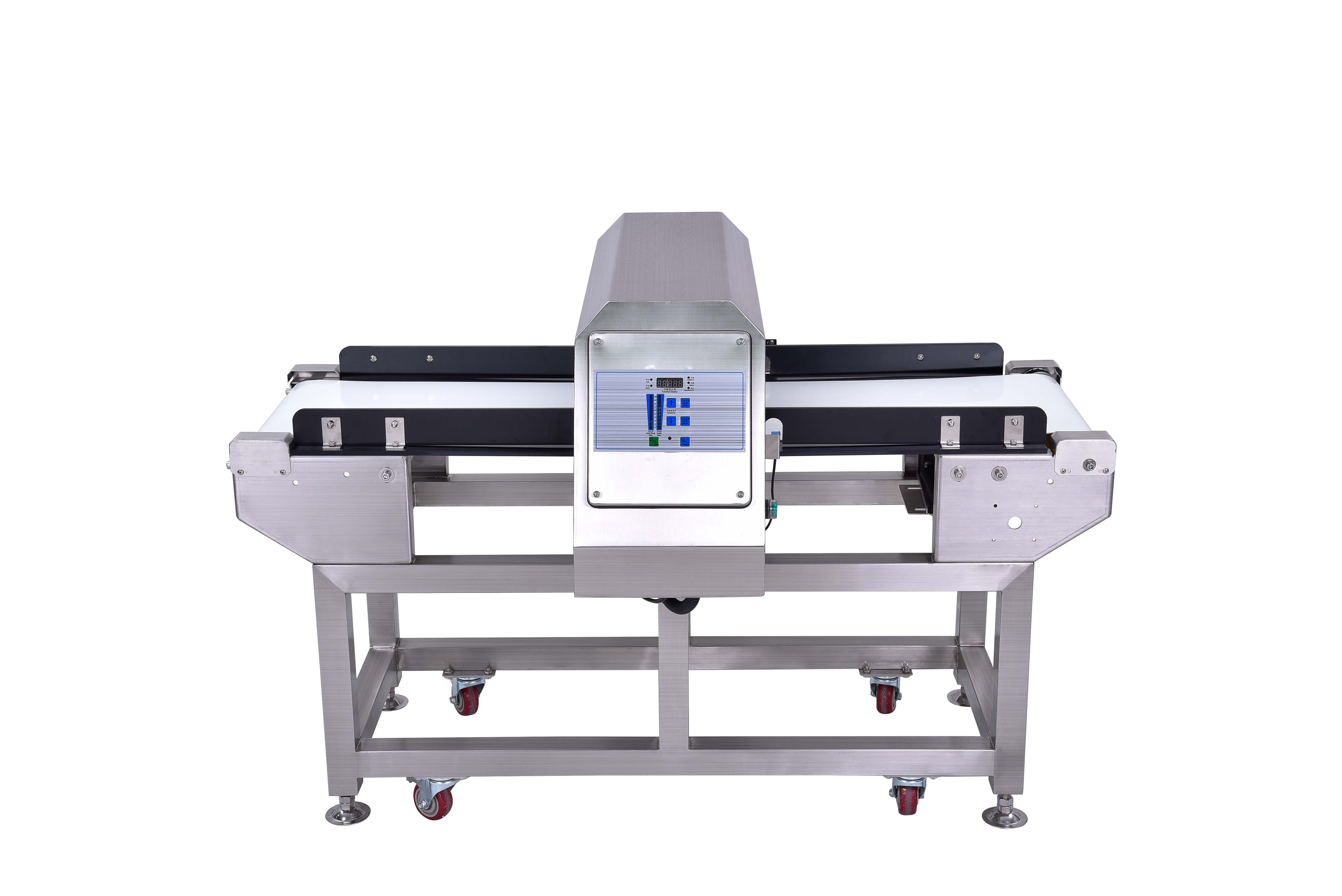
The aluminum foil metal detector has become essential in food processing facilities where packaging materials themselves create detection challenges. When aluminum foil or metallized film wraps products, traditional metal detection becomes unreliable because the conductive packaging generates background noise that masks actual contamination signals. Auto-balance stability is the critical feature that allows these specialized systems to distinguish between packaging interference and genuine metal hazards, making it a key evaluation criterion for quality assurance teams.
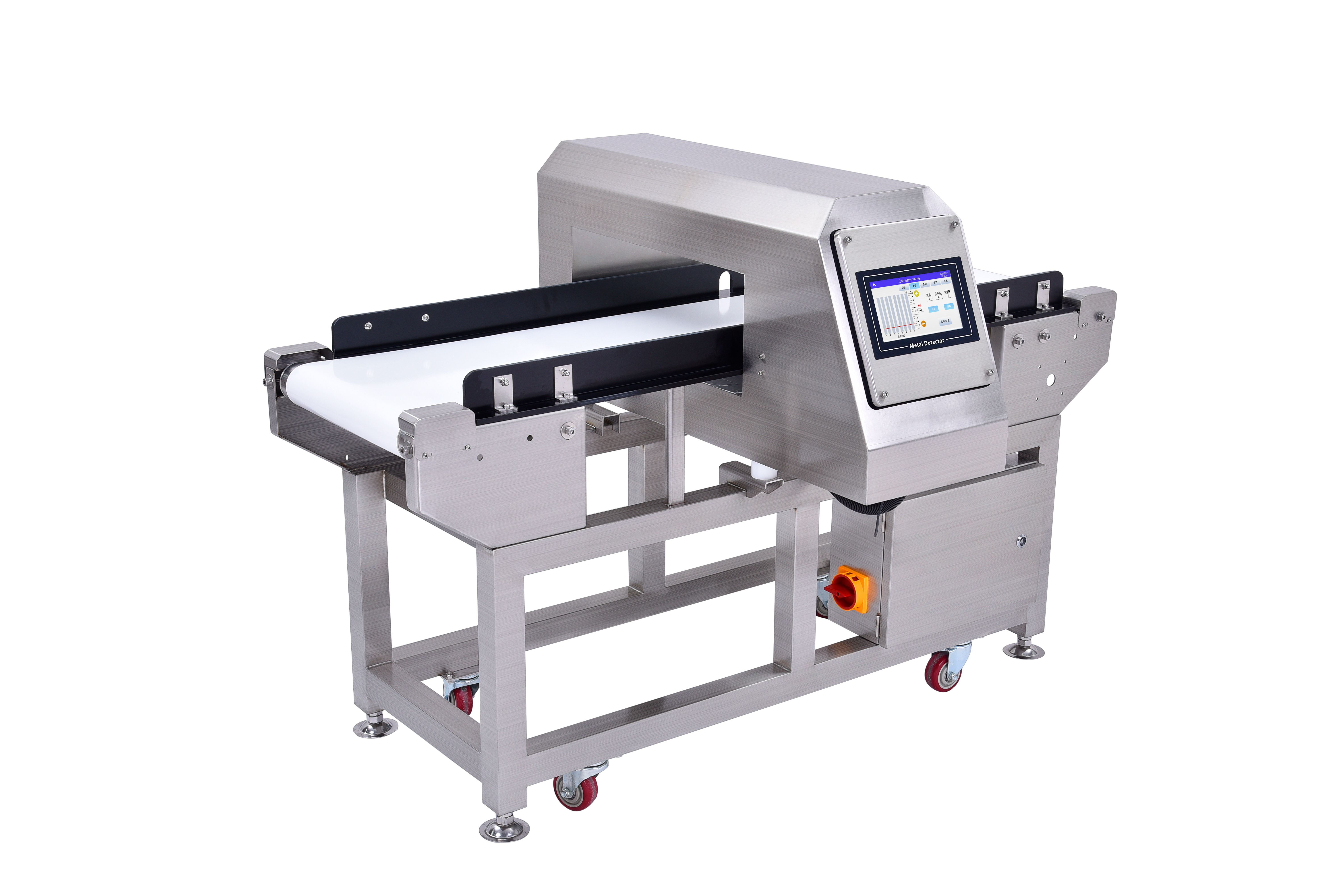
Evaluating auto-balance stability requires understanding how metal detection works in aluminum-wrapped environments. The system must continuously recalibrate its baseline sensitivity to account for packaging variables while remaining responsive to contamination events. Poor auto-balance performance leads to false rejections that waste product, missed detections that threaten consumer safety, or both. This article explores the technical factors that define stability in aluminum foil metal detector units and provides practical evaluation methods for packaged food inspection applications.
Understanding Auto-Balance Mechanisms in Metal Detection
How Auto-Balance Compensation Works
Auto-balance is a dynamic calibration process built into advanced metal detection systems. When an aluminum foil metal detector operates, it generates a baseline electromagnetic field and measures signal response from passing products. In systems with aluminum foil or metallized film, the conductive packaging creates a strong baseline response that can overwhelm a metal contamination signal. Auto-balance actively adjusts the system's operating parameters to subtract this packaging interference, revealing true metal objects beneath.
The mechanism works by measuring product-to-product signal variation and filtering out consistent packaging effects. A metallized film detector must distinguish between the predictable aluminum layer and unexpected ferrous or non-ferrous metals. Stability in this process means the system maintains accurate baseline corrections across thousands of products without drift, false triggers, or sensitivity loss. Metal detection reliability depends directly on the precision and consistency of the auto-balance function.
Baseline Signal Reference in Packaged Food Inspection
For packaged food inspection, the auto-balance system creates a reference baseline by scanning empty product cavities or known-good samples. This baseline becomes the target for continuous compensation. As each wrapped product moves through the detection zone, the system calculates the difference between the current signal and the stored baseline. A stable aluminum foil metal detector maintains this reference reliably even when packaging thickness, moisture content, or product density varies within normal manufacturing tolerances.
Baseline drift occurs when environmental factors like temperature fluctuations or electrical noise accumulate over time, gradually shifting the reference point. Without robust auto-balance stability, the system either becomes oversensitive and rejects good product or undersensitive and misses small metal contamination. The metallized film detector must continuously verify its own baseline accuracy and automatically correct minor deviations to maintain detection performance throughout an entire production shift.
Key Stability Factors and Performance Indicators
Response Time and Consistency Metrics
Stability in an aluminum foil metal detector is measured by how quickly and consistently the system responds to repeated signals. Response consistency refers to the statistical variation in detection sensitivity when identical products pass through multiple times. A stable system shows less than 5% signal variation across consecutive scans of the same product. Response time measures how fast the auto-balance adjusts when system conditions change, such as when different product types enter the line or environmental temperature rises.
Metal detection performance depends on this stability foundation. If response times are erratic, the system cannot reliably confirm contamination before the product advances to the next stage. Consistency metrics like signal-to-noise ratio and baseline standard deviation indicate whether the auto-balance compensation is holding steady. Quality teams should monitor these metrics continuously; degradation over hours or days signals aging electronics or calibration drift that requires service intervention.
Temperature Sensitivity and Environmental Adaptation
Thermal drift is a primary cause of auto-balance instability in metal detection systems. Electronic components in the detector head change frequency response as temperature rises, shifting the baseline and reducing sensitivity. A high-stability aluminum foil metal detector includes thermal compensation circuitry that adjusts auto-balance settings based on actual head temperature. The system should maintain detection performance across at least a 10 to 15 degree Celsius operational window without manual recalibration.
Environmental noise from nearby machinery, electrical cables, or switching equipment can also degrade auto-balance stability. Advanced metallized film detector units incorporate filtering and shielding to reject external interference and maintain clean signal paths. When evaluating packaged food inspection systems, operators should test performance in actual production environments, not just clean laboratory conditions. Field validation reveals whether the system's auto-balance proves robust enough for real-world challenges.
Evaluation Methods and Testing Protocols
Practical Testing Procedures for Stability Assessment
Evaluating auto-balance stability begins with a standardized product run test. Operators pass a representative aluminum foil metal detector sample—such as a wrapped product of standard mass and density—through the system fifty times without adjustment. They record the signal output for each pass and calculate the standard deviation and coefficient of variation. A stable system maintains variation below 3%, indicating reliable auto-balance performance during metal detection operations across multiple cycles.
Temperature stability testing simulates real production conditions. Start the equipment with a cold baseline, then run representative packaged food inspection samples at ambient temperature, elevated temperature, and after extended operation. Compare signal outputs across these conditions to assess thermal compensation effectiveness. If sensitivity drifts more than 10% between cold startup and normal operation, the aluminum foil metal detector's auto-balance may be inadequate for your facility's environmental range.
Contamination Detection Repeatability
The ultimate stability indicator is detection repeatability with metal contamination. Engineers prepare calibrated metal test pieces—typically small ferrous and non-ferrous samples of fixed mass—and insert them into sample products at the same location. Running these seeded samples through the detector ten times should yield 100% detection with consistent signal output. Any variation in alarm trigger thresholds or missed detections indicates unstable auto-balance that could allow real contamination to pass undetected during metal detection cycles.
For metallized film detector evaluation, test both ferrous metals (steel, iron) and non-ferrous contaminants (aluminum shavings, copper fragments) common in food processing. The system must maintain sensitivity to both types despite the conductive aluminum foil packaging. Performance should remain consistent whether products move continuously or with pauses between units, proving the auto-balance adapts reliably during actual production variability in packaged food inspection environments.
FAQ
What causes auto-balance drift in aluminum foil metal detector systems?
Auto-balance drift typically results from thermal changes in the detector electronics, aging of signal processing components, or accumulated environmental interference. Temperature fluctuations cause the most significant drift; even small changes in ambient conditions can shift the baseline by several percentage points. Electromagnetic noise from nearby electrical equipment, inadequate shielding in installation, or degraded cable connections also contribute to instability. Regular maintenance, proper environmental control, and periodic recalibration help minimize drift in metal detection performance.
How often should auto-balance be recalibrated during production runs?
For most packaged food inspection applications, auto-balance recalibration should occur at the start of each shift or every 8 hours of continuous operation, whichever comes first. If the facility experiences significant temperature swings or operates in high-noise environments, more frequent recalibration—every 4 hours—may be necessary. A stable aluminum foil metal detector with robust auto-balance should require recalibration no more than once daily under normal conditions. Operators should establish baseline signal readings at startup and compare them hourly; if variation exceeds 5%, stop production and perform a full recalibration before resuming metal detection.
Can poor auto-balance stability be fixed through software adjustment alone?
Software tuning can improve auto-balance stability only if the underlying hardware remains sound and properly installed. Optimizing filter settings, increasing averaging cycles, or adjusting sensitivity thresholds may restore performance if drift is mild. However, if the detector head has aged components, intermittent electrical connections, or inadequate shielding, software alone cannot restore stability in an aluminum foil metal detector or metallized film detector. Permanent stability improvements usually require hardware upgrades, service-level component replacement, or facility modifications like improved power conditioning and electromagnetic shielding for reliable packaged food inspection operations.