 EN
EN


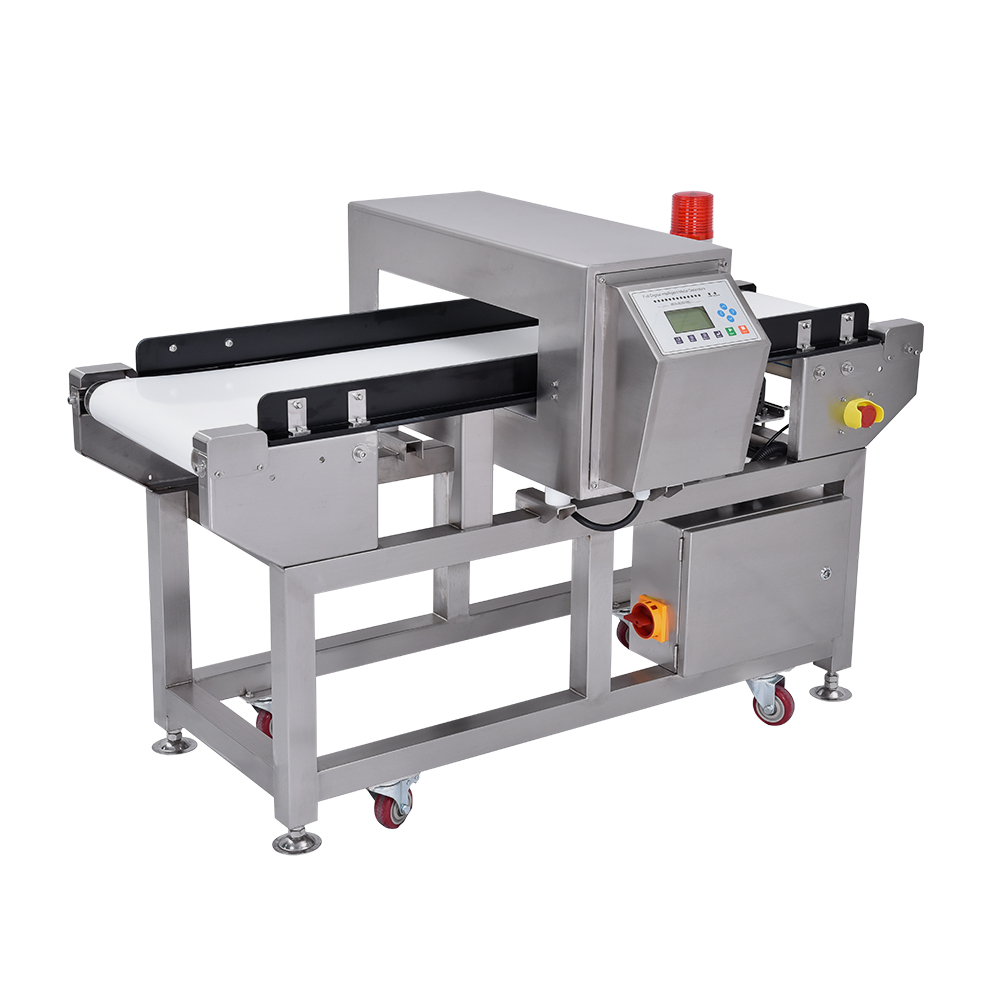
Zero point drift represents one of the most common calibration challenges faced by production facilities using checkweigher systems on packaging lines. This issue occurs when a checkweigher scale fails to maintain its baseline reference point, causing inaccurate weight readings even when no product is present on the platform. Understanding the root causes and implementing systematic troubleshooting procedures is essential for maintaining product quality, regulatory compliance, and operational efficiency in high-speed packaging environments.

When zero point drift occurs on a dynamic scale used for weight inspection, the checkweigher continuously reads phantom weight values, leading to systematic product rejections or acceptance of underweight items. This directly impacts your packaging line efficiency, increases waste, and creates compliance risks with food safety and consumer protection regulations. Addressing zero point drift requires a structured approach that combines preventative maintenance, environmental control, proper calibration procedures, and sensor diagnostics.
Identifying and Detecting Zero Point Drift
Recognition Patterns on Checkweigher Systems
Zero point drift manifests through specific observable patterns on packaging line scales. When you perform an empty pan check on your checkweigher, you should see a reading of zero grams or the configured zero reference point. If the display consistently shows positive or negative values without product present, zero point drift is occurring. This condition worsens gradually, meaning that a checkweigher showing 2 grams of drift today may show 5 grams tomorrow without intervention.
The best detection method involves establishing a baseline by performing tare function tests at the beginning of each shift. Modern weight inspection systems include diagnostic logs that track zero point stability over time. If your dynamic scale logs show increasing variance in zero reference readings across consecutive measurement cycles, you have confirmed zero point drift. Many operators miss this issue because they assume occasional weight inspection errors are product-related rather than scale-related, allowing drift to accumulate unchecked on the packaging line.
Environmental and Operational Factors
Temperature fluctuations represent a primary environmental cause of zero point drift on checkweigher platforms. As surrounding air temperature changes, the internal electronic components and sensor materials expand or contract, shifting the scale's zero reference point. If your packaging line facility experiences significant temperature variations between early morning startup and peak afternoon operation, this thermal effect will influence your checkweigher's calibration stability. Similarly, vibration from adjacent machinery, conveyor line movement, or floor-mounted equipment transmits through the scale platform, degrading zero point accuracy.
Humidity exposure also contributes to zero point drift on dynamic scales used for weight inspection. Moisture accumulation in electronic compartments causes corrosion and sensor malfunction. If your packaging line operates in a humid environment or near washing stations, moisture ingress becomes a critical risk factor for your checkweigher. Electrical interference from nearby equipment generates electromagnetic noise that affects sensor output, particularly on unshielded installations. Documenting these environmental conditions helps distinguish between equipment-caused drift and facility-caused drift on your packaging line scale.
Root Causes and Diagnostic Procedures
Sensor and Load Cell Degradation
The load cell inside your checkweigher forms the mechanical foundation of weight measurement accuracy. Over time, load cells experience material fatigue, internal crystalline degradation, and solder joint deterioration that gradually reduce measurement consistency. A checkweigher with a degraded load cell will exhibit increasing zero point drift, especially when subject to repetitive dynamic loading as products pass across the packaging line scale platform. Diagnostic verification requires disconnecting the load cell and measuring its resistance with a multimeter; deviation from manufacturer specifications indicates internal failure requiring replacement.
Signal conditioning electronics amplify the small electrical output from load cells into usable weight values. A checkweigher's amplifier circuit can develop capacitor aging, reference voltage drift, or component thermal sensitivity that manifests as zero point instability. When troubleshooting zero point drift, measure the amplifier output signal with an oscilloscope to confirm signal stability when no load is present on the packaging line scale. If the signal fluctuates or drifts rather than remaining constant, the signal conditioning module requires calibration or replacement on your checkweigher.
Calibration and Mechanical Alignment Issues
Incorrect calibration procedures rank among the most common causes of persistent zero point drift on checkweigher systems. If your weight inspection protocol skips proper zeroing steps or uses incorrect calibration weights for your packaging line's dynamic scale, the checkweigher develops systematic offset errors. Mechanical misalignment occurs when the scale platform tilts due to foundation settling, bolt loosening, or improper installation. Even a 1-degree tilt significantly affects zero point accuracy on a checkweigher used for weight inspection, causing gravity to create a false downward force that the packaging line scale interprets as phantom product weight.
Debris accumulation under the platform or around load cell mounting points introduces mechanical binding that prevents proper load cell movement. When particles become trapped between the scale platform and frame on your checkweigher, the load cell cannot respond freely to weight changes, producing erratic readings on your weight inspection system. Regular cleaning and visual inspection of mechanical interfaces on your packaging line scale prevent this common source of zero point drift and calibration errors.
Systematic Troubleshooting and Resolution Strategies
Step-by-Step Diagnostic Protocol
Begin troubleshooting by documenting the current zero point reading on your checkweigher without any load on the packaging line scale platform. Record this baseline, then verify ambient temperature and humidity conditions in your facility. Allow the checkweigher to stabilize for 15 minutes without operation, then check the zero point reading again. If the reading has changed, thermal drift is likely contributing to your weight inspection accuracy problem. Next, visually inspect the scale platform for debris, corrosion, or mechanical damage that could affect your packaging line's dynamic scale performance.
Perform a controlled tare reset cycle following the manufacturer's procedure specific to your checkweigher model. This reinitializes the reference point without requiring external calibration weights. If zero point drift persists after taring, the issue likely resides in the sensor or electronic circuit rather than procedural error on your weight inspection system. For advanced diagnostics on your packaging line scale, access the checkweigher's diagnostic menu to retrieve historical zero point data and error logs that reveal the temporal pattern of drift occurrence, helping you distinguish between sudden electronic failure and gradual sensor degradation.
Corrective Actions and Preventative Measures
Once you have identified the zero point drift source on your checkweigher, implement the appropriate correction. If thermal effects are causing drift on your packaging line's dynamic scale, install thermal compensation or allow extended warm-up time before production start. If sensor degradation is confirmed, replace the load cell with an identical calibrated unit, ensuring proper installation and electrical connection for your weight inspection system. If amplifier circuit problems exist in your checkweigher, request factory recalibration or component replacement from the manufacturer to restore your packaging line scale accuracy.
Establish preventative maintenance that checks zero point stability weekly on your checkweigher system. Maintain facility temperature control within the manufacturer's specified operating range for your weight inspection equipment. Clean the packaging line scale platform and load cell mounting area every shift using appropriate materials that do not introduce static electricity. Document all calibration events and zero point readings to track long-term trends on your checkweigher. Implement shielding measures around your dynamic scale if electromagnetic interference from packaging line equipment is confirmed. These systematic actions significantly reduce future zero point drift occurrences on your weight inspection platform.
FAQ
How often should I calibrate my checkweigher to prevent zero point drift?
Most manufacturers recommend daily zero point verification for checkweigher systems and full recalibration with certified weights weekly or monthly depending on packaging line speed and product variability. High-speed dynamic scale operations benefit from zero checks at shift start and mid-shift for weight inspection applications. Your facility's specific environment, equipment usage intensity, and regulatory requirements determine the optimal calibration interval for your packaging line's checkweigher.
Can zero point drift on a checkweigher cause product liability issues?
Yes, undetected zero point drift on a checkweigher directly causes systematic product underweight or overweight conditions, creating liability exposure and regulatory violations. If your packaging line scale has been malfunctioning and consistently producing underweight packages, consumers and regulatory agencies can pursue claims. Maintaining calibrated checkweigher systems with documented zero point verification logs demonstrates due diligence and protects your business legally when weight inspection accuracy is questioned.
What is the difference between zero point drift and span drift on a dynamic scale?
Zero point drift affects the baseline reference (readings at empty state), while span drift affects the scale's response to increasing loads on your checkweigher. A weight inspection system experiencing zero point drift alone might show phantom weight, but accuracy at mid-range and top-range loads remains acceptable. Your packaging line scale experiencing span drift shows accurate zero readings but incorrect values at certain weight ranges. Both conditions require distinct calibration corrections on your checkweigher to restore proper function.