 EN
EN


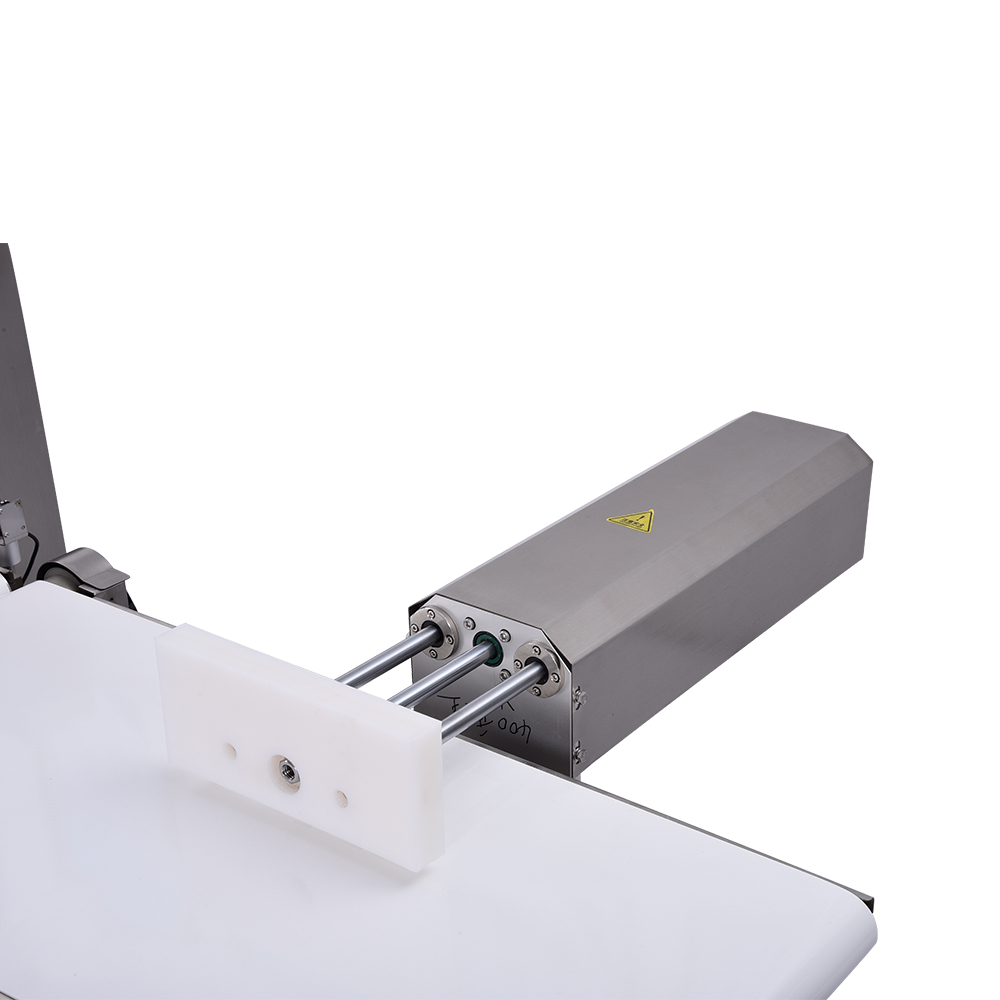
Integrating safety interlocks with conveyor belt metal detectors represents a critical advancement in production line safety and product integrity management. This integration ensures that contaminated or unsafe products are not only detected but immediately removed from circulation, while protective systems automatically activate to prevent operator exposure and equipment damage. In modern manufacturing environments where regulatory compliance and consumer safety are non-negotiable, this combination creates a comprehensive defense layer that goes beyond simple detection to active hazard containment and prevention.
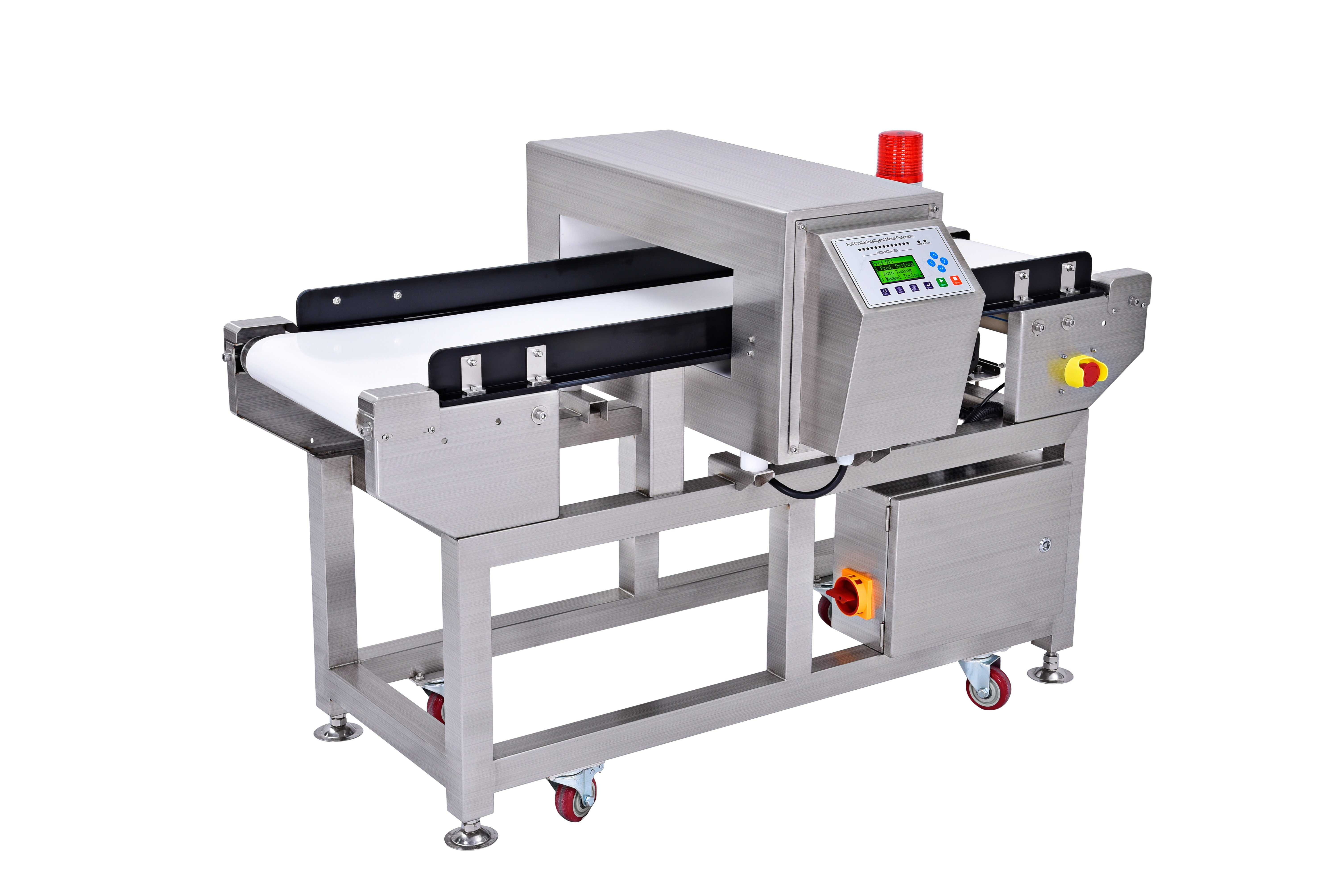
The synergy between interlock systems and metal detection technology transforms how facilities manage both foreign material threats and operational risks. When a tunnel metal detector identifies ferrous, non-ferrous, or stainless steel contamination, the linked interlock system can immediately stop the conveyor line, trigger alarm notifications, and initiate containment protocols without requiring manual operator intervention. This automated response significantly reduces reaction time, minimizes the volume of potentially contaminated product that continues downstream, and creates a documented audit trail for regulatory agencies and quality assurance teams.
Understanding Safety Interlocks in Metal Detection Systems
Core Functions of Interlock Integration
Safety interlocks function as active gates between detection and response, ensuring that conveyor belt metal detectors trigger protective actions automatically when threats are identified. A packaging line detector with integrated interlock capabilities can halt production immediately upon metal detection, preventing contaminated items from reaching consumers or causing damage to downstream equipment. This immediate response is particularly valuable in pharmaceutical, food processing, and automotive supply chains where a single contaminated unit can trigger recalls, regulatory action, or consumer harm. The interlock system also serves as a safeguard against operator override or complacency, since the mechanical or electrical interlock enforces stopping regardless of human decision-making.
Integration Architecture and Signal Flow
Modern packaging line detectors communicate detection signals through dedicated control circuits that trigger interlock activation in real-time. When a tunnel metal detector senses contamination, it sends a signal to the control module, which simultaneously stops conveyor motion, activates warning lights, sounds alarms, and may engage mechanical ejection or diverter systems. This multi-stage response ensures that the metal inspection system operates as part of a larger safety ecosystem rather than functioning as an isolated alert device. Proper integration requires careful electrical design, including redundant signal pathways, fail-safe logic, and backup power systems to ensure that safety interlocks function reliably even during power fluctuations or equipment faults.
Practical Implementation of Safety Interlock Systems
Designing Effective Interlock Workflows
Effective metal inspection integration begins with mapping the complete workflow from detection to containment and resumption. When a conveyor belt metal detector identifies foreign material, the interlock system must decide whether to stop the entire line or engage a product diverter that removes the contaminated item into a quarantine area. For high-speed packaging lines, a diverter-based approach often minimizes production loss while the metal inspection confirms whether the detection was a true positive or false alarm. In contrast, lower-speed or high-risk applications may justify complete line shutdown to allow manual inspection and root cause analysis. This decision requires understanding your production volume, product value, contamination risk profile, and regulatory requirements.
Sensor Placement and Equipment Coordination
The physical position of your tunnel metal detector significantly impacts interlock effectiveness and false-alarm management. Placing metal inspection systems immediately upstream of critical process steps or packaging equipment allows interlocks to prevent contaminated material from affecting downstream operations or consumer-facing products. For packaging line detectors positioned near the end of production, interlock systems may simply divert finished goods to a hold area for review. However, mid-line placement of metal inspection equipment enables earlier intervention before significant processing effort has been invested. Regardless of location, clear sightlines, stable mounting, and proper calibration ensure that the detector consistently communicates accurate signals to interlock modules, preventing false alarms that reduce operator confidence or cause unnecessary production delays.
Regulatory Compliance and Safety Standards
Meeting Industry Compliance Requirements
Food safety regulations, pharmaceutical quality standards, and automotive supplier requirements all mandate some form of metal inspection and contamination control. By integrating safety interlocks with your conveyor belt metal detectors, you create documented evidence that your facility has implemented active hazard controls rather than relying solely on passive detection and manual review. Regulatory inspectors expect to see evidence of automatic response systems, maintenance records showing that metal inspection equipment is functioning properly, and employee training documentation demonstrating that staff understand interlock procedures. This integration directly supports your compliance posture and demonstrates a proactive approach to food safety modernization or pharmaceutical quality assurance.
Documentation and Audit Trail Requirements
Modern safety interlocks integrated with packaging line detectors automatically log each detection event, including timestamp, contamination type, product line, and response action taken. This audit trail becomes invaluable during regulatory inspections, customer audits, or quality investigations triggered by customer complaints. The interlock system records whether the line was stopped, whether a diverter activated, and how long the system remained offline before being manually reset. When metallurgical analysis later determines what caused the metal contamination, you can cross-reference these logged events with production schedules, material supplier information, and equipment maintenance records to identify root causes and prevent recurrence. This data-driven approach transforms your tunnel metal detector from a reactive tool into a strategic asset for continuous improvement.
Best Practices for Reliable System Operation
Maintenance and Preventive Care
Conveyor belt metal detectors with integrated safety interlocks require regular calibration, cleaning, and functional testing to maintain reliable performance. Dust, product residue, and moisture can accumulate on sensor surfaces, degrading detection sensitivity and increasing false-alarm rates that erode operator confidence in the metal inspection system. Establish a preventive maintenance schedule that includes weekly cleaning, monthly sensitivity verification against standard test pieces, and quarterly comprehensive system audits that verify both detection functionality and interlock signal integrity. When maintenance records show consistent system performance, regulatory agencies recognize your commitment to safety and quality, and production managers gain confidence that the conveyor belt metal detectors are not introducing unnecessary downtime.
Training and Procedural Safeguards
Even the most sophisticated tunnel metal detector and interlock combination requires trained operators who understand normal system behavior and can recognize when something is amiss. Staff should know how to respond when a detection event occurs, how to manually review flagged products, how to reset the interlock after containment, and when to contact maintenance or engineering support. Clear procedures should address scenarios such as repeated metal detection from a single product batch, simultaneous detections suggesting contamination source near the detector itself, or interlock signals that fail to stop the conveyor as expected. By embedding this training into your onboarding and refresher programs, you ensure that your packaging line detector and safety interlock system operate reliably as an integrated safety solution rather than as disconnected technologies that operators bypass or misuse.
FAQ
What metal contamination types do safety interlocks help control?
Safety interlocks integrated with conveyor belt metal detectors address ferrous metals such as steel and iron, non-ferrous metals including aluminum and copper, and challenging stainless steel contamination that earlier detection technologies often missed. The interlock system responds identically to any contamination trigger, ensuring automatic response regardless of the specific metal type detected by your tunnel metal detector.
How do packaging line detectors prevent false alarms from disrupting production?
Modern packaging line detector systems incorporate sensitivity tuning and product compensation technology that reduces false alarms triggered by natural product variations. Integration with interlock systems may include a brief hold period for secondary verification before engaging full line shutdown, or may route borderline detections to a gentle diverter that separates suspect products for manual review without complete production stoppage.
Can existing conveyor belt metal detectors be retrofitted with safety interlocks?
Many existing conveyor belt metal detectors can be upgraded with interlock interfaces and control modules, though compatibility depends on the detector model, signal output type, and power availability at your installation site. Consulting with metal inspection equipment specialists ensures that retrofitting or upgrading your tunnel metal detector maintains detection accuracy while successfully integrating interlock functionality into your existing production line infrastructure.