 EN
EN


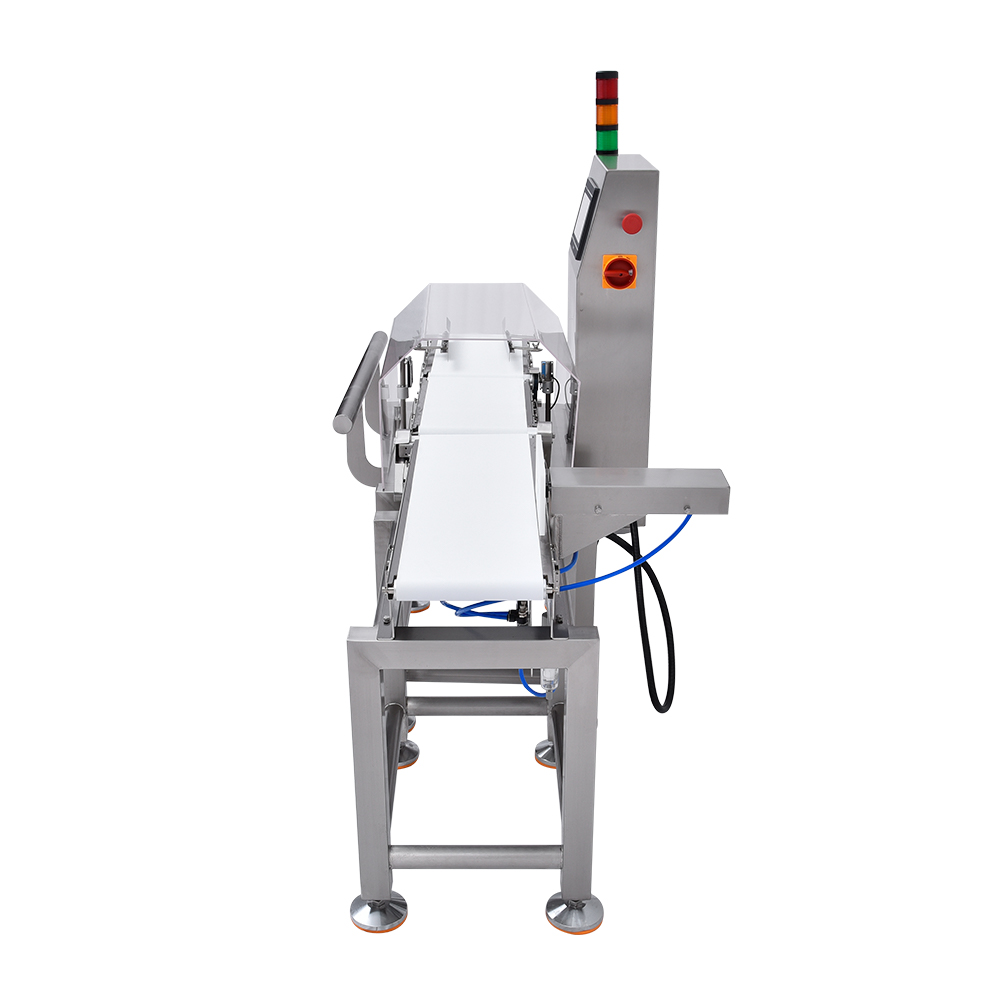
Drive motors are the backbone of conveyor belt metal detectors, driving continuous product flow through inspection zones with reliable precision. Without proper maintenance, these critical components deteriorate rapidly, leading to unexpected downtime, reduced detection accuracy, and costly emergency repairs. Preventive maintenance transforms motor performance from reactive crisis management into predictable, cost-effective operation that maximizes equipment lifespan and maintains consistent metal inspection throughout your production facility.
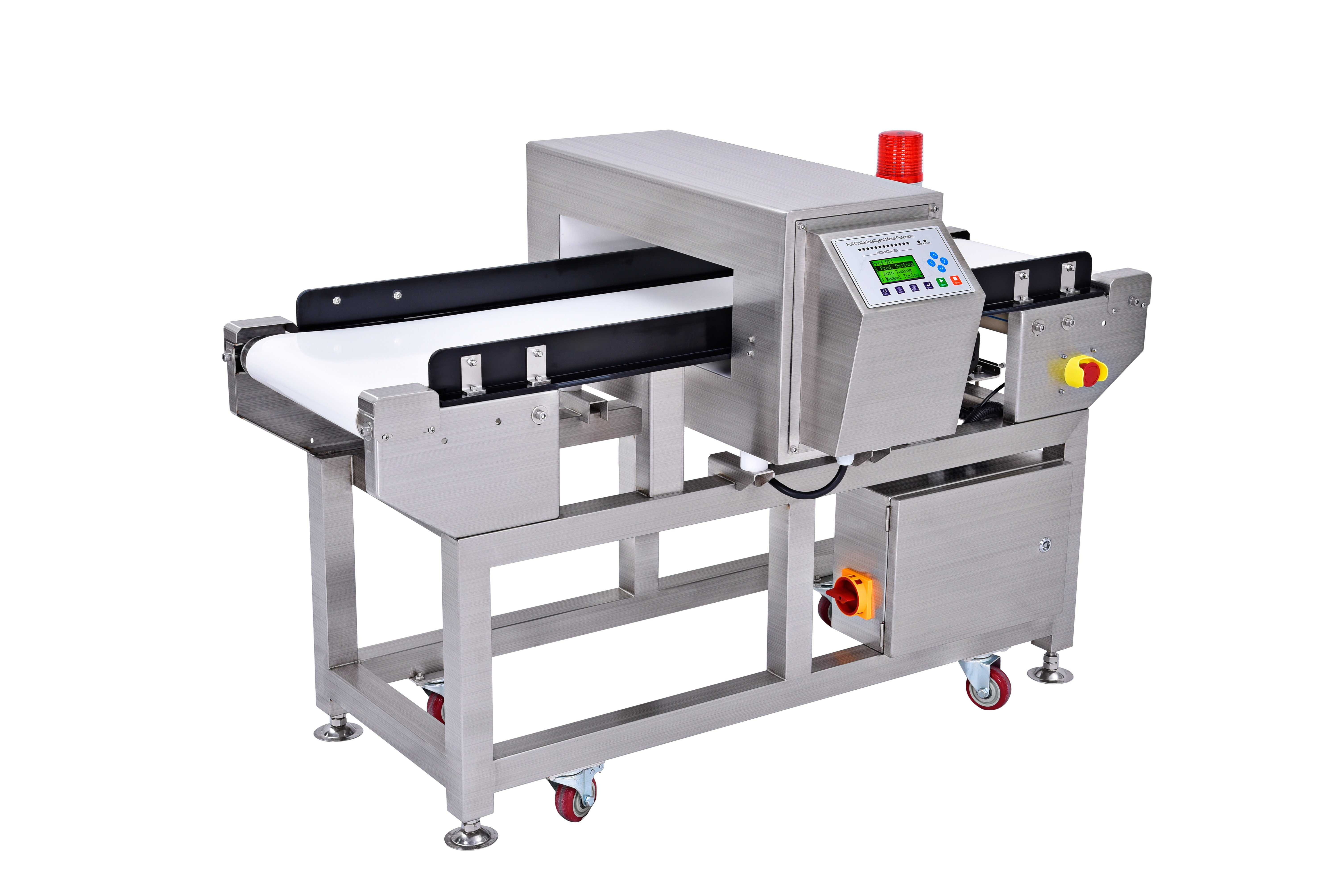
The operational environment of a packaging line detector subjects motors to constant vibration, temperature fluctuations, dust ingress, and mechanical stress that accelerate wear if left unaddressed. A structured preventive maintenance program identifies potential failures before they occur, ensures consistent belt speed for accurate metal detection, and protects your entire production line from contamination risks. This article outlines essential maintenance strategies that keep your tunnel metal detector system running smoothly, maintain detection reliability, and reduce total cost of ownership across your manufacturing operations.
Understanding Motor Wear in Conveyor Systems
Common Failure Patterns in Drive Motors
Drive motors in conveyor belt metal detectors experience predictable wear patterns that emerge within specific timeframes if preventive action is neglected. Bearing degradation typically begins after 8,000 to 12,000 operating hours, causing increased friction, heat generation, and eventual seizure. Lubrication breakdown accelerates this process, especially in food and pharmaceutical environments where conveyor belt metal detectors operate continuously to meet high throughput demands. Motor windings also suffer from moisture intrusion and thermal cycling, leading to insulation breakdown and short circuits that can damage the entire packaging line detector system.
Impact on Metal Inspection Accuracy
Worn motor components introduce vibration and speed instability that directly compromise metal inspection sensitivity in tunnel metal detector installations. As bearings lose roundness and lubrication degrades, the conveyor belt sags slightly and moves with irregular velocity, causing products to pass through detection zones too quickly or unevenly for reliable metal detection. This degradation means smaller metal contamination particles slip through undetected, creating serious food safety and product quality issues. Preventive maintenance eliminates these accuracy losses by maintaining consistent belt drive dynamics that support precise metal inspection throughout production cycles.
Essential Preventive Maintenance Schedule
Monthly and Quarterly Inspection Tasks
A structured maintenance calendar prevents surprises and keeps your packaging line detector operating at peak performance. Monthly inspections should include visual motor condition checks, listening for abnormal sounds or grinding noises that indicate bearing wear, and verification that belt tension remains within manufacturer specifications for proper metal inspection. Quarterly tasks require measuring motor current draw to detect winding problems before they cause equipment failure, checking lubrication levels, and removing accumulated dust and debris from motor cooling fins. These simple routine observations catch 70 percent of emerging issues before they impact your tunnel metal detector functionality or force costly emergency shutdowns.
Semi-Annual Deep Maintenance
Every six months, implement thorough maintenance procedures that address internal motor components and transmission elements. Drain and replace motor bearing lubricant according to manufacturer specifications, as degraded lubricant loses viscosity and protective properties that prevent metal-to-metal contact in drive systems. Inspect motor shaft alignment with precision measurement tools, as misalignment creates excessive bearing stress that accelerates failure in conveyor belt metal detectors. Clean motor windings using compressed air and approved solvents to remove conductive dust that promotes electrical tracking and short circuits. Test insulation resistance with a megohmmeter to identify moisture intrusion early, ensuring your packaging line detector components remain electrically sound. These comprehensive procedures require scheduling production downtime but deliver massive reliability returns by addressing problems that monthly inspections cannot detect.
Advanced Monitoring and Condition Assessment
Vibration Analysis and Temperature Monitoring
Modern preventive maintenance for conveyor belt metal detectors incorporates predictive technologies that reveal motor health before visible failure signs emerge. Vibration analysis using portable meters captures bearing condition signature data, with increased vibration levels indicating imminent bearing replacement needs in your tunnel metal detector system. Infrared temperature measurement identifies hot spots on motor casings that signal winding problems or excessive bearing friction requiring immediate intervention. These condition-based indicators allow maintenance teams to schedule motor replacement during planned maintenance windows rather than suffering unexpected production line shutdowns that disrupt metal inspection operations across your entire packaging line.
Digital Monitoring Systems Integration
Advanced packaging line detector systems now include integrated digital monitoring that tracks motor performance continuously and alerts operators when parameters drift outside acceptable ranges. Current signature analysis detects early bearing degradation, winding faults, and eccentric rotor conditions by analyzing subtle electrical signatures invisible to traditional maintenance methods. These digital tools transform maintenance from calendar-based routines into data-driven decisions that optimize component lifespan and minimize false alarms. Integration with plant maintenance management systems creates automatic work orders when motors approach failure thresholds, ensuring no maintenance action for your conveyor belt metal detectors falls through scheduling gaps.
Implementation Best Practices for Long-Term Reliability
Spare Parts Strategy and Motor Selection
Effective preventive maintenance includes maintaining inventory of critical spare components like bearing assemblies, lubrication supplies, and thermal fuses appropriate for your specific tunnel metal detector configuration. Investing in premium replacement motors with enhanced bearing designs and sealed windings reduces future maintenance intensity and extends intervals between major service procedures. Work with your equipment supplier to establish maintenance protocols specifically designed for your metal inspection application, as food processing and pharmaceutical environments create unique stressors on conveyor belt metal detectors that demand tailored maintenance approaches. Having documented maintenance history for every motor allows better future decision-making about whether refurbishment or replacement delivers superior economics.
Staff Training and Documentation
Maintenance personnel must receive comprehensive training on your specific packaging line detector motor systems, including proper lubrication techniques, alignment procedures, and safety protocols during maintenance activities. Detailed maintenance logs documenting every service activity, replacement component, and measured parameter create a reliability database that identifies chronic problem areas and guides future system improvements. Standardized checklists ensure consistency across multiple personnel and prevent critical maintenance tasks from being overlooked during busy production periods. When your team fully understands the mechanical and electrical principles underlying conveyor belt metal detectors, they recognize emerging problems early and suggest design or operational modifications that prevent failures rather than merely reacting to breakdowns.
FAQ
How often should I replace motor bearings in conveyor belt metal detectors?
Motor bearing replacement intervals depend on operating hours, environment, and maintenance quality. In typical food processing applications using packaging line detectors, high-quality sealed bearings last 12,000 to 18,000 operating hours with proper lubrication and alignment. Running bearings beyond this threshold risks catastrophic failure that damages your tunnel metal detector system and contaminates products. Regular vibration monitoring helps determine exact replacement timing based on actual bearing condition rather than calendar estimates.
What causes premature motor failure in metal inspection systems?
Premature failures stem from inadequate lubrication, misalignment, contamination, and thermal stress that intensify bearing wear in conveyor belt metal detectors. Dust and moisture ingress accelerates insulation degradation in motor windings, while improper belt tension creates excessive bearing loads that reduce lifespan below designed specifications. Insufficient preventive maintenance and delayed action on warning signs compound these issues, turning minor wear into catastrophic failure requiring complete motor replacement and extended production downtime for your packaging line detector.
Can digital monitoring reduce maintenance costs for conveyor belt metal detectors?
Yes, predictive digital monitoring systems significantly reduce total maintenance spending by identifying emerging problems weeks or months before failure, allowing planned maintenance scheduling that avoids expensive emergency repairs and unplanned shutdowns. Condition-based maintenance extends component lifespan by preventing unnecessary early replacements, while minimizing false alarms that waste technician time. Over a five-year period, facilities using advanced monitoring on tunnel metal detector systems typically achieve 30 to 40 percent reductions in maintenance costs while improving reliability and metal inspection consistency throughout your production operations.