 EN
EN


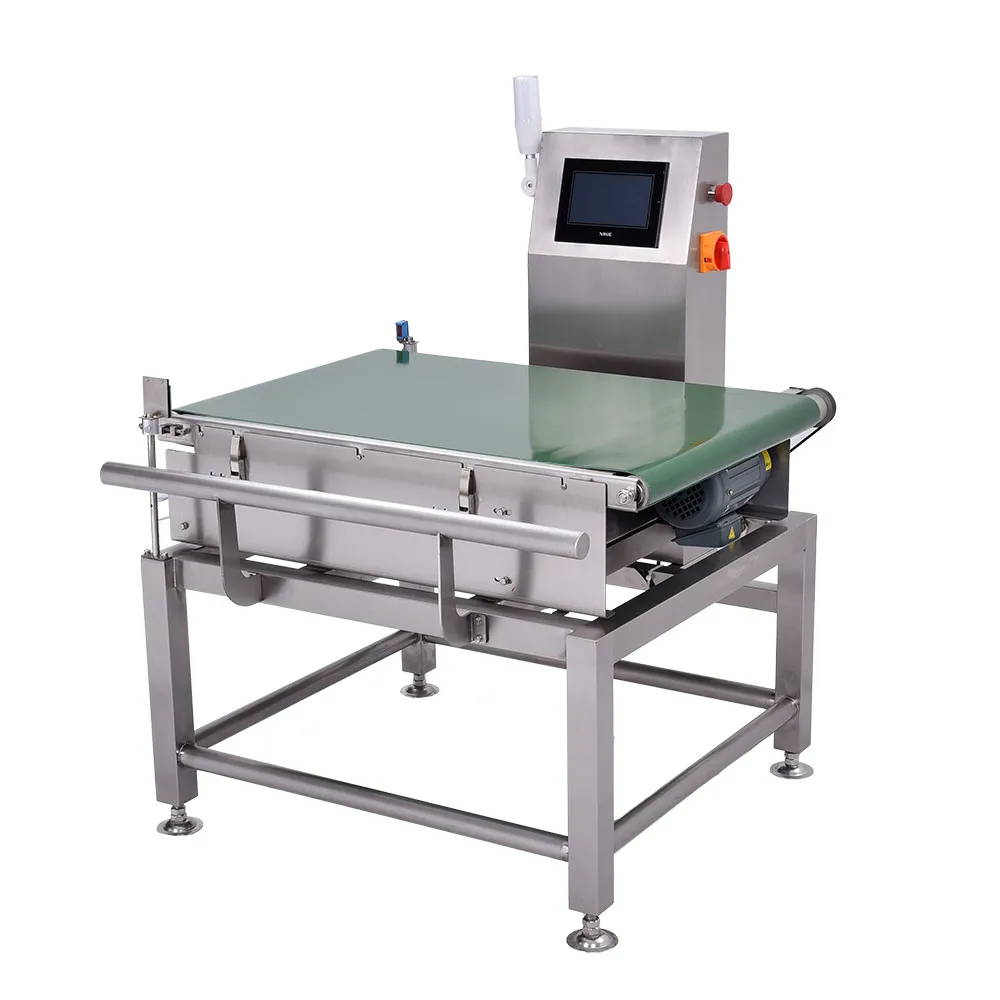
Conveyor belt maintenance is critical to the long-term performance and reliability of checkweigher systems. A checkweigher operates as a dynamic scale integrated into packaging lines, where the conveyor belt directly influences weight inspection accuracy and overall system stability. When the belt deteriorates, vibration increases, sensor readings become unreliable, and product quality suffers. Industrial facilities that neglect belt maintenance face costly downtime, rejected products, and compliance violations. Understanding how to properly maintain the conveyor belt component ensures that your weight inspection process remains accurate and efficient.
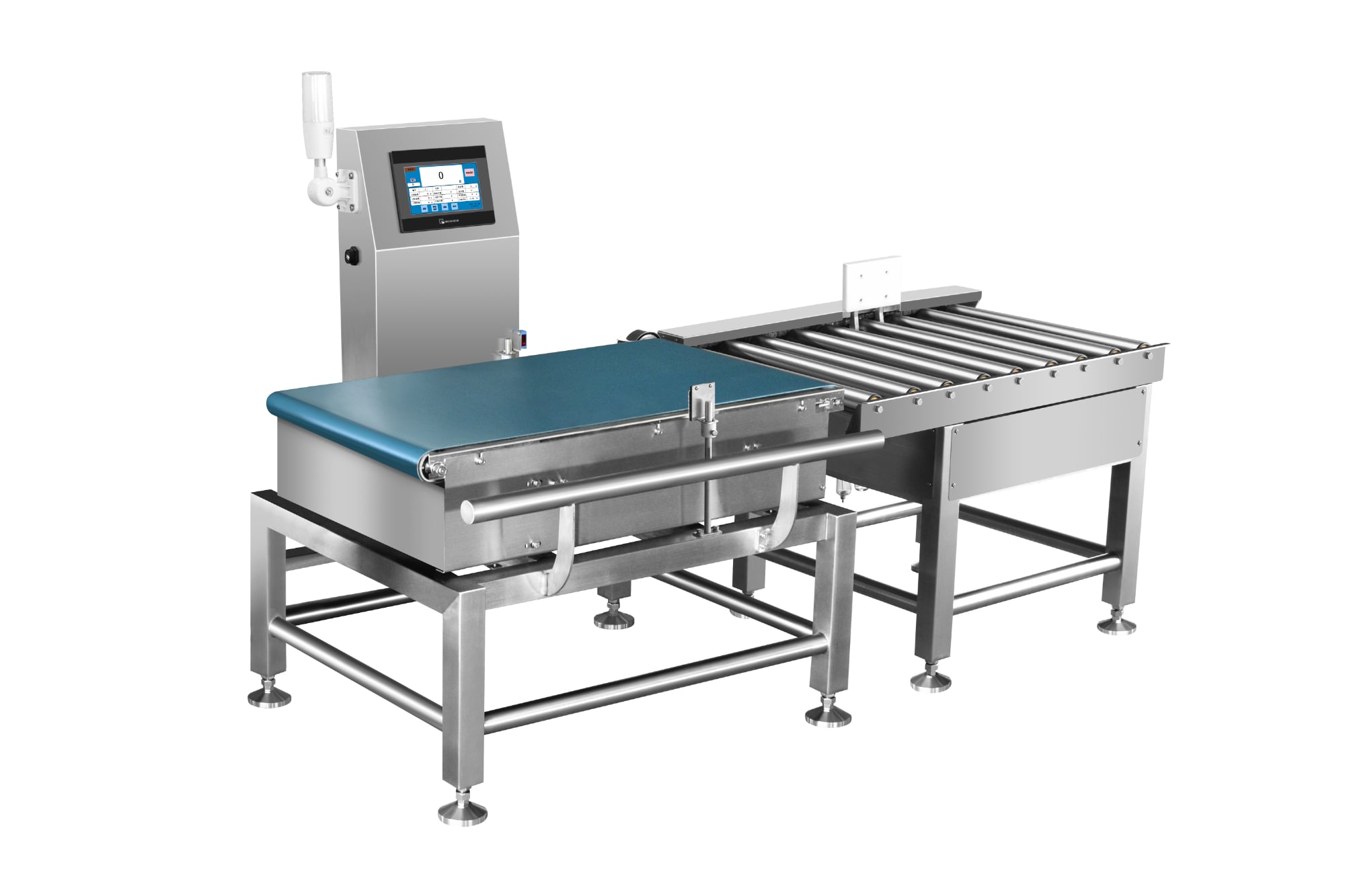
The conveyor belt on a packaging line scale must maintain consistent tension, smooth motion, and proper alignment to support accurate dynamic scale measurements. A well-maintained belt reduces friction losses, minimizes vibration transmitted to the scale platform, and extends equipment lifespan. Regular inspection, timely lubrication, belt tensioning, and alignment verification are foundational practices that prevent belt degradation and protect your weight inspection system from unnecessary wear and failure.
Understanding Belt Role in Checkweigher Accuracy
How Conveyor Belts Impact Dynamic Scale Performance
The conveyor belt is the physical interface between product flow and the dynamic scale measurement. As packages move across the checkweigher platform, the belt's mechanical condition directly affects load transfer and reading stability. A damaged or misaligned belt introduces unwanted vibration, friction changes, and inconsistent product positioning that degrade the accuracy of weight inspection. The dynamic scale relies on stable, predictable motion to capture weight data reliably. Any belt degradation—such as fraying edges, worn surfaces, or tension loss—compromises the ability of the packaging line scale to deliver consistent results, leading to false rejects or passed underweight items.
Connection Between Belt Condition and Sensor Reliability
Checkweigher sensors are highly sensitive instruments designed to measure weight during brief contact moments. Belt instability introduces mechanical noise that confuses sensor signals and reduces measurement confidence. A properly maintained belt ensures smooth, predictable product motion through the measurement zone. When belt surfaces wear unevenly or tension fluctuates, the dynamic scale experiences repeated micro-movements that amplify measurement noise. Over time, this degradation forces the weight inspection system to operate with wider rejection margins, either accepting out-of-spec product or discarding good items unnecessarily.
Core Maintenance Practices for Conveyor Belts
Regular Inspection and Visual Assessment
Visual inspection is the first line of defense in belt maintenance. Schedule weekly inspections to check for visible wear, cracks, fraying, or surface damage. Look for signs of misalignment—edge wear patterns indicate the belt is drifting to one side. Examine splice joints and fasteners for separation or deterioration. On a packaging line scale, even minor surface irregularities can affect weight measurement repeatability. Document findings and establish replacement thresholds before belt failure occurs. Early detection prevents unexpected downtime and ensures your checkweigher maintains consistent accuracy throughout the product cycle.
Tension Adjustment and Alignment Verification
Proper belt tension is essential for smooth operation and accurate weight inspection. Tension should be firm enough to prevent slipping but not so tight that it accelerates wear. Use a tension meter to verify specs quarterly, and adjust rollers as needed to maintain manufacturer recommendations. Misalignment causes one edge to wear faster, generates lateral vibration, and reduces dynamic scale stability. Check alignment by observing belt tracking during empty runs—the belt should travel straight without drifting. An aligned belt reduces friction losses, extends service life, and ensures the checkweigher receives consistent load positioning for reliable weight measurement.
Lubrication and Cleaning Protocols
Proper lubrication minimizes friction at roller bearings and pivot points, reducing belt stress and extending component life. Apply food-grade or appropriate industrial lubricant to all moving joints according to manufacturer guidelines and production schedule. Over-lubrication attracts dust and debris, which accelerates wear, so apply only the specified amount. Regular cleaning removes product residue, dust, and contaminants that cause surface degradation and affect the packaging line scale's measurement environment. A clean, well-lubricated belt system operates smoothly, minimizes vibration transmission to sensors, and maintains the stable conditions required for accurate weight inspection. Schedule cleaning and lubrication during planned maintenance windows to avoid production interruption.
Troubleshooting Common Belt Issues in Checkweigher Systems
Addressing Slippage and Tracking Drift
Belt slippage occurs when tension is insufficient or roller surfaces are contaminated, causing the belt to slip during load transfer. This introduces measurement errors in the dynamic scale because products do not move predictably through the weight inspection zone. Check tension first using a calibrated meter, then inspect roller surfaces for buildup or damage. If slippage persists, consider whether product characteristics—such as shape, size, or surface texture—have changed and affected grip. Tracking drift—where the belt drifts toward one roller—indicates misalignment or uneven wear. Correct this by adjusting idler or drive roller position until the belt tracks straight. Both issues directly compromise checkweigher accuracy, making prompt correction essential.
Vibration and Noise Management
Excessive vibration is often the first warning sign of belt problems and directly degrades weight inspection reliability. High-frequency noise or rumbling indicates worn bearings, misalignment, or surface irregularities. Vibration transmitted through the packaging line scale platform interferes with sensor measurements, reducing data confidence and increasing false rejection rates. Identify the vibration source by checking belt tension, roller condition, and bearing lubrication. Worn bearing races cannot be repaired and require replacement. A worn or damaged belt surface itself may generate noise and vibration that cannot be resolved without belt replacement. Address vibration quickly—continued operation with unresolved vibration accelerates cumulative damage to the entire checkweigher system.
FAQ
How often should conveyor belts on a checkweigher system be replaced?
Belt replacement frequency depends on production volume, product type, and maintenance quality. A well-maintained belt in standard conditions typically lasts 12–24 months. High-speed packaging lines or harsh environments may require replacement every 6–12 months. Regular inspection and condition monitoring help identify when replacement is needed before sudden failure occurs. Proactive replacement based on wear assessment is more cost-effective than reactive replacement caused by catastrophic belt failure, which stops the entire packaging line scale and weight inspection process.
Can poor belt maintenance affect weight inspection accuracy beyond the checkweigher itself?
Yes, belt degradation affects the entire dynamic scale system and downstream processes. When a packaging line scale delivers unreliable weight data due to belt-induced vibration, products may be mislabeled or packed incorrectly. This creates regulatory compliance risk, customer complaints, and potential product recalls. Poor weight inspection accuracy also causes unnecessary product waste from false rejections. Investing in proper belt maintenance protects not only the checkweigher but the integrity of your entire packaging operation and brand reputation.
What signs indicate that a checkweigher's conveyor belt needs immediate replacement?
Immediate replacement is warranted if the belt shows multiple cracks, large sections of fraying, visible splice separation, or persistent slippage that cannot be corrected by tension adjustment. If the dynamic scale suddenly shows unexplained measurement drift or noise, a damaged belt may be the cause. Continuous vibration despite maintenance attempts, or if the belt has reached the end of its documented service life, also justifies replacement. Do not delay—operating with a compromised belt damages rollers, increases sensor wear, and risks contamination of product or environment.