 EN
EN


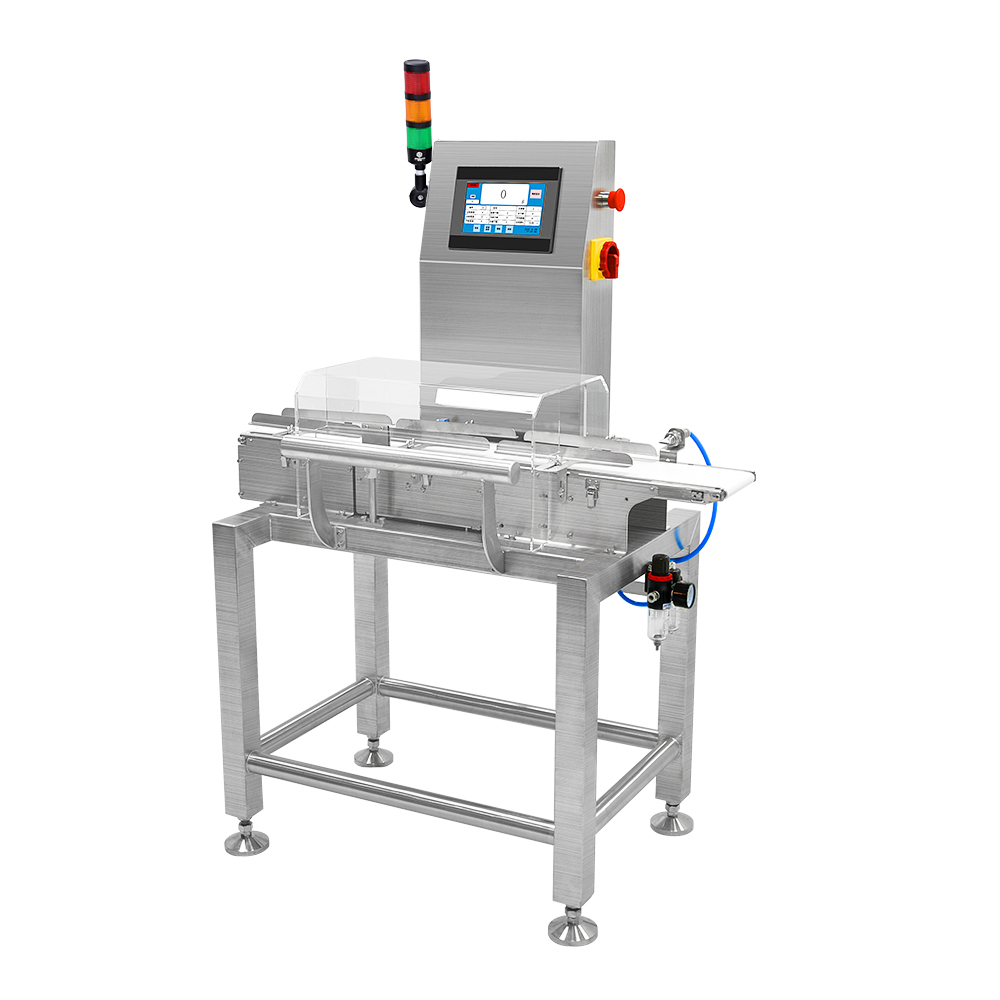
Modern packaging operations demand precision at every stage, and the relationship between weight inspection systems and filling equipment represents one of the most critical integration points in contemporary production lines. A checkweigher serves as the quality sentinel downstream, detecting when filled containers deviate from target weight specifications. Yet the true power of this technology emerges when feedback from the checkweigher flows upstream to control the filling equipment itself, creating a closed-loop system that prevents defects rather than merely detecting them.
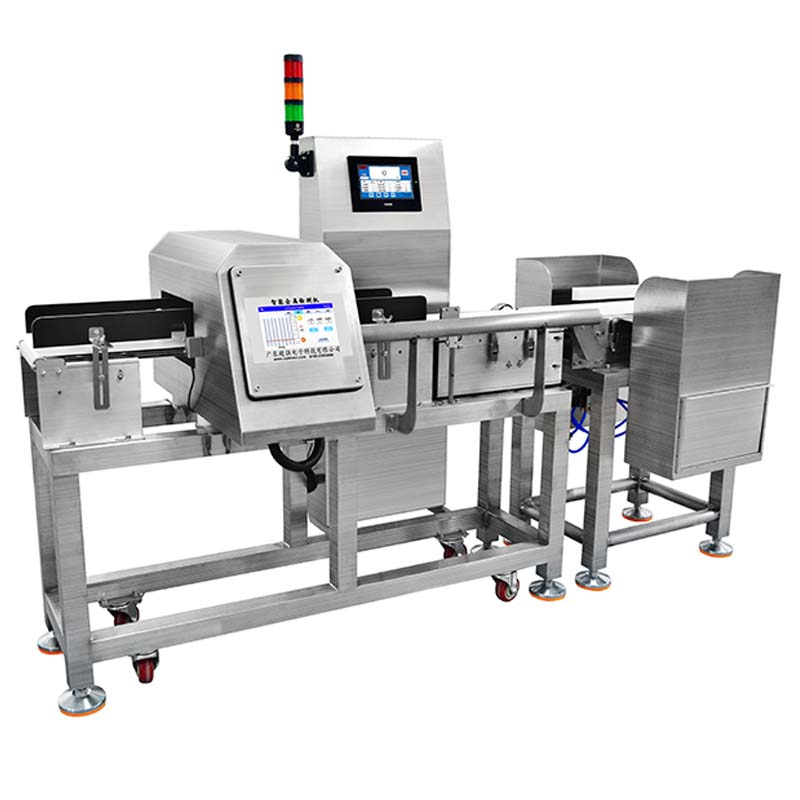
The integration of dynamic scale technology with upstream filling systems transforms how manufacturers approach quality control. Instead of discarding off-weight products after detection, integrated feedback mechanisms allow real-time adjustments to fill volumes, timing, and material flow. This article explores how checkweigher feedback integration works, why it matters for modern packaging operations, and what implementation strategies deliver measurable results in reducing waste and maintaining consistent product quality across packaging lines.
Understanding Checkweigher Feedback Integration
Core Principles of Weight Inspection Systems
A checkweigher operates by measuring the actual weight of filled containers and comparing that measurement against preset acceptable ranges. Traditional weight inspection systems simply flag or reject products that fall outside these ranges, creating waste. Modern integration architectures, however, send real-time data signals back to the filling equipment, enabling dynamic adjustments before the next product enters the packaging line scale. This proactive approach reduces the quantity of out-of-specification items that require rejection or rework.
The technical foundation rests on continuous feedback loops where weight data flows instantaneously from the dynamic scale measurement head to the filling system controller. When a container registers slightly underweight, the system can increase fill duration or product flow rate for subsequent containers. Conversely, overweight detections trigger immediate reductions in fill volume. This real-time correction minimizes the gap between actual and target weights across successive production batches.
Data Communication and Control Architecture
Effective checkweigher integration requires robust communication protocols between the weight inspection hardware and the upstream filling equipment. Modern systems employ industrial Ethernet standards, analog signal outputs, or proprietary digital interfaces to transmit weight data at frequencies matching production line speeds. The packaging line scale sends weight measurements to a central controller, which analyzes trends and calculates corrective adjustments. These instructions then move to servo motors, solenoid valves, or variable speed drives that control fill accuracy on the filling equipment.
Statistical process control algorithms enhance this communication by filtering noise and distinguishing genuine drift from random variation. Rather than reacting to every single measurement, intelligent systems establish control bands and only trigger filling equipment adjustments when weight trends show sustained deviation. This approach maintains fill stability while preventing overcorrection that could introduce new variability into the packaging line.
Optimization Benefits and Process Performance
Waste Reduction and Giveaway Control
One of the most direct benefits of integrated checkweigher feedback is measurable reduction in product giveaway, where manufacturers consistently overfill containers to avoid underfill rejections. Traditional static filling without feedback forces operators to set fill targets well above nominal values to maintain acceptable margins. Integrated dynamic scale systems narrow this safety buffer considerably. By continuously detecting and correcting underfill conditions in real time, the filling equipment can operate closer to true target weight, reducing material costs and improving profitability across large production volumes.
Waste reduction extends beyond material giveaway. When filling equipment operates without upstream feedback, out-of-specification products enter the detection stage, consume line time, and require disposal or rework. Integrated checkweigher feedback prevents these defects at the source, lowering the proportion of rejected products and improving overall equipment effectiveness. For facilities processing millions of units annually, even fractional percentage improvements in fill accuracy translate to substantial financial impact.
Production Line Consistency and Quality Assurance
Packaging line scale feedback creates tighter statistical distributions around target weights. Rather than operating with wide tolerance bands, integrated systems maintain fills within narrower ranges, improving consistency batch-to-batch and shift-to-shift. This enhanced uniformity strengthens brand reputation and customer satisfaction, particularly for sensitive applications like pharmaceuticals, food products, and cosmetics where precise dosing directly affects consumer experience and regulatory compliance. Regulatory agencies increasingly expect manufacturers to demonstrate statistical process control capabilities, and integrated checkweigher feedback systems provide the data documentation needed for compliance audits.
The consistency benefits also reduce customer complaints regarding product shortfalls or perceived value inconsistencies. When every container weight remains within tight specifications, consumers experience uniform product expectations, reinforcing brand reliability and trust.
Implementation Strategy and System Design
Technical Requirements and Equipment Selection
Successful checkweigher integration begins with selecting dynamic scale and filling equipment compatible with feedback communication standards. Not all weight inspection systems are configured for upstream control signaling; many older models provide only pass-fail output flags. Modern checkweighing solutions designed for integration feature fast response times, high measurement repeatability, and robust data transmission capabilities. The filling equipment must incorporate servo-driven systems or proportional control valves capable of accepting electronic correction signals and adjusting fill parameters within milliseconds.
Integration also demands careful attention to sensor placement and equipment spacing. The checkweigher must be positioned close enough to the filling equipment that feedback signals can be acted upon before significant product quantities accumulate. Network latency, hardware processing delays, and mechanical response times all factor into the feasibility of real-time adjustment. System designers must calculate dead time and ensure the control loop response is fast enough to prevent excessive oscillation or lag in weight correction.
Configuration and Tuning Approaches
Configuring checkweigher feedback requires establishing appropriate control parameters such as sensitivity thresholds, correction step sizes, and response timing. Conservative tuning prevents overaggressive adjustments that could introduce new instability, while aggressive tuning accelerates correction but risks oscillation. Most industrial implementations employ PI (Proportional-Integral) or PID (Proportional-Integral-Derivative) control algorithms to balance these competing objectives. Operators and technicians must test different parameter sets during commissioning to identify optimal settings for their specific product, filling equipment, and packaging line scale characteristics.
Regular recalibration of the weight inspection system is essential to maintain feedback accuracy. As checkweigher sensors age or environmental conditions shift, measurement drift can accumulate, causing the filling equipment to receive incorrect correction signals. Establishing preventive maintenance schedules and recalibration intervals ensures the integrated system remains accurate throughout its operational life. Documentation of all parameter changes and calibration events supports continuous improvement and regulatory traceability.
FAQ
How quickly does a checkweigher send feedback to filling equipment?
Modern weight inspection systems transmit feedback in milliseconds, typically between 50 and 200 milliseconds depending on the communication protocol and system architecture. This speed allows the filling equipment to adjust for the next product cycle before it reaches the packaging line scale, creating an effective closed-loop correction mechanism that minimizes the number of out-of-specification containers.
Can existing filling equipment be retrofitted with checkweigher feedback integration?
Retrofitting is possible but depends on whether the current filling equipment includes control electronics capable of accepting electronic signals. Older mechanical systems or those with fixed fill settings may require significant upgrades to support dynamic scale feedback. Newer filling systems with servo motors or proportional solenoids can often be retrofitted with appropriate control modules and communication interfaces at moderate cost.
What metrics should manufacturers track to validate checkweigher feedback performance?
Key performance indicators include the percentage of products within specification, average weight deviation from target, standard deviation of weights across production batches, rejection rate trends, and material giveaway percentage. Comparing these metrics before and after integration implementation quantifies the actual business impact. Additionally, tracking system downtime and maintenance frequency helps assess the reliability and total cost of ownership of the integrated packaging line scale solution.