 EN
EN


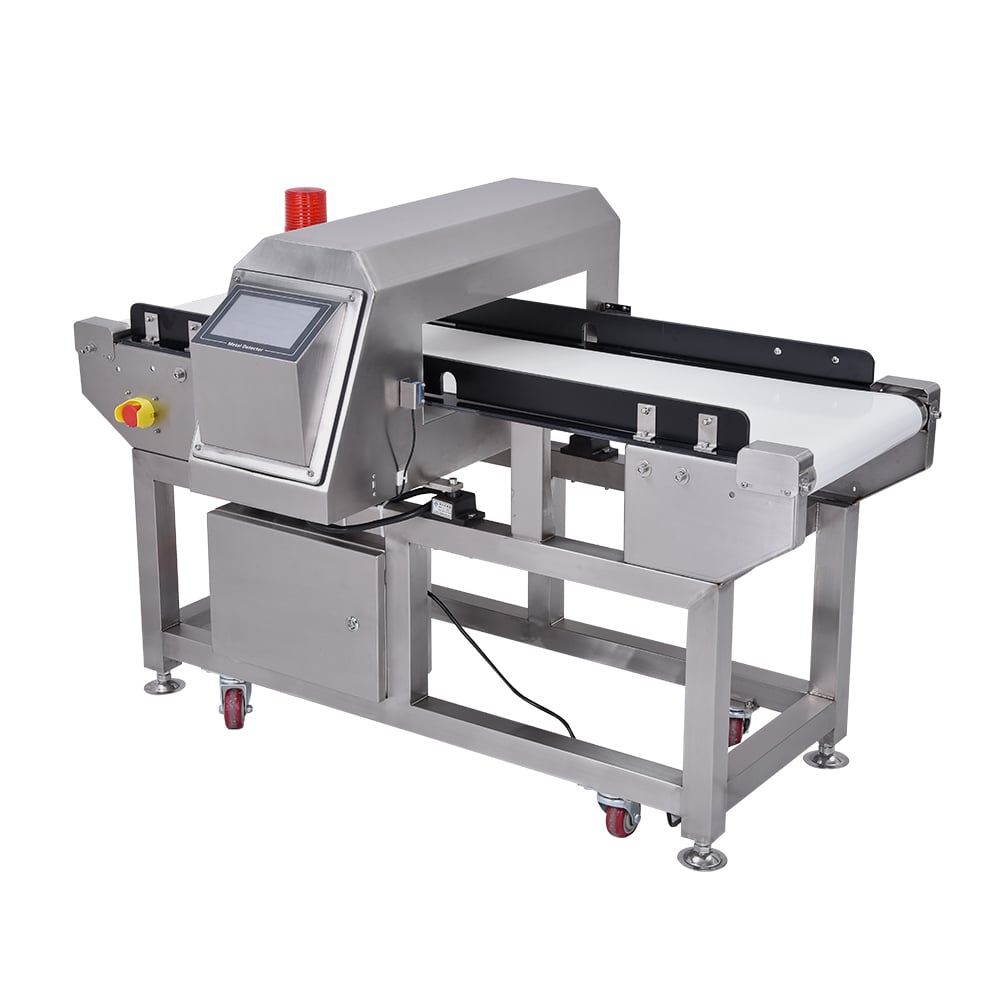
The food processing industry operates under strict regulatory requirements where contamination prevention is non-negotiable. A food grade metal detector serves as a critical control point in modern production facilities, ensuring that metallic contaminants never reach consumers while maintaining the highest hygiene standards throughout the operation.
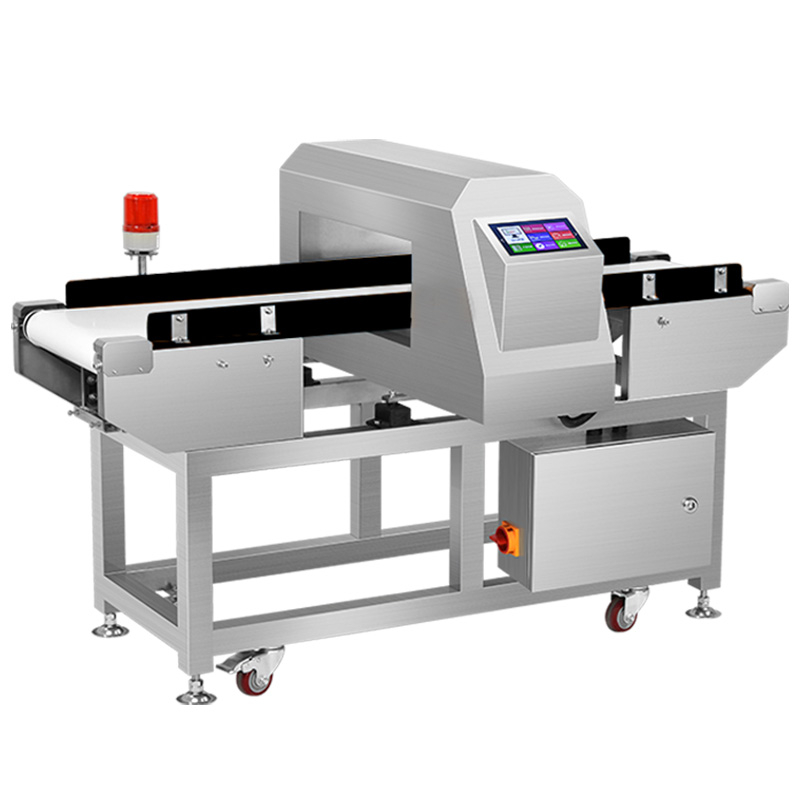
Food processing environments expose detection equipment to constant moisture, temperature fluctuations, and aggressive cleaning agents. This demanding context requires specialized sanitary metal detector designs that withstand rigorous sanitizing protocols without performance degradation. Understanding the engineering principles behind chemical resistance and sanitization compatibility is essential for facility managers selecting washdown metal detector systems that protect product integrity and meet food safety compliance.
Sanitizing Protocols for Food Processing Equipment
Cleaning-in-Place Technology Integration
Modern food processing equipment increasingly relies on Cleaning-in-Place (CIP) systems that automate sanitization cycles without dismantling detection hardware. A sanitary metal detector integrated into CIP workflows must withstand repeated exposure to alkaline detergents, acidic rinses, and high-temperature water jets reaching 80°C or higher. The equipment housing, connectors, and internal circuitry must all resist corrosion and maintain electrical integrity throughout these intensive cycles. Facilities benefit from reduced downtime and consistent hygiene assurance when their food grade metal detector systems are CIP-compatible.
Washdown Metal Detector Durability Standards
Washdown metal detector units designed for food processing must meet or exceed IP69K ingress protection ratings, ensuring complete protection against high-pressure water jets and chemical sprays. This specification guarantees that moisture and cleaning solutions cannot penetrate seals, compromise sensor calibration, or cause electrical failures. Food processing equipment operators depend on washdown capabilities to maintain sanitary conditions without worrying about equipment malfunction, making this durability feature essential for continuous production schedules.
Chemical Resistance in Detector Design
Material Selection and Protective Coatings
The external components of a food grade metal detector must be constructed from stainless steel or equivalent corrosion-resistant materials that naturally resist attack from cleaning chemicals. Protective coatings applied to circuit boards and connectors provide additional barriers against chemical penetration, extending equipment lifespan significantly. Epoxy encapsulation and conformal coating techniques create hydrophobic surfaces that shed aggressive solutions rather than absorbing them. When food processing equipment receives regular chemical sanitization, these protective measures prevent premature degradation and maintain detection sensitivity over years of operation.
Connector and Sealing System Integrity
Chemical-resistant connectors featuring gold-plated contacts resist oxidation and corrosion that would otherwise degrade signal transmission between sensor arrays and processing units. Elastomer seals engineered specifically for food industry applications maintain flexibility under temperature extremes while resisting swelling or cracking when exposed to detergents and sanitizers. A washdown metal detector with premium sealing systems prevents moisture from migrating along connector pins, which commonly causes signal dropout and false rejections in poorly designed systems. This engineering attention to connector durability directly supports food processing equipment reliability and reduces maintenance costs.
Regulatory Compliance and Safety Integration
FDA and FSMA Alignment
Food safety modernization legislation and FDA guidance explicitly require facilities to document equipment sanitization compatibility and chemical exposure protocols. A food grade metal detector system must demonstrate validated cleaning procedures and chemical compatibility certifications that prove sustained performance under documented conditions. Facilities meet regulatory audit requirements more effectively when their sanitary metal detector selection includes third-party validation and manufacturer documentation of chemical resistance testing. This compliance foundation protects operations from regulatory violations while demonstrating due diligence in contamination prevention.
Production Integrity Through Validated Systems
Food processing equipment operators recognize that validated food grade metal detector performance directly correlates with product safety outcomes and market reputation. When detection systems fail due to inadequate chemical resistance or sanitizing incompatibility, contamination risks spike dramatically and product recalls become inevitable consequences. Investing in washdown metal detector systems with proven chemical resistance eliminates this failure mode from facility risk profiles. The validated performance record of specialized food processing equipment provides measurable protection that extends far beyond equipment cost considerations.
FAQ
How often should food grade metal detector systems be chemically tested for continued compatibility?
Manufacturers recommend annual chemical compatibility testing for sanitary metal detector equipment, though facilities using aggressive alkaline cleaners or high-temperature washdown protocols should schedule testing every six months. Regular validation ensures that protective coatings remain effective and that connector seals maintain their integrity. Most food processing equipment operators incorporate these tests into quarterly preventive maintenance schedules to identify degradation before it impacts detection performance.
What distinguishes a washdown metal detector from standard metal detection equipment?
Washdown metal detector units feature sealed connectors, elevated IP ratings (IP69K or higher), stainless steel construction, and chemical-resistant circuit board coatings specifically engineered for food grade applications. Standard detection equipment lacks these protective specifications and deteriorates rapidly in sanitized food processing environments. The specialized design of food grade metal detector systems justifies higher initial investment through extended operational lifespan and reliable contamination prevention.
Can existing metal detectors be retrofitted to meet food processing equipment standards?
Retrofitting standard detectors into food-compliant systems rarely succeeds because fundamental design elements like sealing mechanisms and material compositions cannot be easily modified after manufacturing. Installing a purpose-built sanitary metal detector unit designed with food processing applications in mind proves more cost-effective than attempting to upgrade incompatible hardware. Food processing equipment managers should prioritize replacements with proper food grade metal detector systems rather than pursuing expensive and unreliable retrofit modifications.