 EN
EN


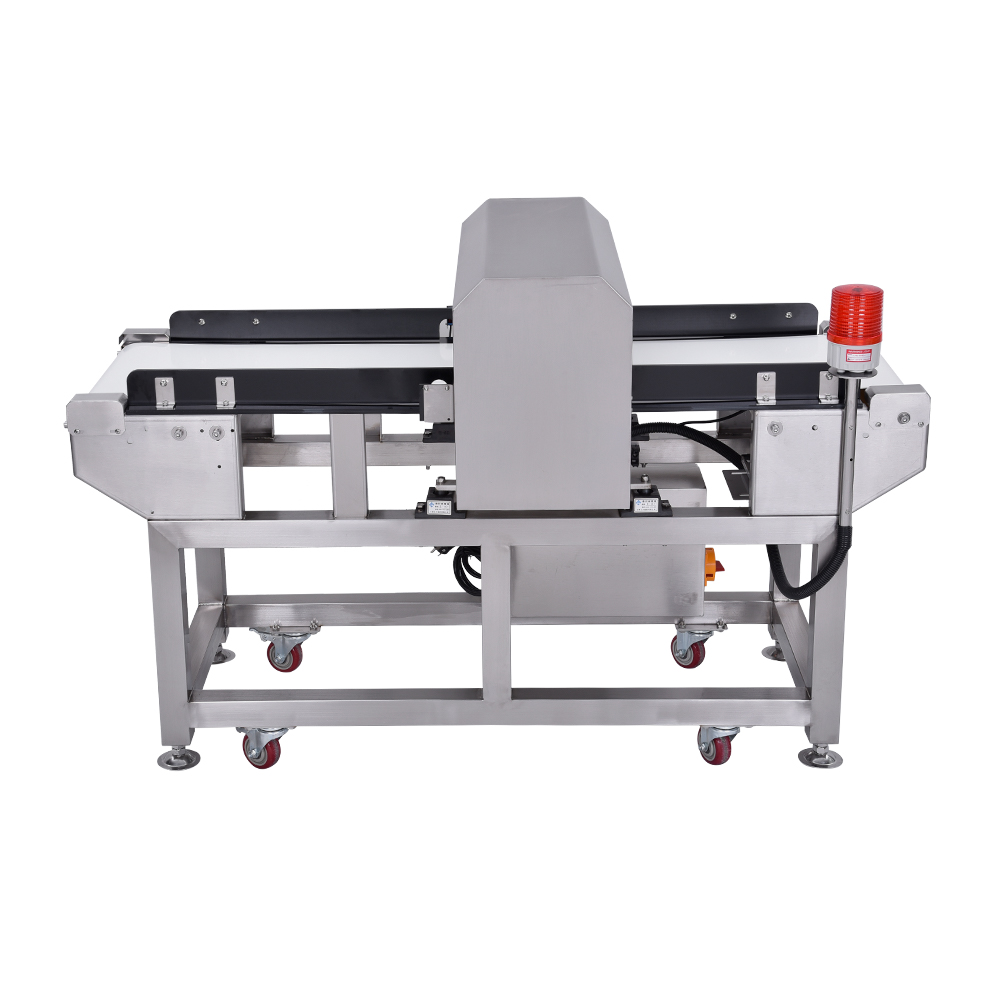
Bacterial contamination in conveyor systems represents one of the most serious risks in food processing facilities. When joints and crevices in a food grade metal detector accumulate moisture and organic debris, they become ideal environments for pathogenic bacteria to multiply and spread. This contamination can compromise product safety, trigger regulatory violations, and damage brand reputation. Understanding how bacterial traps form and implementing prevention strategies is essential for maintaining hygiene standards in modern food production.
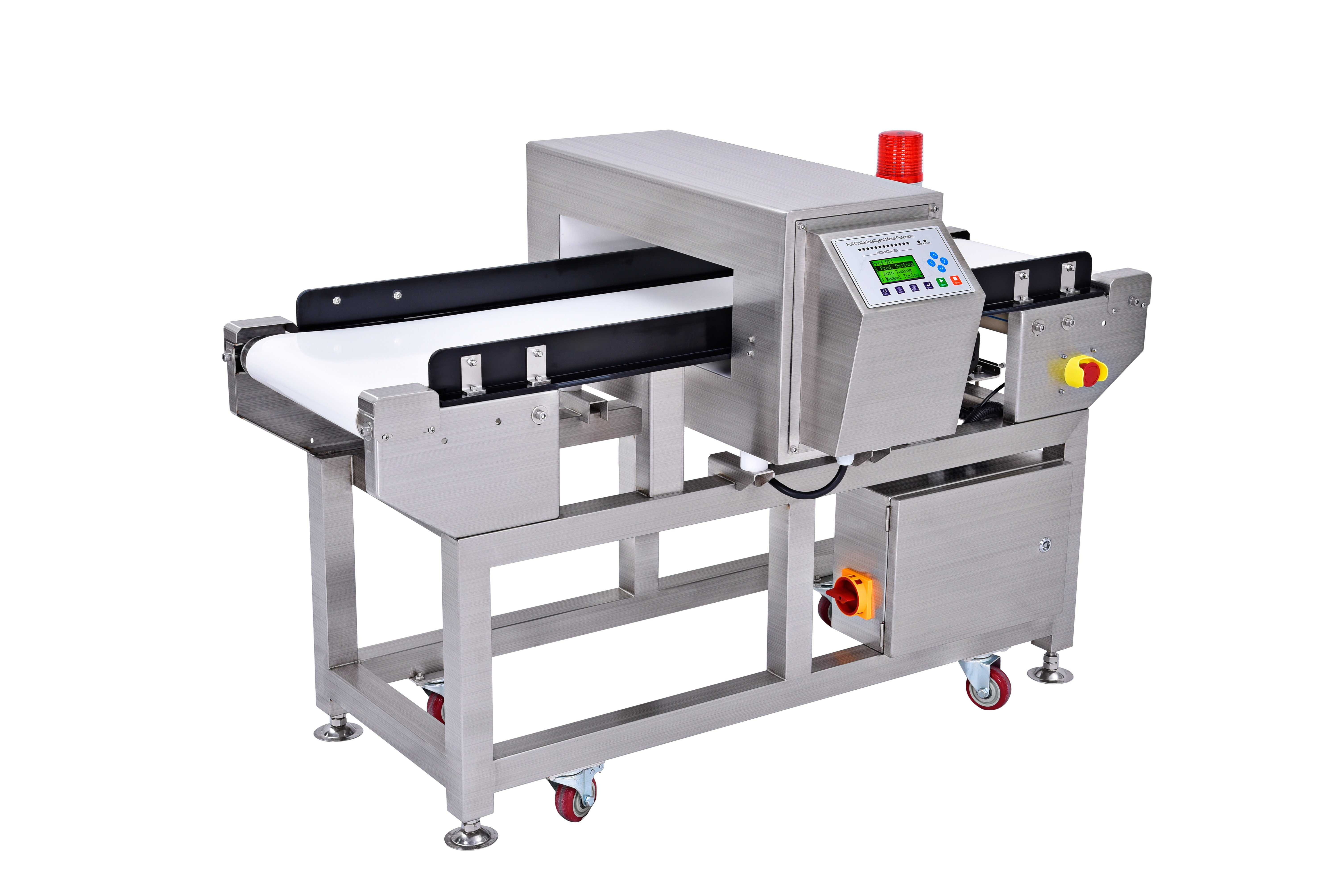
A sanitary metal detector designed for food processing must go far beyond basic metal detection capability. Every component, joint, and surface must be engineered to eliminate dead zones where bacteria can hide and proliferate. Poor joint design in food processing equipment creates stagnant areas where wash water cannot reach, allowing biofilms to develop and persist even after cleaning cycles. This article explores the mechanisms of bacterial trap formation and provides practical guidance on selecting and maintaining equipment that prevents contamination.
Understanding Bacterial Trap Formation in Metal Detector Joints
How Moisture and Organic Matter Accumulate
Joints in a washdown metal detector are vulnerable to bacterial colonization because they often retain moisture and food particles. During normal operation, small amounts of product, processing liquids, and condensation seep into gaps between modular sections, fastening points, and sensor housings. When cleaning cycles cannot reach these internal cavities, the trapped material decomposes, creating a nutrient-rich environment. Temperature fluctuations in food processing facilities further exacerbate this problem by causing expansion and contraction, widening micro-gaps and deepening crevices.
Biofilm Development and Cross-Contamination Risk
Biofilm formation begins within hours when bacteria encounter favorable conditions of moisture, nutrients, and protection from chemical exposure. A sanitary metal detector with poor joint design allows biofilms to attach to internal surfaces and multiply rapidly. These biofilms are remarkably resistant to standard cleaning and sanitization procedures because the protective matrix shields bacteria from antimicrobial agents. Once established, biofilm colonies can contaminate downstream product, especially when conveyor vibrations or maintenance procedures dislodge cells into the production line.
Design Features That Eliminate Bacterial Traps
Sealed Joint Construction and Material Selection
Modern food processing equipment prioritizes completely sealed joints as the primary defense against bacterial accumulation. A food grade metal detector must use continuous welds or seamless assembly methods rather than threaded connections that create micro-gaps. The choice of stainless steel in the construction of washdown metal detector systems is critical because this material resists corrosion and can be polished to eliminate surface irregularities where bacteria might lodge. Gasket materials must be food-safe silicone or EPDM, selected specifically for their ability to maintain seals under washdown pressure and temperature cycling.
Sloped Surfaces and Drainage Points
Gravity-assisted drainage is a fundamental principle in sanitary metal detector design. All external and accessible internal surfaces should slope toward designated drainage points so that wash water cannot pool or stagnate. A washdown metal detector should feature removable drain plugs at low points to allow complete water removal during maintenance cycles. When conveyor sections are designed with slopes of at least 3 to 5 degrees, combined with smooth rounded transitions between components, water naturally flows away from sensor housing areas and internal cavities where bacterial traps might otherwise form.
Maintenance Protocols for Prevention of Bacterial Contamination
Cleaning Procedures and Frequency Requirements
Effective cleaning of a sanitary metal detector requires more than standard washdown procedures. Food processing facilities should implement documented cleaning-in-place protocols that account for the specific geometry of their metal detector model. A food grade metal detector must be disassembled at planned intervals to expose all joint surfaces for manual cleaning and inspection. Frequency depends on product type and facility conditions, but weekly disassembly and inspection of critical joints is standard practice in high-risk environments. Cleaning agents should be selected for efficacy against specific pathogens relevant to the facility while remaining compatible with equipment materials.
Inspection and Early Detection of Damage
Preventive inspection of washdown metal detector components identifies seal degradation, corrosion, and structural damage before they become pathways for bacterial entry. Visual inspection should occur during every maintenance cycle, with attention to discoloration, mineral deposits, or surface pitting that might indicate biofilm activity. A food grade metal detector should be monitored for any changes in acoustic characteristics during operation, as unusual vibration or noise can signal internal moisture accumulation or loose components creating new dead zones. When damage is detected, affected sections should be removed immediately for repair or replacement rather than continuing operation with compromised seals.
FAQ
What specific joint design elements distinguish a quality sanitary metal detector from standard models?
Quality sanitary metal detector systems feature continuously welded stainless steel construction with no threaded fasteners exposed to product contact areas. The joints use engineered gasket systems with secondary backup seals, sloped drainage surfaces, and design validation testing according to EHEDG or USDA guidelines. Standard metal detectors often use aluminum or painted steel with threaded assemblies, which cannot maintain the seal integrity required for food processing applications. The difference between a food grade metal detector and a standard model lies in material selection, sealing methods, and design certifications rather than detection capability alone.
How often should a washdown metal detector be disassembled for deep cleaning?
Disassembly frequency for a washdown metal detector depends on product type, facility sanitation risk level, and regulatory requirements. For most high-risk food processing environments, complete disassembly and detailed cleaning of a food grade metal detector should occur weekly, with quarterly deep disassembly including removal of internal components. Lower-risk facilities may extend intervals to monthly disassembly. Facilities processing raw meat, seafood, or products with known pathogen risks should follow the most aggressive schedule and validate their protocols through environmental testing and sanitation verification records.
Can existing metal detectors be retrofitted to reduce bacterial trap risk?
Retrofitting an older food processing equipment unit to meet modern sanitary standards is often impractical and unreliable. While some surface modifications like polishing rough areas or adding drainage extensions might provide minor improvements, fundamental design flaws in joint construction cannot be adequately addressed through retrofit. Investment in a modern sanitary metal detector specifically engineered with sealed joints and drainage features provides far greater risk reduction and compliance certainty than attempting to modify equipment that was not originally designed for washdown environments. Facility managers should evaluate replacement against ongoing contamination risk and regulatory exposure.