 EN
EN


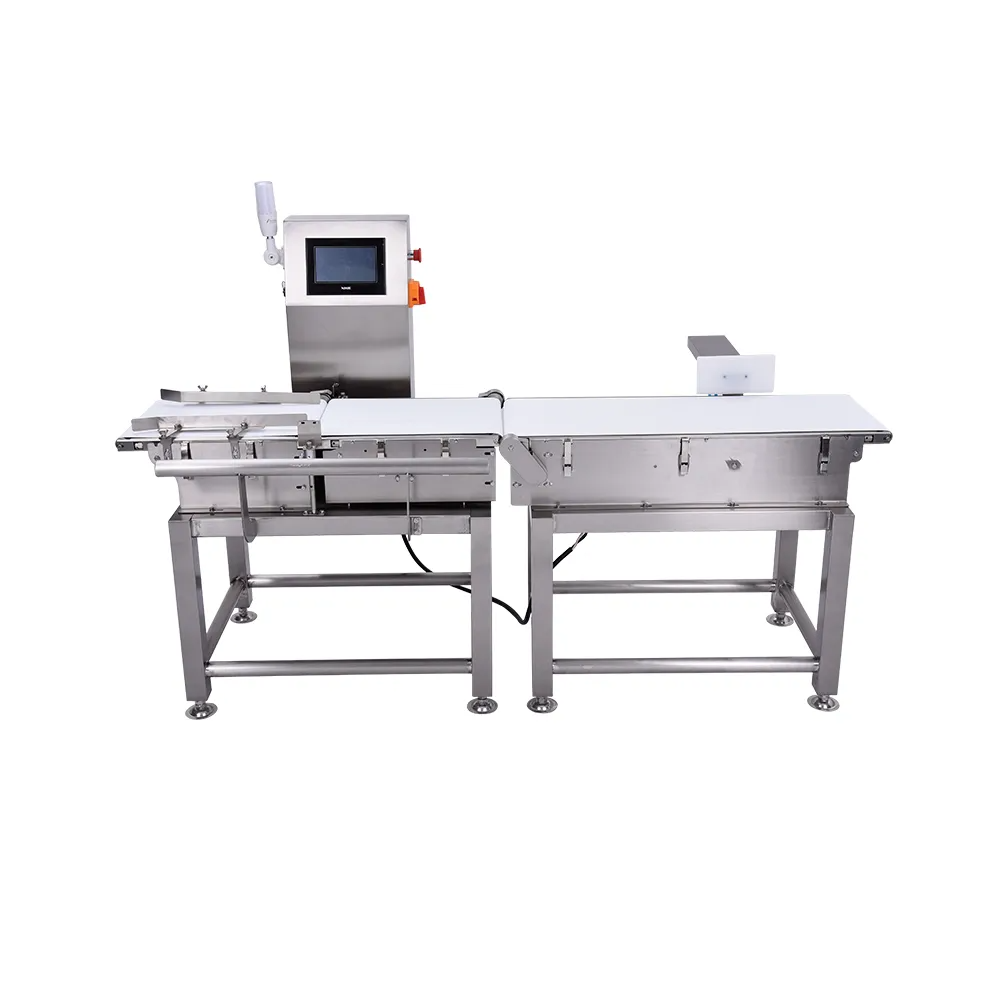
Dropped product errors represent one of the most frustrating operational challenges in modern food and manufacturing facilities. When your weight sorting machine fails to properly grip, transport, or discharge items, production halts, waste accumulates, and customer orders face delays. Understanding the root causes and implementing systematic troubleshooting steps can restore line efficiency and eliminate costly downtime. This guide walks you through the most common failure points, diagnostic techniques, and practical solutions to get your sorting equipment running smoothly again.
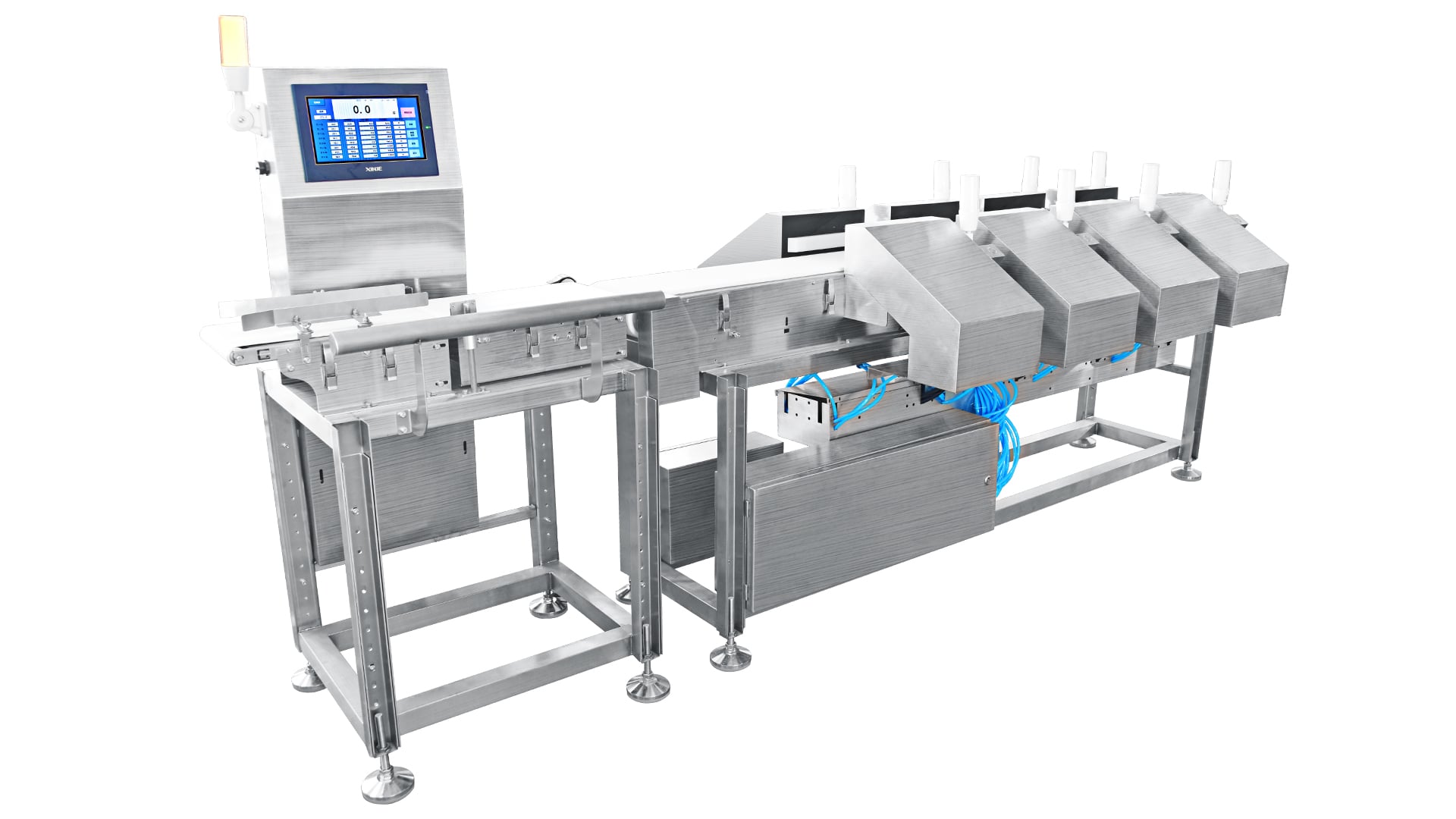
A weight grader or checkweighing sorter relies on precise mechanical and electrical coordination to identify, separate, and discharge products at high speeds. When that system breaks down, dropped items cascade downstream, creating secondary bottlenecks and requiring manual intervention. By mastering diagnostic fundamentals and maintenance practices, operators and technicians can prevent recurring failures and maintain consistent throughput across their sorting equipment lineup.
Identifying the Root Cause of Dropped Products
Mechanical Grip and Ejection Failures
The most common source of dropped products on a weight grader is inadequate grip pressure or misaligned ejection mechanisms. Gripper fingers or conveyor belts that have worn smooth lose friction, causing items to slip during transport or acceleration. Check the condition of rubber contact surfaces, measure friction coefficients, and inspect for cracks, glazing, or contamination from oils and residues. If the weight sorting machine operates in high-humidity or wash-down environments, moisture accumulation can further reduce grip reliability. Replace worn grippers before they reach critical failure points, and establish a preventive replacement schedule based on product type and processing volume.
Sensor and Control Calibration Issues
A checkweighing sorter depends on accurate weight readings to make rejection or acceptance decisions. If sensor calibration drifts or the machine receives conflicting signals, it may eject products prematurely or fail to eject defective items altogether. Recalibrate your sorting equipment sensors weekly using certified reference weights that match the products being processed. Check electrical connectors for corrosion, loose wiring, or moisture intrusion. Verify that the control software is using correct thresholds and that no sensor has been physically displaced due to vibration or impact. Many dropped product issues stem from simple calibration drift rather than mechanical failure, making routine sensor verification essential to sorting equipment reliability.
Troubleshooting Mechanical and Operational Factors
Conveyor Belt Alignment and Tension
Misaligned or insufficiently tensioned conveyor belts on your weight sorting machine create uneven product contact and unpredictable acceleration. Products may tilt, roll sideways, or slip off the belt entirely during sorting equipment operation. Inspect belt tracking by running the empty line and observing whether the belt drifts to one side. Adjust tensioning bolts incrementally and recheck, aiming for approximately one-half inch of deflection when moderate force is applied midway between pulleys. A weight grader operating on a skewed or loose belt will struggle to maintain product orientation, leading to cascading dropped items that disrupt downstream processes. Perform this inspection monthly and after any significant impact or belt replacement.
Product Spacing and Line Speed Synchronization
Insufficient spacing between products or mismatched sorting equipment line speeds cause collisions and jams that force the checkweighing sorter to reject entire batches. Review product spacing recommendations from the manufacturer and adjust infeed speed accordingly. If your weight grader is designed for items spaced at least two inches apart but you are feeding tightly packed products, the ejection mechanism may hit incoming items instead of the target. Test line speeds incrementally, starting at fifty percent capacity and gradually increasing while monitoring for dropped products or collisions. Modern sorting equipment should include load-cell feedback that automatically adjusts speeds, but manual oversight remains critical during changeovers or startup.
Maintenance and Prevention Strategies
Scheduled Inspection and Component Replacement
A proactive maintenance program prevents the majority of dropped product errors on your weight sorting machine. Establish a monthly checklist covering gripper condition, sensor alignment, electrical connections, and belt tension. Document all adjustments and replacements in a maintenance log so patterns emerge over time. For example, if a particular weight grader requires gripper replacement every three months under normal use, you can schedule replacements during planned downtime rather than during unplanned failures. Track bearing wear, motor vibration, and any unusual sounds that indicate imminent mechanical failure. Most sorting equipment manufacturers recommend a comprehensive inspection every six months or every 500,000 items processed, whichever occurs first.
Environmental and Hygienic Considerations
Food and pharmaceutical processing environments expose your checkweighing sorter to moisture, dust, product residue, and temperature fluctuations that accelerate wear. Clean your weight sorting machine thoroughly after each shift using appropriate cleaners that do not leave oily residue. Ensure drainage holes and ventilation slots remain clear of debris. If the sorting equipment operates in a cold-storage or humid environment, inspect for moisture inside motor housings and electrical cabinets. Ice or condensation buildup can short electrical components and freeze mechanical joints. Use appropriate enclosure ratings and consider adding secondary drains or heating elements to equipment housings if environmental conditions warrant. A well-maintained weight grader in a controlled environment will deliver years of reliable service.
FAQ
Why does my weight sorting machine drop products only during peak production hours?
Peak production often involves running your sorting equipment at higher speeds and tighter product spacing, both of which stress gripper friction and timing precision. As line speed increases, the weight grader has less time to identify and eject items accurately. Gripper surfaces may also become heated from continuous friction, reducing grip pressure temporarily. Solution: Run test cycles at target speed while monitoring dropped product rates, verify gripper condition under load, and consider upgrading to high-friction materials if baseline specifications no longer meet your throughput requirements.
Can software updates fix dropped product errors on my checkweighing sorter?
Software updates can address dropped product errors caused by calibration drift, timing misalignment, or communication delays between sensors and ejection controls. However, if the root cause is mechanical wear such as smooth grippers or loose belt tension, software alone will not resolve the issue. Diagnose the problem systematically before updating firmware. Contact the manufacturer to confirm whether a specific version addresses your symptoms. Many modern sorting equipment systems log diagnostic codes that pinpoint whether failures are mechanical or software-driven, allowing targeted troubleshooting.
How often should I recalibrate the sensors on my weight grader?
Recalibrate your weight sorting machine sensors weekly or whenever you change product types or size ranges. Environmental factors such as temperature swings and humidity shifts can cause subtle drift in sensor readings. Many food and pharmaceutical regulations require documented sensor verification at defined intervals, making weekly recalibration a best practice for compliance and reliability. If your sorting equipment includes temperature-compensated sensors, drift will be reduced but not eliminated. Always use certified reference weights and follow the manufacturer's calibration procedure exactly to maintain accuracy and ensure repeatable dropped product prevention.