 EN
EN


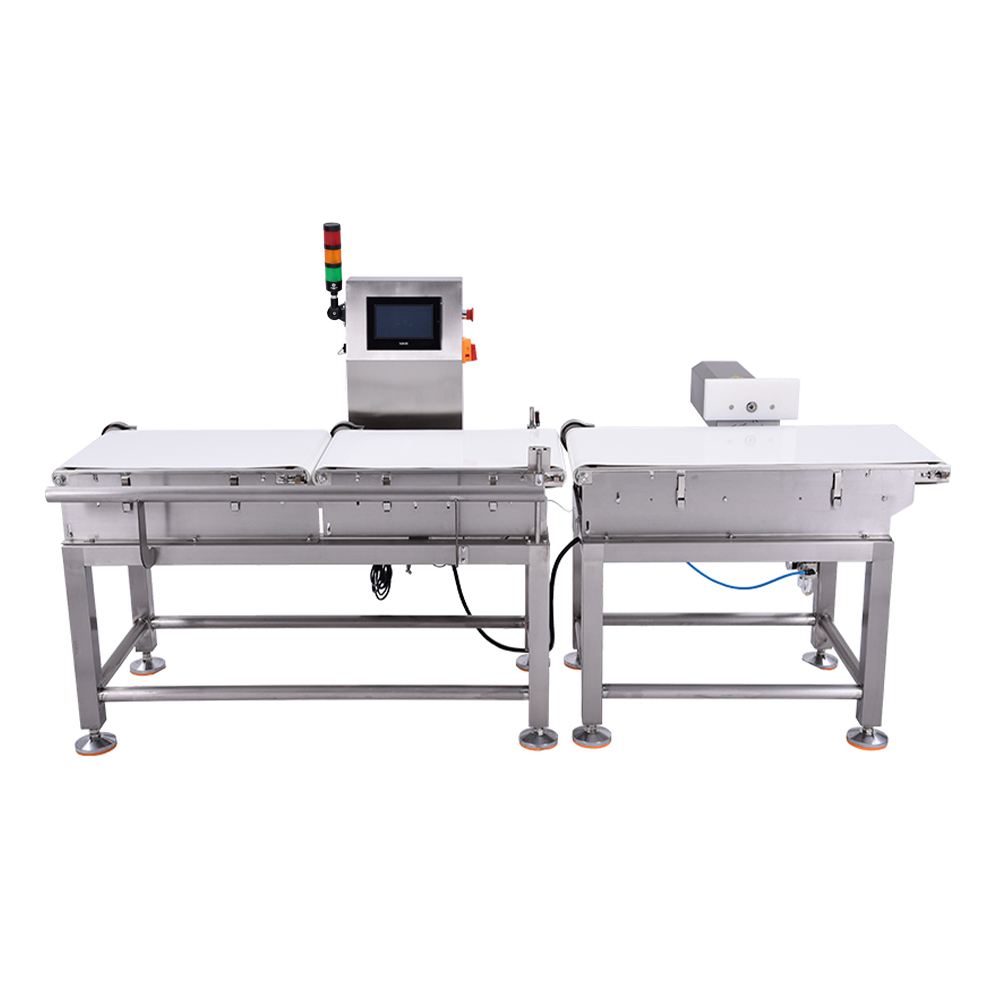
Intermittent false triggers on a food metal detector are among the most frustrating operational challenges in modern food processing facilities. False alarms waste production time, create unnecessary product rejects, and erode confidence in your contamination detection system. Understanding the root causes and implementing targeted troubleshooting steps can dramatically reduce false triggers and restore optimal performance to your packaging line equipment.
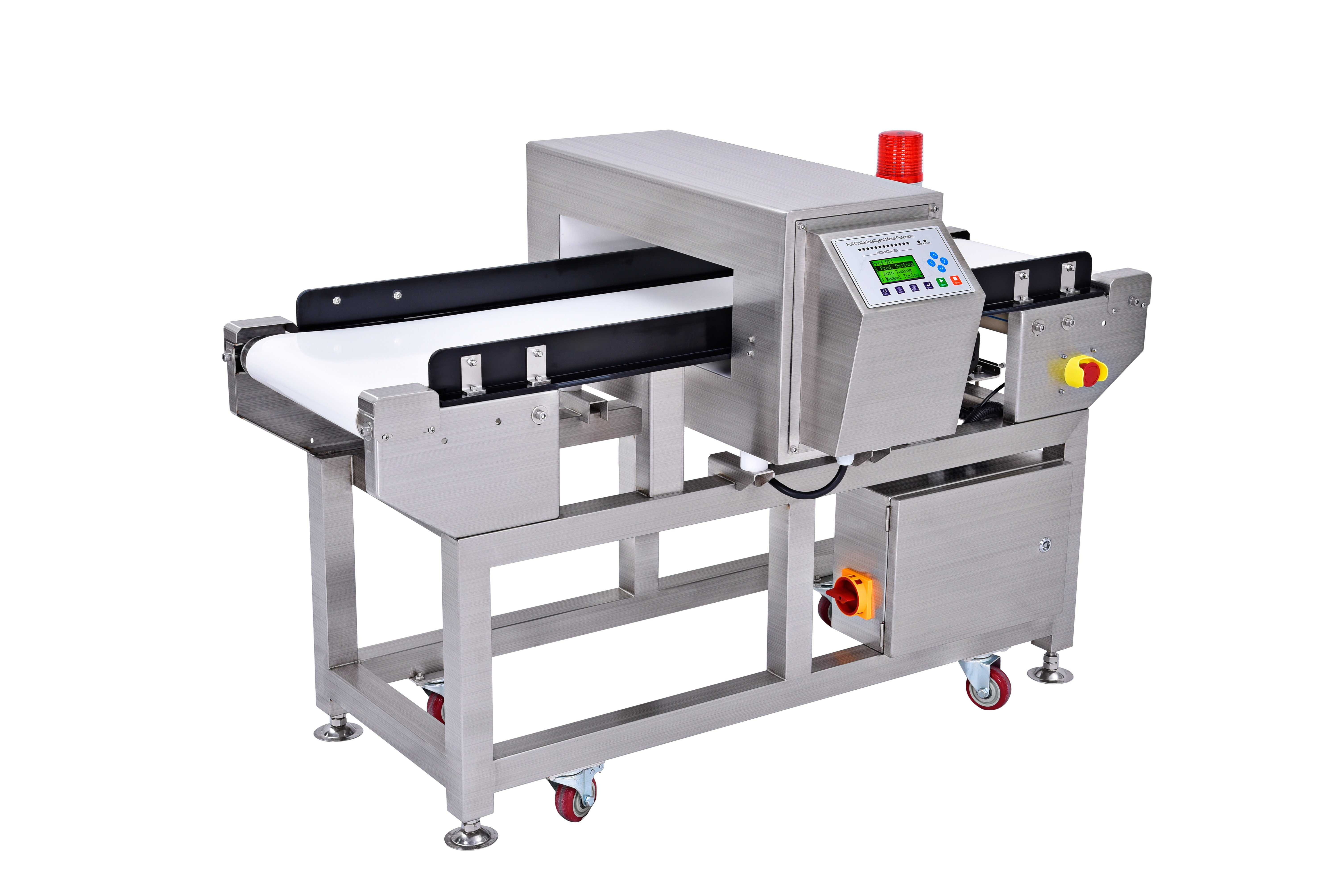
A properly functioning food metal detector is essential for food safety, brand protection, and regulatory compliance. However, even well-maintained industrial metal detector systems occasionally exhibit intermittent false triggers that disrupt production flow. By learning to diagnose and resolve these issues systematically, you can minimize downtime and maintain consistent contamination detection performance throughout your facility.
Understanding Common Causes of Intermittent False Triggers
Environmental and Electromagnetic Interference
One of the primary reasons your food metal detector experiences intermittent false triggers is electromagnetic interference from nearby equipment. High-frequency devices, transformers, welding machines, and radio frequency equipment emit electromagnetic signals that can interfere with the detector's sensitivity calibration. This interference is often intermittent because it depends on whether other machinery is operating at the precise moment your packaging line equipment is scanning products. Environmental factors like temperature fluctuations and humidity changes can also affect sensor responsiveness and trigger thresholds unpredictably.
Grounding issues compound electromagnetic challenges significantly. If your industrial metal detector is inadequately grounded or if the grounding cable is corroded, signal noise increases dramatically. Check that all grounding connections are secure, clean, and properly bonded to the facility's main ground. Loose connections are a common culprit behind intermittent false triggers that appear random but actually correlate with specific equipment operation cycles.
Product Composition and Moisture Variations
The food products themselves can contribute to intermittent false triggers on your food metal detector. High-moisture products, products containing salt, or items with metallic minerals naturally exhibit higher conductivity. When product moisture or salt content fluctuates batch-to-batch, the detector's response sensitivity varies accordingly. Packaging line equipment operators sometimes overlook how product formulation changes directly impact contamination detection performance. An industrial metal detector calibrated for one product specification may generate false triggers when processing a recipe variant with different moisture or ionic content.
Metal contamination detection becomes increasingly challenging with products containing naturally metallic substances like fortified cereals or mineral-enriched beverages. These legitimate product components can trigger false alarms if the detector's threshold settings have not been adjusted to account for background signal levels. Regularly re-evaluating product-specific calibration settings prevents unnecessary false triggers while maintaining robust contamination detection capability.
Systematic Troubleshooting and Diagnostic Approaches
Calibration and Baseline Testing
Begin your troubleshooting process by conducting a complete baseline calibration of your food metal detector. Run standard test samples through the system without product to establish a clean signal baseline. Many intermittent false triggers disappear after recalibration because accumulated dirt, moisture, or electrical drift has shifted the detector's sensitivity parameters. Document the baseline readings and compare them to historical data to identify whether false triggers correlate with specific sensor degradation patterns.
Next, systematically test your industrial metal detector with actual product samples from the batches experiencing false triggers. Establish whether false triggers occur consistently with specific product lots or arise randomly. If false triggers correlate with particular material batches, investigate that batch's composition, moisture content, and packaging materials. This targeted approach helps pinpoint whether your packaging line equipment issue stems from product variables, environmental factors, or detector malfunction.
Hardware Inspection and Maintenance
Physical inspection of your food metal detector's components often reveals obvious problems causing intermittent false triggers. Examine the aperture or opening where product passes through the detection zone for accumulated debris, moisture, or product residue. Buildup on sensor surfaces degrades signal quality and increases false trigger likelihood. Clean the detection zone thoroughly and allow it to dry completely before resuming operation. Many operators find that basic cleaning eliminates intermittent false triggers entirely.
Inspect all cables, connectors, and electrical connections for corrosion, oxidation, or damage. Corroded connections on your industrial metal detector create intermittent electrical faults that manifest as false triggers. Replace damaged cables and ensure all connectors are firmly seated and clean. Check that the metal detector is properly anchored to avoid vibration-induced signal noise during high-speed packaging line equipment operation. Vibration can shift sensitive components just enough to generate intermittent false triggers without indicating catastrophic failure.
Advanced Optimization for Contamination Detection Reliability
Sensitivity Tuning and Product-Specific Settings
Most modern food metal detector systems offer adjustable sensitivity settings specifically designed for different product types and packaging configurations. If your packaging line equipment processes multiple product variants, create product-specific detection profiles that optimize contamination detection while minimizing false triggers for each formulation. Store these profiles in the detector's memory and switch between them as product batches change. This approach prevents the universal settings trap where one calibration compromise creates false triggers for certain products.
Collaborate with your food metal detector manufacturer or service provider to review your current sensitivity configuration against industry best practices for your specific product category. Many industrial metal detector users operate with suboptimal settings they never questioned. A professional audit often reveals simple adjustment opportunities that eliminate intermittent false triggers while improving actual metal contamination detection performance.
Environmental Mitigation and Facility Upgrades
If electromagnetic interference from nearby equipment drives intermittent false triggers on your food metal detector, strategic facility upgrades can resolve the issue. Relocating high-frequency equipment away from the detection zone reduces signal interference. Installing shielded power cables for the industrial metal detector and grounding the cable shield properly can dramatically suppress interference. In severe cases, adding ferrite filters or electromagnetic shielding barriers around the packaging line equipment protects the detector from ambient interference.
Consider your facility's overall electrical infrastructure. If multiple machines share poorly graded power distribution or if grounding connections are corroded throughout the facility, upgrading grounding systems often solves intermittent false triggers system-wide. This investment benefits not only your food metal detector but also overall equipment reliability and personnel safety.
FAQ
Why does my food metal detector trigger intermittently even when no metal is present?
Intermittent false triggers typically result from electromagnetic interference, inadequate grounding, product moisture variations, sensor drift, or accumulated debris in the detection zone. Start by cleaning the detector aperture, recalibrating baseline settings, and checking grounding connections. If problems persist, investigate electromagnetic interference from nearby machinery or request professional diagnostics from your industrial metal detector service provider.
How often should I calibrate my food metal detector to prevent false triggers?
Most food processors should perform baseline calibration at least weekly and after any equipment relocation, environmental change, or product formulation shift. Daily verification checks using standard test samples help catch drift early before it causes intermittent false triggers. Your contamination detection system's manufacturer may recommend more frequent calibration based on your specific packaging line equipment configuration and product characteristics.
Can product packaging materials cause false triggers on industrial metal detectors?
Yes, certain packaging materials containing metallic inks, foil layers, or conductive coatings can trigger intermittent false alarms on a food metal detector. If you recently switched packaging suppliers or changed package design, test whether the new packaging material causes false triggers. Work with your packaging vendor to verify that packaging components comply with your food metal detector's material specifications and don't interfere with contamination detection performance.