 EN
EN


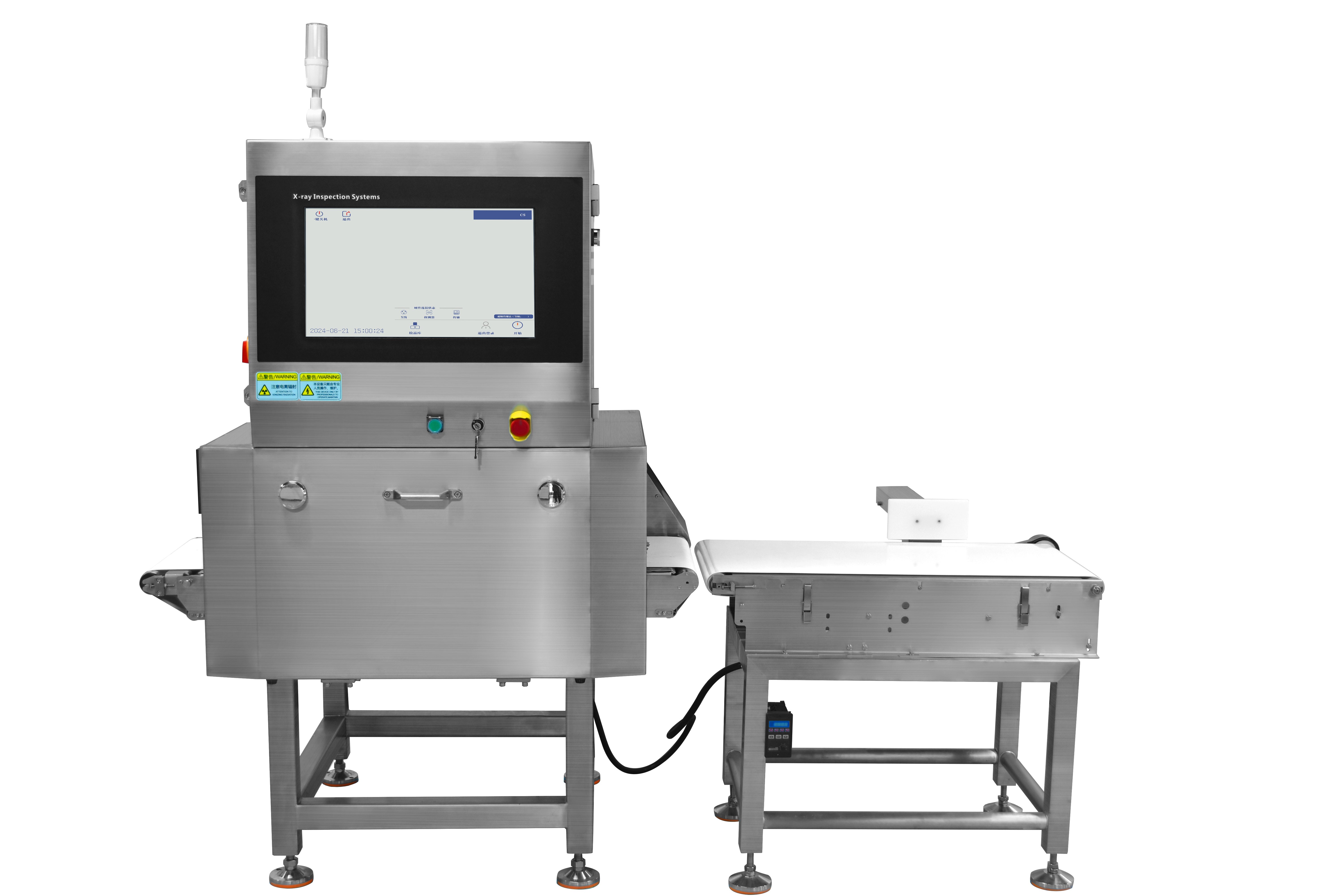
Manufacturing facilities face constant pressure to optimize production floor layouts while maintaining rigorous quality control standards. Space constraints in warehouses, food processing plants, pharmaceutical facilities, and assembly lines create a pressing challenge: how to implement comprehensive product inspection without consuming valuable floor real estate. The integrated metal detector and checkweigher addresses this fundamental operational need by consolidating two critical inspection functions into a single, streamlined unit.
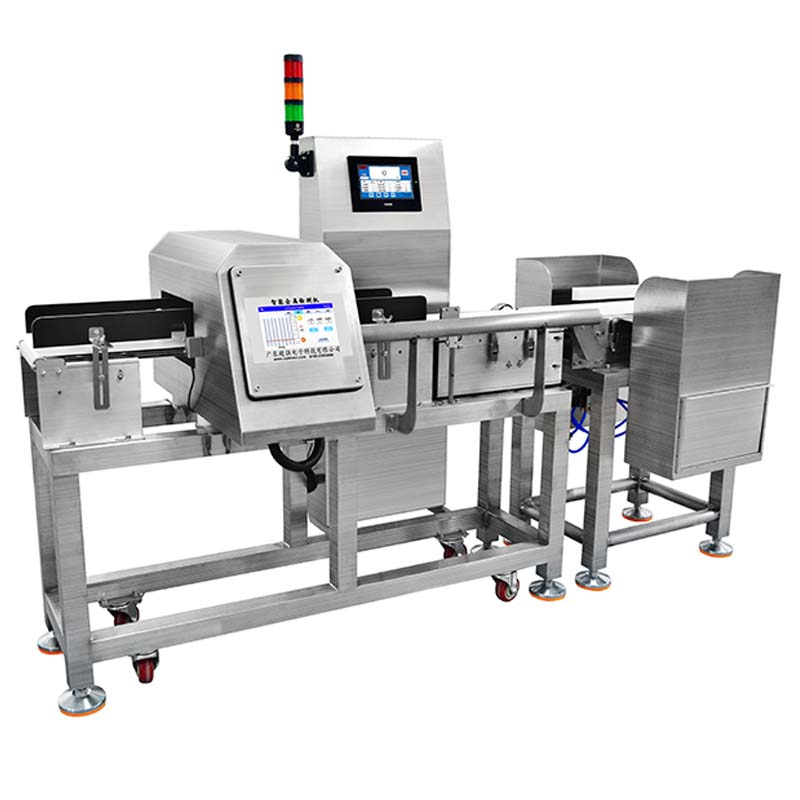
Traditional production environments typically deploy separate metal detection and checkweighing equipment sequentially along the line, each requiring dedicated footprint, electrical connections, and operator interfaces. An integrated combination system collapses this dual-equipment approach into a unified inspection platform. This integration delivers measurable space efficiency, operational simplification, and cost reduction without compromising detection accuracy or weighing precision.
How a Combination System Reduces Facility Footprint
Consolidating Equipment into a Single Unit
A combination system merges metal detection and weight verification into one compact device. Instead of installing a metal detector at one location and a checkweigher downstream, facilities position a single inspection combination unit in the production line. This eliminates approximately 40 to 60 percent of the floor space traditionally required for dual equipment, depending on the layout configuration. The space saving benefit extends beyond the equipment itself—operators no longer need separate access points, maintenance zones, or calibration areas for each function.
The inspection combination technology operates on an integrated conveyor or product handling system. Products move through detection zones for both metal and weight assessment in a continuous, uninterrupted flow. Integration reduces material handling complexity, minimizes product accumulation points, and prevents bottlenecks that would otherwise occur when two separate systems operate sequentially. Facilities with tight production corridors or multi-shift operations benefit significantly from this streamlined approach.
Maximizing Production Line Efficiency
Space saving through combination systems directly translates into operational flexibility. Manufacturing lines can accommodate additional processing equipment, packaging automation, or inventory staging areas in zones previously occupied by separate metal detection and weight verification machinery. For production environments running near full capacity, reclaimed floor space often represents the difference between system expansion and purchasing additional facility real estate. The space saving capability also simplifies future equipment upgrades or production line reconfiguration without requiring facility modifications or additional square footage.
Integrated units typically feature optimized sensor placement and signal processing that reduces the overall physical depth or width compared to side-by-side equipment arrangements. Compact design does not compromise detection sensitivity or weighing accuracy; manufacturers engineer these combination systems to maintain industry-standard performance metrics while reducing dimensional footprint. Facilities gain operational breathing room without sacrificing inspection integrity.
Technical Performance and Dual Inspection Capability
Simultaneous Metal Detection and Weight Verification
An integrated metal detector and checkweigher combination system performs both inspections within the same operational cycle. As products travel through the unit, metal detection sensors scan for ferrous, non-ferrous, and stainless steel contaminants while weight sensors simultaneously measure product mass. Advanced signal processing algorithms analyze both data streams in real time, rejecting products that fail either inspection criterion. This parallel processing eliminates the time delays and product queuing that occur when separate sequential equipment must communicate rejection decisions.
The inspection combination design handles high-speed production environments effectively. Modern combination systems process 100 to 200 products per minute across diverse industries including beverage filling, snack packaging, pharmaceutical tablet production, and meat processing. Dual rejection capability ensures that contaminants do not reach packaging stages and that weight compliance meets regulatory or customer specifications simultaneously. Facilities maintain consistent product quality without the velocity penalties associated with two separate inspection stations.
Integration Advantages for Quality Assurance
Combining metal detection and checkweighing into a single system creates unified quality data logging and traceability. Operators and quality managers access comprehensive product inspection records through one software platform rather than managing separate databases from metal detection and weight verification equipment. This consolidated approach simplifies compliance documentation, reduces administrative overhead, and enables faster trend analysis when quality issues arise.
Maintenance and calibration cycles also streamline through integration. Technicians service one combined unit rather than coordinating downtime across multiple machines. Sensor calibration, system validation, and performance verification occur within a unified framework, reducing technical complexity and associated labor costs. Space saving translates not only into floor area recovery but also into simplified operational management and predictable maintenance scheduling.
Business Impact and Decision Criteria
Cost Effectiveness and Return on Investment
Facilities implementing integrated metal detector and checkweigher technology experience capital cost reduction by approximately 25 to 35 percent compared to purchasing separate equipment systems. Beyond equipment acquisition, the space saving benefit often translates into facility cost avoidance—companies avoid expanding to larger facilities or leasing additional production space. Operating expenses decline through consolidated maintenance contracts, reduced utility consumption from fewer operational units, and decreased labor allocation for equipment management.
The inspection combination approach particularly benefits facilities operating in constrained geographical areas or under lease arrangements where floor space carries substantial monthly costs. Manufacturing sites in urban locations, retrofit situations, or co-located production environments see accelerated financial payback when space saving reduces facility square footage requirements. Return on investment timelines typically range from 18 to 36 months depending on facility size, product volume, and local real estate or lease expense structures.
Suitability Across Industry Verticals
Food and beverage manufacturers represent a primary application segment for combination systems, as contamination prevention and weight accuracy directly support consumer safety and regulatory compliance. Pharmaceutical production environments utilize integrated technology to maintain product integrity while meeting stringent FDA or international quality standards. Cosmetics, nutritional supplements, and personal care manufacturers deploy combination inspection systems to ensure package content accuracy alongside safety verification. Manufacturers across snacking, confectionery, frozen foods, and ready-to-eat sectors report successful space saving implementation with maintained or improved quality metrics.
Industrial and non-food sectors increasingly adopt combination technology as well. Metal components manufacturers, electronics assembly facilities, and assembly-line operations benefit from consolidated inspection protocols. Companies prioritizing production floor optimization, lean manufacturing principles, or facility cost reduction find the inspection combination approach strategically aligned with operational objectives. The space saving advantage applies wherever dual inspection requirements currently consume competing resources.
FAQ
What makes an integrated metal detector and checkweigher superior to separate equipment?
An integrated metal detector and checkweigher combination system occupies significantly less floor space, reduces capital and maintenance costs, and simplifies operational management compared to separate equipment. The inspection combination consolidates two critical functions into one platform, eliminating redundant infrastructure while maintaining detection accuracy and weighing precision. Unified data logging, single-point calibration, and streamlined reject protocols make the space saving investment more efficient operationally and financially.
How much floor space can facilities recover using a combination system?
Most facilities recover 40 to 60 percent of the floor space previously occupied by separate metal detection and checkweighing equipment. The exact space saving percentage depends on the original layout configuration, equipment model specifications, and conveyor integration details. Beyond direct footprint reduction, the inspection combination eliminates separate operator control zones, maintenance access areas, and calibration stations, multiplying the total space saving benefit across the production environment.
Are detection and weighing performance levels maintained in combination units?
Yes, modern integrated metal detector and checkweigher technology maintains industry-standard detection sensitivity and weighing accuracy equivalent to or exceeding separate equipment performance. Advanced sensor engineering and signal processing algorithms enable parallel inspection cycles without performance compromise. The inspection combination approach ensures contaminant detection and weight verification reliability while delivering space saving and operational advantages throughout the product lifecycle.