 EN
EN


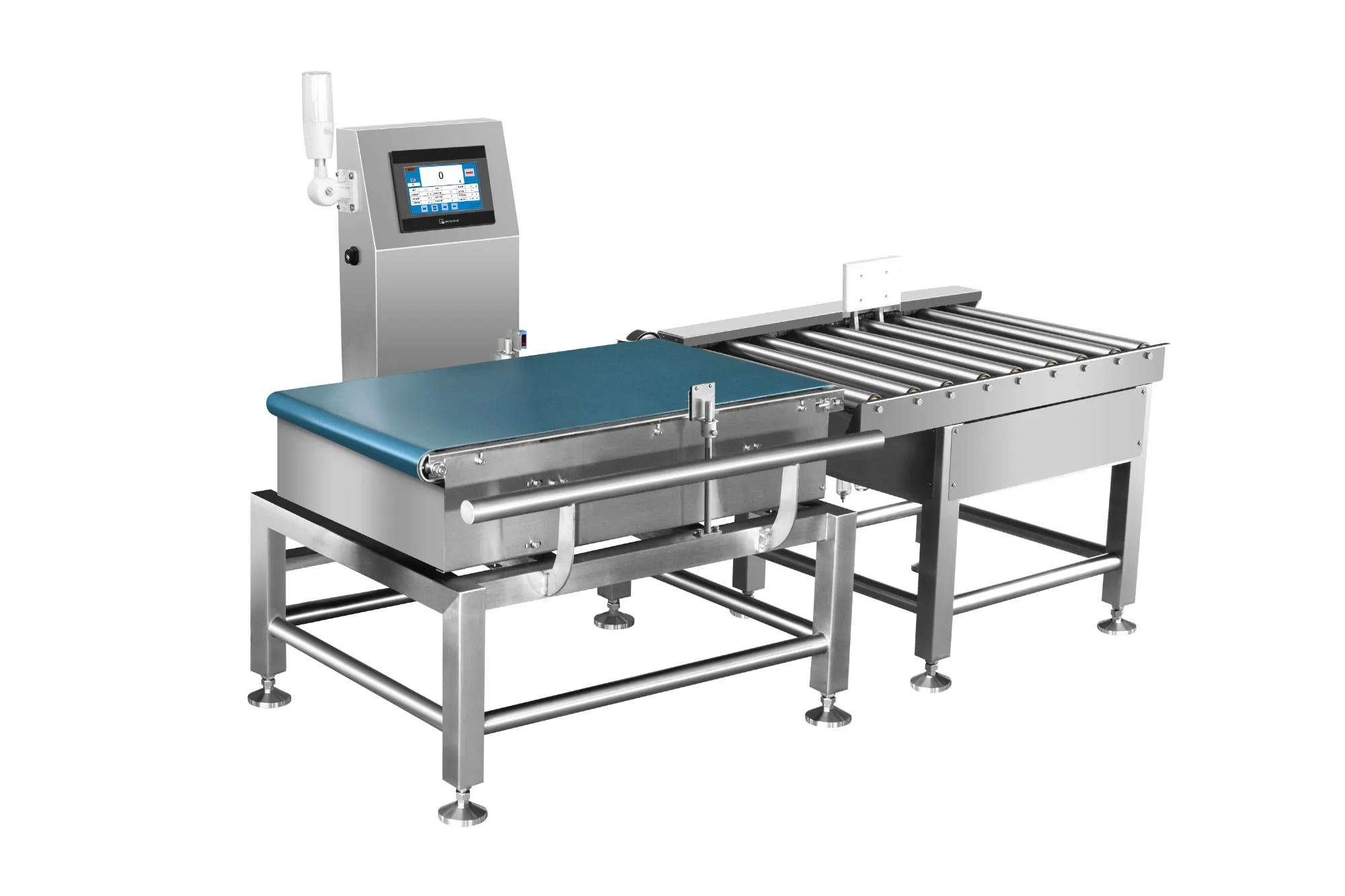
Drive rollers are critical components in any inline checkweigher system, directly influencing the reliability and accuracy of weight verification operations. These rollers transport products smoothly across the conveyor scale while maintaining consistent contact with weighing sensors. Without proper maintenance strategies, drive rollers deteriorate rapidly, causing product jams, measurement errors, and costly downtime that impacts production schedules and quality control outcomes.
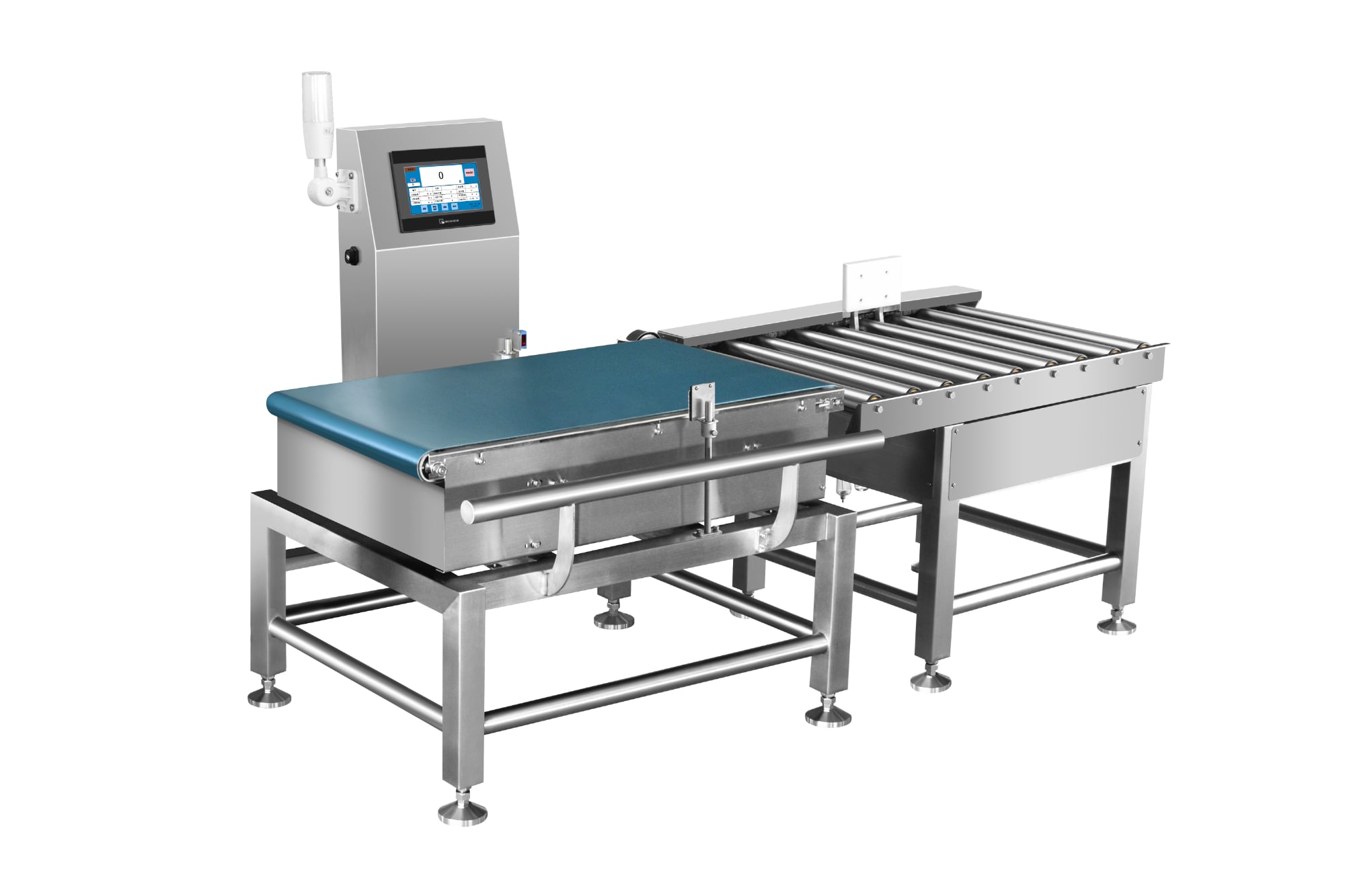
An automatic checkweigher relies on precision movement and flawless timing to deliver accurate results. Drive rollers that lack regular attention accumulate dust, product debris, and moisture, which compromise their rotational efficiency and bearing integrity. Implementing systematic maintenance strategies ensures that your conveyor scale operates at peak performance, extends equipment lifespan, and maintains compliance with regulatory weight verification standards across food, pharmaceutical, and industrial packaging sectors.
Understanding Drive Roller Function in Automatic Checkweigher Systems
Role of Drive Rollers in Conveyor Scale Operations
Drive rollers serve as the mechanical backbone of an inline checkweigher, propelling products forward at controlled speeds while the weighing mechanism captures data. These rollers must maintain consistent surface contact with products, ensuring stable positioning on the conveyor scale during the critical weight verification window. When drive rollers operate smoothly, products move predictably through the system, allowing sensors to capture accurate weight readings without fluctuation or vibration interference.
The automatic checkweigher depends on synchronized roller rotation to maintain product pace and spacing. Uneven wear on drive roller surfaces causes friction variation, leading to product slippage, inconsistent conveyor scale speeds, and weight measurement drift. Industrial packaging applications demand precision that only properly maintained drive rollers can provide, particularly in high-speed environments where hundreds of items pass through the weight verification process each minute.
Common Drive Roller Degradation Factors
Drive rollers degrade through multiple pathways: friction wear from constant product contact, bearing corrosion from moisture exposure, belt slippage, and accumulation of foreign material. In automatic checkweigher installations, product residue and ambient dust settle on roller surfaces, reducing grip and creating microscopic imbalances. Chemical exposure from cleaning processes or product spillage accelerates bearing deterioration, while inadequate lubrication compounds friction stress on both roller shafts and supporting bearings.
Core Maintenance Strategies for Drive Roller Longevity
Preventive Inspection and Cleaning Protocols
A foundational maintenance strategy involves establishing regular inspection intervals aligned with production intensity. For systems running 16 to 24 hours daily, inspect drive rollers weekly for visible wear patterns, surface scoring, or discoloration indicating overheating. Clean roller surfaces thoroughly using compressed air and soft brushes to remove product debris and dust that accumulates during normal inline checkweigher operation. This cleaning process prevents material from embedding into the roller surface and causing uneven weight distribution during conveyor scale measurements.
Visual inspection should include checking for flat spots, cracks, or permanent deformations on the roller body. These defects disrupt the smooth surface contact needed for accurate weight verification and create vibration that propagates through the entire automatic checkweigher frame. Documenting inspection findings helps identify trends, such as accelerated wear in specific roller positions, which may indicate misalignment or belt tension issues requiring corrective action.
Lubrication and Bearing Maintenance
Proper lubrication is essential for reducing friction and extending bearing life in drive roller assemblies. Use manufacturer-recommended lubricants suited to your inline checkweigher environment, whether food-grade for packaging applications or industrial-strength for heavy-duty conveyor scale systems. Apply lubricant to bearing seals and shaft points at intervals specified in equipment documentation, typically every 250 to 500 hours of operation depending on production volume.
Over-lubrication creates as many problems as under-lubrication: excess grease attracts dust and debris, reducing bearing efficiency and shortening service life. Establish a measured lubrication schedule and monitor for signs of leakage or seepage from bearing housings. When lubricant appears dark, gritty, or contaminated, drain and replace it immediately to prevent bearing corrosion that compromises the automatic checkweigher's weight verification accuracy and conveyor scale stability.
Alignment, Tension, and Replacement Protocols
Drive roller alignment directly affects conveyor scale performance and weight measurement consistency. Misaligned rollers cause products to track off-center during the weight verification process, producing unreliable readings and potential product rejects. Check roller alignment monthly using laser alignment tools or dial indicators to ensure parallel positioning. Adjust mounting brackets or bearing housings as needed to restore proper alignment and eliminate wobble or lateral movement.
Belt tension must be monitored and adjusted to prevent slippage while avoiding excessive stress on bearings and roller shafts. A properly tensioned belt transmits drive force efficiently throughout the inline checkweigher system without causing premature wear. When rollers show signs of permanent surface damage, scoring that cannot be cleaned away, or bearing failure, replace them promptly rather than attempting repair. Worn drive rollers compromise both the automatic checkweigher accuracy and product safety in weight verification operations.
Integration with Automatic Checkweigher System Diagnostics
Monitoring Performance Indicators and Data Trends
Modern automatic checkweigher systems provide performance data that reveals drive roller condition indirectly through measurement patterns. Increasing variability in weight readings, rising reject rates, or frequent system stoppages often signal drive roller degradation affecting conveyor scale stability. Track these metrics daily and correlate them with maintenance logs to identify when intervention becomes necessary. When weight verification data shows drift or scatter patterns coinciding with visual roller wear, maintenance becomes urgent.
Coordinating Maintenance with System Calibration
Drive roller maintenance directly impacts the inline checkweigher calibration stability. After cleaning, lubricating, or replacing drive rollers, recalibrate the automatic checkweigher weight verification sensors to ensure accurate baseline measurements. System calibration performed with compromised rollers produces false baselines that degrade weight measurement accuracy throughout subsequent operations. Scheduling calibration immediately after roller maintenance ensures that the conveyor scale reflects true performance capacity.
FAQ
How often should drive rollers be replaced in an inline checkweigher system?
Drive roller lifespan depends on production intensity, product type, and environmental conditions. In high-speed environments running continuous operations, expect to replace rollers every 18 to 36 months. Lighter-duty automatic checkweigher applications may extend roller life to 3 to 5 years. Regular maintenance through cleaning, lubrication, and alignment checks significantly extends intervals between replacements. Monitor performance metrics and visual wear indicators to determine replacement timing for your conveyor scale application.
What maintenance tasks can production staff perform without specialized training?
Production staff can safely perform visual inspections, clean roller surfaces with compressed air, and document wear observations. They can also report unusual vibrations, noise, or product tracking issues that indicate drive roller problems. Lubrication, alignment adjustments, and bearing service require technical training and should be handled by maintenance specialists to prevent safety hazards and equipment damage. Establishing clear protocols ensures that frontline operators recognize inline checkweigher and conveyor scale maintenance needs early.
Can drive roller issues affect weight verification accuracy in an automatic checkweigher?
Yes, drive roller degradation directly impacts weight verification accuracy by introducing vibration, inconsistent product positioning, and measurement drift. Worn rollers cause products to move irregularly across the weighing platform, creating scatter in sensor readings and false reject signals. The relationship between conveyor scale stability and weight verification precision makes drive roller maintenance critical for maintaining regulatory compliance and reducing costly product rejects in automatic checkweigher operations.