 EN
EN


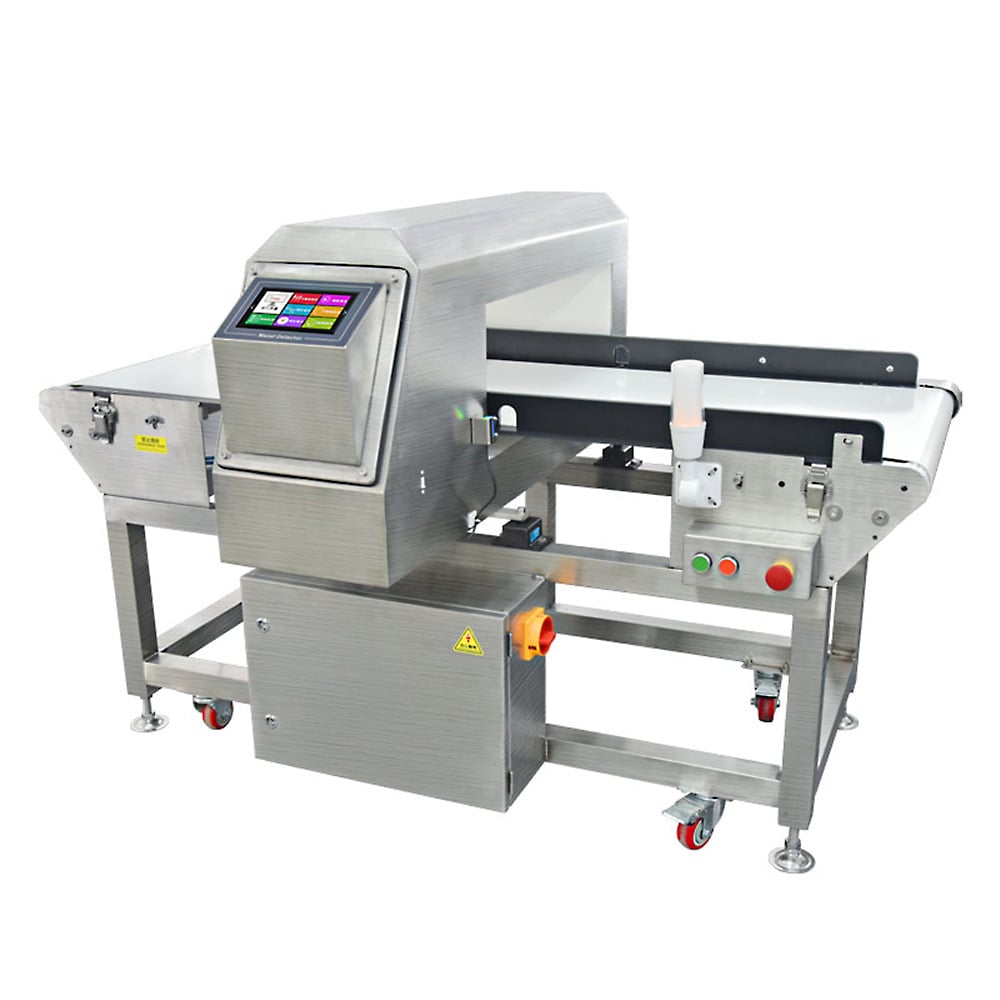
Managing dual rejection tracking within an integrated metal detector and checkweigher system represents a critical challenge in modern food, pharmaceutical, and manufacturing quality control operations. When metal detection and weight verification occur within a single combination system, tracking which rejection event triggered the product removal becomes essential for root cause analysis, compliance documentation, and process optimization. Dual rejection tracking ensures that facility managers understand whether contamination was detected, weight variance occurred, or both conditions were present simultaneously. This capability directly impacts your ability to maintain regulatory compliance, reduce false rejection rates, and optimize production efficiency across your entire line.
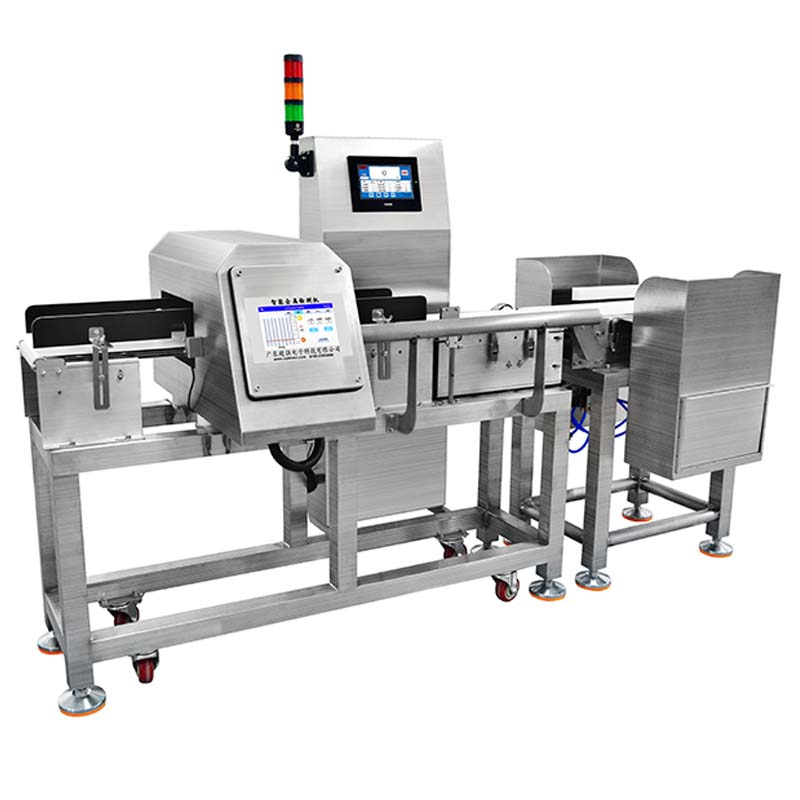
An inspection combination that integrates both detection technologies into one compact unit delivers significant space saving benefits while streamlining your production workflow. However, this consolidation introduces complexity in data logging and rejection documentation. Modern integrated systems employ sophisticated algorithms to distinguish between metal contamination events and weight-related rejections, recording each trigger independently while maintaining a unified production history. Understanding how to properly configure, monitor, and interpret dual rejection tracking data ensures your facility maximizes the advantages of a combination system without sacrificing traceability or creating blind spots in your quality assurance process.
Understanding Dual Rejection Architecture in Combination Systems
How Metal Detection and Weight Verification Coexist
An inspection combination system performs sequential or simultaneous detection operations within a single housing. Metal detection typically occurs first or in parallel with checkweighing, depending on your product flow design. The integrated metal detector and checkweigher combination system captures rejection signals from both sensors and must transmit this data to your quality management interface. Each detection event generates a timestamp, product ID, rejection reason code, and severity level. When a single product triggers both metal and weight rejections simultaneously, the system must classify this as a dual-failure event rather than two separate rejections. This architectural consideration directly affects how you interpret your rejection data and how operators respond to quality alerts.
Data Signal Integration and Logging Mechanisms
The combination system relies on a central processing unit that receives simultaneous inputs from the metal sensor array and the load cell or image-based weight verification sensor. These signals are time-stamped and logged to a local database or transmitted to a networked quality management system. Space saving in your facility becomes possible because both detection functions share infrastructure, conveyor integration, and power supplies. However, this shared infrastructure requires careful calibration to prevent one sensor from interfering with the other. Your inspection combination must employ isolation techniques, such as shielded cabling and independent amplification stages, to ensure each detection modality reports accurate, independent data. The dual rejection tracking capability depends entirely on maintaining this separation at the signal processing level while integrating the results at the data logging level.
Configuring Rejection Thresholds and Decision Logic
Setting Metal Detection Sensitivity Without False Rejects
Metal detection sensitivity in an integrated metal detector and checkweigher system must balance contamination protection with operational efficiency. If sensitivity is set too high, your rejection rate climbs and your production speed suffers due to frequent false alarms. If sensitivity is set too low, actual ferrous and non-ferrous contaminants pass through undetected. Your facility should establish baseline sensitivity levels based on your product category, packaging materials, and regulatory requirements. The combination system allows you to store multiple sensitivity profiles, enabling rapid switching between different product lines without recalibration downtime. Space saving advantages emerge because you eliminate the need for separate metal detectors on different lines; instead, a single integrated unit handles multiple products through programmable threshold switching.
Weight Acceptance Bands and Rejection Criteria
The checkweigher component of your combination system establishes upper and lower weight limits that trigger rejection when products exceed or fall below these thresholds. These acceptance bands must account for moisture content variation, ingredient density shifts, and normal production variance. Your inspection combination should allow dynamic band adjustment based on environmental factors such as humidity and temperature. When dual rejection occurs, your system logs both the weight deviation magnitude and the metal contamination severity, providing operators with comprehensive diagnostic information. Proper configuration of these bands prevents unnecessary rejections due to normal product variance while protecting against underfilled or overfilled packages. The space saving benefit of consolidating both functions into one unit extends to reduced control panel complexity, as both thresholds are managed through a single software interface rather than multiple independent systems.
Implementing Effective Tracking and Reporting Systems
Real-Time Rejection Data Capture and Storage
An integrated metal detector and checkweigher combination system must capture rejection events with millisecond precision to maintain accurate production records. Real-time data logging includes the rejection timestamp, product batch identification, rejection reason code, and sensor signal magnitude. Your facility should implement a data storage architecture that preserves both raw sensor signals and interpreted rejection classifications. This dual-layer recording enables root cause analysis when rejection patterns become anomalous. An inspection combination that integrates both detection modalities simplifies this data flow because all rejection signals originate from a single source rather than multiple independent devices scattered across your production line. Space saving extends beyond physical footprint to include reduced cabling complexity and simplified system integration, which translates directly to more reliable data capture and fewer communication errors between devices.
Creating Actionable Rejection Reports and Alerts
Your quality management personnel require reports that clearly distinguish between metal contamination events, weight rejections, and dual failures. An integrated metal detector and checkweigher combination system should generate customizable dashboards that display rejection frequency, trend analysis, and severity metrics for each detection type. Alerts should escalate based on rejection rate thresholds; for instance, if metal rejections exceed 2% of total throughput within a specified time window, your system triggers an operator notification prompting immediate investigation. These reports also support regulatory documentation by providing timestamped evidence that your inspection combination maintained adequate detection sensitivity throughout production runs. Space saving benefits include consolidated reporting from a single combination system rather than aggregating data from separate devices, reducing administrative overhead and minimizing data reconciliation errors.
Troubleshooting Common Dual Rejection Tracking Issues
Addressing False Positives and False Negatives
An integrated metal detector and checkweigher combination system occasionally reports rejections for products that meet all quality criteria. False positives in metal detection typically stem from sensitivity misalignment, electromagnetic interference, or inadequate shielding. False negatives in weight verification may result from load cell drift, environmental temperature fluctuations affecting calibration, or packaging material variations affecting optical measurement accuracy. Your inspection combination should include built-in diagnostics that verify sensor operation during idle periods or between production runs. Space saving benefits become compromised when false rejection rates force operators to bypass the system or reduce its effectiveness through sensitivity reduction. Proper troubleshooting involves isolating each detection modality to determine whether the combination system is malfunctioning or whether your threshold settings require adjustment based on actual product characteristics.
Maintaining System Calibration and Performance Verification
Regular calibration ensures your integrated metal detector and checkweigher combination system maintains detection accuracy over time. Metal detectors should be tested monthly using standardized reference samples containing known ferrous and non-ferrous contamination levels. Checkweighers require calibration verification using calibrated test weights spanning your product's entire acceptable weight range. An inspection combination that remains properly calibrated delivers consistent rejection tracking data that supports both operational decisions and regulatory compliance. Your facility should maintain a calibration log documenting all verification activities, sensor adjustments, and any threshold modifications. Space saving investments in a combination system only deliver value when your maintenance program ensures consistent performance; otherwise, reliability uncertainty forces you to supplement the integrated unit with backup detection equipment, negating space and cost advantages.
FAQ
How does an integrated metal detector and checkweigher track rejections simultaneously?
The combination system employs independent sensor circuits that feed into a central processor, which timestamps each rejection event and logs whether it originated from metal detection, weight verification, or both functions triggered by the same product. This architecture allows your facility to maintain precise traceability of which quality parameter caused rejection, enabling targeted corrective actions and regulatory compliance documentation.
What space saving advantages does a combination system provide compared to separate detection equipment?
An inspection combination consolidates two detection functions into a single physical footprint, reducing conveyor infrastructure requirements, eliminating duplicate integration points, and simplifying electrical integration. This space saving extends to control systems, as both functions operate through unified software rather than multiple independent interfaces, reducing panel complexity and cabling runs throughout your production facility.
Can an integrated metal detector and checkweigher system handle rapid product format changeovers?
Yes, modern combination systems store multiple detection profiles that can be activated instantly through software selection, enabling format changeovers in minutes rather than hours. Your inspection combination can maintain separate metal detection sensitivities, weight acceptance bands, and rejection criteria for each product type, with space saving achieved by using one integrated unit rather than reconfiguring or swapping separate detection devices.