 EN
EN


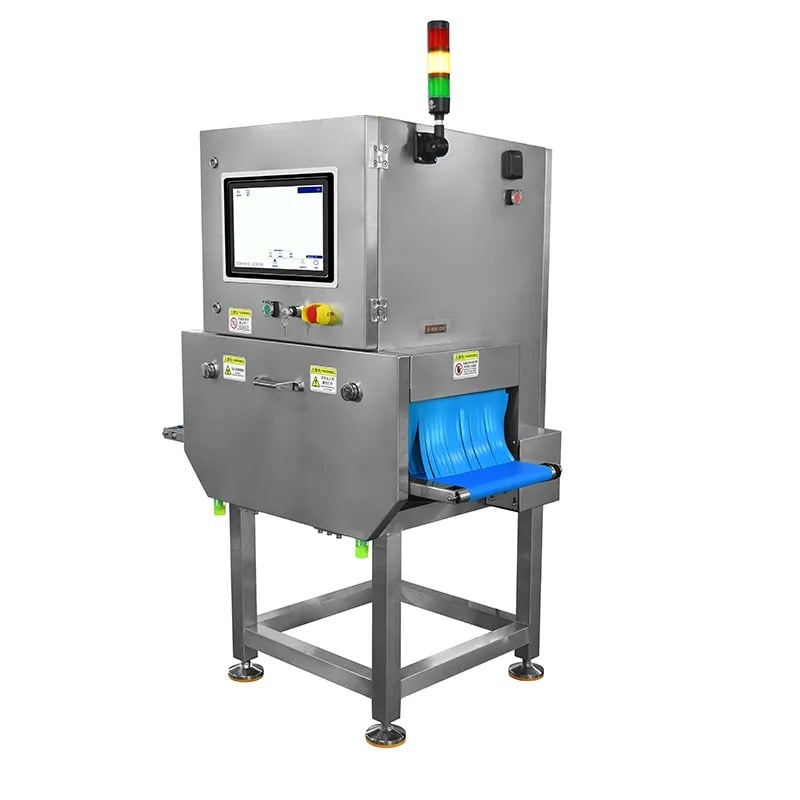
Food safety has become a critical concern for manufacturers and retailers worldwide. Consumers expect products to be free from harmful contaminants, and regulatory agencies demand rigorous inspection protocols. The x ray detector food industry has evolved significantly to meet these demands, with dual energy imaging emerging as a transformative technology that enhances detection capabilities far beyond conventional single-energy systems.
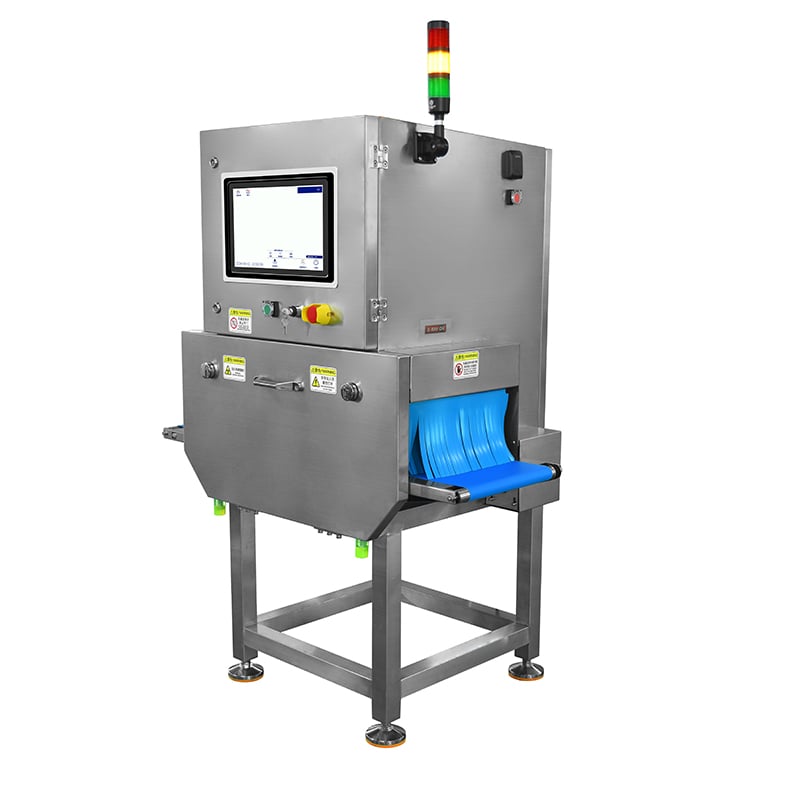
Dual energy x ray imaging represents a fundamental shift in how food manufacturers approach product inspection. By simultaneously capturing images at two different energy levels, this technology provides material composition data that single-energy systems cannot deliver. This capability translates directly into better detection of foreign objects, improved identification of density variations, and enhanced capability to distinguish between materials that standard x ray imaging would miss entirely.
Understanding Dual Energy Technology in Food Inspection
How Dual Energy Systems Work
Dual energy x ray imaging operates by exposing products to x rays at two distinct energy levels during a single inspection cycle. Low-energy x rays interact primarily with lighter elements, while high-energy x rays penetrate deeper into materials and interact differently with various atomic compositions. The system captures both datasets simultaneously, then combines them to generate detailed material composition maps. This approach allows food safety scanners to distinguish between different contaminants and product components with unprecedented precision, enabling detection of materials that would appear identical under conventional single-energy imaging.
Material Discrimination Advantages
The primary strength of dual energy x ray imaging lies in its material discrimination capability. Different substances exhibit distinct x ray absorption characteristics at different energy levels. Glass, metal, bone, and dense plastic contaminants each produce unique signatures across the dual energy spectrum. A food safety scanner using this technology can differentiate between these materials and the food product itself with far greater accuracy than traditional methods. This specificity reduces false positives significantly, which improves production efficiency while maintaining rigorous safety standards.
Contaminant Detection and Industry Performance
Enhanced Detection Sensitivity
Contaminant detection in food processing demands sensitivity to objects as small as one millimeter in some applications. Dual energy x ray imaging achieves this level of detection while simultaneously providing information about material composition. The system can identify foreign objects that might escape traditional metal detectors or single-energy x ray systems, including ceramic fragments, certain types of contaminated materials, and density anomalies within products. This enhanced performance directly translates to improved product quality and reduced risk of recalls that damage brand reputation and consumer trust.
Real-World Industry Applications
The x ray detector food industry uses dual energy technology across diverse product categories. Bakery items benefit from the ability to detect fine glass fragments and metal shards that could harm consumers. Meat and seafood processors rely on this imaging to identify bone fragments and other hard contaminants. Pharmaceutical and confectionery manufacturers employ dual energy x ray systems to meet stringent purity requirements. Each application demands sensitivity tailored to specific contaminant profiles, and dual energy technology provides the adaptability to address these varied requirements while maintaining consistent inspection speed and throughput.
Regulatory Compliance and Safety Standards
Meeting Global Food Safety Requirements
Regulatory agencies worldwide have established stringent requirements for food safety inspection. The Food and Drug Administration, European Commission, and other regulatory bodies increasingly expect manufacturers to implement detection technologies that exceed basic compliance thresholds. Dual energy x ray imaging demonstrates clear advantages in meeting these expectations by providing comprehensive inspection data and reducing the likelihood of missed contaminants. Manufacturers equipped with advanced x ray imaging can document their inspection protocols with detailed material composition analysis, providing regulatory agencies with transparent evidence of systematic safety management.
Documentation and Traceability
Modern food safety scanners equipped with dual energy x ray imaging capability generate detailed inspection records that support traceability and recall management. Each product inspected produces a unique dual energy signature that can be archived and referenced. Should a safety issue arise, manufacturers can retrieve historical inspection data to determine when and where a problem product was processed. This documentation capability strengthens regulatory compliance and provides manufacturers with data to support quality improvement initiatives. The combination of contaminant detection and comprehensive record-keeping transforms x ray imaging from a simple inspection tool into a strategic component of food safety management systems.
FAQ
What makes dual energy x ray imaging superior to single-energy systems?
Dual energy x ray imaging captures material composition data at two distinct energy levels, enabling precise discrimination between different contaminants and product components. Single-energy systems produce only intensity-based images that cannot distinguish between materials with similar density. Dual energy x ray imaging can identify the specific nature of foreign objects and density anomalies, resulting in fewer false positives and more reliable detection of actual contaminants across diverse food products.
How does contaminant detection using dual energy technology improve production efficiency?
By accurately distinguishing between genuine contamination and product variations, dual energy x ray imaging reduces the number of false-positive rejections that disrupt production flow. A food safety scanner using this technology maintains high detection sensitivity while minimizing unnecessary product loss, allowing manufacturers to operate at optimal throughput. The improved accuracy means fewer false alarms that would otherwise require manual inspection and product rework, directly translating to reduced operational costs and improved production efficiency.
Is dual energy x ray imaging technology widely adopted in the food industry?
Dual energy x ray imaging adoption is growing rapidly among manufacturers committed to advanced food safety standards. Large-scale processors, premium product manufacturers, and companies operating in highly regulated markets have embraced this technology as a competitive advantage. As regulatory requirements tighten and consumer expectations rise, the x ray detector food industry continues expanding its use of dual energy systems. While adoption rates vary by region and product category, the technology is becoming increasingly standard for manufacturers prioritizing product safety and regulatory compliance.