 EN
EN


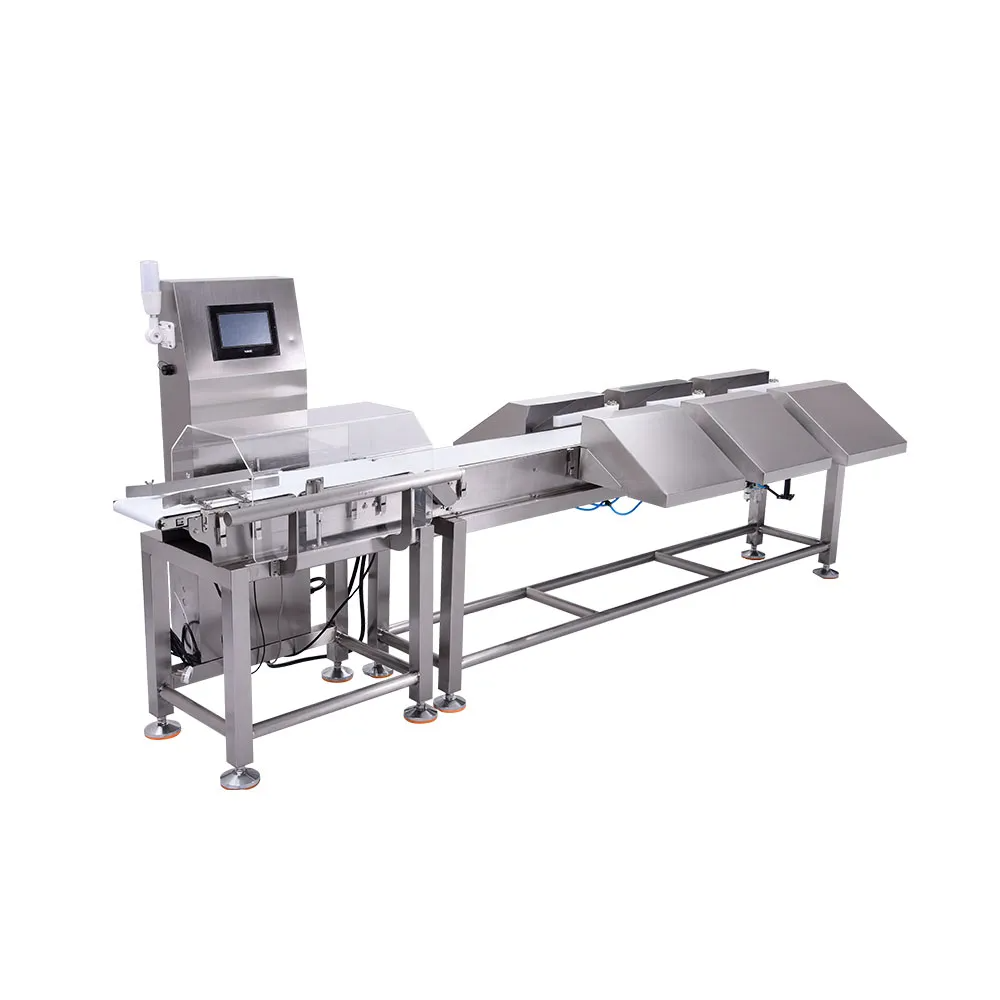
Maximizing throughput in automated processing operations requires careful attention to equipment configuration and operational parameters. A weight sorting machine represents one of the most critical investments in production lines where precision and speed must work in harmony. Understanding how to optimize throughput limits directly impacts production efficiency, reduces bottlenecks, and ensures your sorting equipment operates at peak capacity without compromising accuracy or product integrity.
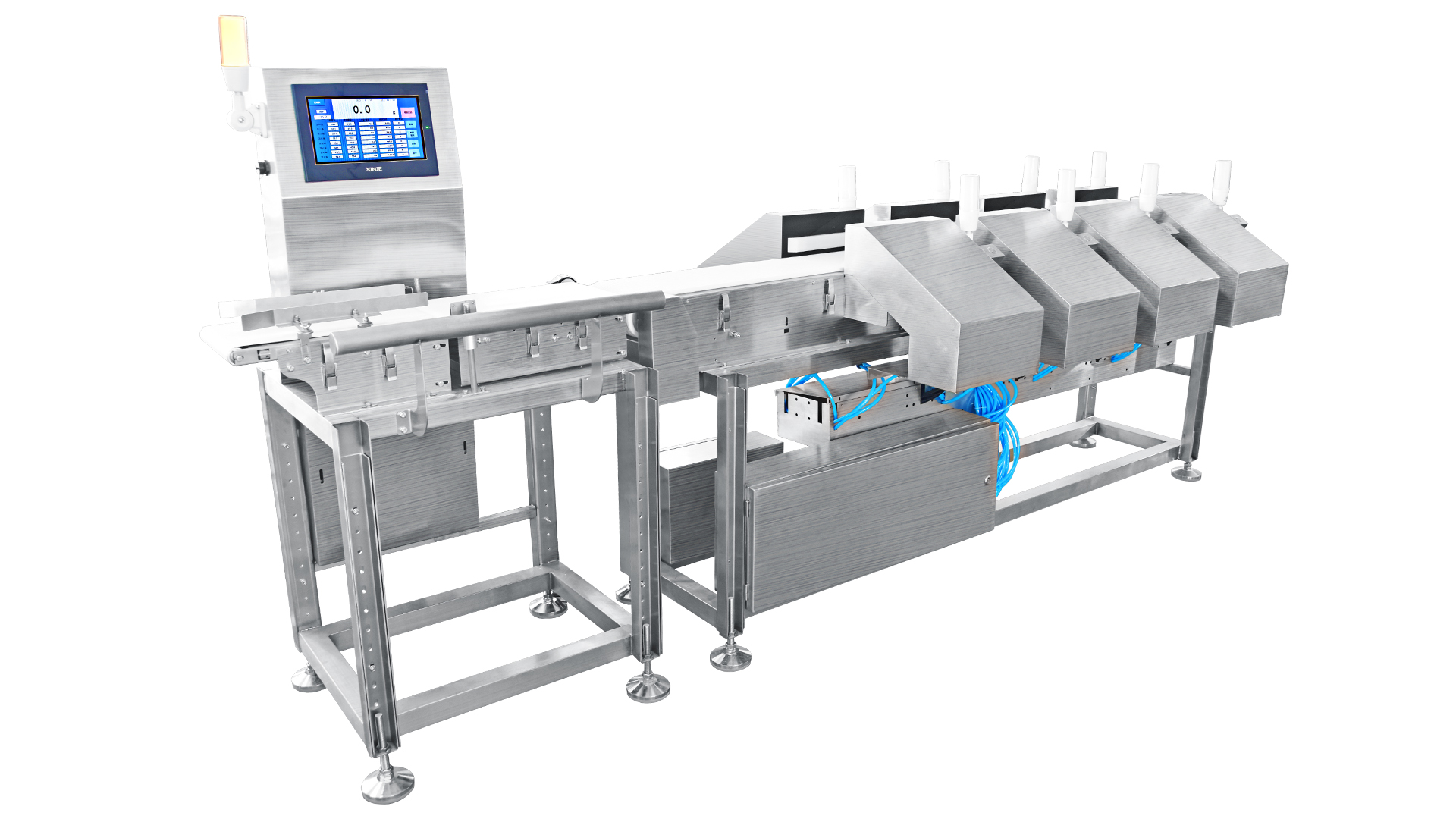
Optimizing a weight grader system involves more than simply running the equipment faster. It requires understanding the interaction between mechanical design, sensor calibration, product characteristics, and system parameters. Organizations that master this optimization process gain competitive advantages through improved throughput, reduced waste, and enhanced product consistency. This guide explores practical strategies for extracting maximum performance from your automated sorting equipment while maintaining quality standards and equipment longevity.
Understanding Throughput Limits and System Constraints
Identifying Physical and Operational Bottlenecks
Every weight grader system operates within defined throughput boundaries determined by mechanical speed, processing architecture, and detection capabilities. The primary factors limiting throughput include conveyor belt speed, sensor response time, product presentation rate, and rejection mechanism capacity. Understanding these constraints allows operators to identify which factor most significantly restricts your sorting equipment performance. Modern weight sorting machine designs incorporate variable speed control, but mechanical tolerances and sensor refresh rates ultimately establish hard limits that cannot be exceeded without equipment modification.
Secondary constraints often emerge from product characteristics and environmental conditions. Irregular product shapes, size variations, and material composition affect how efficiently a checkweighing sorter can process items. Dense products move differently through the system than lighter materials, requiring calibration adjustments. Environmental factors including temperature fluctuations, humidity, and vibration also influence sorting equipment precision and speed capabilities. Recognizing these interconnected constraints prevents operators from pursuing unrealistic throughput targets that would compromise accuracy or damage equipment.
Establishing Baseline Performance Metrics
Before optimizing throughput, establish accurate baseline measurements of current weight sorting machine performance. Document processing speed in items per minute, accuracy rates, rejection rates, and downtime frequency. A weight grader should be monitored across multiple production runs to capture realistic operational data. Baseline metrics reveal whether your checkweighing sorter operates below capacity or already approaches maximum limits. This information guides optimization strategy, showing whether improvements should focus on increasing speed, enhancing accuracy, or addressing reliability issues affecting overall throughput.
Optimization Techniques for Enhanced Throughput
Calibration and Sensor Alignment Strategies
Proper sensor calibration represents the foundation of weight sorting machine throughput optimization. Load cells and detection systems must be calibrated according to product specifications and operational parameters. A weight grader with misaligned sensors creates false rejections and false acceptances, reducing effective throughput by forcing manual intervention or product rework. Regular calibration checks, typically performed weekly or before production runs with new products, ensure consistent sorting equipment accuracy. Multi-point calibration using known reference weights provides superior accuracy compared to single-point calibration, particularly when sorting equipment processes products across wide weight ranges.
Sensor placement and environmental isolation significantly impact performance. The checkweighing sorter operates most reliably when sensors are protected from direct product contact, dust accumulation, and vibration sources. Installing equipment on stable platforms with vibration-dampening systems improves measurement consistency. Air currents and temperature variations near sensors should be minimized through environmental controls. Operators should verify sensor electronics are functioning within specified parameters and replace aging components proactively to maintain weight sorting machine reliability and throughput capability.
Speed and Product Flow Optimization
Conveyor belt speed directly influences weight grader throughput but must be balanced against product presentation time and measurement accuracy. Increasing belt speed beyond the sensor's measurement window creates timing errors and measurement failures. The optimal speed allows sufficient time for the weight grader to measure each product accurately while maximizing items processed per minute. This balance varies by product type, weight range, and sorting equipment design specifications. Testing incrementally increased speeds while monitoring accuracy rates identifies the maximum sustainable throughput for your checkweighing sorter configuration.
Product spacing and presentation consistency also affect throughput optimization. Regular product spacing prevents bunching at the weight grader entrance, which can cause measurement errors and rejection issues. Feed systems should distribute products uniformly across the conveyor to ensure each item receives proper measurement by the sorting equipment. Unstable or inconsistent product presentation forces the weight grader to operate below optimal speed, reducing overall throughput. Pre-sorting and orienting products before they reach the checkweighing sorter can substantially improve processing efficiency and weight sorting machine capacity utilization.
Mechanical and Electrical System Maintenance
Preventive maintenance directly correlates with sustained throughput optimization in weight sorting machine operations. Worn conveyor belts, deteriorated rollers, and misaligned components reduce the sorting equipment's ability to maintain consistent product flow and accurate measurements. Establishing a maintenance schedule addressing belt tension, roller bearing condition, and mechanical alignment prevents premature throughput degradation. The weight grader's electrical systems, including control boards and sensor electronics, require periodic inspection to catch developing issues before they impact performance or cause extended downtime.
Lubrication, cleaning, and component replacement follow manufacturer specifications to maintain weight grader reliability. Dust and product residue accumulation on mechanical components and sensors compromises checkweighing sorter performance over time. Regular cleaning protocols and environmental controls minimize debris accumulation. Scheduled replacement of wear items, including belts and rollers, maintains consistent throughput rather than waiting for catastrophic failures. This proactive approach to sorting equipment maintenance ensures your weight sorting machine operates reliably near its optimized throughput capacity throughout its service life.
Advanced Optimization and Performance Enhancement
Software Configuration and Parameter Tuning
Modern weight sorting machine systems incorporate sophisticated software controls that significantly influence throughput optimization. Filtering parameters, measurement averaging algorithms, and decision logic settings directly affect how quickly the weight grader can process products accurately. The checkweighing sorter's response time settings must balance measurement precision against processing speed. Aggressive filtering improves accuracy but increases decision time, while minimal filtering enables faster throughput but risks accuracy losses. Finding the optimal balance for your specific product and application requires systematic testing and data analysis.
Data logging and performance analysis capabilities in modern sorting equipment enable continuous optimization. Recording detailed measurements, rejection data, and system performance metrics reveals patterns and opportunities for improvement. The weight grader's control system should track which weight ranges experience higher rejection rates or accuracy variance, guiding targeted calibration adjustments. By analyzing checkweighing sorter performance data, operators can identify drift conditions before they severely impact production quality and adjust parameters proactively to maintain optimized throughput.
Integration and Workflow Efficiency
Weight sorting machine throughput optimization extends beyond the equipment itself to encompass entire production workflows. Upstream feeding systems must supply products consistently to the weight grader at speeds matching the sorting equipment's processing capacity. Downstream handling systems should efficiently remove rejected and accepted products without creating bottlenecks. The checkweighing sorter's position within the production line influences overall throughput; equipment placed strategically minimizes product movement and re-handling. A weight grader integrated seamlessly with complementary systems achieves substantially higher effective throughput than identical equipment operating in isolation.
Communication between the weight sorting machine and plant control systems enables dynamic throughput adjustment based on production requirements and downstream capacity. Modern sorting equipment interfaces with manufacturing execution systems to coordinate production speed, quality requirements, and material flow. The weight grader adjusts processing parameters automatically based on real-time feedback, optimizing throughput while maintaining specified quality standards. This integrated approach to sorting equipment operation maximizes facility productivity and ensures the checkweighing sorter contributes effectively to overall production objectives.
FAQ
What factors determine maximum throughput for a weight sorting machine?
Maximum throughput is determined by sensor response time, conveyor belt speed, measurement window duration, and rejection mechanism capacity. A weight grader's maximum speed depends on how quickly the sorting equipment can measure each product accurately and make reject decisions. Physical limitations of the checkweighing sorter design establish theoretical maximums, while product characteristics and environmental conditions affect practical throughput achievable. Understanding these factors helps operators set realistic throughput expectations and identify optimization opportunities.
How often should a weight grader be calibrated to maintain optimal throughput?
Calibration frequency depends on product type, production volume, and sorting equipment usage patterns. Most weight sorting machine systems should be calibrated before shifts using new products and weekly during continuous production. A checkweighing sorter processing high-volume, consistent products may require less frequent calibration than equipment handling variable products. Environmental changes, seasonal variations, and equipment age influence calibration intervals. Monitoring accuracy rates helps determine if the weight grader requires more frequent calibration to maintain optimized throughput and quality standards.
Can throughput optimization compromise product quality or measurement accuracy?
Proper throughput optimization improves both speed and accuracy by eliminating inefficiencies and unnecessary constraints. A well-optimized weight sorting machine maintains measurement precision while processing items faster through better calibration, maintenance, and parameter tuning. The weight grader's accuracy should remain consistent or improve as throughput increases through optimization rather than rushing. Checkweighing sorter optimization focuses on sustainable performance gains that enhance overall efficiency without sacrificing the product quality and precision that define system value.