 EN
EN


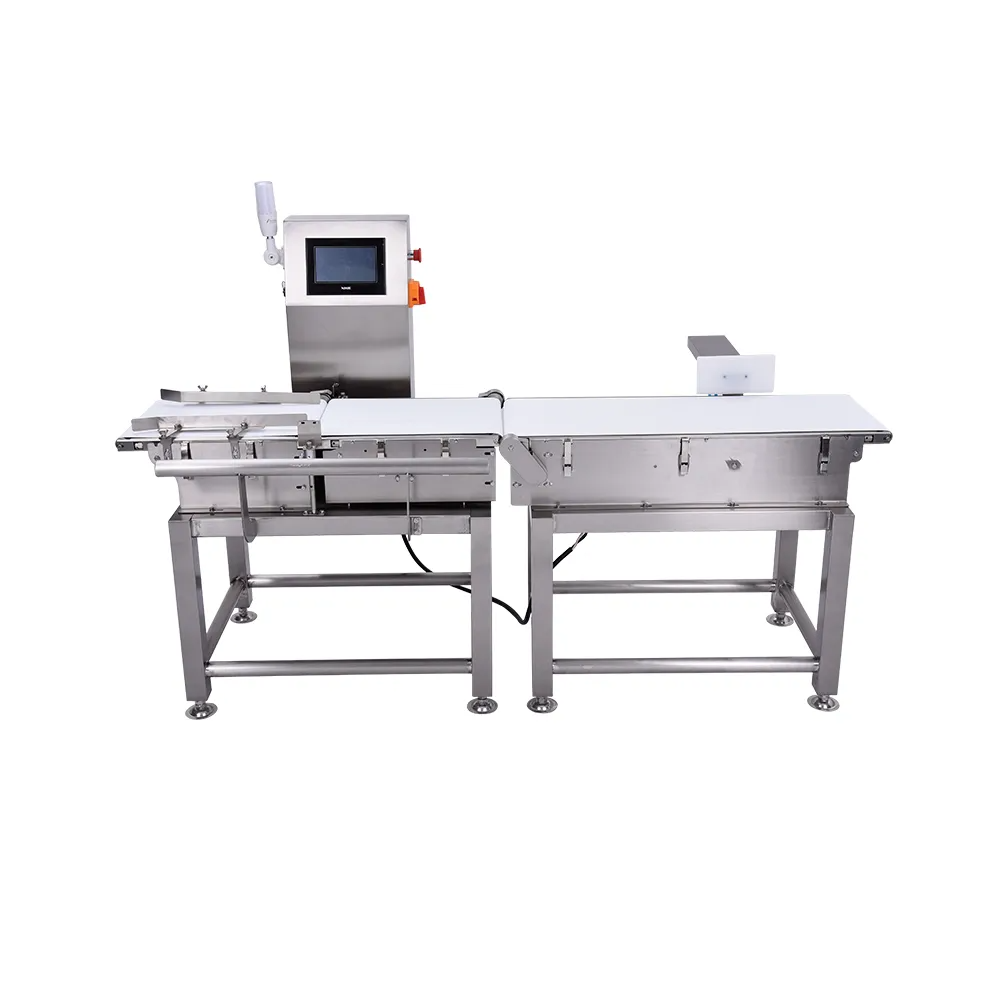
Precise calibration of multi zone classification scales represents a critical operational requirement for any modern commercial weight sorter system. When product flow moves across a sorting system, each zone must classify items with consistent accuracy to prevent misgrading, customer returns, and regulatory non-compliance. The calibration process directly determines whether a dynamic weighing operation can reliably separate products into their intended weight categories, making it foundational to production efficiency and quality assurance.
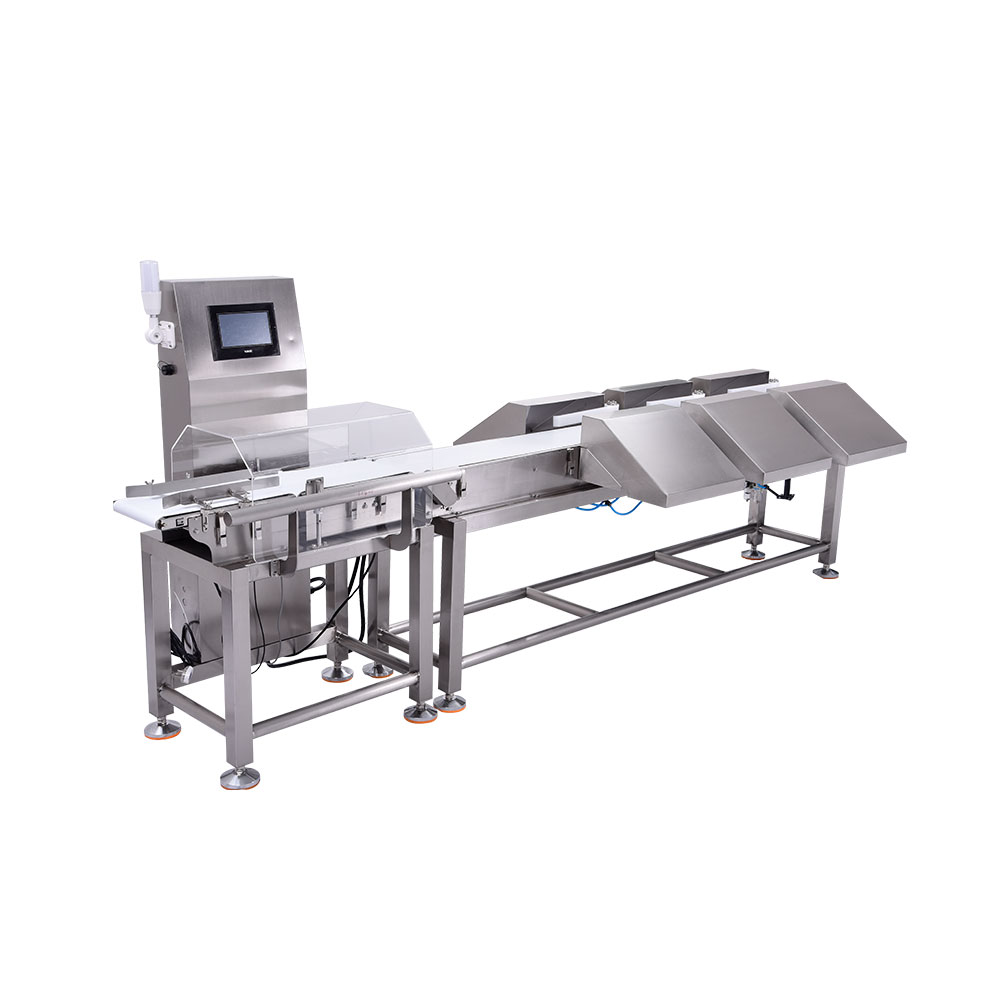
Multi zone classification scales work by dividing the weighing deck into discrete measurement areas, each capable of independent sorting logic. A checkweigher equipped with multiple zones can evaluate a single product across different physical locations or evaluate multiple products simultaneously, then route each item to its appropriate output gate based on weight thresholds.
Understanding Zone-Based Calibration Architecture
Why Multi Zone Systems Require Independent Calibration
Each zone within a commercial weight sorter operates as an independent load cell and measurement circuit, even though they share a common control unit and sorting logic. Temperature fluctuations, mechanical vibration, load distribution differences, and sensor aging mean that one zone may drift away from accuracy while other zones remain stable. A dynamic weighing system cannot rely on calibrating a single zone and assuming all zones maintain identical performance. The sorting system must validate every zone against certified test weights to establish a true baseline for that specific measurement point.
Industrial applications demand this zone-level precision because even minor calibration errors compound across high-volume production runs. When a checkweigher processes thousands of units per hour, a 5-gram measurement bias in one zone can misclassify hundreds of items, exceeding acceptable reject thresholds and triggering customer complaints. Multi zone calibration provides the measurement confidence needed for food packaging, pharmaceutical distribution, chemical batching, and automotive components where weight accuracy directly affects product safety and regulatory compliance.
The Role of Load Cell Response in Zone Accuracy
Load cells within each zone of a sorting system convert mechanical weight into electrical signals that the control system reads and interprets. Over time, these cells experience creep, where output signal gradually drifts under constant load, and non-linearity, where measurement accuracy varies across different weight ranges. A weight sorter's calibration procedure must account for these characteristics by using multiple test weight points across the full operating range, not just one reference weight. This multi-point approach ensures that a dynamic weighing system maintains accuracy whether products weigh 100 grams or 5 kilograms.
Step-by-Step Calibration Methodology for Commercial Sorters
Pre-Calibration Setup and Environmental Conditioning
Before beginning calibration, the sorting system must reach thermal stability, typically requiring 30 minutes to two hours depending on ambient conditions. Temperature changes cause load cells to expand or contract, producing false readings that corrupt calibration data. Shut down product flow, allow the system to idle, and record ambient temperature and humidity. Position test weights near the calibration area so they acclimate to the same environment as the weight sorter. Verify that the system's display readings stabilize without visible drift before proceeding with zone calibration.
Next, access the calibration menu on the control interface of your checkweigher or sorting system. Some models require a security code or supervisor password to enter calibration mode. Identify the multi zone configuration currently active and note which zones require independent calibration. Remove any product from the weighing deck and ensure the scale returns to zero when empty.
Multi-Point Calibration Execution Across All Zones
Select the first zone to be calibrated and place a certified test weight corresponding to approximately 25 percent of the system's maximum capacity onto that zone's designated weighing surface. Enter the known weight value into the control panel and allow the system to stabilize for several seconds while dynamic weighing sensors process the load. Record the displayed reading and compare it to the test weight's actual value. If the reading differs by more than the allowable tolerance, the control system will prompt calibration adjustment, typically using arrow buttons to shift the calibration offset up or down.
Repeat this process using progressively heavier test weights at 50 percent, 75 percent, and 100 percent of maximum capacity, entering each known value and allowing the system to lock in calibration points. After establishing multiple reference points, the sorting system's internal algorithm calculates a calibration curve that extends measurement accuracy across the entire operating range. Move to the next zone and repeat the multi-point procedure, ensuring you use identical test weights and the same environmental conditions. A weight sorter with 4 zones requires this full routine for each individual zone, preventing one improperly calibrated zone from compromising the entire classification output.
Validation Testing and Tolerance Verification
After completing calibration for all zones, perform a comprehensive validation by placing test weights across all zones simultaneously to verify inter-zone consistency. A checkweigher should display readings within ±0.1 percent of the test weight value, depending on the model's specified accuracy class. Test weights bridging multiple zones confirm that the sorting system's logic correctly interprets zone boundaries and routes products to appropriate output gates. Document all validation readings in a calibration log, including date, time, ambient conditions, and operator name, as this record proves compliance during quality audits and regulatory inspections.
Maintaining Calibration Stability in Dynamic Weighing Operations
Scheduled Re-Calibration Intervals and Drift Monitoring
A weight sorter's calibration does not remain static indefinitely. Industry standards recommend re-calibration every 6 to 12 months depending on production volume, operating environment, and the specific application. High-temperature environments, facilities with strong vibration, and systems processing abrasive products require more frequent calibration checks. Many modern checkweigher systems include automated drift monitoring that alerts operators when any zone's reading begins to shift outside acceptable limits, triggering preventive maintenance before misclassification occurs.
Between full calibrations, establish a quick-check routine using a single certified reference weight that represents the system's most common product range. Weekly or daily verification with this reference weight helps detect early drift signals before they accumulate into systematic measurement errors. If the dynamic weighing display consistently reads the reference weight 5 grams higher or lower than expected, schedule a full multi-point calibration rather than waiting for the next planned interval. Proactive calibration maintenance prevents customer rejects and reduces the sorting system's downtime from emergency service calls.
Environmental and Operational Factors Affecting Calibration Precision
Temperature stability, electrical supply quality, and mechanical alignment all influence how long a weight sorter maintains its calibration accuracy. Facilities with temperature swings greater than 10 degrees Celsius per day should maintain calibration logs and correlate drift patterns with seasonal changes, potentially scheduling calibration around predictable warm or cold periods. Verify that the sorting system's weighing deck remains level and that no product debris has accumulated on load cells or under the weighing surface, as these mechanical factors introduce systematic bias into all zone measurements. A checkweigher installed near vibration sources like heavy machinery should be isolated with shock-absorption mounts to prevent vibration-induced calibration drift.
Electrical stability also matters significantly. Fluctuating line voltage or inadequate power supply filtering can cause load cell signal noise that corrupts calibration data. Install the dynamic weighing system on a clean, unshared electrical circuit with quality surge protection. Test weights themselves require proper care—store them in a controlled environment, clean them regularly with appropriate materials, and have them re-certified annually by an external metrology laboratory to ensure reference values remain valid. Maintaining calibration of the weight sorter begins with maintaining calibration of the reference standards used to calibrate it.
FAQ
How often should I re-calibrate a multi zone weight sorter?
Most commercial weight sorter systems benefit from full re-calibration every 6 to 12 months, with quick-check verification using reference weights performed weekly or daily. High-volume environments and facilities with extreme temperature or vibration conditions may require more frequent calibration intervals. Consult your specific sorting system documentation and monitor for drift signals, which indicate that calibration is drifting and a full re-calibration is needed sooner than the standard schedule.
What happens if I skip calibration of one zone in a multi zone checkweigher?
Skipping calibration of any zone creates a systematic measurement error in that zone, causing the dynamic weighing system to misclassify products routed to that zone. Products will be sorted into incorrect weight categories, leading to customer complaints, quality rejections, and potential regulatory violations depending on your industry. Every zone must be independently calibrated to ensure the entire weight sorter produces consistent, accurate sorting across all output gates.
Can I perform multi zone calibration without certified test weights?
No, using non-certified weights introduces unknown measurement errors into your calibration data and compromises the accuracy of your entire sorting system. Certified test weights have traceable calibration records and known accuracy specifications verified by metrology laboratories. A weight sorter calibrated against non-certified references cannot be validated during regulatory inspections and may result in compliance failures or customer quality disputes if sorting errors occur.