 EN
EN


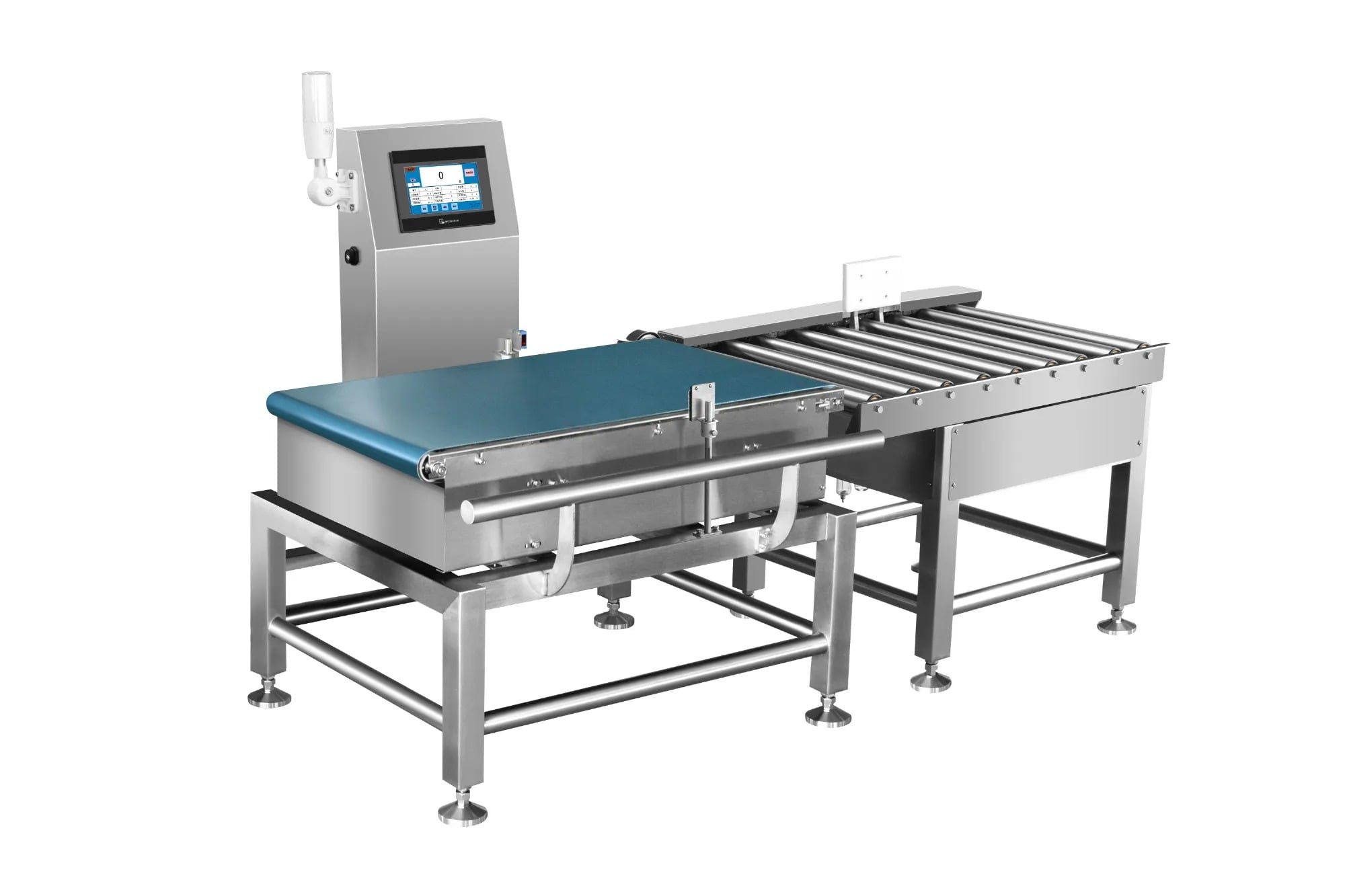
Handling rigid and semi-rigid containers on a checkweigher presents unique operational challenges that directly impact product quality, compliance, and throughput efficiency. Unlike flexible packaging, rigid and semi-rigid containers exhibit different weight distribution patterns, stability characteristics, and interaction dynamics with checkweigher systems. Understanding these distinctions is essential for packaging professionals who need consistent weight inspection results across diverse container formats on high-speed lines.
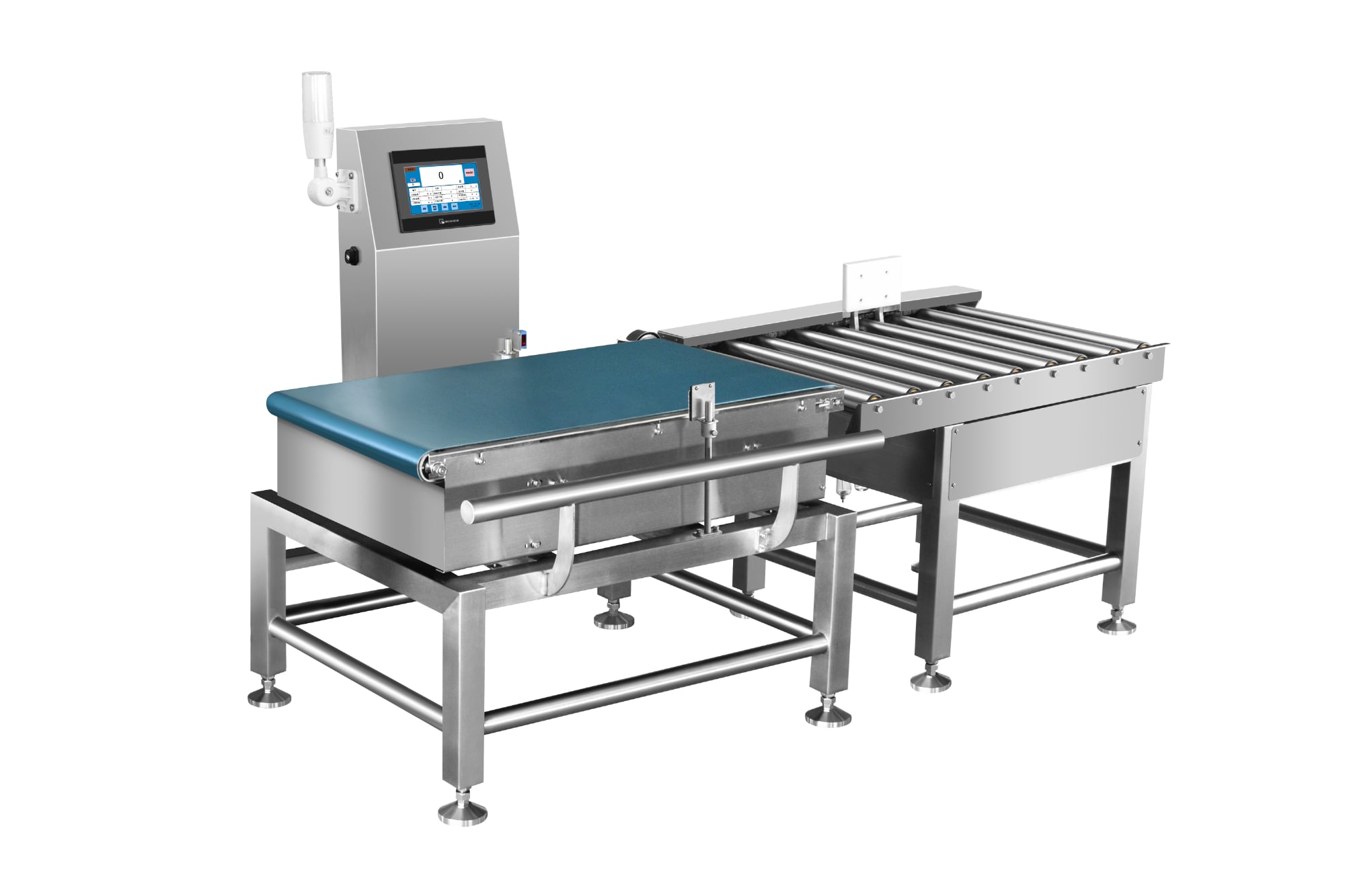
The performance of your dynamic scale depends heavily on how containers transition across the weighing platform. Rigid containers like glass jars, plastic clamshells, and metal cans maintain their structural integrity during conveyance, while semi-rigid formats such as thermoformed trays and rigid-walled pouches offer partial flexibility. This distinction requires careful calibration, sensor placement, and conveyor configuration to ensure accurate weight inspection and maintain production speed without damaging products or equipment.
Container Stability and Weighing Accuracy
Understanding Weight Distribution in Rigid Containers
Rigid containers present predictable weight distribution patterns because their solid structure prevents shifting of contents during transit across the packaging line scale. This consistency offers a significant advantage: your dynamic scale readings remain stable once the container settles on the weighing platform. However, the flat, sometimes uneven bottom surfaces of rigid containers can create inconsistent contact points with the scale sensors, particularly if the conveyor surface is not perfectly smooth or level. For optimal weight inspection performance, ensure your checkweigher is equipped with properly calibrated load cells positioned to support the full footprint of the container base.
Semi-Rigid Container Challenges
Semi-rigid containers behave differently due to their partial flexibility, which can cause minor deformation as they move across the checkweigher. This deformation may momentarily shift the container's contact point with the scale platform, introducing measurement noise into your weight inspection data. Thermoformed plastic trays and semi-rigid film-based packages can flex slightly under product weight and conveyor pressure, making it crucial to operate your dynamic scale at appropriate speeds. Slower conveyor movement allows the container and its contents to stabilize before measurement begins, improving accuracy for weight inspection on packaging lines handling these container types.
Conveyor Configuration and Scale Integration
Belt Speed and Product Settling Time
The speed at which containers travel across your checkweigher directly affects measurement reliability, especially with semi-rigid formats. A packaging line scale operating at excessive speeds may capture weight readings before rigid or semi-rigid containers have fully settled, producing false rejects and reduced throughput. Industry best practice involves adjusting belt speed so that containers spend sufficient time on the weighing platform—typically two to three seconds for accurate weight inspection results. Many modern checkweigher systems include variable-speed controls and sensor feedback loops that automatically adapt conveyor movement based on container type and detected stability, allowing your dynamic scale to maintain accuracy while optimizing production efficiency.
Platform Design for Container Support
The physical platform of your checkweigher must accommodate the footprint and geometry of rigid and semi-rigid containers without creating stress points or measurement errors. Rigid containers with flat bases benefit from a smooth, level weighing platform, while semi-rigid trays may require slightly softer or textured surface zones to prevent sliding. Edge rails and side guides on your packaging line scale help center containers and prevent lateral movement that could corrupt weight inspection readings. For mixed-format production runs, consider modular platform inserts that allow quick reconfiguration when transitioning between different container sizes, maintaining both accuracy and production speed on your dynamic scale.
Reject Mechanisms and Contamination Control
Handling Out-of-Specification Rigid Containers
Rigid containers that fall outside acceptable weight ranges must be reliably rejected without disrupting the entire packaging line. Air blast systems, mechanical arm diverts, and pusher-style rejection mechanisms work well with rigid formats because their solid construction withstands the force of pneumatic or mechanical ejection without damage. However, rejected rigid containers can be heavy, so ensure your weight inspection system's reject chute is adequately sized and positioned to handle the container weight safely. When your checkweigher identifies an out-of-spec rigid container, the dynamic scale should immediately signal the rejection mechanism, allowing unacceptable products to be removed before downstream packaging processes.
Preventing Cross-Contamination Between Container Types
When your packaging line processes both rigid and semi-rigid containers, debris and product residue can accumulate on the weighing platform, affecting the accuracy of subsequent weight inspection measurements. Rigid containers often shed more particulate matter than semi-rigid formats, requiring more frequent cleaning intervals. Implement a preventive maintenance schedule that includes regular platform cleaning, sensor calibration, and load cell verification to keep your checkweigher functioning reliably. Your dynamic scale's software should include data logging features that flag when measurement drift exceeds acceptable thresholds, alerting operators to potential contamination or calibration issues before they compromise entire production batches.
FAQ
How does container rigidity affect weight inspection accuracy on a checkweigher?
Rigid containers provide stable, predictable weight distribution, enabling consistent weight inspection readings once they settle on the weighing platform. Semi-rigid containers may flex slightly during transit across the packaging line scale, creating momentary measurement variation. Both formats require a properly configured dynamic scale with adequate settling time to achieve accurate results. Optimizing conveyor belt speed and sensor calibration compensates for the behavioral differences between rigid and semi-rigid containers on your checkweigher system.
What conveyor speed is recommended for semi-rigid containers on a packaging line scale?
Semi-rigid containers require slower conveyor speeds—typically allowing two to three seconds of settling time on the weighing platform before weight inspection occurs. This duration ensures the container and its contents stabilize fully, preventing measurement noise from flexing or shifting during transit across your checkweigher. Faster speeds may produce false rejects and reduce overall system accuracy. Modern dynamic scale systems include adjustable speed controls and automatic stabilization detection, enabling you to optimize both speed and weight inspection accuracy for your specific packaging line requirements.
How should rigid versus semi-rigid containers be rejected from the packaging line?
Rigid containers tolerate aggressive rejection methods such as air blast, mechanical arm diverts, and pusher-style systems without damage due to their solid construction. Semi-rigid containers require gentler rejection techniques to avoid crushing or deforming the package. Your checkweigher system should include configurable rejection settings that match the container type being processed. Dynamic scale software allows operators to program rejection force and mechanism type based on container specifications, ensuring failed weight inspection items are removed safely and reliably from your packaging line.