 EN
EN


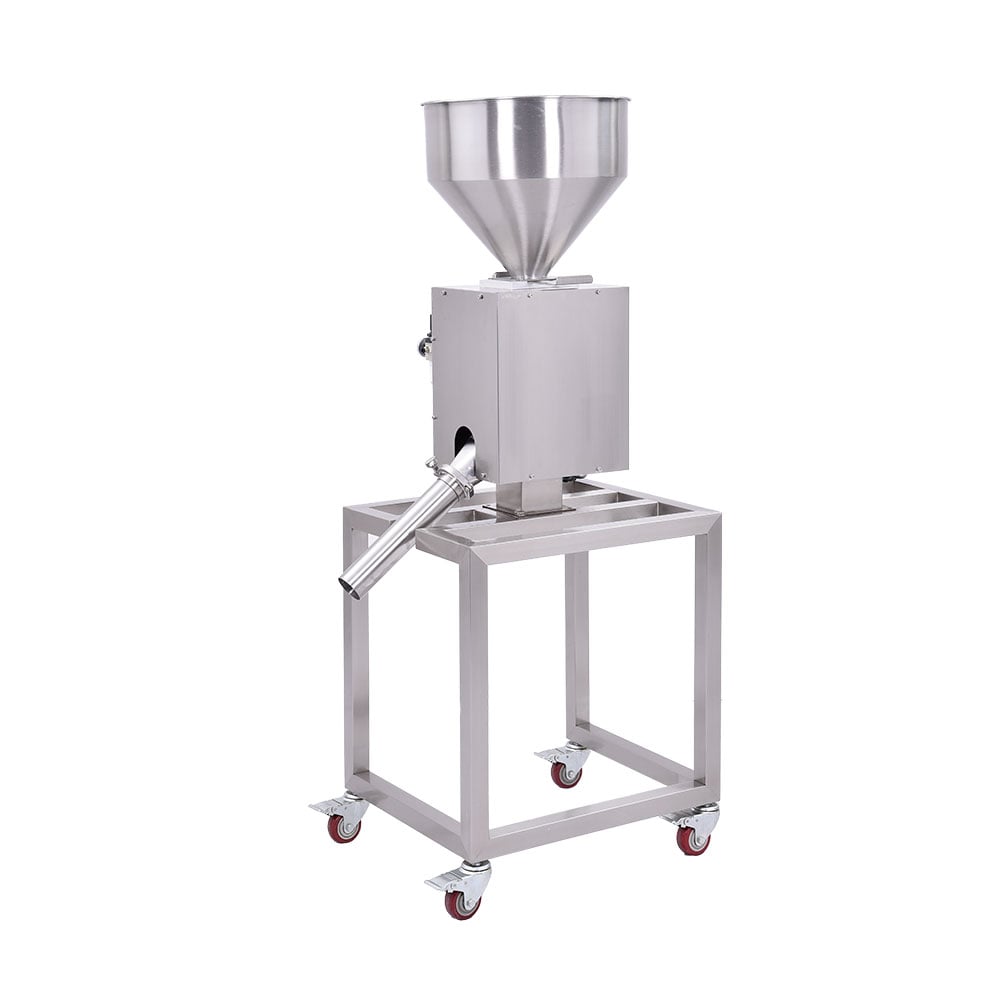
A metal separator machine relies on multiple components working together to achieve precise contamination removal in industrial processing. Among these critical elements, pneumatic diverters play a vital role in directing sorted materials to their appropriate destinations. Understanding the different pneumatic diverter types integrated into a metal separator machine system helps processors optimize operational efficiency, reduce product loss, and maintain consistent quality standards across batch operations.
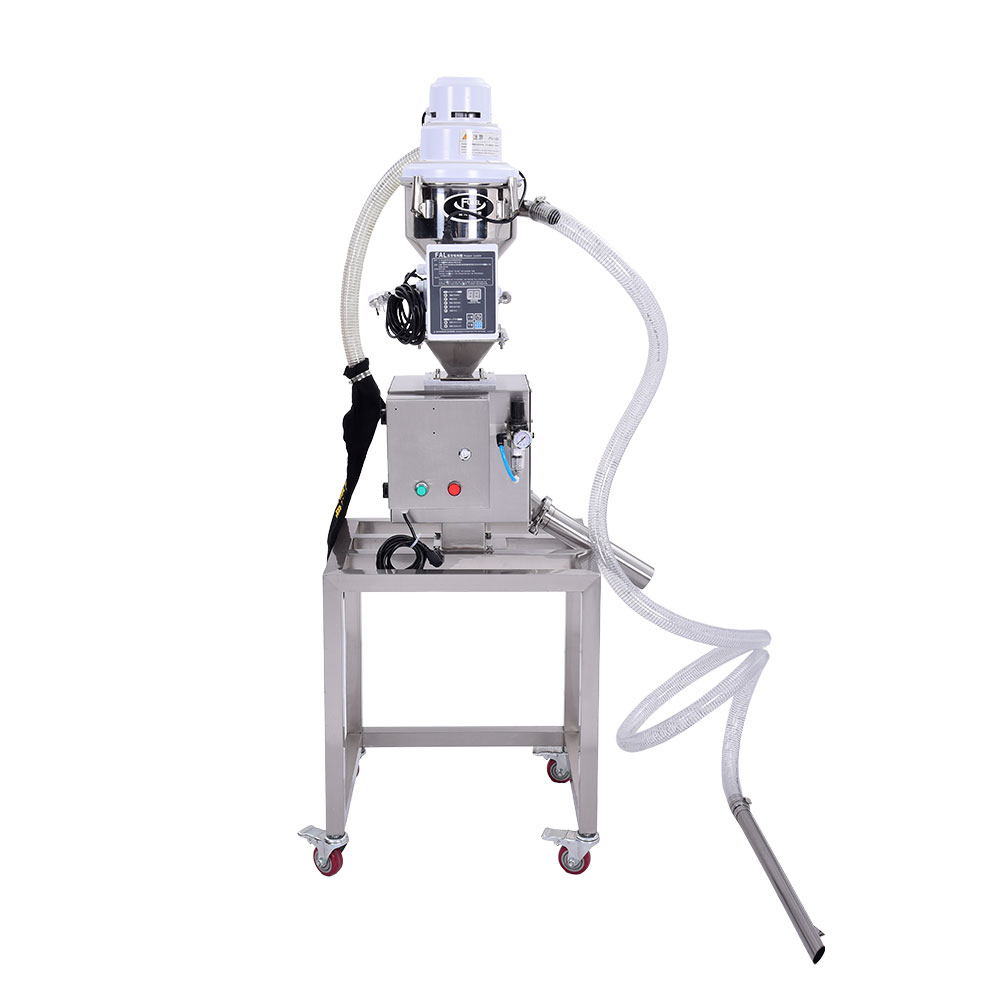
Pneumatic diverters in industrial metal detection represent a mature technology that directly influences throughput and sorting accuracy. Whether your facility processes bulk material sorting applications or specialized metal separator machine configurations, selecting the right diverter type determines whether contaminants reach your finished product or get cleanly rejected. This guide examines the principal diverter designs, their operational mechanisms, and how they integrate with gravity fed metal detector systems and powder inspection workflows.
Two-Way and Three-Way Diverter Configurations
Two-Way Diverter Operation and Application Scope
Two-way pneumatic diverters function as binary switches within your metal separator machine ecosystem. When detection signals trigger, compressed air activates a valve that routes contaminated material through a dedicated rejection chute while allowing clean product to continue downstream. This straightforward design excels in high-throughput bulk material sorting environments where the binary accept-reject decision suffices. The simplicity of two-way diverters reduces maintenance requirements and minimizes the risk of valve jamming in systems processing sticky or moisture-laden powders.
Two-way systems prove particularly effective for gravity fed metal detector configurations where gravitational force naturally assists material flow. Since the metal separator machine directs rejected material through a separate path, operators can collect and inspect rejects without disrupting the primary production stream. This separation of reject and accept streams makes cleanup faster and reduces cross-contamination risks during powder inspection phases.
Three-Way Diverter Capability and Multi-Stream Flexibility
Three-way pneumatic diverters add a middle output port, enabling simultaneous routing to three distinct destinations. A metal separator machine equipped with three-way diverters can direct clean material to primary packaging, borderline product to a secondary inspection loop, and definite rejects to waste disposal—all within a single integrated workflow. This capability proves invaluable for bulk material sorting operations requiring graduated quality tiers or for facilities performing in-line powder inspection with immediate recirculation of uncertain batches.
Three-way configurations introduce added complexity and require more precise pneumatic control calibration. However, the flexibility to sort material into multiple streams simultaneously reduces handling steps and improves overall system efficiency. Gravity fed metal detector systems combined with three-way diverters enable sophisticated sorting architectures that would otherwise require multiple standalone machines.
Poppet Valves and Slide Gate Diverters
Poppet Valve Diverter Mechanism and Performance Profile
Poppet valve diverters employ a spring-loaded ball or disc that seats against openings within the valve body. When air pressure builds in the control chamber, the poppet lifts, redirecting flow instantly. A metal separator machine using poppet-based diverters achieves rapid response times—typically under 50 milliseconds—enabling precise rejection of even small contaminant pieces. The sealed design minimizes product leakage between streams and proves effective for gravity fed metal detector systems handling fine powders where any bypass could compromise inspection integrity.
Poppet diverters excel at handling abrasive materials because the hardened valve seats resist wear. For facilities conducting powder inspection with fine, dust-like particles, poppet construction provides excellent sealing surfaces. The straightforward internal design simplifies replacement when component wear occurs, reducing downtime during maintenance cycles.
Slide Gate Diverter Construction and Bulk Material Sorting Advantages
Slide gate diverters use a flat plate that slides across openings to direct material flow. This design handles larger, chunkier material better than poppet mechanisms because the unrestricted flow paths prevent jamming from oversized particles. For bulk material sorting operations processing coarser feeds, slide gate construction offers superior throughput and resistance to blockages. A metal separator machine with gravity fed metal detector technology combined with slide gate diverters creates an effective system for processing agricultural feeds, minerals, and recycled aggregates.
The larger internal passages in slide gate diverters permit higher material velocities without pressure drops, maintaining consistent gravity fed metal detector signal quality. Slide gates also tolerate slight buildup of material residue better than poppet designs, making them preferable for sticky or moisture-containing bulk materials that might coat poppet seals over time.
Control Systems and Integration Considerations
Pneumatic Control Calibration for Metal Separator Machine Accuracy
Optimal metal separator machine performance depends on precise pneumatic system calibration. Air supply pressure, solenoid response timing, and diverter reset speed must synchronize with detection signals generated by gravity fed metal detector sensors. Over-pressurization can cause violent diverter actuation that damages product or sends shock waves through the system, while under-pressurization leads to sluggish response and incomplete diversion. Industrial specialists typically establish baseline pressures between 4 and 7 bar, adjusted based on material characteristics and detection sensitivity settings.
Control system integration extends beyond pneumatics. Modern metal separator machine installations incorporate programmable logic controllers that monitor diverter position feedback, detect valve failures, and log rejection events for traceability. This data collection supports powder inspection compliance documentation and helps identify recurring contamination sources upstream.
Environmental Factors Affecting Bulk Material Sorting Performance
Temperature fluctuations alter compressed air density and pneumatic response characteristics. Facilities operating metal separator machine systems in outdoor or unheated environments must account for seasonal pressure variations affecting gravity fed metal detector timing windows. Humidity similarly impacts performance—excessive moisture in compressed air can cause valve stiction and corrosion, necessitating quality air filtration rated for the application. Powder inspection in humid climates requires special attention to desiccant cartridge replacement schedules to prevent pneumatic system degradation and ensure consistent diverter actuation.
FAQ
How does diverter speed affect metal separator machine detection accuracy?
Diverter response speed directly influences whether small metal contaminants get rejected before exiting the detection zone. Faster diverters—particularly poppet-based designs responding in under 75 milliseconds—catch smaller pieces that slower slide gates might miss. A metal separator machine with a gravity fed metal detector system benefits from matched diverter speed that allows sufficient reaction time without introducing delays that create product waste through over-rejection.
Can one diverter type suit both powder inspection and bulk material sorting applications?
Hybrid configurations exist, but compromises typically result. Poppet diverters optimize powder inspection sensitivity but may clog with coarse bulk material sorting feeds. Slide gate diverters handle coarse material excellently but sacrifice the precision needed for fine powder inspection. Many facilities operate a metal separator machine with gravity fed metal detector technology using slide gates for bulk material sorting during primary processing, then employ a secondary unit with poppet diverters for final powder inspection of high-value products.
What maintenance interval suits pneumatic diverters in industrial metal separator machines?
Quarterly inspection of diverter seals, solenoid coils, and air lines represents industry best practice for continuous-duty metal separator machine operation. Bulk material sorting systems handling abrasive feeds may require more frequent seal replacement—every 4 to 6 weeks—while gravity fed metal detector systems processing gentle powder inspection materials can extend intervals to 6 months. Monitoring rejection event frequency helps predict wear; increasing frequency without source changes suggests diverter degradation.