 EN
EN


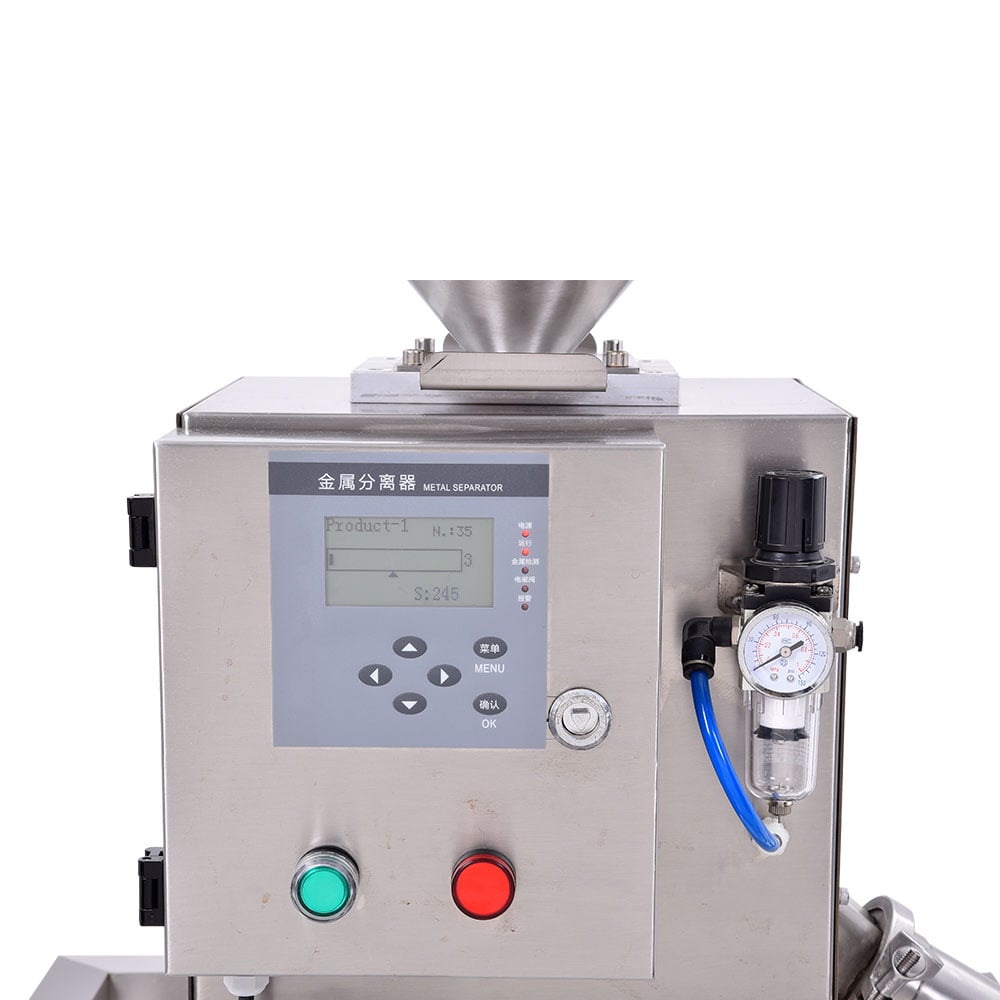
The flap valve design is a critical component that directly influences the performance and reliability of a metal separator machine, especially in high-speed industrial operations. When processing bulk materials and powders, the valve mechanism must respond instantly to reject contaminated product while maintaining continuous flow. Poor flap valve design can lead to inconsistent ejection, material backup, production delays, and costly equipment downtime. Understanding why this single component matters so profoundly will help manufacturers and production managers optimize their contamination control strategies and extend equipment lifespan.
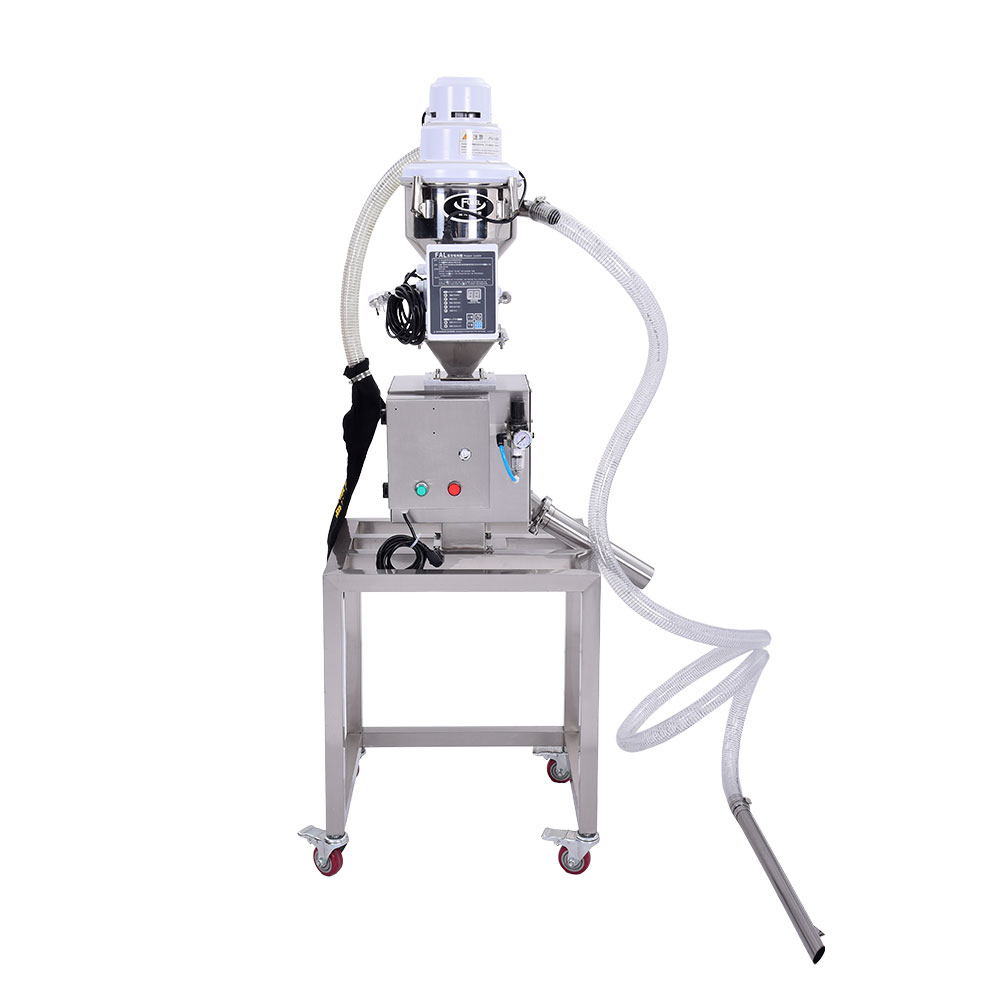
In modern industrial production, powder inspection and bulk material sorting require machinery that can distinguish between acceptable product and metal contaminants in milliseconds. A gravity fed metal detector works in conjunction with pneumatic or mechanical ejection systems, and the flap valve serves as the gatekeeper that directs rejected material away from the main product stream. The design of this valve determines whether the system achieves the speed, consistency, and reliability demanded by food, pharmaceutical, chemical, and manufacturing sectors.
Why Flap Valve Responsiveness Defines Metal Separator Machine Performance
The Role of Rapid Response in Contamination Control
A fast-acting metal separator machine must detect and remove metal fragments in fractions of a second. The flap valve design directly controls how quickly rejected material exits the system after detection. When a metal separator machine identifies ferrous or non-ferrous metal, the pneumatic pulse signal must trigger the flap valve to divert the contaminated portion away from finished product. If the valve responds too slowly, the tainted material continues down the line and contaminates the acceptable batch. If the valve lacks proper damping or return mechanism, it may stick open and allow acceptable product to waste. This responsiveness is what separates adequate from exceptional metal separator machines.
Material Backup and Production Flow Impact
Bulk material sorting operations often run at high throughput rates where every millisecond counts. Poorly designed flap valves create material backup because they cannot clear rejected material quickly enough. This backup pressure can trigger false rejects, increase humidity in the product stream, and reduce overall gravity fed metal detector sensitivity. A well-engineered flap valve mechanism ensures smooth, unobstructed flow so that each detection event clears contaminants without disrupting the main process. Production managers can maintain steady cycle times and avoid the hidden costs of jams, manual clearing, and reduced detection accuracy.
Mechanical Design Factors That Ensure Flap Valve Reliability
Material Selection and Wear Resistance
The flap valve blade itself must withstand abrasion from continuous contact with moving powder and bulk materials. Cheap alloys or thin plastics degrade quickly under high-speed impact, leading to warping, cracking, and eventual failure. Premium metal separator machine manufacturers use hardened stainless steel or reinforced engineered polymers that resist wear and corrosion. The pivot point also requires careful design to minimize binding and ensure smooth articulation even after months of heavy use. When powder inspection systems run 24/7, material fatigue becomes inevitable, so the valve seat must provide a perfect seal even as components age. Investment in robust flap valve design translates directly to reduced maintenance frequency and longer equipment intervals between service.
Damping and Return Mechanism Precision
A flap valve that swings open must return to its closed position without bouncing or overshooting. Uncontrolled motion wastes energy and causes inconsistent rejection patterns in bulk material sorting. Advanced metal separator machine designs incorporate hydraulic or spring-loaded damping systems that control the flap velocity on both opening and closing strokes. This precision engineering ensures that the valve closes completely before the next detection pulse arrives, preventing material carryover. The return mechanism must also be adjustable so that operators can fine-tune sensitivity based on product type and contamination risk level. When budget constraints force manufacturers to use simplistic valves without proper damping, the result is unreliable powder inspection and customer complaints about contamination.
Real-World Application Impact on Industry Operations
Food and Pharmaceutical Safety Standards
Food manufacturers and pharmaceutical processors operate under strict contamination limits set by regulators and retailers. A gravity fed metal detector paired with a poorly designed flap valve creates liability because metal fragments may escape detection windows during the rejection delay period. Conversely, a gravity fed metal detector connected to a precision flap valve mechanism ensures that metal separator machine performance meets or exceeds validated safety margins. Quality assurance teams can rely on consistent reject rates and maintain audit trails showing that contamination control is robust. The cost of one product recall due to metal contamination far exceeds the investment in superior flap valve design, making this component a strategic quality asset rather than a cost center.
Extended Equipment Life and Operational Continuity
Downtime costs in bulk material sorting facilities include lost production, labor idle time, customer penalties, and expedited repairs. A metal separator machine with inadequate flap valve design fails sooner and more frequently, disrupting schedules. Facilities that choose equipment with superior flap valve engineering experience fewer emergency shutdowns and can plan maintenance windows during natural production gaps. The valve's longevity also depends on proper installation and routine inspection protocols that producers should implement. By prioritizing flap valve quality during equipment selection, production managers can reduce total cost of ownership and improve supply chain reliability.
FAQ
How does a flap valve in a metal separator machine respond to detection signals?
When a metal separator machine detects metal, it sends a pneumatic or electrical pulse to an actuator that drives the flap valve open. The valve diverts the contaminated material stream into a reject chute while clean product continues down the main line. The valve then closes and resets for the next detection cycle, typically within 50 to 200 milliseconds depending on system design.
Why is powder inspection affected by flap valve design quality?
Powder inspection systems using gravity fed metal detectors rely on consistent, predictable flow rates. A sluggish or unreliable flap valve creates pressure fluctuations that disrupt this flow, reducing detector sensitivity and increasing false positives. High-quality flap valve design maintains steady flow conditions, allowing the gravity fed metal detector to maintain stable baseline readings and accurate detection thresholds.
What maintenance is required to keep flap valves functioning properly in bulk material sorting equipment?
Routine inspection of the flap valve blade for wear, damage, or material buildup should occur weekly in high-throughput operations. The pivot point should be lubricated according to manufacturer specifications, and the valve seat must be cleaned to prevent sticking. Annual or biannual replacement of the flap blade is common in facilities running continuous powder inspection and bulk material sorting operations.