 EN
EN


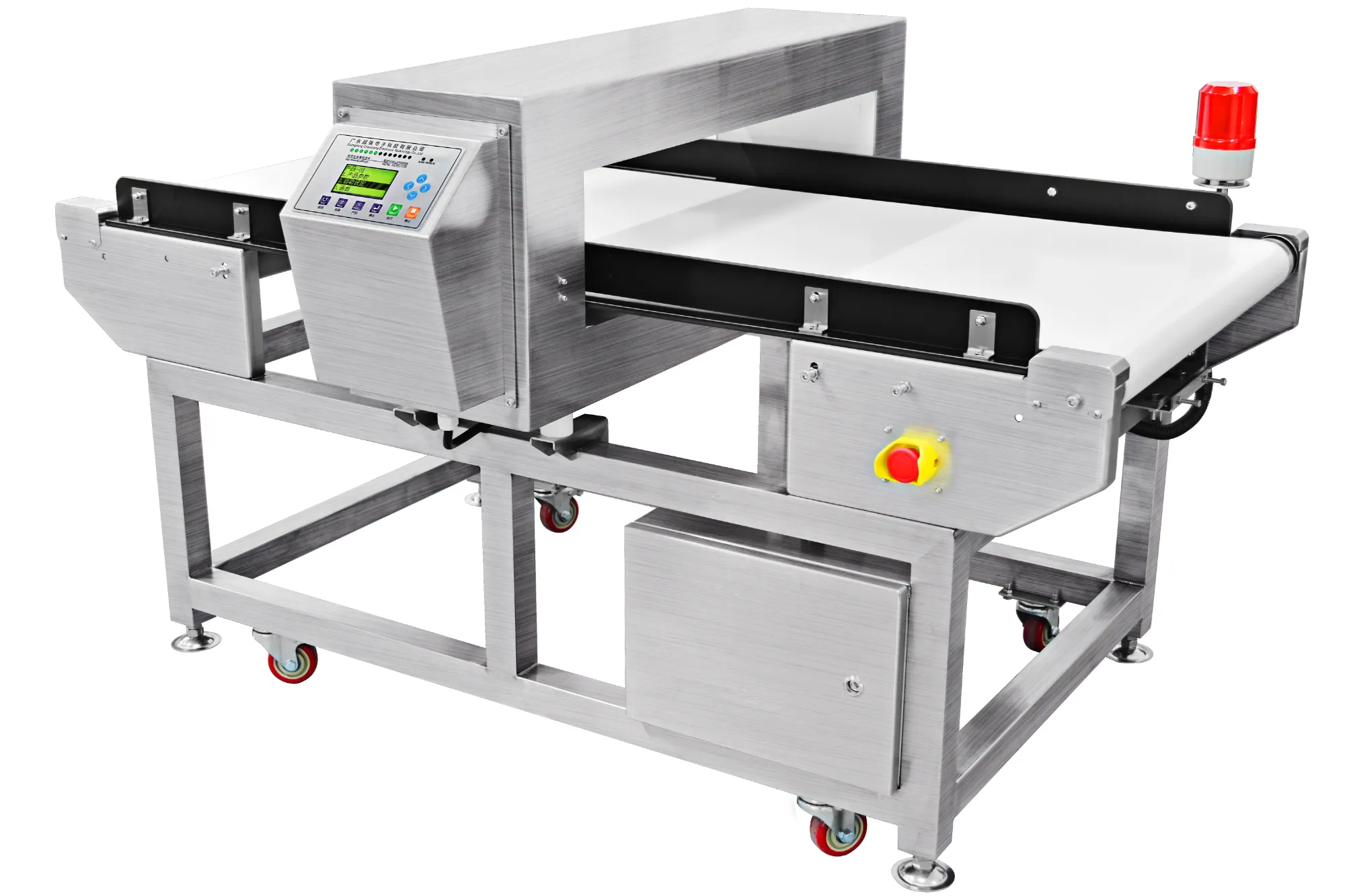
Detecting large ferrous chunks in bulk ore requires specialized equipment designed to handle challenging industrial environments. An industrial metal detector serves as the backbone of modern ore processing operations, ensuring product quality and protecting downstream equipment from costly damage. These systems must operate reliably in harsh conditions where ore volumes are substantial and contamination risks are high.
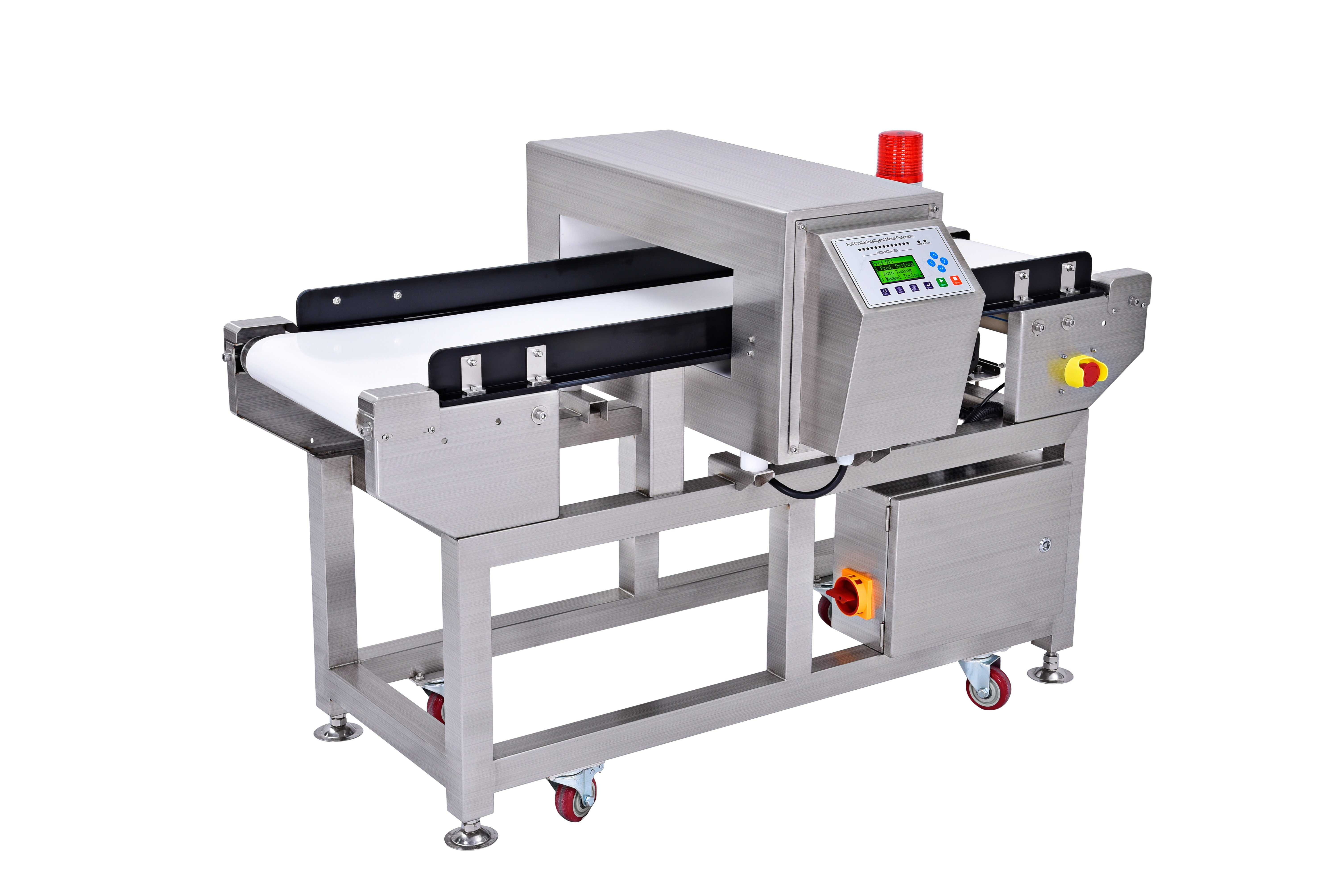
Bulk inspection of ore materials demands robust detection capabilities that go beyond basic metal sensing. A heavy duty metal detector specifically engineered for ore processing delivers the sensitivity and durability needed to identify ferrous contamination before it reaches crushers, mills, or downstream processing equipment. Understanding how these systems work and what to consider when selecting one is critical for mining operations aiming to reduce equipment downtime and maintain material purity.
How Industrial Metal Detection Works in Ore Processing
Detection Principles for Ferrous Materials
Ferrous metals like iron and steel respond strongly to electromagnetic fields generated by a factory metal detector. When ore containing ferrous chunks passes through the detector's sensing zone, the presence of metallic particles disrupts the electromagnetic balance, triggering an alert signal. This principle makes ferrous detection highly reliable compared to non-ferrous metals, which require different frequency ranges and calibration approaches.
An industrial metal detector uses balanced coil technology to establish a baseline electromagnetic field. When ferrous contaminants enter this field, the coil's resistance changes measurably. Advanced signal processing circuitry analyzes these changes in real time, distinguishing between actual metal contamination and false positives caused by mineral composition variations. This discrimination capability is essential for bulk inspection operations processing thousands of tons daily.
Sensitivity Settings and Threshold Management
Factory metal detectors for ore require precise sensitivity tuning to match material characteristics and production speed. Operators must balance detection threshold against false alarm rates, as overly aggressive settings can halt production unnecessarily while insufficient sensitivity allows contamination to pass through. Heavy duty metal detector systems include adjustable sensitivity controls that account for ore moisture, mineral density, and conveyor belt speed.
Threshold management becomes more complex in bulk inspection environments where material composition varies. A heavy duty metal detector equipped with adaptive sensitivity algorithms automatically compensates for these variations, maintaining consistent detection performance throughout shifts and seasonal material changes. This automation reduces operator error and keeps production flowing efficiently while protecting equipment integrity.
Implementation Requirements for Bulk Ore Inspection
Installation and Integration Considerations
Proper installation of a factory metal detector directly impacts detection effectiveness and system longevity. The unit must mount securely on the conveyor system or chute where ore material flows, positioned to allow complete material passage through the sensing zone without dead zones or blind spots. Heavy duty metal detector systems designed for ore processing include robust mounting brackets and vibration-dampening features that withstand the mechanical stress of continuous operation.
Integration with existing processing equipment requires careful attention to conveyor speed, material flow rate, and signal response time. A bulk inspection system must process detection signals quickly enough to trigger rejection mechanisms before contaminated material reaches critical equipment. This demands coordination between the industrial metal detector, pneumatic or mechanical ejection systems, and process control logic to ensure seamless operation.
Maintenance and Performance Optimization
Regular maintenance of a heavy duty metal detector extends its operational life and preserves detection sensitivity. Routine procedures include cleaning sensing coils to remove ore dust accumulation, verifying signal output integrity, and recalibrating sensitivity thresholds based on current material characteristics. Factory metal detector systems used in bulk inspection environments benefit from predictive maintenance schedules that identify component wear before failures occur.
Performance optimization involves periodic testing with known ferrous samples to verify detection capability. This validation ensures that the industrial metal detector continues meeting sensitivity specifications despite age or environmental stress. Documentation of maintenance activities and calibration results provides an audit trail demonstrating compliance with quality standards and supports troubleshooting if detection anomalies arise.
Key Advantages for Mining and Processing Operations
Equipment Protection and Operational Efficiency
Installing a heavy duty metal detector upstream of crushers and mills prevents ferrous contamination from damaging expensive processing equipment. Large ferrous chunks can jam crushers, shatter mill liners, or require costly repairs that halt production for extended periods. A bulk inspection system that reliably detects and removes these contaminants protects capital investments and maintains consistent output capacity.
The factory metal detector also reduces unplanned downtime by catching problems early. By intercepting ferrous material before it reaches crushers, operators avoid emergency shutdowns, equipment damage investigations, and parts replacement delays. This preventive approach improves overall equipment effectiveness and allows better workforce planning and resource allocation across processing operations.
Quality Assurance and Customer Confidence
Bulk inspection using an industrial metal detector demonstrates quality commitment to customers and meets contractual specifications for material purity. Many mining contracts include clauses specifying maximum allowable contamination levels, and consistent detection with a heavy duty metal detector system provides verifiable proof of compliance. This documentation strengthens customer relationships and reduces disputes over material quality.
The factory metal detector also captures data on contamination frequency and severity, providing insights into upstream mining and collection processes. Over time, these trends help operations identify and eliminate contamination sources, reducing reliance on detection alone and improving material purity at the origin.
FAQ
What size ferrous chunks can an industrial metal detector reliably detect?
Detection capability depends on the specific heavy duty metal detector model and its sensitivity settings. Most factory metal detector systems designed for bulk ore inspection can reliably detect ferrous particles ranging from small fragments to chunks several centimeters across. The exact detection threshold should be verified with the equipment manufacturer based on your ore characteristics and production requirements.
How does material composition affect detection performance?
Different ore types contain varying mineral compositions and moisture levels that influence electromagnetic field interactions. A bulk inspection system using an industrial metal detector may require sensitivity recalibration when processing different ore sources. This is why heavy duty metal detector operators typically maintain documented procedures for material-specific setup to ensure consistent detection regardless of ore origin.
Can a factory metal detector distinguish between ferrous and non-ferrous metals?
Standard industrial metal detector systems for bulk ore inspection are optimized for ferrous detection due to the strong electromagnetic response of iron and steel. Detecting non-ferrous metals like copper or aluminum requires different operating frequencies and detector configurations. If your operation needs to detect both ferrous and non-ferrous contamination, consult with equipment specialists about multi-frequency or dual-system solutions.