 EN
EN


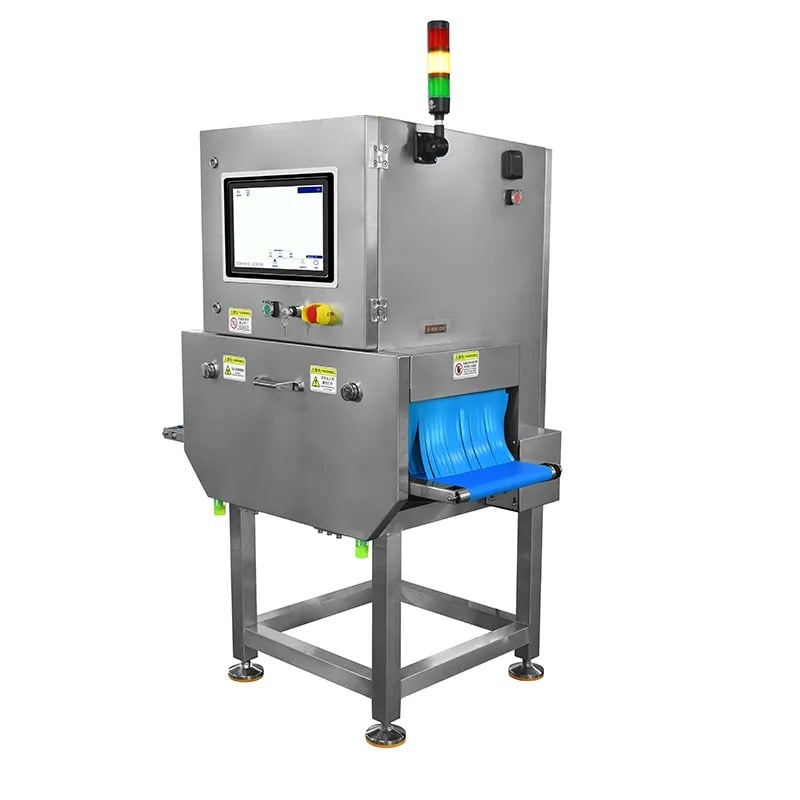
Detecting low density bone fragments in food products represents one of the most challenging quality assurance tasks in modern food processing. Traditional visual inspection and metal detection systems often miss these smaller, less dense foreign objects that can cause serious customer harm and regulatory violations. An x ray inspection machine provides the advanced capability needed to identify these subtle contaminants with precision and consistency that manual methods simply cannot achieve.
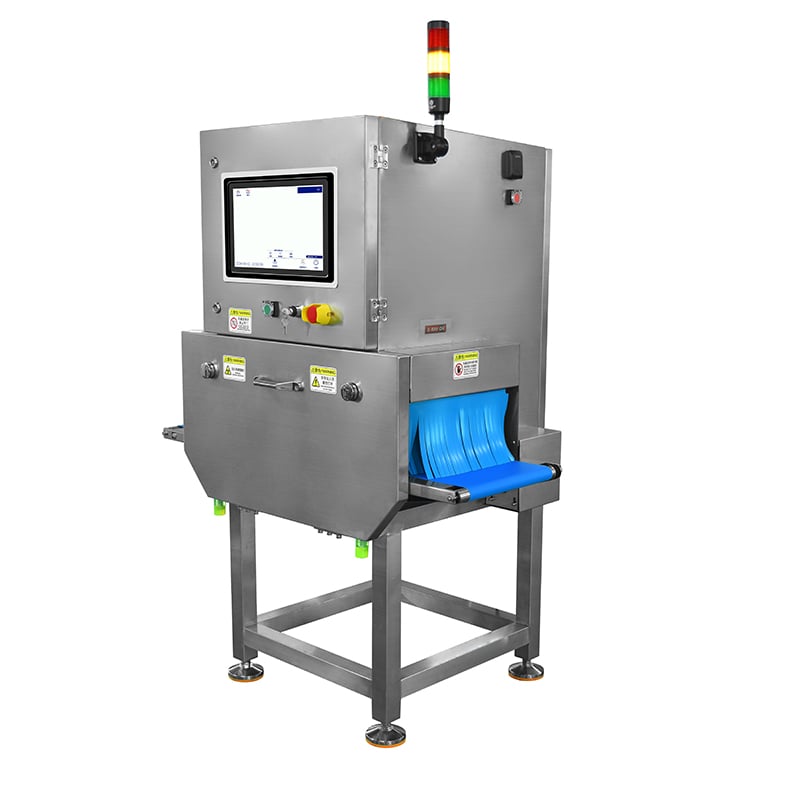
The detection of low density materials requires sophisticated technology that goes beyond conventional inspection approaches. A food inspection system equipped with x-ray technology can penetrate packaging and product matrices to reveal bone fragments, glass, stone, and other contaminants that pose genuine health risks. This capability has become essential for food manufacturers seeking to maintain strict quality control equipment standards while protecting consumers and brand reputation.
How X Ray Inspection Technology Detects Low Density Materials
Understanding X Ray Penetration Principles
X-ray inspection operates on fundamental physics principles that allow radiation to pass through products at varying rates depending on material density. Low density bone fragments interact with x-ray beams differently than the surrounding food matrix, creating distinct image contrasts that quality control equipment can capture and analyze. The food inspection system detects these subtle density variations automatically, flagging contaminated products before they reach consumers or retail shelves.
The wavelength and intensity of x-rays used in modern inspection equipment are precisely calibrated to achieve optimal penetration without damaging food products or leaving harmful residues. Advanced packaging inspection technology incorporates multiple angle scanning to ensure comprehensive coverage, catching bone fragments at virtually any orientation within the product.
Real Time Detection and Digital Processing
Modern x ray inspection machine systems integrate high speed cameras and artificial intelligence algorithms that process images in milliseconds. The food inspection system analyzes density profiles across the entire product surface, comparing pixel data against baseline parameters established during calibration. When suspicious densities matching bone fragment characteristics appear, the quality control equipment automatically signals removal or rejection, ensuring contaminated items never enter the distribution chain.
Industrial Application Scenarios for Bone Fragment Detection
Meat Processing and Poultry Production
Poultry and meat processing facilities face particular challenges with bone fragments, as automated deboning systems occasionally leave small pieces within final products. An advanced x ray inspection machine detects these fragments reliably across various meat types and cuts, from ground beef to processed chicken portions. The packaging inspection capabilities of modern food inspection system technology ensure detection occurs before products are sealed and distributed to retailers.
These facilities benefit from continuous monitoring throughout production lines, with quality control equipment providing real time feedback and statistical data about contamination rates. Processors can adjust deboning parameters, equipment maintenance, or sanitation protocols based on detection patterns identified by the x-ray system.
Prepared Foods and Ready to Eat Products
Ready to eat meals, sauces, and prepared foods present unique challenges because consumers expect completely clean products without any visible or felt foreign objects. A food inspection system using x ray inspection machine technology provides the sensitivity needed for these high expectation categories. The quality control equipment scans each package systematically, identifying even tiny bone fragments that could lodge in consumer throats or cause dental damage.
Regulatory Compliance and Risk Management Benefits
Meeting Food Safety Standards
Food safety regulations across North America, Europe, and Asia increasingly require demonstrated foreign object detection programs as core quality control measures. An x ray inspection machine serves as documented evidence of due diligence in contamination prevention, protecting manufacturers from liability claims and regulatory penalties. Modern packaging inspection technology creates detailed logs and statistical records that regulatory inspectors can review, demonstrating consistent quality control equipment performance.
The food inspection system generates actionable data that manufacturers can present during audits, showing detection rates, rejection counts, and contamination patterns over time. This transparency builds consumer confidence and strengthens the brand's market position in competitive retail environments.
Reducing Liability and Recall Costs
Product recalls triggered by bone fragments or other foreign objects can cost manufacturers millions in lost inventory, logistics expenses, and reputation damage. Implementing a robust x ray inspection machine system prevents these costly events by catching contamination before distribution. Quality control equipment investment pays dividends through avoided recalls, reduced consumer complaints, and maintained market access with major retailers who demand rigorous inspection documentation.
The packaging inspection capabilities integrated into modern food inspection system platforms provide the comprehensive coverage that protects against unexpected contamination events, ensuring consumer safety consistently across production runs.
FAQ
Can an x ray inspection machine detect all types of bone fragments?
Modern x ray inspection machine technology detects bone fragments effectively, though detection capability depends on fragment size, density, and orientation within the product. Larger, denser bone pieces are easiest to identify, while very small or highly fragmented bone slivers may occasionally escape detection. High quality food inspection system equipment with advanced algorithms can reliably identify fragments larger than approximately 2 to 3 millimeters, which covers the vast majority of consumer safety concerns. Quality control equipment manufacturers continue refining detection parameters to improve sensitivity for smaller contaminants.
How does a food inspection system differ from traditional metal detection for bone fragments?
Metal detectors identify only ferrous and non ferrous metallic objects, missing bone fragments completely since bone contains no significant metal content. A food inspection system using x ray inspection machine technology detects both metal and non metal contaminants, including bone, glass, stone, and ceramic pieces. Packaging inspection with x-ray offers superior comprehensive coverage, making quality control equipment investment worthwhile for facilities processing multiple contamination types.
What is the typical installation and operational cost for x ray inspection machine systems?
Initial investment in a modern x ray inspection machine system typically ranges from moderate to substantial depending on production line integration requirements and food inspection system complexity. Quality control equipment operational costs include maintenance, calibration, and regulatory compliance procedures, but most manufacturers recover these expenses within two to three years through avoided recalls and liability claims. Packaging inspection systems offer excellent return on investment when calculated against potential recall costs, making the technology financially justified for serious food producers.