 EN
EN


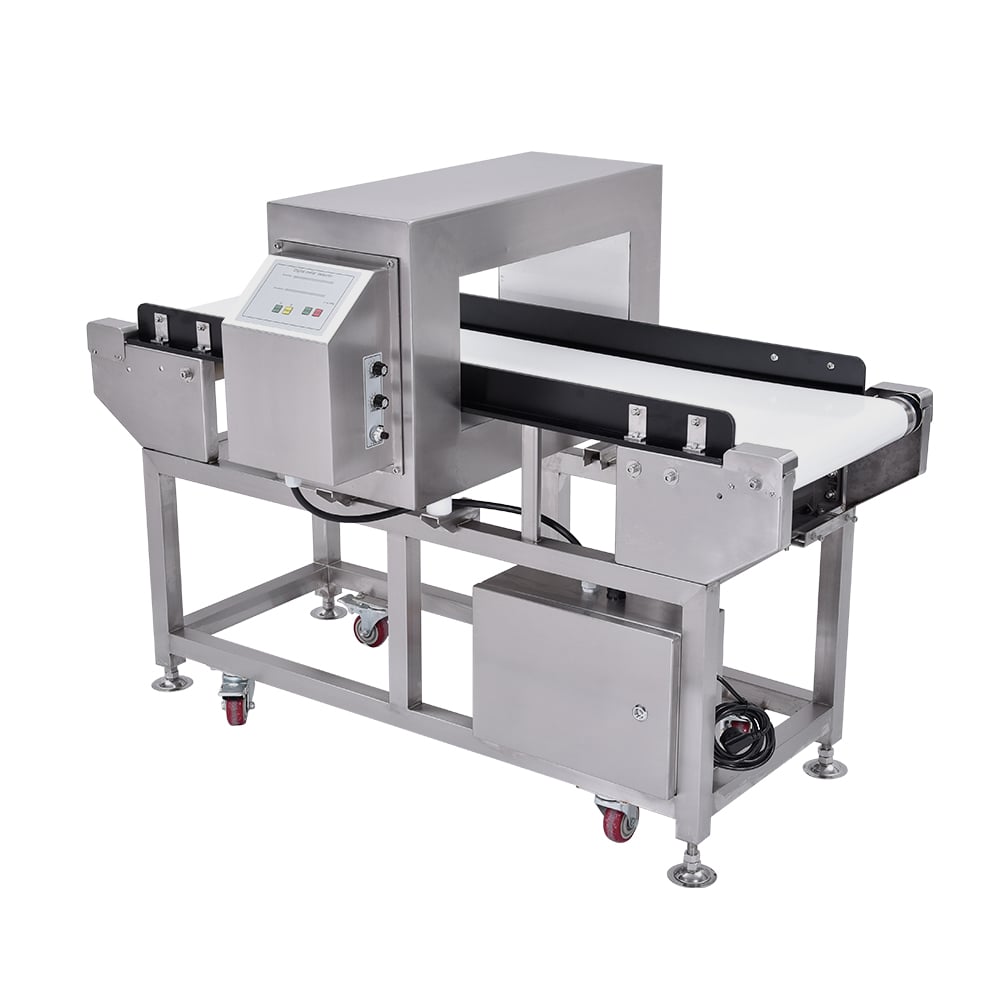
Ambient thermal shifts represent one of the most underestimated operational challenges facing modern industrial facilities that rely on precision detection equipment. When environmental temperatures fluctuate, the delicate balance of a metal detector machine becomes compromised, affecting sensitivity calibration, component stability, and overall detection accuracy. Understanding this relationship is critical for maintaining consistent contamination control and ensuring reliable performance across production cycles.
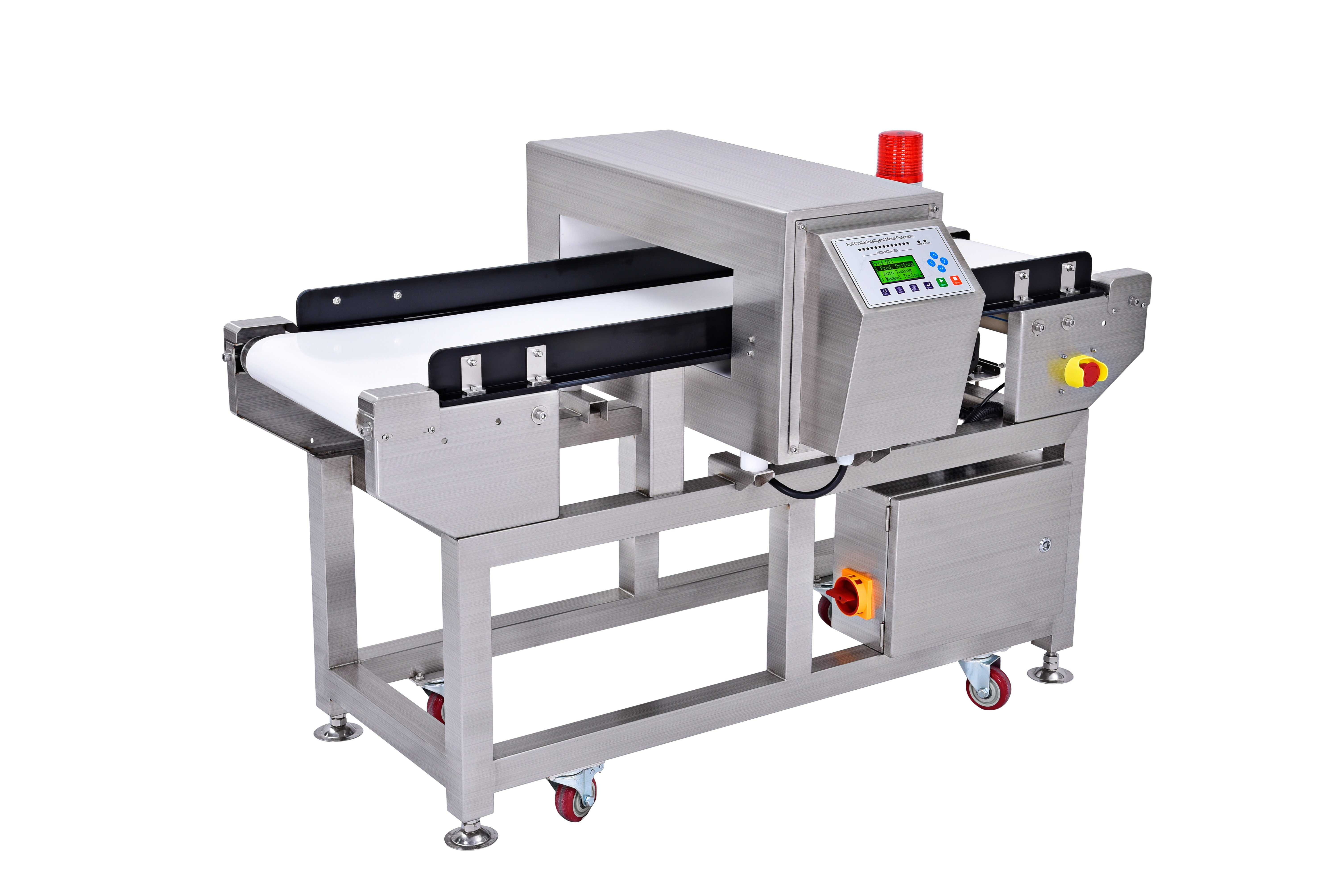
The electronics and mechanical components within an industrial metal detector require stable operating conditions to function optimally. Temperature variations cause thermal expansion and contraction in circuit boards, coils, and structural elements. This thermal behavior directly impacts the detection coil's resonance frequency and the system's baseline calibration. Operators and facility managers must recognize how seasonal changes, HVAC fluctuations, and processing heat influence inspection machine performance to maintain quality standards and prevent product contamination.
How Temperature Fluctuations Impact Detection Coil Performance
Thermal Expansion in Detection Circuitry
Detection coils form the heart of any industrial metal detector. These coils operate at specific frequencies determined by their physical dimensions and electrical properties. When ambient temperature rises, the copper windings and ferrite cores expand microscopically, shifting the resonance frequency. Conversely, cooling causes contraction and a reverse frequency shift. An industrial metal detector experiencing temperature swings of just 10 degrees Celsius can lose sensitivity or trigger false alarms if not properly compensated.
Electronic components surrounding the detection coil are equally vulnerable. Capacitors and resistors that establish the circuit's tuning parameters drift in value with temperature change. A metal detector machine left in an uncontrolled environment overnight may require recalibration before the morning production run. This downtime reduces throughput and increases operational costs. Facilities with strict contamination control requirements cannot afford performance drift during production.
Calibration Drift and Baseline Shifts
Every inspection machine establishes a baseline signal when powered on and calibrated. This baseline represents the normal electromagnetic environment without any metal contamination present. Thermal shifts after calibration gradually alter this baseline by changing component values and signal paths. The metal detector machine gradually becomes less sensitive to actual contaminants while simultaneously becoming more prone to false rejections of legitimate product.
Industrial operations in pharmaceutical, food, and manufacturing sectors depend on consistent detection thresholds. A metal detector that drifts due to thermal effects becomes unreliable for maintaining precise contamination control standards. Modern inspection machine designs incorporate temperature compensation circuits, but passive systems without active monitoring remain vulnerable to performance degradation throughout the workday.
Thermal Effects on System Sensitivity and Response Time
Sensitivity Reduction Under Temperature Stress
Sensitivity is the metal detector machine's ability to detect increasingly small metallic particles. This capability depends on the signal-to-noise ratio within the detection circuit. Temperature elevation increases electrical noise in semiconductors and passive components, effectively raising the noise floor. As the noise floor rises, the smallest detectable particle size becomes larger, reducing the inspection machine's protective capability.
An industrial metal detector rated for detecting 1mm ferrous particles at 20°C may only detect 1.5mm or 2mm particles at 35°C without active thermal compensation. This performance loss directly impacts contamination control effectiveness. Products that should be rejected pass through undetected, creating liability and customer satisfaction issues. Facilities operating in hot climates or near heat-generating equipment experience the most severe sensitivity degradation without proper thermal management.
Response Time and Detection Lag
Response time determines how quickly the metal detector machine identifies a contaminant after it enters the detection zone. Thermal expansion slows the oscillation frequency and signal processing speed. High-temperature conditions cause the inspection machine's processor to operate slower and threshold comparison circuits to respond with increased latency. A system designed for 50-millisecond response time may drift to 65 or 75 milliseconds under sustained thermal stress.
In high-speed production lines, even small response delays create gaps in contamination control. Products moving at 60 units per minute may pass through the detection zone before the system signals rejection. This detection failure represents direct product safety risk. Understanding thermal effects on response time is essential for facilities that cannot tolerate detection lag or false negatives in their inspection machine operations.
Maintaining Metal Detector Machine Stability Under Thermal Variations
Environmental Control and Facility Design
The most effective approach to protecting an industrial metal detector involves controlling the ambient environment surrounding the equipment. Facilities should maintain production areas within specified temperature ranges, typically 15°C to 30°C for most inspection machine systems. This requires proper HVAC design, insulation, and thermal management of adjacent heat sources. Metal detector machines located near ovens, steam processing equipment, or direct sunlight experience accelerated thermal drift and require either relocation or enhanced cooling solutions.
Passive shielding provides additional protection against external thermal influences. Housing the metal detector machine within an insulated enclosure stabilizes internal temperatures even when ambient conditions fluctuate. Metal detectors positioned away from direct airflow, radiant heat, or cold drafts maintain more stable operating conditions. Proper facility layout demonstrates serious commitment to contamination control and inspection machine reliability.
Active Thermal Compensation and Monitoring
Advanced industrial metal detector designs incorporate active thermal compensation circuitry that automatically adjusts system parameters as temperature changes. Temperature sensors within the inspection machine continuously monitor circuit board and coil temperatures. Firmware algorithms calculate compensating adjustments to maintain consistent detection performance across the operating temperature range. This automatic approach eliminates manual recalibration requirements and ensures stable contamination control throughout production shifts.
Facilities should also implement regular calibration verification protocols. Testing the metal detector machine daily with standardized reference samples confirms that sensitivity remains within acceptable ranges despite thermal variations. Documentation of calibration drift patterns helps predict maintenance schedules and identify when environmental controls require adjustment. Proactive monitoring transforms thermal sensitivity from a hidden liability into a manageable operational parameter. Modern inspection machine systems provide digital logging of thermal data and detection performance, supporting data-driven facility management and continuous contamination control improvement.
FAQ
Why does temperature affect metal detector machine accuracy so significantly?
Temperature affects the physical dimensions and electrical properties of detection coils and circuit components. Thermal expansion or contraction shifts the resonance frequency and baseline calibration of the industrial metal detector. Electronic components like capacitors and resistors also drift in value with temperature change, altering signal processing throughout the inspection machine. These cumulative effects directly reduce sensitivity and detection reliability, compromising contamination control effectiveness.
How much temperature variation can a standard industrial metal detector tolerate?
Most industrial metal detector systems maintain acceptable performance within a 15°C to 30°C operating range. However, specification sheets vary by manufacturer and inspection machine model. Some advanced systems with active thermal compensation can tolerate wider ranges. Facilities should consult equipment documentation and test actual sensitivity drift under their specific ambient conditions. Contamination control requirements and acceptable detection tolerance determine whether the metal detector machine performance remains adequate during temperature swings in your production environment.
What preventive maintenance reduces thermal performance issues in inspection machines?
Regular calibration verification with reference samples ensures the metal detector machine maintains sensitivity standards despite thermal variations. Environmental control through proper HVAC and facility layout minimizes ambient temperature fluctuations. Modern industrial metal detector systems should be positioned away from heat sources and direct airflow. Active thermal compensation circuitry within the inspection machine automatically adjusts for temperature drift. Documentation of performance trends helps identify when environmental controls need enhancement. Combining environmental management with active monitoring provides comprehensive protection for your contamination control system.