 EN
EN


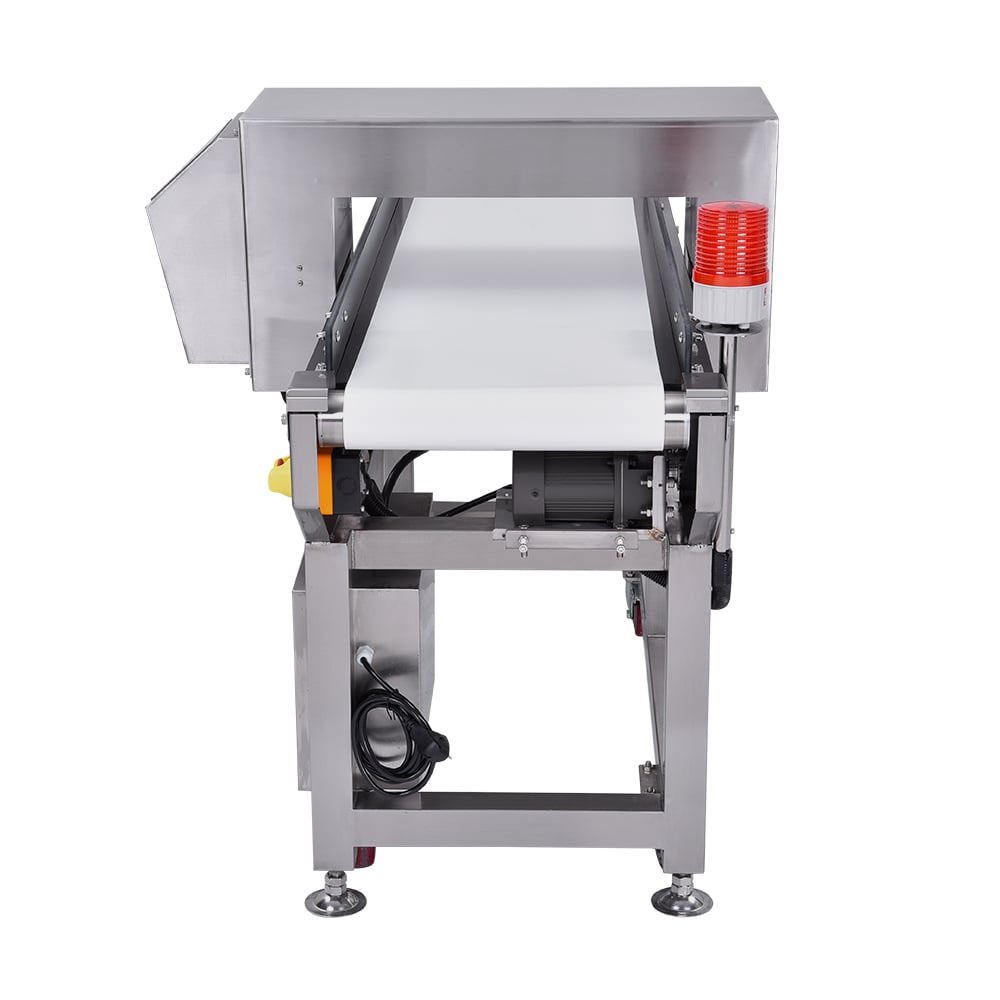
An inline checkweigher represents one of the most critical components in modern production environments, particularly within food processing, pharmaceuticals, and packaging industries. These systems rely heavily on dynamic load cells to achieve the precision that regulatory compliance and quality control demand. Understanding how load cells function within an automatic checkweigher framework is essential for manufacturers seeking to reduce product giveaway, minimize recalls, and maintain consistent weight standards across production runs.

Dynamic load cells operate continuously as products move along the conveyor scale, capturing real-time weight data with millisecond precision. Unlike static scales that measure weight in stationary conditions, a conveyor scale equipped with dynamic load cells must filter vibration, compensate for motion artifacts, and deliver accurate readings at production speeds. This capability makes the automatic checkweigher an indispensable tool for maintaining weight verification standards without slowing line throughput.
How Dynamic Load Cells Enable Real-Time Weight Accuracy
The Mechanics of Load Cell Response in Motion
Dynamic load cells convert mechanical force into electrical signals through strain gauge technology. When a product passes across the conveyor scale at speed, the load cell experiences rapid weight changes that require specialized signal conditioning to separate true weight from motion-induced noise. An inline checkweigher's success depends on the load cell's ability to respond quickly and settle to an accurate reading within the narrow window available at production speeds, often just 200 to 500 milliseconds per product.
The automatic checkweigher uses multiple load cells arranged across the conveyor to distribute product load evenly and improve signal reliability. This multi-sensor approach reduces measurement errors caused by uneven product placement, eccentric loading, or vibration from the conveyor drive system. Weight verification becomes more robust when the system can cross-reference readings from multiple points simultaneously, which is a hallmark of modern high-capacity checkweigher designs.
Signal Processing and Filtering Techniques
An inline checkweigher's controller must employ sophisticated digital filters to isolate genuine weight signals from transient vibrations. Load cells output analog signals that contain both the product weight and high-frequency noise from belt movement, motor harmonics, and product impacts. The conveyor scale's electronics apply low-pass filters, moving averages, and predictive algorithms to extract accurate weight data in real time, ensuring weight verification remains within tight tolerances even on noisy production floors.
Modern automatic checkweigher systems incorporate machine learning and statistical analysis to adapt filter settings based on line speed, product type, and environmental conditions. This adaptive approach allows the inline checkweigher to maintain consistent accuracy across varying production scenarios without manual recalibration between product changeovers.
Integration of Dynamic Load Cells with Conveyor Systems
Structural Design and Mounting Considerations
For an inline checkweigher to function reliably, dynamic load cells must be integrated into a rigid conveyor frame that minimizes deflection and resonance. The conveyor scale platform should distribute product weight uniformly across all load cells while isolating external vibrations from the surrounding production line. Poor mounting practices can introduce measurement errors that compromise weight verification accuracy, making mechanical integration as critical as the load cell's electronic performance.
An automatic checkweigher design typically incorporates load cells mounted beneath the conveyor belt at points of maximum structural stability. The conveyor scale must accommodate thermal expansion and mechanical wear without shifting the load cell alignment, which would introduce systematic bias into weight readings. Regular maintenance and periodic recalibration ensure the inline checkweigher maintains its calibrated state throughout its operational life.
Data Transmission and System Integration
Modern inline checkweigher systems transmit load cell data via industrial protocols such as CANopen, Ethernet/IP, or Profibus to central quality control systems. This integration allows weight verification data to be logged, analyzed, and correlated with other production parameters in real time. An automatic checkweigher connected to the manufacturing execution system can trigger alerts, divert rejected products, adjust filling equipment, and generate compliance documentation automatically.
The conveyor scale's digital interface enables bidirectional communication, where the system can adjust thresholds, download calibration files, and report diagnostics without stopping production. This connectivity transforms the inline checkweigher from a standalone measurement device into a critical node within the broader quality assurance network.
Precision Performance and Industry Applications
Achieving Regulatory Compliance with Dynamic Load Cells
Food manufacturers, pharmaceutical companies, and cosmetic producers operate under strict weight verification regulations such as those enforced by the FDA, NIST, and EU directives. An inline checkweigher equipped with properly calibrated dynamic load cells provides the documented evidence of compliance that auditors expect. The automatic checkweigher's ability to capture, store, and report weight data ensures traceability and accountability across entire production batches.
Weight verification performed by a conveyor scale reduces the risk of customer complaints, regulatory penalties, and product recalls. By catching underfilled or overfilled products in real time, an inline checkweigher protects brand reputation and minimizes financial losses associated with quality failures. Dynamic load cells deliver the measurement certainty necessary to support these critical business outcomes.
Reducing Product Giveaway and Optimizing Fill Weights
Manufacturers invest in inline checkweigher systems to reduce product giveaway, the practice of including excess product to account for measurement uncertainty. With precise weight verification from an automatic checkweigher, producers can narrow the acceptable weight range, reducing giveaway by 1 to 3 percent depending on the product and line configuration. Over millions of units annually, this efficiency improvement translates to significant cost savings that justify the capital investment in a conveyor scale with high-quality dynamic load cells.
The inline checkweigher continuously monitors fill consistency, identifying trends in weight drift that might indicate equipment degradation or process drift before they result in out-of-spec products. This predictive capability enables maintenance teams to intervene proactively, maintaining both product quality and production efficiency.
FAQ
What accuracy levels can an inline checkweigher achieve with dynamic load cells?
Modern inline checkweigher systems equipped with quality dynamic load cells can achieve repeatability of plus or minus 0.5 to 2 grams depending on product type, line speed, and load cell capacity. An automatic checkweigher's accuracy is influenced by load cell resolution, signal conditioning quality, and mechanical integration. A conveyor scale calibrated according to NIST standards and properly maintained can consistently deliver weight verification results that meet or exceed FDA and ISO requirements for food and pharmaceutical applications.
How often should dynamic load cells in an inline checkweigher be calibrated?
Most manufacturers calibrate their inline checkweigher load cells quarterly or semi-annually, depending on production volume and regulatory requirements. An automatic checkweigher used in high-throughput environments may require more frequent calibration to maintain weight verification accuracy. A conveyor scale's calibration schedule should be documented and performed using traceable test weights and certified calibration procedures to maintain compliance with quality standards.
Can an inline checkweigher handle variable product shapes and sizes?
Yes, an inline checkweigher can measure products with diverse shapes and sizes, but the automatic checkweigher must be configured appropriately. A conveyor scale with multiple dynamic load cells and intelligent software algorithms can adapt to different product profiles. Weight verification remains accurate as long as the inline checkweigher's sensor array and control system are tuned to the specific product characteristics and operating parameters of each production scenario.