 EN
EN


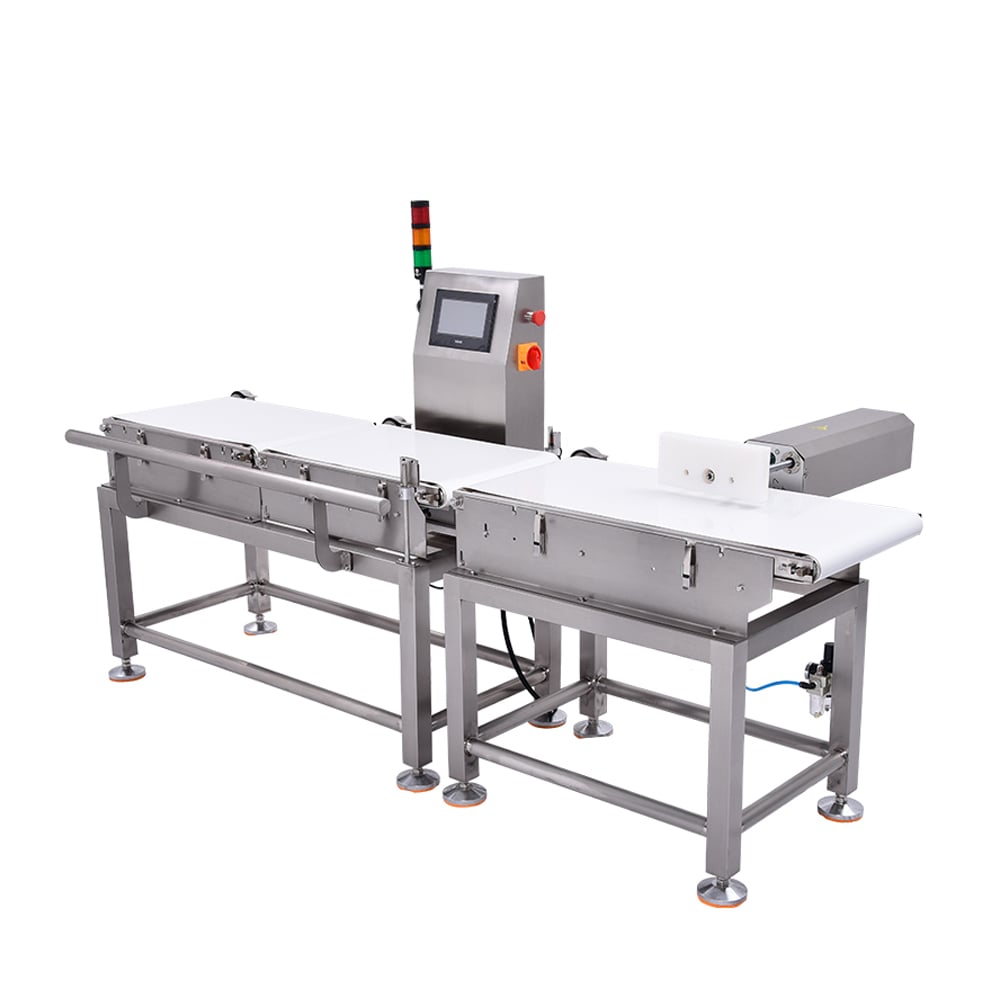
Integrating rejection gates with your production line represents one of the most critical operational decisions in modern manufacturing environments. An industrial metal detector system paired with automated rejection mechanisms creates a comprehensive contamination control solution that protects both product quality and consumer safety. This integration ensures that detected foreign materials are removed immediately from the production stream without manual intervention, creating a seamless workflow that maintains throughput while eliminating defective batches.
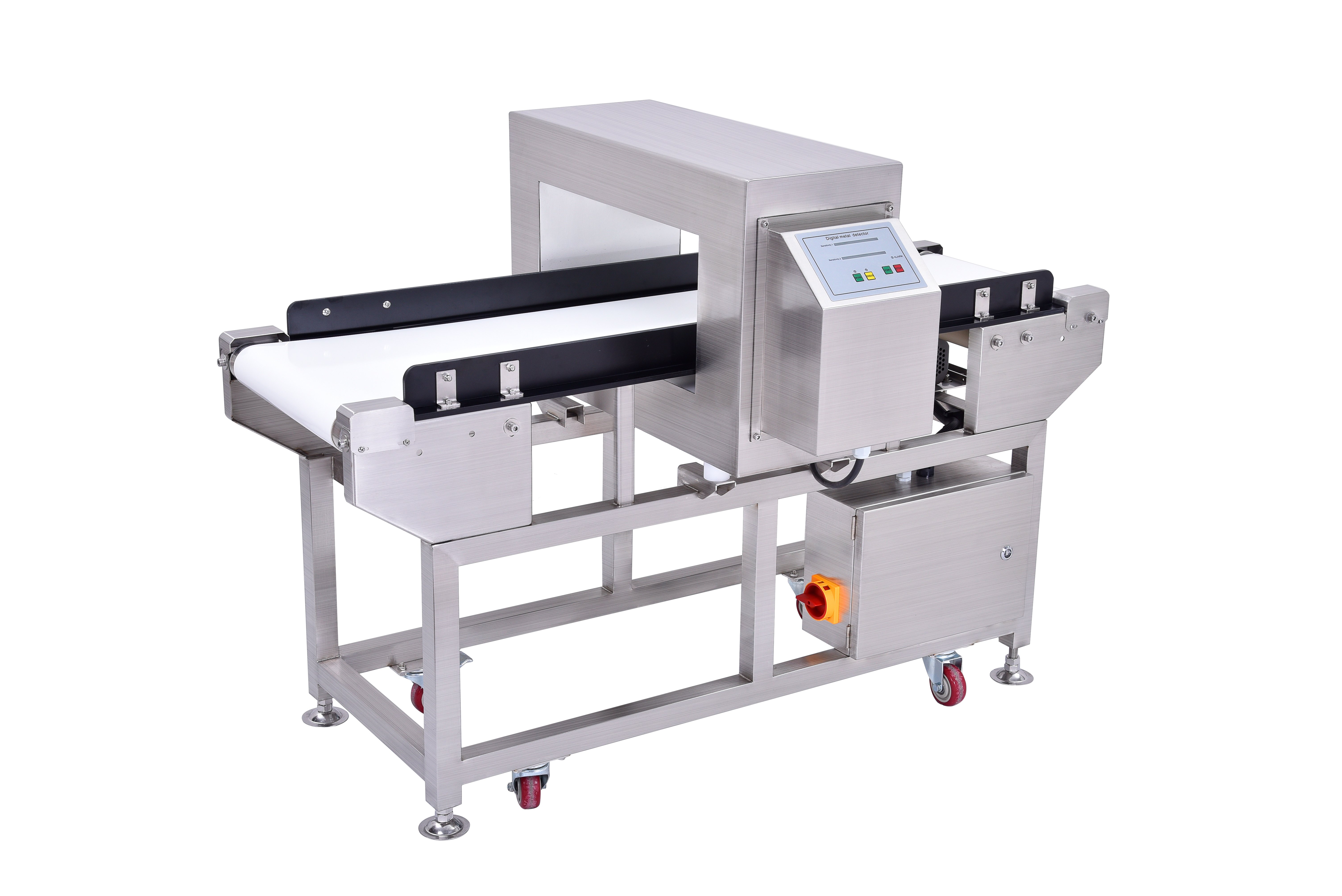
Heavy duty metal detector systems require careful coordination with rejection gate architecture to maximize detection rates while minimizing false positives that disrupt production schedules. The integration process involves selecting compatible sensors, configuring signal thresholds appropriately, and establishing reliable communication protocols between detection hardware and rejection activation mechanisms.
Understanding Detection and Rejection Workflow Integration
How Industrial Metal Detectors Work Within Production Lines
An industrial metal detector operates by generating an electromagnetic field that responds to conductive materials entering its sensing zone. When ferrous or non-ferrous metal fragments pass through the detector head, they create signal disturbances that the system monitors continuously. The detector analyzes signal amplitude and frequency characteristics to distinguish between genuine contamination and environmental noise, triggering an alert when metal particles exceed the configured sensitivity threshold.
Integration with rejection gates requires the industrial metal detector to communicate detection events through standardized signal outputs, typically relay contacts or networked protocols like Modbus or Profinet. The detection signal must activate the rejection gate within milliseconds to capture and remove the contaminated product before it advances further downstream. This synchronization demands precise timing calibration and regular testing to ensure rejection gates respond reliably to every detection event.
Rejection Gate Mechanisms and Activation Requirements
Rejection gates function through pneumatic, hydraulic, or mechanical actuation systems that physically divert or stop contaminated products when signaled by the industrial metal detector. Pneumatic systems offer rapid response times and are well-suited for high-speed lines, while hydraulic mechanisms provide greater force capacity for heavier materials requiring bulk inspection protocols. The selection between these technologies depends on production speed, product weight, installation space constraints, and required diversion distance from the main production path. Heavy duty metal detector configurations must account for the activation force requirements of chosen gate mechanisms, ensuring signal strength is sufficient to trigger gates reliably under all operating conditions.
Mechanical interlocks prevent false gate activations by requiring confirmed detection signals before engaging rejection mechanisms. Dual-channel safety architectures meet regulatory standards in regulated industries by ensuring that random sensor failures cannot independently trigger product rejection. The integration architecture should include feedback confirmation from rejection gates to the industrial metal detector control system, allowing real-time verification that rejection actions completed successfully.
Technical Integration Standards and Configuration Practices
Signal Interfacing and Communication Protocols
Modern factory metal detector systems support multiple communication interfaces to accommodate diverse production equipment architectures and legacy system integration requirements. Direct relay outputs remain common for straightforward pneumatic gate control, while networked protocols enable advanced diagnostics and remote monitoring capabilities across distributed production facilities. The industrial metal detector configuration must match the communication requirements of your rejection gate controller, ensuring compatibility through proper impedance matching and voltage level alignment.
Signal timing represents a critical parameter in industrial metal detector and rejection gate integration, as detection lag or gate response delay can allow contaminated products to escape the rejection zone. Configurable detection window parameters permit adjustment of sensitivity levels to balance contamination capture rates against false positive frequency.
Sensor Placement and Environmental Considerations
Optimal industrial metal detector positioning within your production line directly affects detection reliability and rejection gate effectiveness in capturing contaminated products. The detector head should be placed immediately before the rejection gate to minimize the distance contaminated material travels after detection, reducing the likelihood of escape. Environmental factors including product moisture content, conveyor speed, and material composition all influence metal detector performance and require sensor calibration adjustments to maintain consistent detection sensitivity. Factory metal detector systems must be shielded from direct water spray or vibration sources that could degrade sensor stability, necessitating protective enclosures in high-moisture processing environments.
Ground plane effects and metal-rich environments can reduce industrial metal detector sensitivity by altering the baseline electromagnetic signature against which contaminants are compared. Installation of non-metallic mounting hardware and careful cable routing away from conductive surfaces helps maintain detector performance in challenging facility layouts supporting bulk inspection protocols. Regular calibration verification using standardized test samples ensures that accumulated environmental drift does not compromise detection sensitivity over extended operational periods.
Implementing Effective Quality Control and Maintenance Protocols
Testing, Calibration, and Performance Verification
Comprehensive testing of industrial metal detector and rejection gate integration must occur before full production deployment to validate that all system components function properly under realistic operating conditions. Calibration standards using certified test samples containing known metal fragment sizes establish baseline detection performance against which ongoing system operation is compared. Regular verification testing using quality control samples throughout production runs provides objective evidence that the integrated system continues detecting contaminants reliably despite equipment wear or environmental changes. Factory metal detector performance logs document detection history and allow identification of patterns indicating developing problems requiring maintenance attention before they impact product quality.
Rejection gate response testing confirms that activation mechanisms move through complete travel ranges and return to neutral positions reliably after each cycle. Load testing under maximum throughput conditions validates that heavy duty metal detector systems and rejection gates maintain synchronized operation without timing slippage or mechanical fatigue during continuous production runs. Redundancy testing of dual-channel safety systems confirms that backup detection channels activate properly if primary sensors degrade, maintaining protection during sensor replacement intervals. Documented testing procedures and performance acceptance criteria ensure consistent quality standards across all production facilities implementing bulk inspection protocols.
Maintenance Planning and Preventive Service Schedules
Preventive maintenance schedules for industrial metal detector systems should include regular sensor inspection for physical damage, connector corrosion, or accumulated product residue that could degrade electromagnetic coupling efficiency. Calibration rechecks at defined intervals, typically monthly or quarterly depending on production intensity, ensure that detector sensitivity remains within specification despite minor component drift. Factory metal detector enclosure integrity must be verified to prevent moisture infiltration or dust accumulation that compromises sensor performance, particularly in food processing or pharmaceutical manufacturing environments subject to high-moisture conditions. Replacement parts inventories maintained specifically for your heavy duty metal detector configuration enable rapid repairs that minimize production downtime when component failures occur.
Rejection gate mechanical components require lubrication schedules appropriate to the actuation technology and facility environment, preventing wear that would slow response times or increase activation latency. Pneumatic systems demand regular drain maintenance to remove accumulated moisture from pressure lines, while hydraulic systems require periodic fluid analysis to detect contamination or viscosity degradation. Electrical connections throughout the integrated system benefit from periodic cleaning and re-torquing to maintain low-resistance signal paths that prevent false triggers or delayed responses. Documented maintenance records create a comprehensive history of system care that guides replacement decisions and helps optimize industrial metal detector service life while supporting bulk inspection reliability throughout equipment operational periods.
FAQ
How do industrial metal detectors achieve reliable contamination detection in high-speed production environments?
Industrial metal detectors employ advanced digital signal processing that distinguishes genuine metal contamination from electromagnetic noise through frequency analysis and amplitude comparison techniques. High-speed production lines require detector response times measured in milliseconds, achieved through dedicated processing hardware that continuously monitors the electromagnetic field without computational lag. Factory metal detector systems use adaptive threshold algorithms that account for product composition changes, maintaining consistent detection performance whether processing ferrous or non-ferrous materials. The heavy duty metal detector architecture incorporates redundant sensing elements that confirm detection events before triggering rejection gates, preventing false alarms that disrupt production flow.
What factors should influence the selection between pneumatic and hydraulic rejection gate systems for bulk inspection applications?
Pneumatic rejection gates offer superior response speed and lower maintenance requirements, making them ideal for high-speed production lines where rapid product diversion minimizes conveyor backup. Hydraulic systems provide greater force capacity for rejecting heavy materials or products with substantial momentum, essential when processing dense bulk inspection loads that pneumatic mechanisms cannot move efficiently. Facility compressed air availability and pressure stability influence pneumatic system viability, as inconsistent air supply creates variable gate response times that compromise industrial metal detector effectiveness. The total cost of ownership including installation, maintenance, spare parts availability, and training requirements should guide system selection alongside performance and space constraints specific to your production layout.
How can operators verify that integrated industrial metal detector and rejection gate systems continue functioning reliably after initial installation?
Regular testing using certified metal contamination standards containing known fragment sizes and weights provides objective evidence that factory metal detector sensitivity remains within acceptable performance ranges despite equipment aging or environmental changes. Rejection gate activation tests confirm that pneumatic or hydraulic mechanisms respond promptly to detection signals and complete full travel cycles without mechanical hesitation or incomplete acturation.
Table of Contents
- Understanding Detection and Rejection Workflow Integration
- Technical Integration Standards and Configuration Practices
- Implementing Effective Quality Control and Maintenance Protocols
-
FAQ
- How do industrial metal detectors achieve reliable contamination detection in high-speed production environments?
- What factors should influence the selection between pneumatic and hydraulic rejection gate systems for bulk inspection applications?
- How can operators verify that integrated industrial metal detector and rejection gate systems continue functioning reliably after initial installation?