 EN
EN

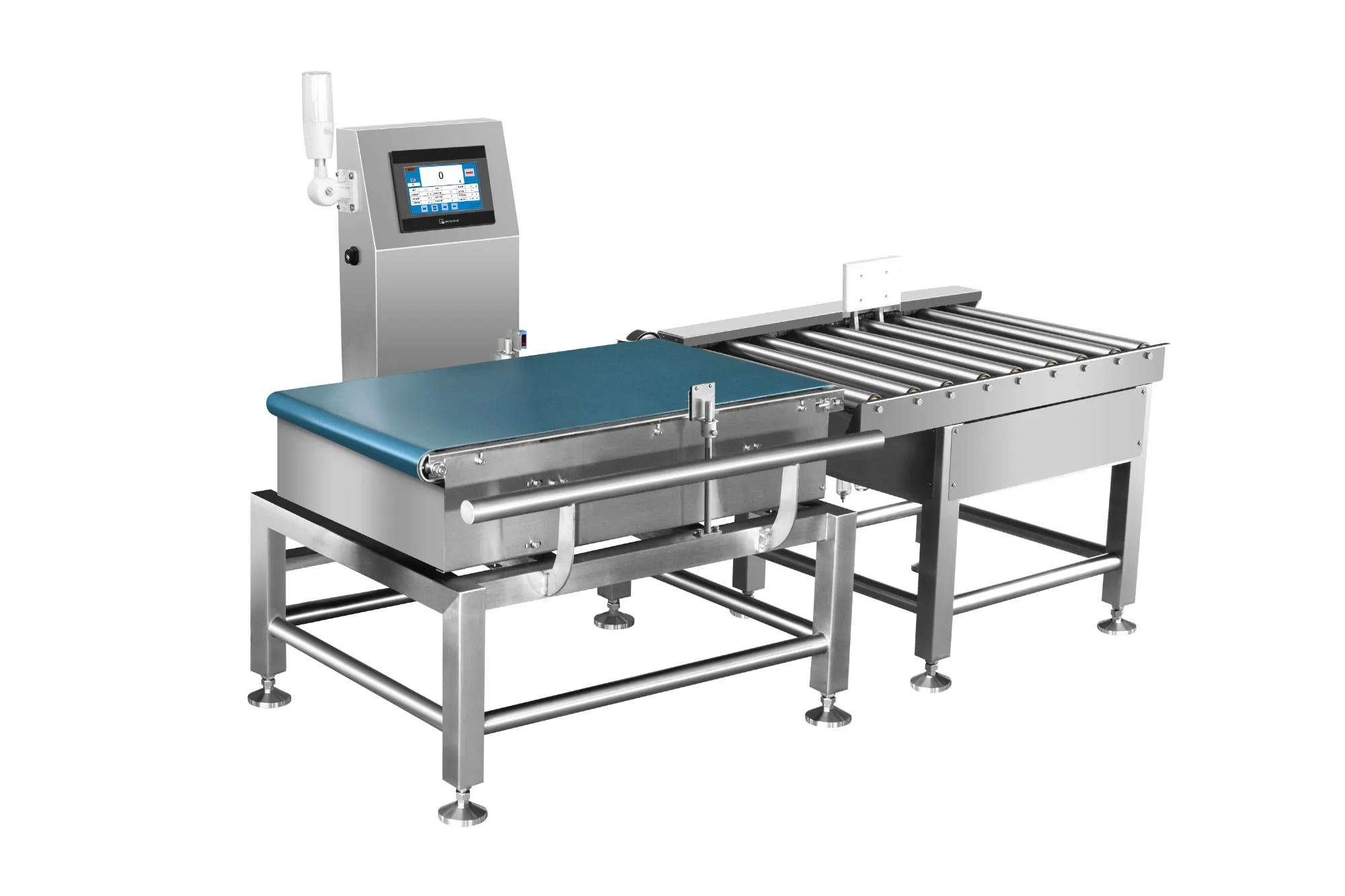
Setting up multi zone tolerance sorting on a high speed inline checkweigher is one of the most effective ways to ensure consistent product quality in modern manufacturing environments. Multi zone tolerance sorting allows manufacturers to define different weight acceptance ranges across distinct product zones, enabling precise control over which items pass quality standards and which are rejected or diverted for rework. This advanced configuration capability transforms a basic automatic checkweigher into a sophisticated quality control tool that can handle complex production requirements without manual intervention.

Understanding the fundamentals of multi zone tolerance sorting requires recognizing how conveyor scale systems operate in high speed production lines. Modern automatic checkweigher technology processes products at rates exceeding 300 units per minute, making real time weight verification essential. By segmenting the production flow into multiple detection zones, operators can apply tailored weight verification rules to different product types or production stages, maximizing throughput while maintaining strict quality compliance.
Understanding Multi Zone Tolerance Architecture
Core Components of Multi Zone Sorting Systems
A well configured inline checkweigher system divides the product flow into distinct detection zones, each with independent tolerance parameters. The conveyor scale beneath the product pathway records weight data continuously, and the system compares each measurement against zone specific thresholds. This zoning approach enables manufacturers to handle product variations naturally while maintaining overall quality standards. Each zone can be programmed with unique upper and lower weight limits, reject actions, and data logging protocols.
The architecture of modern automatic checkweigher systems supports dynamic zone allocation, meaning manufacturers can adjust zone configurations without stopping production. Zones function as independent quality gates operating in parallel, allowing the same inline checkweigher to handle multiple product lines simultaneously. This flexibility is particularly valuable in facilities producing similar items with minor weight variations or requiring different tolerance standards at different production stages.
Data Integration and Real Time Monitoring
Multi zone tolerance sorting systems generate extensive quality data that feeds into plant management software. Each weighing event, zone assignment, and acceptance or rejection decision creates a timestamped record. This automatic checkweigher data forms the foundation for statistical process control, trend analysis, and compliance documentation. Operators can view real time zone performance metrics, including average weights, rejection rates, and throughput by zone, enabling rapid response to production anomalies.
Configuration and Implementation Best Practices
Setting Zone Parameters and Tolerance Ranges
Establishing appropriate tolerance ranges for each zone begins with detailed product specifications and historical production data. Manufacturers should conduct baseline weight studies before configuring zones on the inline checkweigher, collecting at least 30 samples per product type to determine natural variation. The conveyor scale measurements provide critical input for defining zone boundaries that separate acceptable products from out of specification items. Conservative tolerance ranges reduce scrap but increase reject rates, while aggressive ranges maximize throughput but risk shipping defective products.
Each automatic checkweigher zone should reflect the specific quality requirements of products flowing through it. Heavier products requiring stricter consistency may have tighter tolerance bands, while lighter items with naturally wider variation may accept broader ranges. Weight verification zones must be documented thoroughly, with clear rationale for each parameter setting. Regular audits ensure zone configurations remain aligned with current product specifications and quality objectives.
Reject Action Programming and Workflow
Once an inline checkweigher identifies products falling outside established weight verification ranges, the system must execute appropriate reject actions. Multi zone systems support multiple rejection strategies, including physical diversion arms, stop signals, or marking systems that route out of spec products to secondary inspection areas. Different zones can trigger different reject actions based on production requirements. Some manufacturers use conveyor scale systems to gently remove light products while forcefully ejecting overweight items, protecting product integrity during rejection.
Workflow integration ensures that rejected products reach the appropriate destination without disrupting main line production. Many automatic checkweigher installations include buffer zones or secondary conveyors where rejected items collect for manual review or rework. Documentation of rejection reasons enables root cause analysis and process improvement initiatives. Over time, data patterns reveal whether rejections stem from equipment drift, material supplier issues, or production process variability.
Optimization and Performance Tuning
Achieving Accuracy Across High Speed Production
Multi zone tolerance sorting performance depends critically on the underlying inline checkweigher's measurement accuracy and repeatability. Modern conveyor scale technology achieves linearity errors below 0.1 percent across the full weighing range, enabling reliable performance even at extreme production speeds. However, accuracy can degrade if products contact zone boundaries at improper angles or if accumulated residue interferes with weighing surfaces. Regular calibration using certified test weights ensures zone based weight verification maintains precision throughout operating periods.
Environmental factors influence automatic checkweigher performance in ways that zone configuration alone cannot solve. Temperature fluctuations, vibration from adjacent machinery, and humidity changes all affect measurement stability. Installing the inline checkweigher on isolation mounts and maintaining consistent ambient conditions helps preserve accuracy across all zones. Operators should run daily verification checks using reference samples that span the full range of zone tolerance bands.
Continuous Monitoring and Preventive Maintenance
Effective multi zone tolerance sorting requires ongoing performance monitoring beyond initial setup. Statistical tracking of zone rejection rates, average weights per zone, and variance trends reveals whether the automatic checkweigher continues operating within design specifications. Sudden changes in rejection patterns may indicate product quality shifts, equipment calibration drift, or mechanical issues affecting conveyor scale accuracy. Proactive maintenance schedules prevent performance degradation that could compromise weight verification across all zones.
Data trending from the inline checkweigher provides early warning signals for maintenance needs. If average weights within a zone gradually increase while rejection rates climb, the issue may be material supplier inconsistency or a product dimension change affecting how items position on the conveyor scale. Conversely, if zone performance data remains stable but overall rejection rates spike unexpectedly, the automatic checkweigher itself may require recalibration or service. Understanding these patterns enables operators to distinguish between process issues and equipment problems.
FAQ
How many zones can a typical inline checkweigher support simultaneously?
Modern automatic checkweigher systems typically support 4 to 16 independent zones depending on platform architecture and software capabilities. Each zone maintains its own conveyor scale data processing and rejection logic. The number of zones actually used depends on production complexity and the number of distinct product types or quality standards operating on the line. Systems can dynamically switch zone assignments based on product identification, allowing a single inline checkweigher to handle many different products with minimal configuration changes.
What happens when products are rejected in multi zone tolerance sorting?
When an inline checkweigher detects an out of specification weight in a zone, the automatic checkweigher executes the configured reject action immediately. Physical reject mechanisms divert products to secondary areas, or the conveyor scale system marks rejected items for manual removal. Multi zone systems track rejection data by zone, allowing operators to identify which zones are producing excessive rejects. This information guides process improvements and helps pinpoint whether rejections stem from product quality variations or equipment issues.
Can multi zone tolerance sorting be adjusted while the automatic checkweigher is running?
Yes, modern inline checkweigher systems allow operators to modify zone parameters without stopping production. Weight verification ranges, reject thresholds, and action assignments can be updated in real time through the system interface. The conveyor scale continues processing products while new zone settings take effect. However, significant configuration changes should be verified with test runs and sample collections to ensure the automatic checkweigher performs as expected under new parameters before resuming full production operation.