 EN
EN


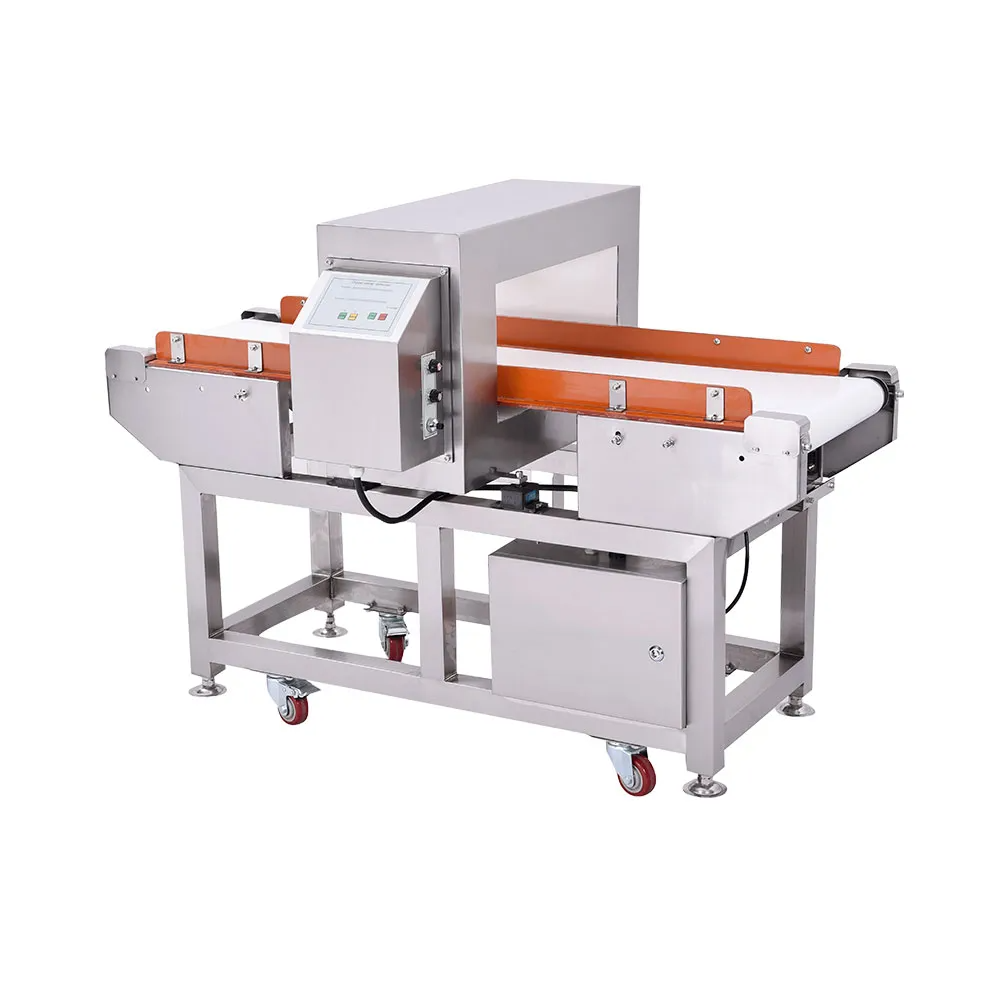
Product matrix effects represent one of the most significant challenges facing modern conveyor belt metal detectors in industrial production environments. The material composition and density of products moving through detection systems directly influence signal quality and detection accuracy, creating complex operational scenarios that require specialized understanding and engineering solutions.
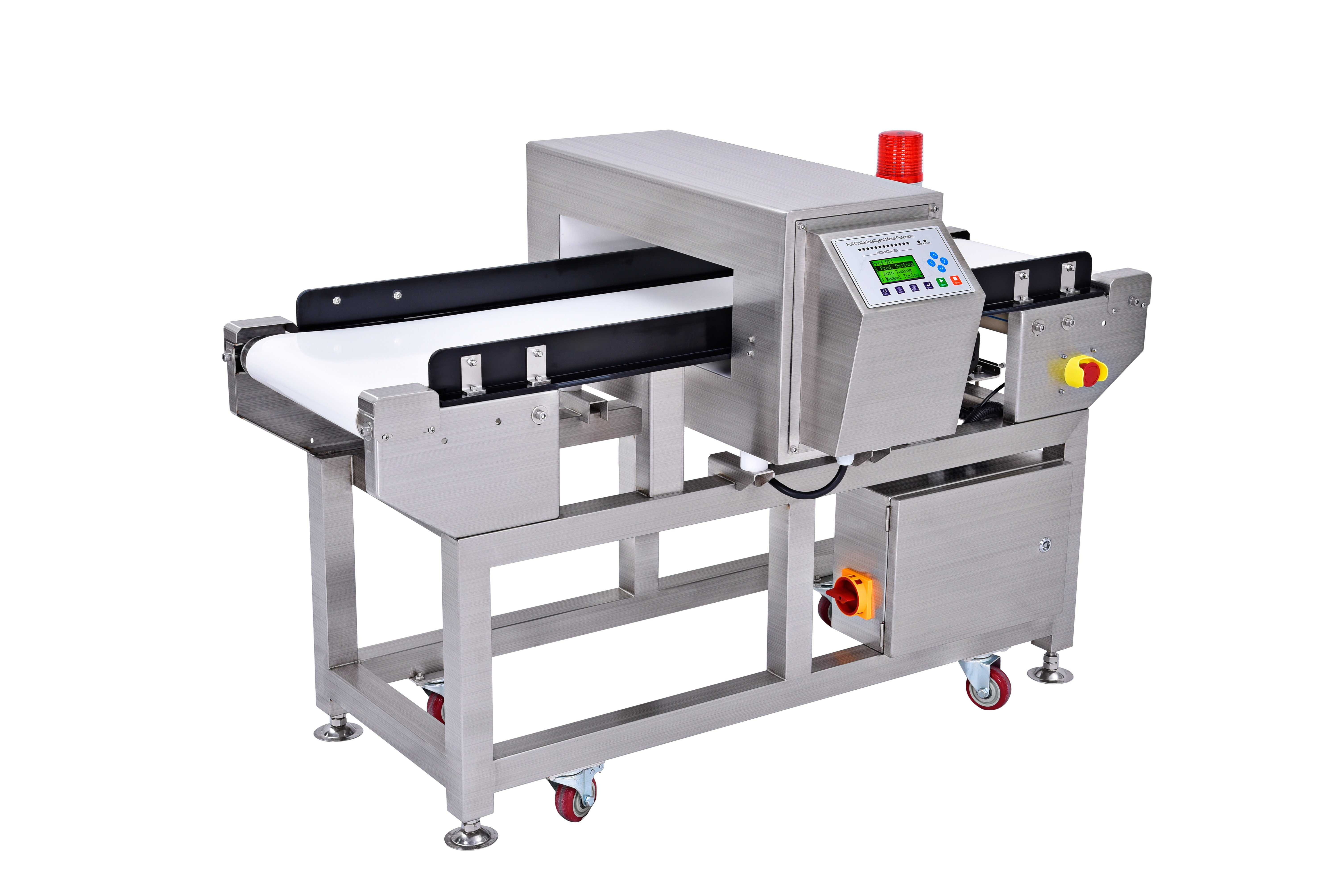
The interaction between product characteristics and detection technology fundamentally shapes how tunnel metal detector systems perform on packaging lines. Manufacturing facilities that process diverse product types—from pharmaceuticals to food items—face particular difficulties when different material matrices pass through the same metal inspection equipment. Understanding these challenges enables operators to configure systems effectively and maintain consistent product safety standards.
Understanding Product Matrix Effects in Metal Detection
How Product Properties Interfere with Detection Signals
Product matrix effects occur when the physical and chemical properties of items on the conveyor belt interfere with the electromagnetic signals generated by metal detection systems. High-moisture products, metallic minerals in raw materials, and conductive packaging create baseline noise that masks genuine metal contaminants. A packaging line detector must distinguish between these harmless signals and actual foreign metal objects, a distinction that becomes increasingly difficult as product conductivity approaches that of target metals like aluminum or stainless steel.
The density and composition of products dramatically affect signal absorption and attenuation. When conveyor belt metal detectors scan dense materials such as fortified foods or pharmaceutical powders with mineral content, the transmitted electromagnetic energy weakens significantly. This attenuation reduces the system's ability to detect small metallic contaminants deep within the product matrix, requiring careful calibration and sometimes detection sensitivity trade-offs that risk missing problematic foreign objects.
Why Baseline Noise Complicates Metal Inspection
Baseline signal variation represents the most persistent operational problem in metal inspection environments. Products containing natural minerals, salts, or iron compounds generate background electromagnetic responses that fluctuate unpredictably. When a tunnel metal detector attempts to establish consistent threshold levels, this variability forces operators to choose between two undesirable outcomes: setting thresholds too high and missing small contaminants, or setting them too low and triggering excessive false alarms that halt production unnecessarily.
Moisture content within products creates particularly challenging baseline conditions. Wet or oily foods exhibit different electromagnetic properties than dry formulations of the same product. Temperature variations further complicate matters, as product temperature fluctuations during storage or processing affect conductivity characteristics. These dynamic baseline conditions require sophisticated metal inspection systems capable of real-time adjustment rather than simple fixed-threshold detection approaches.
Technical Challenges and Detection Performance Limitations
Sensitivity Trade-offs in High-Noise Environments
Conveyor belt metal detectors must balance detection sensitivity against practical operational constraints imposed by product matrix effects. Increasing sensitivity to catch smaller metal particles inevitably increases false alarm rates in high-noise product environments. This sensitivity-versus-stability trade-off becomes acute in applications involving mineral-rich, high-moisture, or conductive products where background signals already consume significant detector bandwidth.
The performance limitations become evident when processing products that closely mimic target contamination signatures. Metallic minerals naturally present in some raw materials generate signals nearly identical to accidental metal contamination. A tunnel metal detector system cannot reliably distinguish between these scenarios without risking either missed contamination or production disruptions from false positives. Some manufacturing operations accept lower sensitivity on products with severe matrix effects, creating potential compliance and safety concerns.
Size and Material Composition Constraints
Not all metals present equivalent detection challenges within product matrices. Ferrous metals like iron generate strong magnetic field disturbances easily detected by conveyor belt metal detectors, even within difficult product environments. Non-ferrous metals such as aluminum and copper generate weaker eddy current responses that degrade more severely when attenuated by dense product composition. Stainless steel presents particular difficulty because its low magnetic permeability and moderate conductivity make detection inherently more challenging than ferrous alternatives.
Contamination particle size interacts critically with product matrix effects. Large metal objects remain detectable despite matrix interference because they generate proportionally stronger signals. Small particles, particularly non-ferrous fragments, may fall below reliable detection thresholds when passing through challenging product matrices. A packaging line detector must achieve consistent detection of particles small enough to cause harm but within the constraints imposed by the specific product's electromagnetic properties.
Practical Solutions and Optimization Strategies
Advanced Detection Technologies and Calibration Methods
Modern metal inspection systems address product matrix challenges through intelligent signal processing and adaptive baseline management. Multi-frequency detection technology operates simultaneously at several electromagnetic frequencies, allowing the system to differentiate between product matrix signals and genuine metal contamination more effectively. Advanced conveyor belt metal detectors employ artificial intelligence and machine learning algorithms that continuously adjust detection thresholds based on real-time product characteristics, maintaining consistent sensitivity despite matrix variations.
Proper system calibration represents the foundation of effective metal inspection performance. Operators must establish baseline product signals for each unique material type processed through the tunnel metal detector. Regular recalibration ensures that detection parameters remain optimized as seasonal ingredient variations, supply source changes, or processing modifications alter product matrix properties. Some facilities maintain separate detection profiles for different product batches, reducing the detection performance penalties associated with using single generic settings for diverse formulations.
Operational Best Practices for Matrix-Sensitive Applications
Segregating product types by material composition allows each batch to pass through conveyor belt metal detectors optimized for that specific matrix. Rather than forcing a single tunnel metal detector to handle products with vastly different electromagnetic properties, production scheduling that groups similar materials minimizes the need for repeated recalibration. This approach particularly benefits high-volume operations processing diverse product portfolios where frequent setting adjustments would otherwise consume significant production time.
Environmental monitoring and product condition standardization reduce matrix-related detection variability. Maintaining consistent temperature and humidity in production areas helps stabilize product moisture content and electromagnetic properties. Using consistent ingredient sourcing prevents unexpected variations in natural mineral content that alter baseline signals. Metal inspection systems perform most reliably when product conditions remain predictable and stable, reducing the electromagnetic noise that matrix effects introduce into detection environments.
FAQ
How do conveyor belt metal detectors handle products with high natural mineral content?
Advanced tunnel metal detector systems employ multi-frequency scanning and adaptive signal processing to distinguish between natural minerals within the product matrix and genuine metal contaminants. The detection equipment analyzes signal patterns across multiple frequencies simultaneously, allowing the system to recognize and filter out characteristic mineral signatures while remaining sensitive to unexpected metal objects. Proper calibration using actual product samples ensures that the detector's baseline settings reflect the specific mineral content of materials being processed, improving detection accuracy significantly compared to generic settings.
What performance trade-offs should manufacturers expect with metal inspection on difficult product matrices?
Challenging product matrices sometimes necessitate accepting reduced detection sensitivity for very small particles to maintain acceptable false alarm rates on conveyor belt metal detectors. Manufacturers must evaluate their specific contamination risk profile and regulatory requirements to determine acceptable sensitivity levels. Some operations implement supplementary inspection methods like visual screening or manual checking on particularly challenging products to compensate for the limitations that product matrix effects impose on automated packaging line detector performance.
How frequently should tunnel metal detector systems be recalibrated for different products?
Recalibration frequency depends on how substantially product matrix properties differ between batches. If processing distinct product types with significantly different moisture content, mineral composition, or conductivity characteristics, recalibrating the tunnel metal detector between product transitions ensures optimal detection performance. For conveyor belt metal detectors handling minor variations within similar product families, daily verification scans using reference samples typically suffice. Establish recalibration protocols based on your specific products and document baseline settings for each matrix type to maintain consistent metal inspection reliability.