 EN
EN


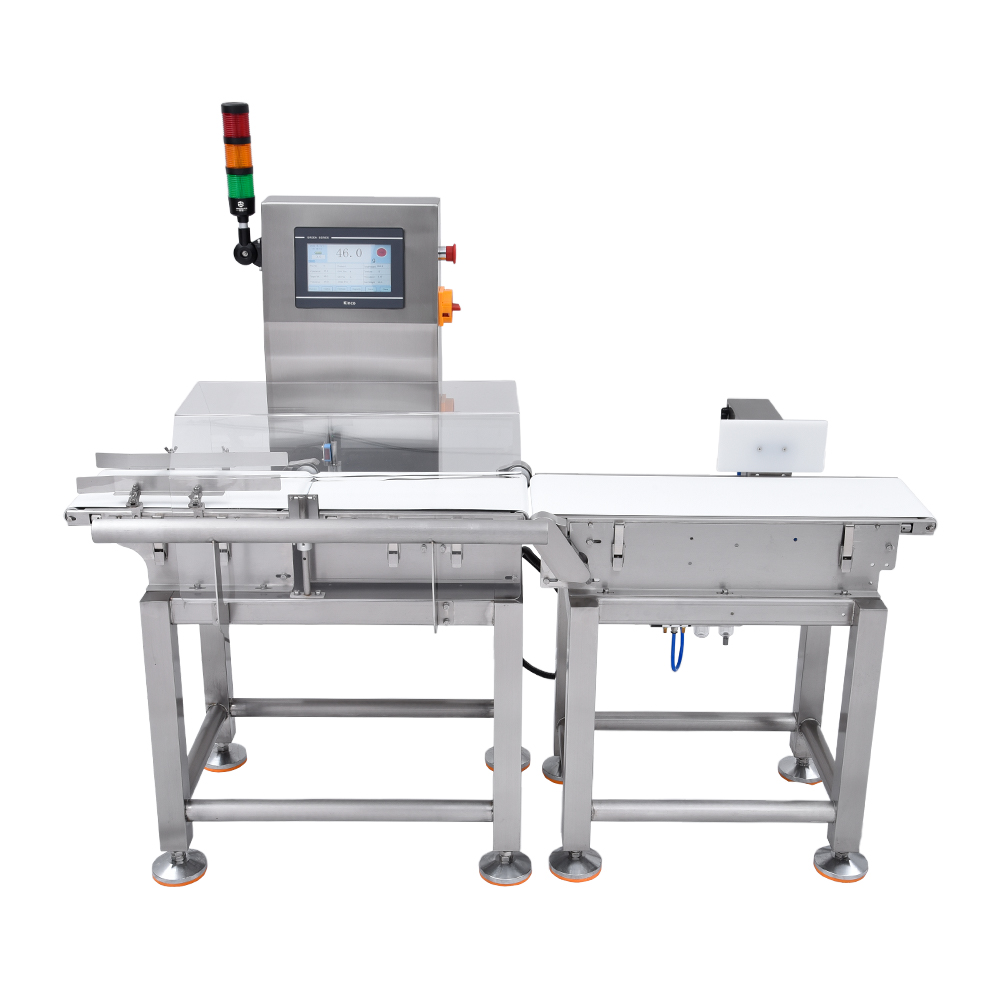
Automatic rejection timing represents one of the most critical operational parameters on modern conveyor belt metal detectors. This timing mechanism determines precisely when a detected metal contaminant triggers the rejection of a product from the production line. Understanding how to evaluate and configure rejection timing is essential for manufacturers seeking to minimize product loss while maintaining absolute contamination prevention. The speed at which your rejection system responds directly impacts both safety compliance and production efficiency.
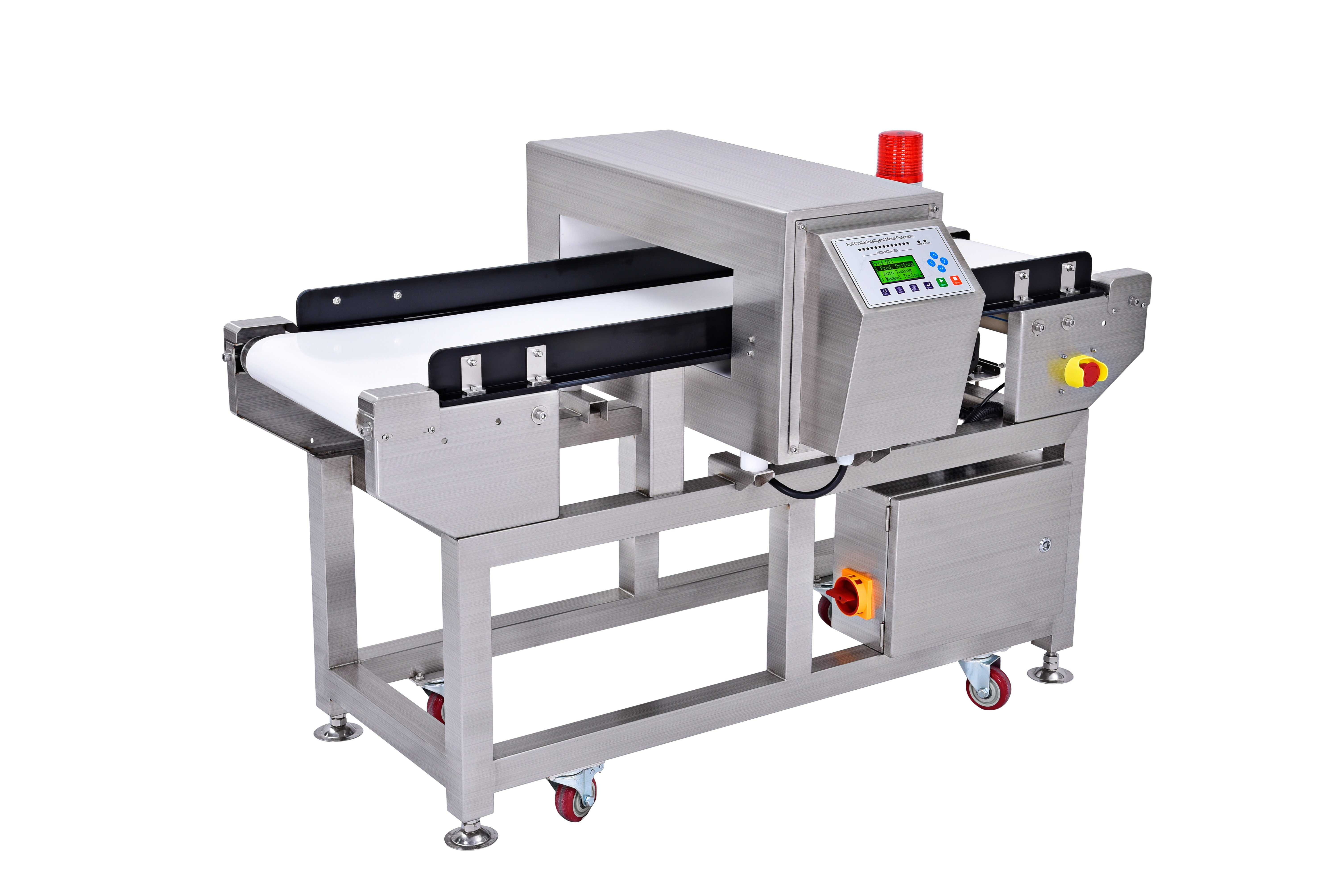
The rejection timing evaluation process requires balancing multiple variables including conveyor speed, product size, detection sensitivity, and mechanical diverter response capability. When a tunnel metal detector identifies a contaminated item, the system must calculate the exact moment to activate pneumatic or mechanical ejection mechanisms. Improper timing configuration can result in either missed contamination or unnecessary rejection of acceptable products, both scenarios carrying significant operational and regulatory consequences.
Understanding Rejection Timing Mechanisms
How Detection and Rejection Sequences Work
Modern packaging line detectors operate on precisely synchronized sequences that begin the moment a metal object enters the detection field. The metal inspection system sends an electrical signal to the reject mechanism when contamination is identified. This signal must travel through the control circuit, activate pneumatic solenoids or mechanical arms, and physically remove the product before it exits the detection zone. The entire process typically occurs within milliseconds, requiring extremely accurate timing calibration to function effectively on high-speed production lines.
Different rejection systems employ varying response mechanisms. Pneumatic air diverters use compressed air to push contaminated items off the conveyor belt. Mechanical plows employ a physical arm that diverts products laterally. Magnetic separators pull ferrous materials away from the product stream. Each system type has distinct response characteristics that must be matched precisely to your conveyor speed and product flow rate to prevent either delayed rejections or premature activations that could damage acceptable products.
Critical Variables Affecting Rejection Accuracy
Conveyor belt speed stands as the primary variable influencing rejection timing requirements. A faster-moving packaging line detector system must activate rejection mechanisms much sooner after initial detection to catch contamination before products pass the diversion point. Slow-speed lines allow for later activation without missing contamination. Additionally, the physical distance between the detection window and the rejection point directly determines how much time the control system has to process the signal and activate mechanical responses.
Product size and weight also significantly impact timing evaluation. Heavier or bulkier items require more force to divert effectively, and the rejection mechanism may need additional time to physically move them away from the production line. Density variations between products on the same packaging line detector affect how predictably items travel through the detection zone. Environmental factors including vibration, humidity, and temperature fluctuations can introduce slight delays in pneumatic response times, necessitating carefully measured timing adjustments.
Evaluating Your System's Rejection Performance
Testing and Measurement Methods
Systematic testing protocols should be implemented to evaluate whether your conveyor belt metal detectors achieve optimal rejection timing. Begin by running test products containing known metal contaminants through the production line at operational speed. These test samples should include ferrous materials, non-ferrous metals, and stainless steel at various sizes to simulate real contamination scenarios. Document whether rejections occur consistently at the designated diversion point or whether timing variations cause inconsistent results across multiple test runs.
Recording rejection point consistency requires careful observation and measurement. Mark the expected rejection location on your conveyor system and track how many test items actually get diverted at that precise point versus where they are actually removed. Timing cameras or high-speed video can capture the exact moment detection occurs and compare it against when mechanical rejection activates. Timing discrepancies exceeding 50 milliseconds typically indicate the need for system calibration adjustments to maintain reliable metal inspection performance across all production conditions.
Identifying Timing Problems and Failure Modes
Inadequate rejection timing manifests in several observable failure patterns. Early timing activation, where products get diverted before truly reaching the optimal diversion point, causes unnecessary product loss and increased operational costs. Late timing activation allows potentially contaminated items to bypass the rejection zone entirely, creating critical food safety or manufacturing quality failures. Intermittent timing issues where rejection activates inconsistently indicate underlying problems in signal transmission, pneumatic pressure regulation, or mechanical component wear requiring prompt tunnel metal detector maintenance and recalibration.
Environmental and operational changes frequently necessitate rejection timing re-evaluation. Ambient temperature fluctuations alter pneumatic fluid viscosity and pressure delivery speed. Seasonal humidity changes affect electrical component responsiveness and signal processing reliability. Aging conveyor belts may develop slight speed variations that compound rejection timing errors over time. Regular monitoring ensures your packaging line detector maintains consistent performance and helps detect when timing adjustments become necessary to preserve food safety and product quality standards.
Optimizing Rejection Timing for Production Efficiency
Calibration and Configuration Best Practices
Proper calibration begins with establishing baseline timing measurements under controlled conditions. Run multiple test cycles at your standard operating conveyor speed with consistent product characteristics. Gradually adjust the rejection timing parameters in small increments while monitoring rejection point consistency. Most modern conveyor belt metal detectors offer digital adjustment interfaces allowing precise millisecond-level timing modifications without requiring hardware changes. Document all calibration adjustments and the specific production conditions under which testing occurred for future reference and troubleshooting purposes.
System pressure and electrical signal strength directly influence rejection mechanism response times. Verify that pneumatic air supply maintains consistent pressure throughout operating hours, as pressure fluctuations of even 5 PSI can noticeably affect rejection timing. Check electrical connections and signal cables for corrosion or damage that might introduce transmission delays. Test solenoid valve responsiveness independently to confirm these components activate immediately upon receiving the detection signal. Comprehensive maintenance of all timing-critical components ensures your metal inspection system performs reliably across extended production runs.
Adjusting Parameters for Varying Production Scenarios
Different products require custom timing configurations optimized for their specific characteristics. Lightweight items with small dimensions may need earlier rejection activation than heavy bulk products because they travel through the detection zone more quickly. Higher conveyor speeds mandate proportionally faster rejection response times compared to slower-speed packaging line detector applications. Manufacturers operating multiple production lines with different speeds and product types should maintain separate calibration profiles that can be quickly selected when switching between production scenarios, ensuring consistent metal inspection performance across all manufacturing environments.
Seasonal and operational variations should be anticipated and incorporated into timing strategy. Winter months when production facilities are colder may require slight timing adjustments compared to summer operations due to pneumatic fluid viscosity changes. New product introductions should trigger immediate evaluation of rejection timing appropriateness before full-scale production launch. Implementing a quarterly re-verification schedule helps identify timing drift before it creates production problems, maintaining the reliability and precision that modern food safety regulations and quality standards demand.
FAQ
What happens if rejection timing is set too early on my conveyor belt metal detectors?
Setting rejection timing too early causes premature product diversion before the item actually reaches the optimal rejection point. This results in wasted product, reduced production efficiency, and increased operational costs. Products may be rejected before the contamination is even confirmed, leading to unnecessary loss of acceptable merchandise and reduced overall line throughput on your packaging line detector system.
How often should I verify rejection timing on my tunnel metal detector?
Rejection timing verification should be performed quarterly under normal operating conditions, or immediately whenever you change conveyor speeds, product types, or make maintenance adjustments to your metal inspection equipment. Environmental changes, component aging, and seasonal variations can gradually affect timing precision, making regular verification essential for maintaining reliable contamination prevention on your packaging line detector.
Can rejection timing affect food safety compliance for metal detection?
Yes, improper rejection timing directly impacts food safety compliance. If contaminated products bypass the rejection point due to late timing, they may reach consumers, creating serious safety hazards and regulatory violations. Food safety regulations require documented evidence that your conveyor belt metal detectors consistently remove contaminated items, making accurate rejection timing verification essential for maintaining compliance and protecting your brand reputation.