 EN
EN


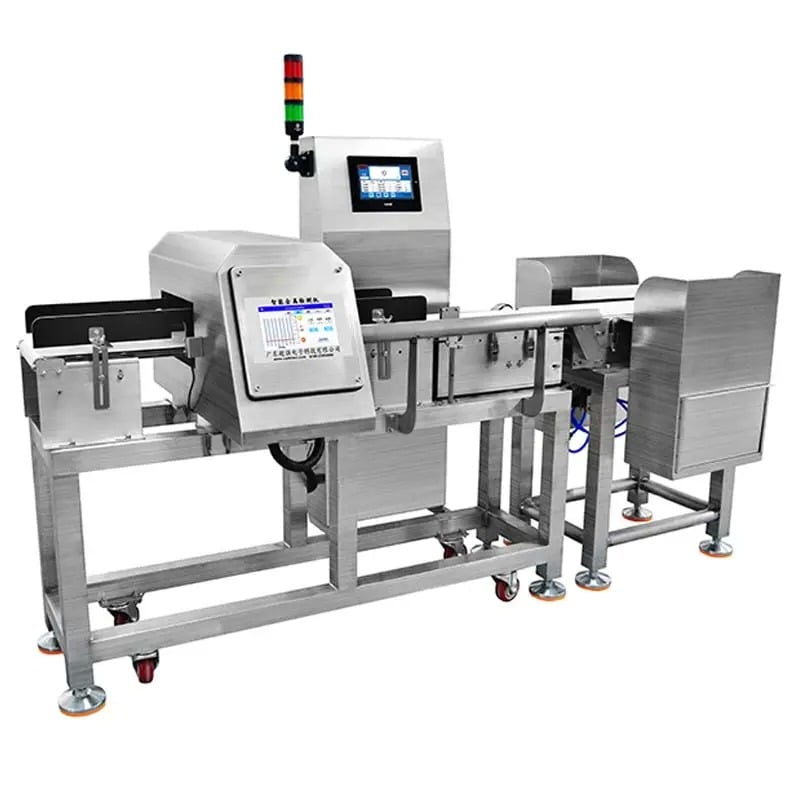
Modern manufacturing and food processing facilities depend on seamless integration between detection and rejection systems to maintain product quality and safety. A metal detector machine serves as the critical first line of defense against contamination, but its effectiveness multiplies when paired with properly calibrated sorting flaps. This integration creates a closed-loop system where detected contaminants trigger immediate rejection without disrupting production flow or compromising throughput.
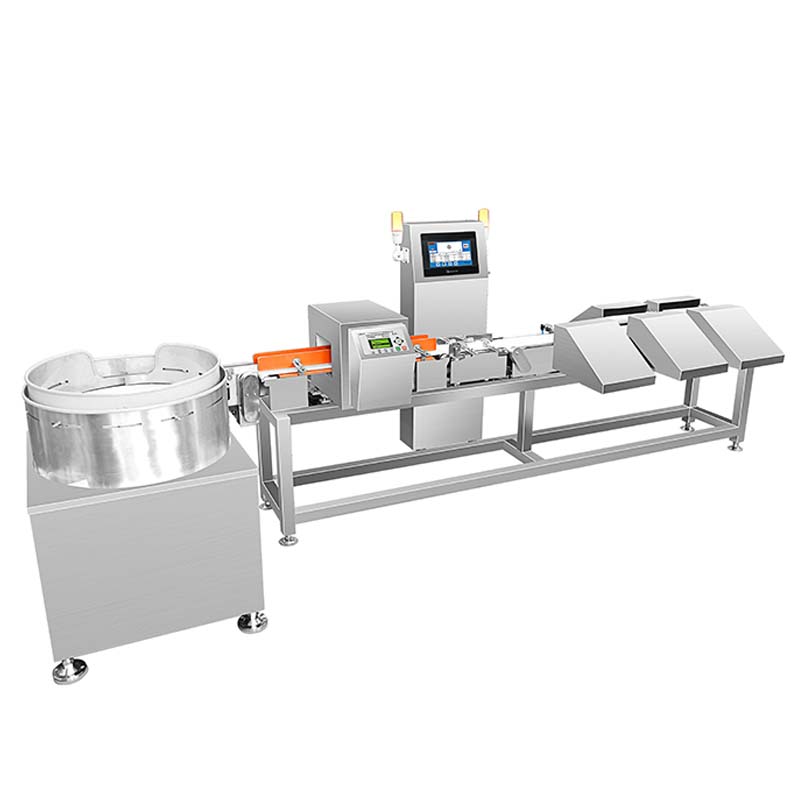
The relationship between an industrial metal detector and sorting flaps represents a fundamental principle of modern quality assurance: detection alone is incomplete without rejection capability. When your industrial metal detector identifies foreign material, the sorting flaps execute the rejection decision, diverting contaminated products away from the production line instantaneously. This synchronized operation prevents unsafe or substandard goods from reaching consumers while maintaining regulatory compliance across pharmaceuticals, food, beverages, and manufacturing sectors.
Understanding the Detection-Rejection Workflow
How Metal Detectors Trigger Sorting Flap Activation
An inspection machine equipped with metal detection technology operates through continuous electromagnetic scanning of passing products. When ferrous or non-ferrous metals cross the detection field, the system generates an electrical signal proportional to the contamination size and material composition. This signal travels to the control module, which evaluates whether the detected object exceeds your configured rejection threshold. If contamination is confirmed, the controller immediately sends a trigger pulse to the sorting flaps, commanding them to deflect the affected product into a reject bin within milliseconds.
The speed of this response cycle proves critical to effective contamination control. Modern industrial metal detector systems process detection-to-rejection sequences in 50 to 200 milliseconds, ensuring that contaminated products never progress downstream. Sorting flaps must be mechanically responsive and precisely calibrated to reliably catch products at the exact moment of ejection. Sluggish or misaligned flaps create gaps in your rejection capability, allowing contaminated items to escape quality assurance and reach end consumers, exposing your facility to recalls, liability claims, and brand damage.
Integration Points Between System Components
Successful contamination control requires tight mechanical and electrical integration at three primary touchpoints. First, the detection sensor aperture must be sized and positioned to allow product flow that matches the speed and trajectory that sorting flaps can handle. Second, the electrical output from your metal detector machine must connect to relay modules or programmable logic controllers that drive the pneumatic or hydraulic sorting flaps. Third, mechanical mounting must ensure that the flap ejection zone aligns precisely with the detection zone, so rejected products are intercepted before reaching the next processing stage.
Cable routing, signal conditioning, and response-time verification form the technical backbone of this integration. Poorly shielded cables or weak signal outputs reduce the reliability of flap triggering, creating false negatives where contamination passes undetected. By contrast, engineered systems with redundant signal paths, grounded connections, and synchronized timing protocols deliver the consistent performance that industrial environments demand. When your inspection machine and sorting flaps operate as a unified system, contamination control transitions from reactive troubleshooting to predictable, verifiable quality assurance.
Designing Effective Sorting Flap Systems
Mechanical Specifications for Reliable Rejection
Sorting flaps must balance responsiveness with durability across millions of cycles. Pneumatically actuated flaps offer fast response times, typically 40 to 100 milliseconds, making them ideal for high-speed production environments. Hydraulic alternatives provide greater force capacity for larger products or denser materials but sacrifice some speed. The flap material itself must withstand repeated impact from ejected products without warping, cracking, or creating product-damaging sharp edges. Stainless steel, polymer composites, and reinforced plastics are common choices, selected based on product type and operational temperature.
Positioning the sorting flaps relative to your metal detector machine requires engineering precision. The flap must pivot into the product stream at the exact moment contamination is detected, yet retract quickly to allow clean products to pass normally. Misalignment of more than 10 to 15 millimeters can cause flaps to strike clean products, triggering false rejections that disrupt production and waste inventory. Alignment verification during commissioning and periodic calibration during operation ensure that your contamination control system maintains its design accuracy over time.
Control Logic and Response Calibration
The software and logic controlling flap activation must be as sophisticated as the detection hardware itself. Modern industrial metal detector systems allow operators to set sensitivity thresholds, frequency-specific detection windows, and material-specific rejection criteria. When integrated with sorting flaps, this configurability extends to adjustable rejection delays, multi-flap sequencing for complex sorting scenarios, and conditional logic that rejects only specific product categories or size ranges. Inspection machine software also enables logging of every rejection event, creating an audit trail for regulatory compliance and process improvement analysis.
Effective contamination control depends on regular calibration of both the metal detector machine and the flap response timing. Seasonal variations in humidity, temperature fluctuations in processing facilities, and mechanical wear all gradually shift system performance. Facilities that perform monthly or quarterly recalibration maintain detection accuracy and flap response consistency, while those relying on set-and-forget configurations experience performance drift. Automated self-test features in modern inspection machines help operators verify detection function without manual calibration, though professional verification remains essential for regulatory compliance and risk management.
Industrial Applications and ROI Considerations
Sector-Specific Implementation
Food and beverage manufacturers depend on integrated metal detector machine and sorting flap systems to prevent product recalls and protect consumer safety. Contamination control in dairy, meat, bakery, and confectionery production prevents metal fragments from machinery wear from reaching consumers. Pharmaceutical facilities use inspection machines to detect metal contamination in tablets, capsules, and injectable products, where even microscopic particles pose serious health risks. In these sectors, regulatory agencies mandate documented inspection capability, making an integrated industrial metal detector with proven rejection accuracy non-negotiable.
Chemical, mineral processing, and recycling operations face different contamination profiles but rely equally on effective sorting flaps paired with detection systems. Mining operations use metal detectors to prevent ferrous debris from damaging downstream equipment. Recycling facilities employ metal detectors to sort materials before processing. Plastic extrusion and molding operations detect metal inclusions that could weaken structural integrity of finished components. Across these applications, the metal detector machine serves as a quality gate, and sorting flaps enforce the rejection decision, protecting equipment investment and product reputation.
Cost-Benefit Analysis and Payback Periods
The financial case for integrated contamination control systems rests on avoided costs. A single product recall can cost hundreds of thousands of dollars in logistics, destruction, customer notification, and reputational damage. Medical device or pharmaceutical contamination incidents can trigger legal liability reaching millions of dollars. Industrial metal detector and sorting flap systems, costing between $15,000 and $100,000 depending on throughput and sophistication, pay for themselves through prevention of even one significant incident. Beyond incident prevention, facilities experience reduced waste from rejected products, fewer customer complaints, lower insurance premiums, and improved regulatory standing.
Manufacturers also gain operational efficiency from integrated inspection machines. Sorting flaps enable rapid throughput without manual intervention, allowing facilities to maintain high-speed production while maintaining zero-tolerance contamination policies. Automated data logging provides insights into contamination sources, enabling root-cause analysis and process improvements. Over a five-year period, an industrial metal detector system typically delivers return on investment multiples of three to five times through combined incident prevention, waste reduction, and operational efficiency gains.
FAQ
Can a metal detector machine work without sorting flaps?
A metal detector machine can operate independently, alerting operators to detected contamination via audible alarms or visual indicators, but manual sorting introduces delays, inconsistency, and human error. Integrated contamination control systems with automated sorting flaps eliminate these limitations by rejecting contaminated products instantaneously without requiring operator intervention, ensuring reliable quality assurance across high-speed production environments.
What maintenance does an integrated inspection machine system require?
Maintenance schedules for combined metal detector machine and sorting flap systems include monthly calibration verification, quarterly mechanical inspection of flap pivot points and actuators, regular cleaning of detection apertures to prevent product residue buildup, and annual professional recalibration. Many modern industrial metal detector systems include automated self-diagnostics that alert operators to performance drift, triggering maintenance before failures occur.
How does contamination control improve regulatory compliance?
Regulatory agencies in food, pharmaceutical, and medical device industries mandate documented hazard analysis and preventive controls. An integrated inspection machine with verified metal detection and sorting capability provides documented evidence that your facility implements scientifically sound contamination control measures. Detailed rejection logs from your industrial metal detector create audit trails that regulators review during inspections, demonstrating your commitment to consumer safety and regulatory adherence.