 EN
EN


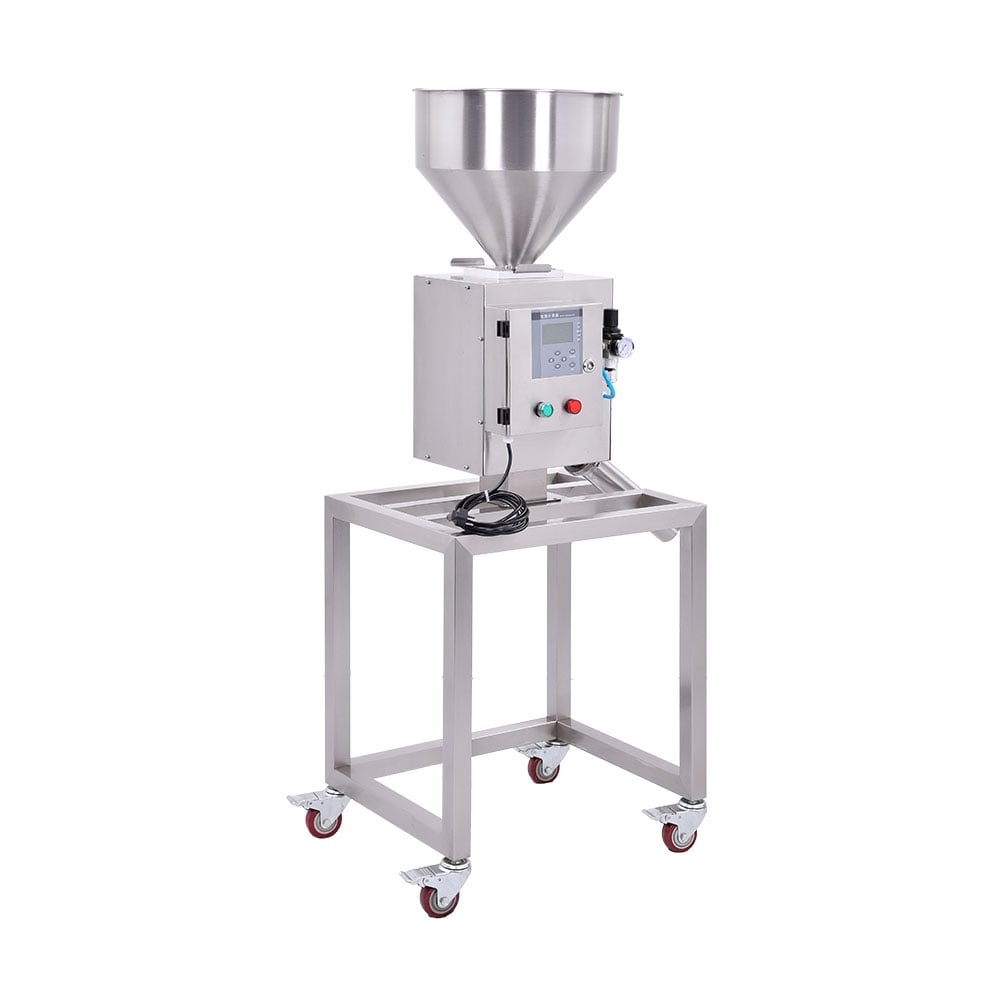
Injection molding production depends on precision equipment operating without contamination. Ferrous and non-ferrous metal particles introduced during raw material handling can severely damage expensive injection molding screws, causing costly downtime and replacement cycles. A metal separator machine installed in your material flow acts as a critical protective barrier, removing metal contaminants before they reach your molding equipment and safeguarding your production investment.
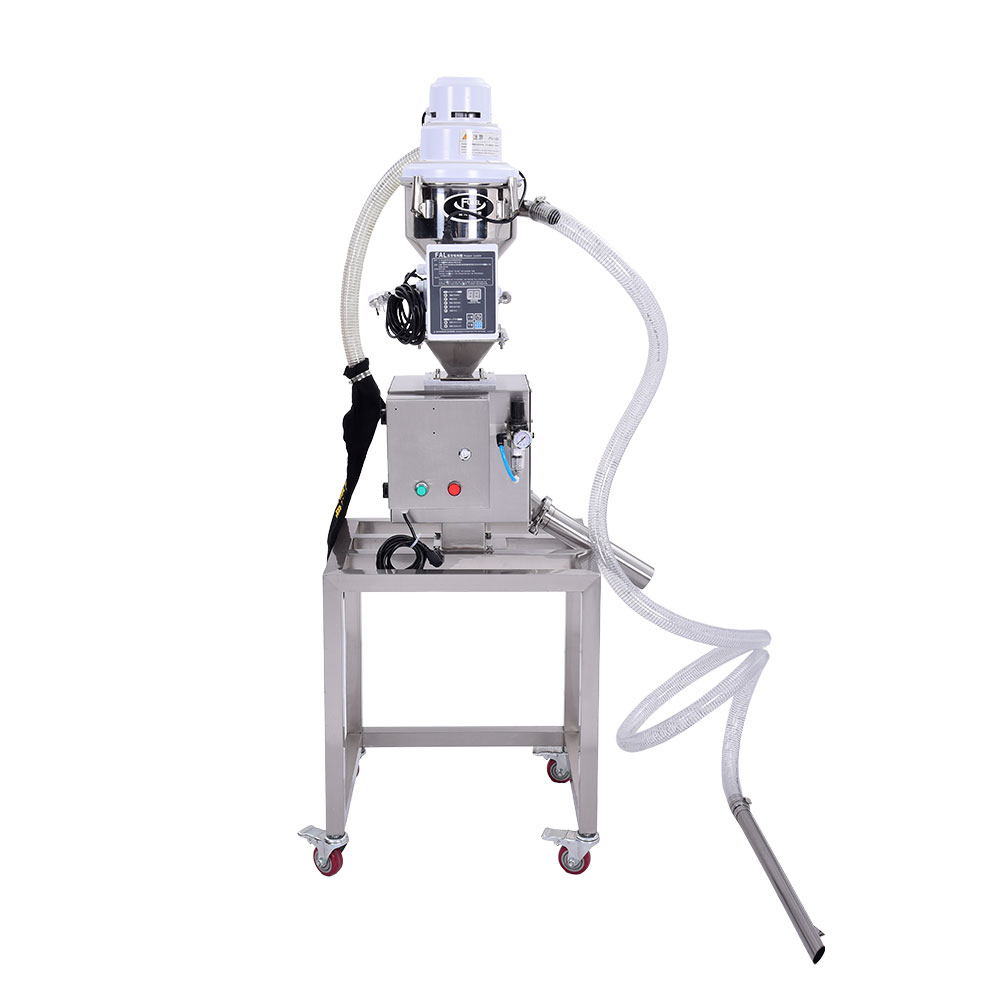
Understanding how gravity fed metal detection systems protect your molding screws requires examining both the contamination risk and the practical filtration mechanisms. Metal particles enter raw material streams through supplier handling, transportation, storage, and in-house material preparation. Without intervention, these contaminants circulate through your gravity fed metal detector stage and into the injection unit, where they score screw surfaces, create wear patterns, and eventually compromise the equipment's ability to maintain consistent material delivery and temperature control.
How Contamination Damages Injection Molding Screws
Metal Particle Sources in Raw Materials
Injection molding facilities receive raw polymer materials from multiple suppliers, each operating different material handling procedures. During grinding, blending, and transportation, ferrous particles from equipment friction, non-ferrous contamination from packaging materials, and fine metal fragments from processing machinery enter bulk material lots. Gravity fed systems used in upstream material conditioning stages may not capture all particles, particularly smaller fragments that require specialized detection sensitivity for effective removal.
Screw Wear Progression and Equipment Failure
When metal particles pass into the injection screw, they embed in the polymer melt and act as grinding media against screw flights. Repetitive heating cycles harden the particles, increasing their abrasive effect on the screw surface. Over weeks of production, this microscopic damage accumulates, creating rough patches that disrupt material flow uniformity, reduce heat transfer efficiency, and eventually cause localized failure points where metal fragments break free and circulate back through the melt.
Gravity Fed Metal Detector Integration and Function
Detection Mechanism and Separation Timing
A gravity fed metal detector operates by allowing material to flow downward through an electromagnetic field while maintaining constant velocity. Ferrous metals create field disturbances that trigger rejection mechanisms, diverting contaminated material away from the molding equipment. This powder inspection approach works continuously without interrupting material flow, making it ideal for high-throughput production environments where batch testing would create unacceptable delays. The metal separator machine configuration ensures that detection occurs immediately before material enters the injection unit, representing the final safeguard against screw contamination.
Bulk Material Sorting Before Processing
Installing a metal separator machine at the point where bulk material enters your facility workflow creates multiple protective benefits. Rejected material can be isolated for quality review, supplier notification, and credit recovery processes. By removing contamination early in the bulk material sorting stage, you prevent cross-contamination where rejected material might mix with accepted material during emergency rework conditions. This staging approach also allows operators to monitor contamination trends, identifying supplier issues or internal handling problems requiring corrective action before they generate additional scrap.
Implementation Strategy and Equipment Selection
Matching Detection Sensitivity to Material Properties
Different polymer materials and additives create varying electromagnetic signatures, requiring customized sensitivity settings on your metal separator machine for optimal performance. Conductive additives in carbon-filled polymers may mask small ferrous particles, necessitating increased detector sensitivity and faster material flow velocity to allow adequate detection dwell time. Gravity fed metal detector systems designed for powder inspection applications offer variable sensitivity tuning that allows operators to balance detection reliability against false rejection rates, ensuring contamination removal without excessive material waste from over-aggressive filtering thresholds.
Installation Points and Redundant Protection
Strategic placement of a metal separator machine begins at your material receiving stage, where incoming bulk material sorting removes supplier-introduced contamination before storage or blending. Secondary installation points exist at pre-drying equipment exits, post-regrind material collection points, and hopper feed lines serving injection units. This redundant approach acknowledges that no single gravity fed metal detector achieves one hundred percent particle capture, particularly for highly conductive ferrous fragments that occasionally bypass detection due to orientation or velocity factors. Multiple detection stages create cumulative protection exceeding any single system's capability.
FAQ
What particle size does a gravity fed metal detector reliably detect?
Standard gravity fed metal detector systems reliably detect ferrous particles larger than 0.5 millimeters and non-ferrous particles exceeding 1.0 millimeter. Sensitivity to smaller particles depends on detector design, material conductivity, and selected threshold settings on your metal separator machine. Powder inspection requirements in sensitive applications may justify enhanced detection systems capable of identifying particles as small as 0.2 millimeters, though these systems require more frequent calibration and maintenance.
How often should metal separator machine detection sensitivity be recalibrated?
Recalibration of your gravity fed metal detector should occur weekly during normal operation, with additional checks after material supplier changes, equipment maintenance, or extended shutdown periods. Environmental factors including humidity, electromagnetic interference, and temperature variations affect detector sensitivity, making regular validation essential. Many facilities perform daily quick-check tests using reference metal samples while scheduling comprehensive recalibration during maintenance windows.
Can a single metal separator machine protect multiple injection molding units?
One gravity fed metal detector cannot adequately serve multiple injection units receiving bulk material sorting from the same source, as material branch-offs after detection bypass the filtering stage for some molding lines. While material consolidation upstream allows a single metal separator machine to protect multiple units, industry best practice recommends individual powder inspection systems at each critical injection point, ensuring consistent contamination removal regardless of material distribution patterns or equipment configuration changes.