EN
EN

Modern food processing plants operate under the combined pressure of regulatory scrutiny, high-speed output, and cost control. Weight deviations in packaged products do more than trigger compliance risks—they directly erode profitability: underweight packages invite penalties and customer complaints, while overweight packages quietly give away margin on every single unit. An automatic checkweigher sits at a critical point on the packaging line, performing dynamic weight verification on every product without stopping production. It is an indispensable component of quality assurance in any food facility.
This article systematically outlines the selection logic for automatic checkweighers in food production, helping quality and equipment engineers find the solution that truly matches their line—rather than one that merely looks good on a spec sheet.
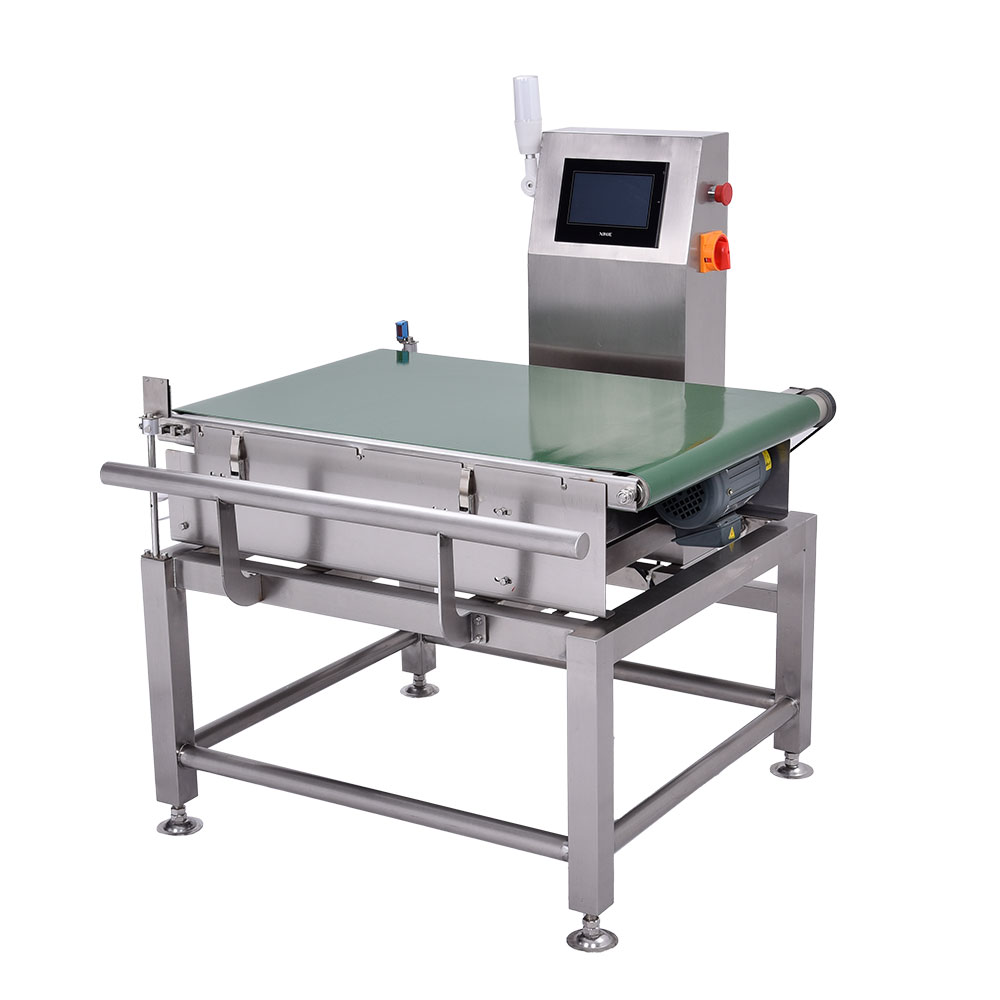
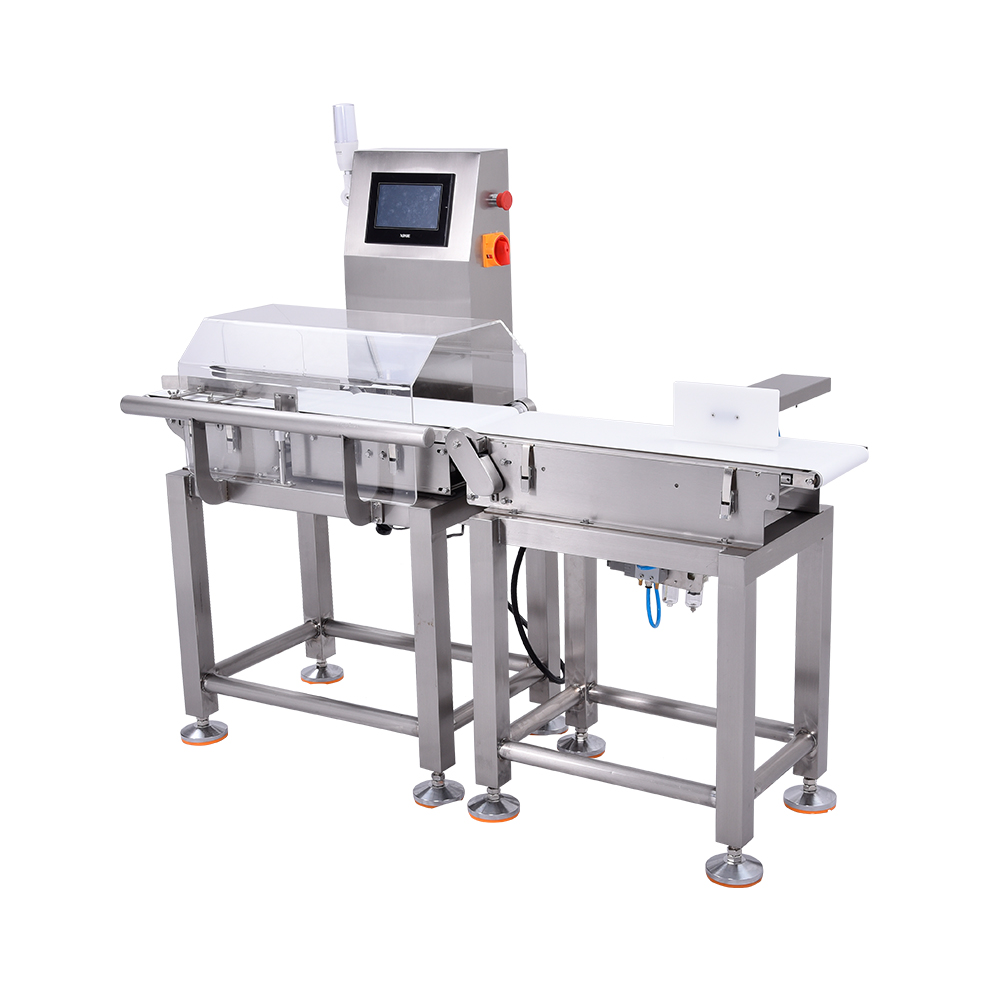
Static weighing still has its place in laboratories and spot-check sampling, but it cannot answer the need for 100% inspection on high-speed packaging lines. Whether it is snacks, frozen meals, dairy, bakery goods, or ready-to-eat products, an online automatic checkweigher verifies the weight of every bag, can, bottle, and carton at full production speed.
A standard online checkweighing system consists of four core components:
By introducing automated online weighing, a plant gains more than a "pass rate" figure—it gains a traceable chain of quality evidence. This is the delivery standard YIWAN upholds under its "Precision Quality Assurance" philosophy: every machine's detection capability is verified with real products before it leaves the factory, rather than relying on paper specifications alone.
Before evaluating specific models, translate your line conditions into quantified technical indicators. Unclear parameters often lead to either an oversized machine that wastes resolution or an undersized one that operates without accuracy margin.
Capacity range and division value (accuracy)
Every checkweigher has a designed working range:
Line speed and throughput
The dwell time of a product on the weighing belt directly determines the sampling window available to the weighing algorithm:
Food products come in countless forms, and the packaging format directly dictates the mechanical configuration and conveying design of the checkweigher.
Food factories routinely perform high-pressure washing and chemical disinfection. Equipment that cannot withstand these conditions introduces microbiological risk and frequent downtime.
A modern checkweigher is far more than a weighing device—it is a data node on the line:
A checkweigher rarely works alone—it must integrate seamlessly with upstream and downstream equipment, and is often deployed in combination with foreign-object detection systems.
Key points for reject mechanism selection
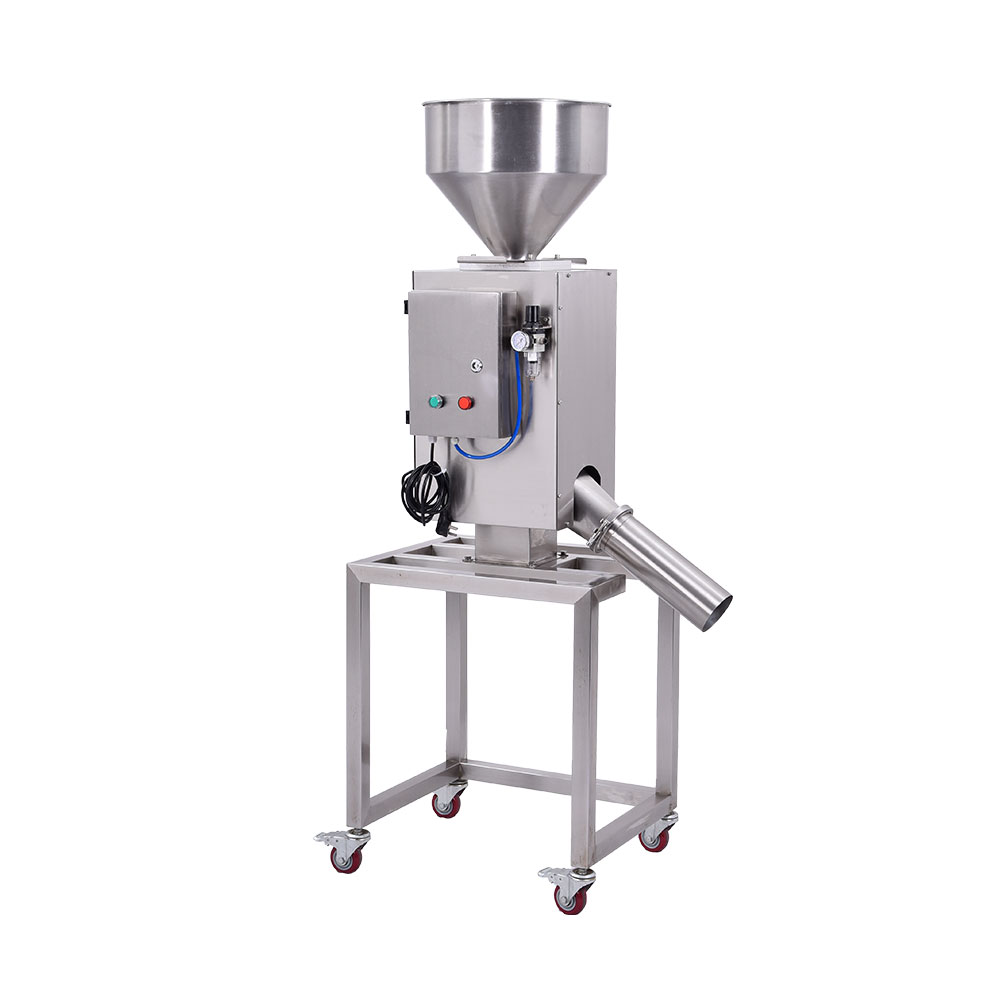
Combined inspection solutions
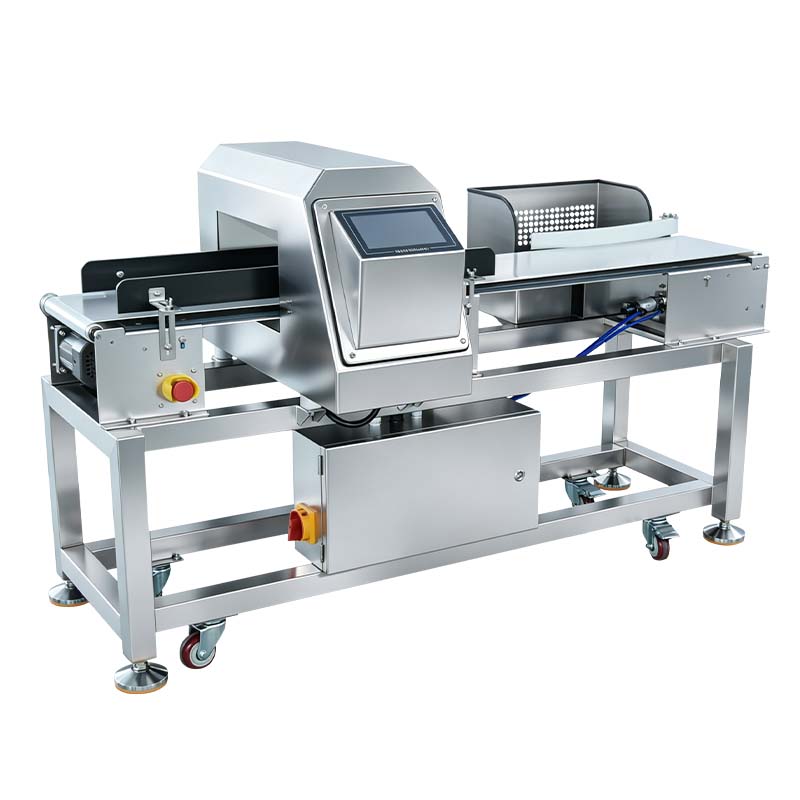
To save valuable floor space and simplify validation, more and more lines adopt combined inspection systems —for example, an automatic checkweigher integrated with a metal detector or X-ray inspection system on a single frame, sharing one control interface and data-recording infrastructure. For food companies facing both foreign-object risk and weight compliance requirements, this is a practical choice that balances ROI with validation efficiency.
Before finalizing a solution, verify each dimension against your operations:
 Range and accuracy: does the working range and division value match your product specs and statutory metrology requirements? Dynamic performance: can the machine hold the required online accuracy at peak line speed? Hygienic design: do the IP rating, stainless steel materials, and removable structure fit your cleaning procedures? Data capability: are open communication protocols and compliance report output available? Integration ease: how well does it fit with upstream/downstream equipment, reject devices, and combined inspection solutions? Manufacturer support: does the supplier offer reliable installation and commissioning, spare parts supply, and custom engineering capability?
One piece of advice on supplier capability: a checkweigher is equipment where "parameters are easy to buy, but performance is hard to guarantee." The gap between specified accuracy and real-world performance can be significant. Choosing a manufacturer like YIWAN—with comprehensive experience in building inspection equipment and a commitment to verifying detection capability with real products—significantly reduces selection risk. Actual performance on your line is the only standard that matters.
By systematically evaluating the technical factors above, food manufacturers can deploy an efficient, reliable online checkweighing solution—protecting compliance while turning every gram into profit.
 Hot News
2026-09-12
2026-08-11
2026-07-30
2026-04-25
2024-05-22
2024-05-22

 ONLINE