 EN
EN


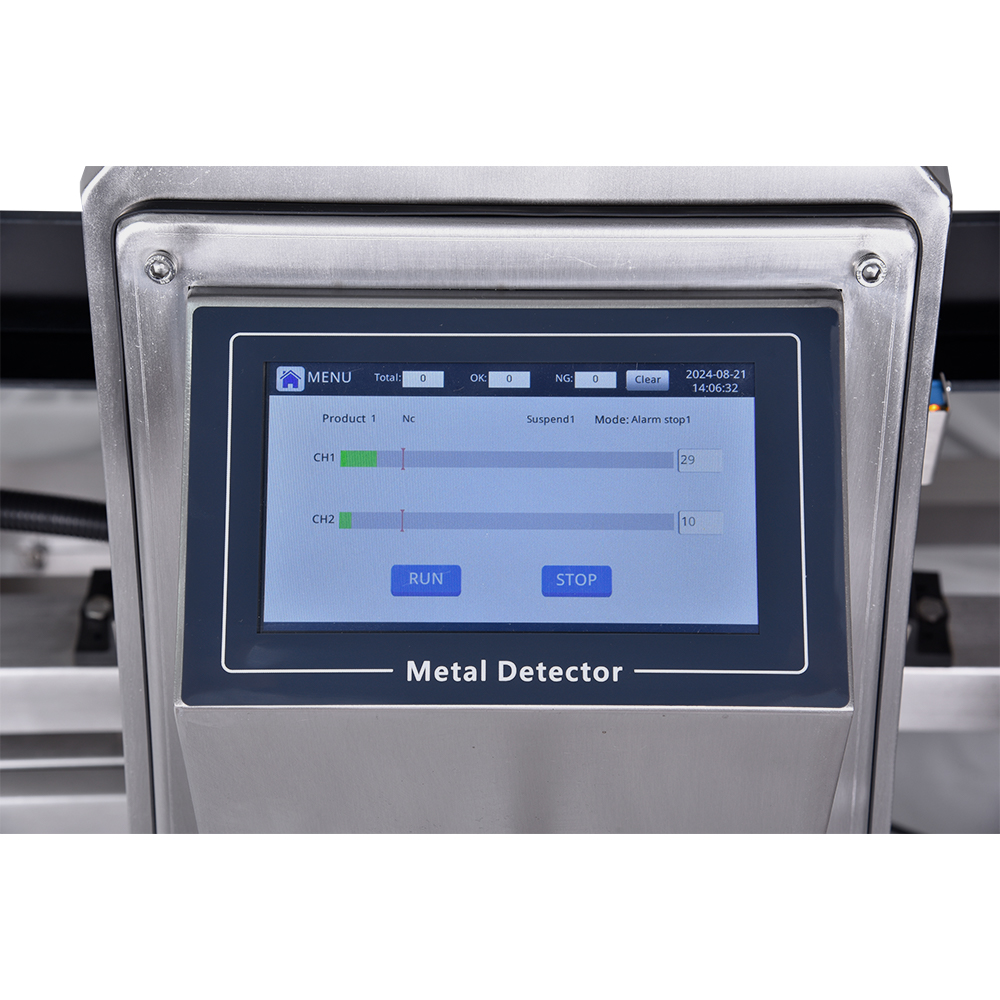
Food safety is a non-negotiable priority in modern food processing facilities. The design and construction of equipment used in food production must meet rigorous hygienic standards to prevent contamination and ensure product integrity. A food grade metal detector exemplifies how advanced engineering integrates compliance with operational efficiency, creating detection systems that protect both consumers and brand reputation.
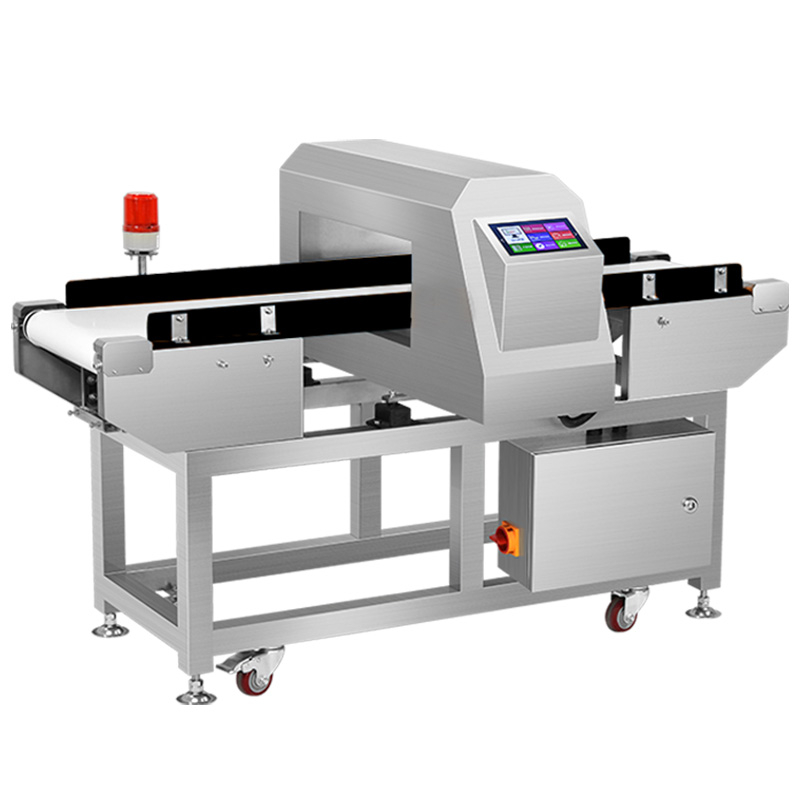
Hygienic design standards directly influence every aspect of a sanitary metal detector's physical construction, material selection, and operational mechanisms. These standards ensure that detection equipment can withstand frequent cleaning, resist corrosion from sanitizing agents, and eliminate potential harborage points where pathogens or foreign matter might accumulate. Understanding how these regulatory frameworks shape equipment design is essential for food processing managers seeking to maintain compliance while optimizing production workflows.
Material Selection and Surface Integrity in Food Grade Metal Detectors
Stainless Steel and Corrosion Resistance Requirements
Hygienic design standards mandate that a sanitary metal detector must be constructed from materials that resist degradation in wet, chemically aggressive environments. Stainless steel, particularly grades 304 and 316, serves as the foundation for food processing equipment because of their inherent corrosion resistance and food-contact compliance. The food grade metal detector housing, internal components, and fasteners must all meet these material specifications to prevent rust particles from contaminating products and to ensure structural longevity.
The choice of stainless steel grade directly affects washdown metal detector durability and maintenance costs. Grade 316 stainless steel, which contains molybdenum, offers superior resistance to chloride-based sanitizers commonly used in food facilities. Standards such as FDA regulations and EHEDG (European Hygienic Engineering and Design Group) guidelines specify which materials are acceptable for food-contact surfaces, making material compliance a foundational design requirement rather than an optional upgrade.
Surface Finish and Cleanability Standards
Beyond material composition, hygienic design standards dictate surface finish specifications for all external and internal surfaces of a food grade metal detector. Smooth, non-porous surfaces minimize the risk of biofilm formation and make cleaning more effective. EHEDG standards recommend a surface roughness (Ra) value of 0.8 micrometers or less for food-contact surfaces, ensuring that microbial colonies cannot establish themselves in microscopic pits or crevices.
A washdown metal detector designed to hygienic standards features polished or electropolished surfaces that allow cleaning fluids and sanitizers to reach every area without entrapment. This surface integrity requirement extends to welds, which must be ground smooth and inspected to eliminate stress points or corrosion initiation sites. The construction methodology itself becomes part of the hygienic design framework, as poor workmanship can create contamination risks regardless of material selection.
Sealed Enclosures and Environmental Protection Design
Elimination of Harborage Points
Hygienic design philosophy emphasizes the elimination of 'harborage points'—any cavity, crevice, or dead space where bacteria, mold, or foreign particles can accumulate and evade cleaning procedures. A properly engineered food processing equipment unit, including a food grade metal detector, must have a completely sealed design that prevents liquid, dust, or pest ingress. All cable entries, sensor housings, and electrical connections must be integrated into sealed modules rather than exposed to the production environment.
The washdown metal detector's housing design reflects this principle by featuring sloped surfaces that promote drainage, eliminating horizontal ledges where moisture might pool. Internal cavities are filled with potting compounds or sealed with gaskets rated for high-temperature sanitization cycles. This sealed construction approach increases manufacturing complexity and cost but is mandatory under hygienic standards to ensure equipment does not become a source of contamination rather than a protection mechanism.
Gasket and Connector Specifications
All dynamic seals and gaskets in a sanitary metal detector must be composed of food-grade elastomers such as EPDM, silicone, or FKM that resist both the product itself and cleaning agents. Hygienic standards specify that gaskets must be replaceable without requiring complete equipment disassembly, facilitating maintenance schedules that keep seals in optimal condition. Electrical connectors must be either sealed IP67-rated types or fully integrated into the equipment housing, preventing moisture infiltration that could compromise detection accuracy or create safety hazards.
The design of connector areas in a food grade metal detector reflects a broader principle: every interface between the equipment and its environment must be either eliminated entirely or fully protected. Removable covers on calibration points or sensor areas must be designed to reseal completely after maintenance, with users unable to leave connections exposed. This prescriptive design requirement stems from documented contamination incidents where equipment junctures became entry points for foreign material.
Accessibility and Maintenance-Driven Construction Features
Quick-Disassembly Modules for Cleaning
Modern hygienic design standards require that food processing equipment, including a washdown metal detector, be designed for rapid disassembly and reassembly without specialized tools. Sensor heads and detection modules must be removable for deep cleaning and inspection, with quick-release mechanisms that prevent cross-contamination between production runs. This design principle balances the need for sealed, protected surfaces with the operational reality that equipment must be thoroughly cleaned between product changeovers.
A food grade metal detector engineered to these standards features standardized attachment points, captive fasteners that cannot be lost, and sensor housings that can be submerged in cleaning solutions without damage. The removability feature extends to product contact surfaces, which may include metal detector conveyor brackets or mounting hardware. By designing modular components that can be thoroughly cleaned or replaced, manufacturers ensure that the sanitary metal detector does not become a maintenance burden that operators might be tempted to skip.
Documentation and Validation Requirements
Hygienic design standards require comprehensive documentation proving that a food grade metal detector can be cleaned effectively and that cleaning procedures have been validated. Food processors must maintain records demonstrating that their washdown metal detector cleaning procedures eliminate potential pathogens and residues to acceptable levels. This documentation requirement influences design by ensuring that equipment manufacturers provide detailed cleaning protocols, test data, and maintenance schedules as integral parts of the product specification.
Design choices that appear purely technical—such as the angle of surfaces, the radius of internal corners, or the specification of fastener types—become compliance-critical when cleaning validation studies are conducted. A food processing equipment manufacturer must prove through ATP swabs, microbial testing, or other validated methods that their sanitary metal detector design allows for effective sanitation. This evidence-based approach to design ensures that hygienic standards translate into measurable contamination prevention rather than merely aesthetic improvements.
FAQ
What specific hygienic design standards apply to food grade metal detectors?
Food grade metal detectors must comply with multiple standards including FDA food safety regulations, EHEDG guidelines, and facility-specific protocols from companies like Nestlé or Kraft Heinz. ISO 14971 addresses risk management, while NSF/ANSI standards specify materials and design criteria. Additionally, 3-A Sanitary Standards provide recommendations for dairy and food processing equipment design. These standards collectively mandate material specifications, surface finishes, sealed designs, and cleaning validation requirements that shape every construction detail of a sanitary metal detector used in food processing.
How does washdown metal detector construction differ from standard industrial metal detectors?
A washdown metal detector differs fundamentally in its sealed architecture, material composition, and resistance to aggressive cleaning agents. Standard industrial metal detectors often feature exposed electronics, aluminum components, and unsealed cable connections—acceptable for non-food manufacturing but unsuitable for food production environments. Food grade metal detectors incorporate stainless steel construction, sealed IP67 enclosures, food-safe gasket materials, and drainage-optimized geometries. These design modifications increase equipment cost significantly but are mandatory to prevent the detection system itself from becoming a contamination source or a maintenance liability in food processing applications.
Why is surface finish specification critical for food processing equipment design?
Surface finish directly impacts the ability of microorganisms and foreign particles to establish themselves on equipment surfaces. A rough or pitted surface provides microscopic shelter where bacteria can cluster, forming biofilms that resist sanitization efforts. By specifying smooth, electropolished surfaces with Ra values of 0.8 micrometers or less, hygienic standards ensure that cleaning solutions and sanitizers make full contact with the food grade metal detector's surface. This specification requirement reflects decades of food safety research demonstrating that equipment design choices are as critical to contamination prevention as chemical sanitization, making surface finish a non-negotiable component of sanitary metal detector construction in food processing environments.