 EN



Which Inspection Machine Fits Your Product?
The machine is chosen by the product, not the other way round. Six products below — and what each one does to a metal detector, an X-ray or a checkweigher before you have even unpacked the machine.
Why the product gets the first word
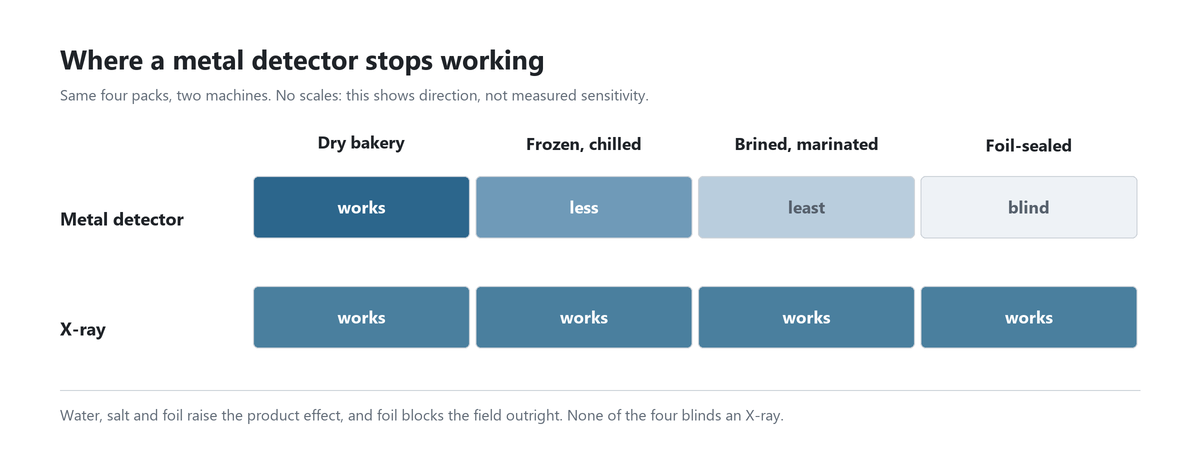
A metal detector asks one question: does this pack conduct or disturb a field? Water, salt, ice and foil all answer yes, and each one costs you sensitivity — foil costs you all of it. An X-ray asks a different question: how much does this pack absorb? Density decides it, and water barely registers.
So the same pack can be easy for one machine and hard for the other. Work through your product before you work through the price list.
Dry bread, biscuits and bakery
Dry, low-salt, low-moisture product is the easy case, and it is where a metal detector earns its keep. There is little product effect to fight, so the sensitivity on the sheet is close to the sensitivity you get.
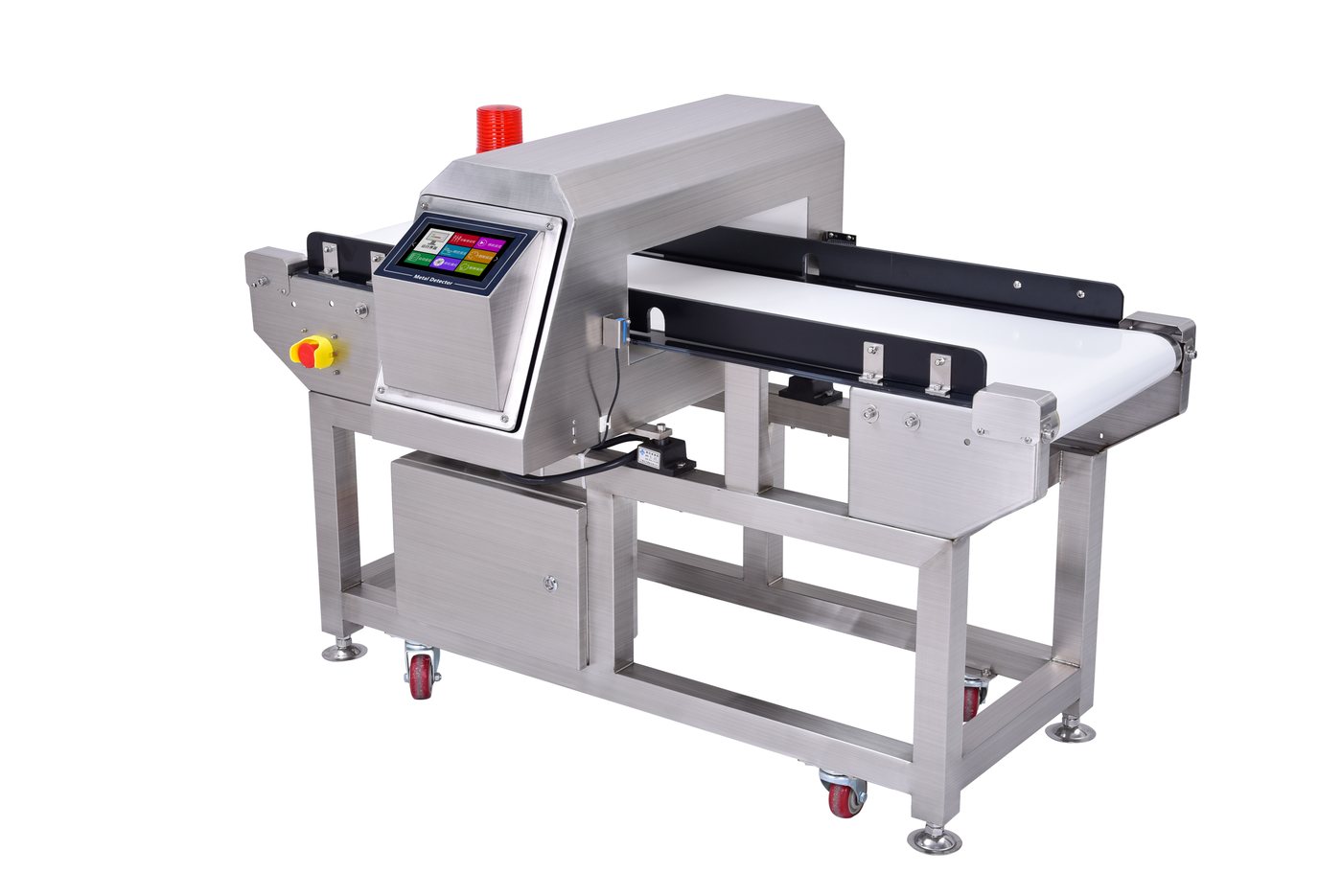
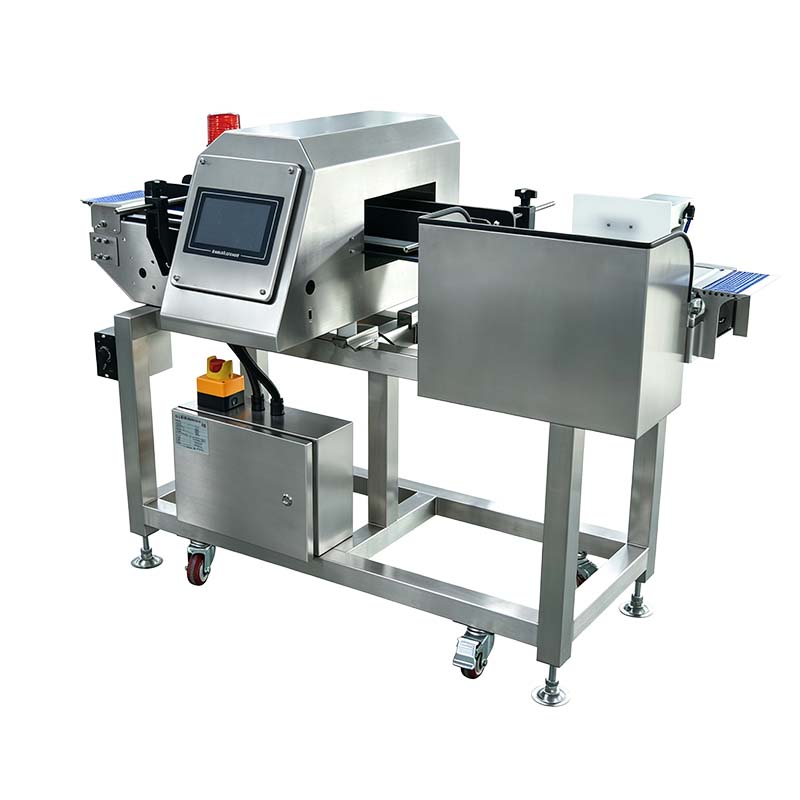
What to specify: the smallest aperture that your tallest pack will pass through. Aperture is the single biggest lever on sensitivity, and buying a bigger tunnel than you need gives away sensitivity for nothing.
Frozen and chilled product
Ice and water raise the product effect, and the effect moves as the product warms through the shift. A metal detector still works, but the figure you get on frozen product at 07:00 is not the figure you get at 14:00.
What to specify: run the learn cycle on the coldest and the warmest product you will actually run, not one sample out of the freezer. If the sensitivity you need is finer than the product allows, that is the point to move to X-ray, which does not care about water.
Foil trays and metallised film
Aluminium foil shields the detector's field, and a metal detector cannot see through it. This is not a tuning problem. No setting, no phase control and no amount of sensitivity will get a metal detector into a foil-sealed tray.
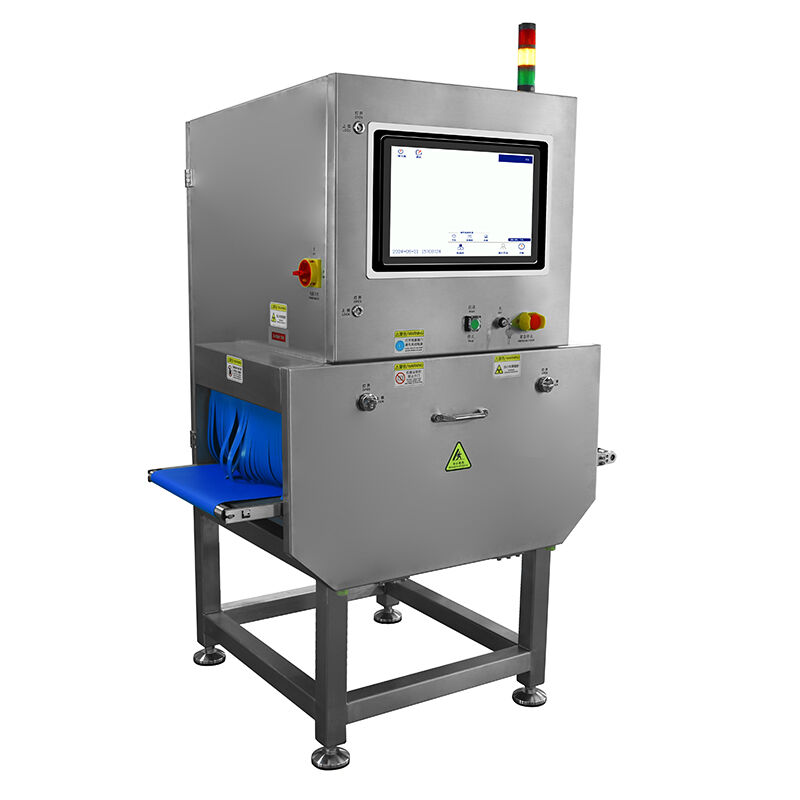
What to specify: X-ray. The CQ-YW6040 has a 600 x 400 mm tunnel and a 20 kg load rating — sized for bulk sacks, large cartons and palletised loads — and it reads through foil without difficulty. A tray-sized pack needs a smaller tunnel, not a bigger one.
Salted, brined and marinated product
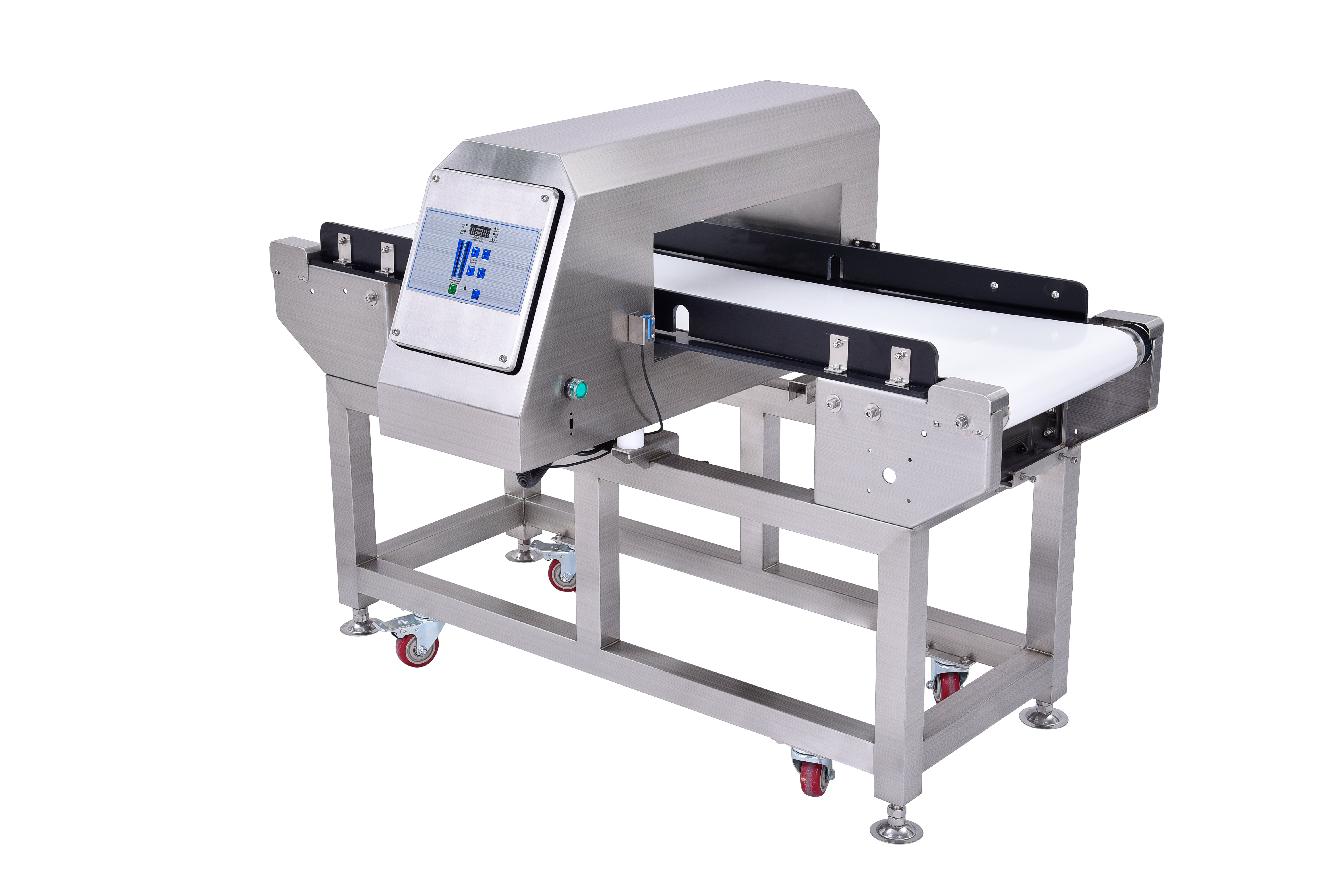
Salt conducts once it is in solution. Brined poultry, marinated meat and salted snacks all produce a product effect that a metal detector has to be taught around, and the more salt, the more sensitivity you give up.
What to specify: ask for the sensitivity you will actually achieve on your product, not the figure from the test card. A metal detector on brined meat is a legitimate choice, but the number is smaller than the brochure figure, and it should be written down.
Bulk powder and granules
Flour, sugar, spice blends and granules do not arrive in a pack, so a conveyor machine is the wrong shape for the job. There is no belt to lay the product on and no pack to reject.
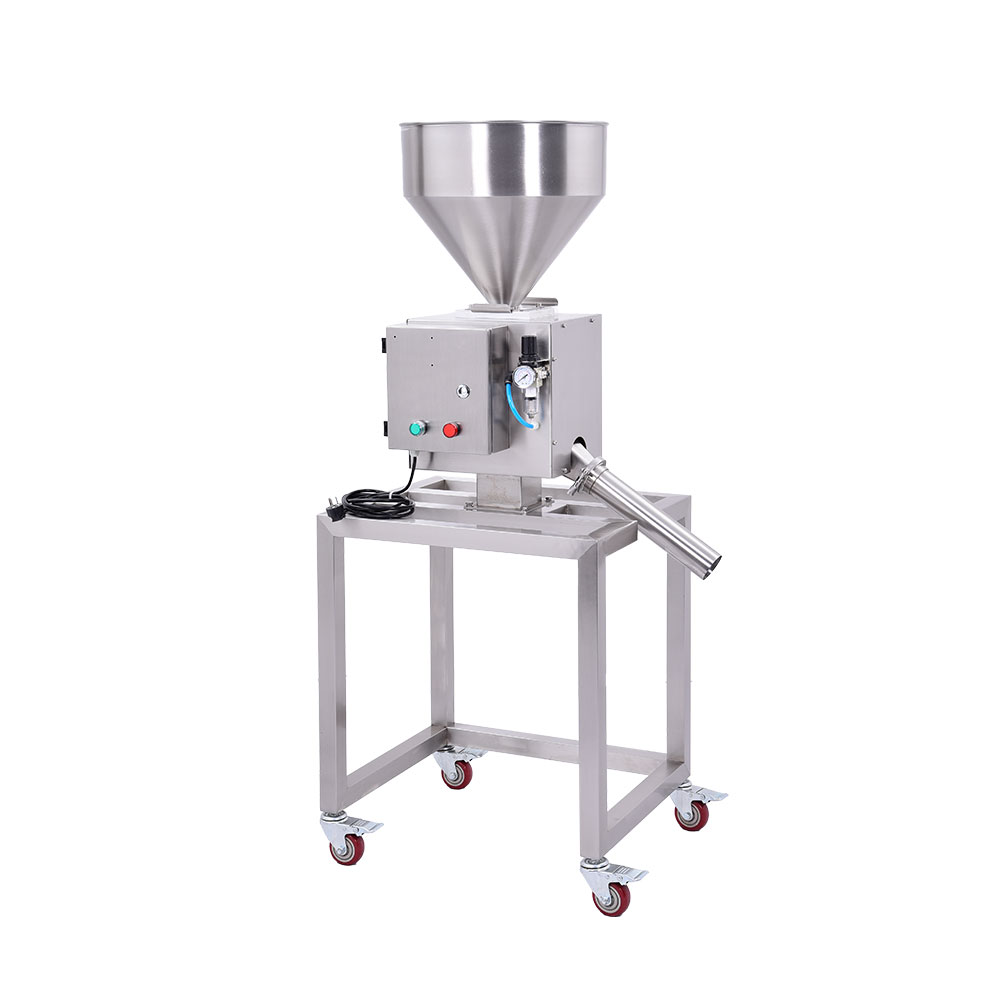
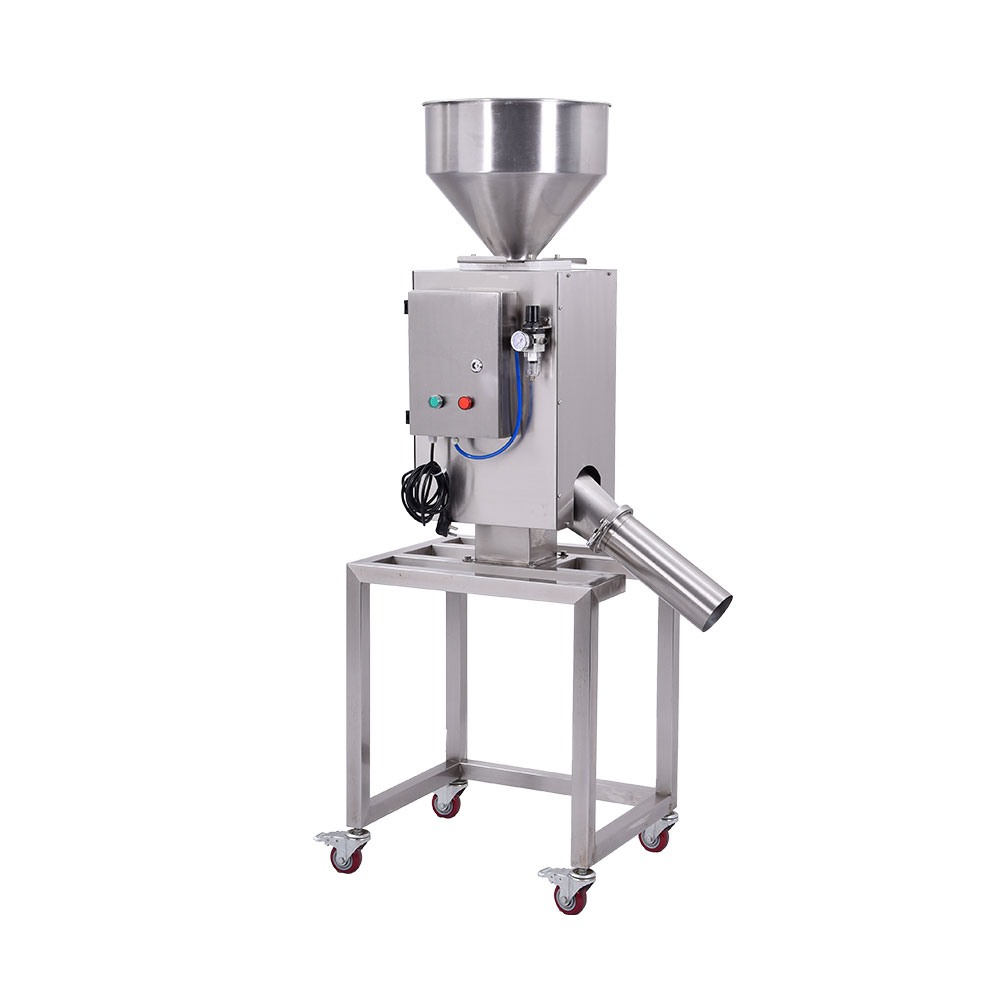
What to specify: an in-line pipeline detector on the gravity or vacuum run, before the filling head. The reject is a diverter valve, not a pusher, and the sensitivity figure is quoted on free-falling product — ask for it in that form.
Cartons, multi-packs and weight-critical lines
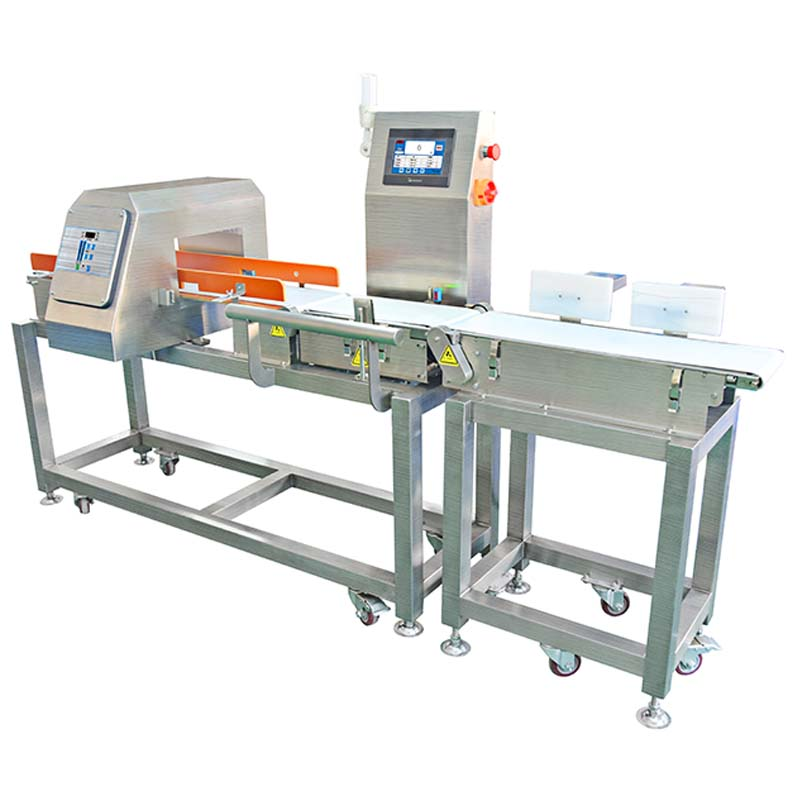
When the problem is weight rather than contamination, the machine is a checkweigher — a metal detector answers a different question. The CQ-YWXP400 takes packs up to 450 x 390 mm and 15 kg, with a 1 g division and an accuracy of ±1 to ±5 g at a steady belt speed.
What to specify: pack size against belt width first, then throughput. A pack that only just fits the belt will not sit square on the weighing section, and an out-of-square pack reads light or heavy depending on which corner lands first.
| Product | What it does to detection | Machine |
|---|---|---|
| Dry bakery | almost no product effect | metal detector, smallest aperture |
| Frozen and chilled | effect rises with ice and water | metal detector, or X-ray |
| Foil trays | shields the field completely | X-ray only |
| Brined and marinated | salt raises the effect | X-ray, or metal detector at a stated lower figure |
| Bulk powder | no pack, no belt | pipeline detector |
| Cartons and multi-packs | weight, not contamination | checkweigher |
The range
Metal detection: the CQ-YW910K. Checkweighing: the CQ-YWXP400. X-ray: the CQ-YW6040. By industry: Food, Fruits and vegetables, Toy, Mixed materials.
Frequently asked questions
Can a metal detector be used on frozen product?
Yes, and it is common. The sensitivity figure will be lower than on dry product, and it will drift as the product warms, so ask for the figure on frozen product rather than the test-card figure.
Why can an X-ray see through foil when a metal detector cannot?
They measure different things. A metal detector listens for a disturbance in an electromagnetic field, and foil blocks it. An X-ray measures how much radiation the pack absorbs, and a thin foil layer barely changes that.
Is a metal detector ever the wrong choice for dry product?
Only when the pack contains foil or metallised film. Dry product itself is the easiest case there is.
Do I need both machines on one line?
Only if you need both a contamination check and a weight check. A metal detector does not weigh, and a checkweigher does not find metal, whatever the brochure says.
What single number should I ask for first?
The sensitivity or accuracy you will achieve on your own product, in writing. Every other number on the sheet is a lab figure until it is tested on what you actually pack.
Start with the product on the belt, not the machine in the catalogue. Most wrong purchases are machines that were right on paper and wrong for the pack.
 Hot News


 ONLINE