 EN
EN


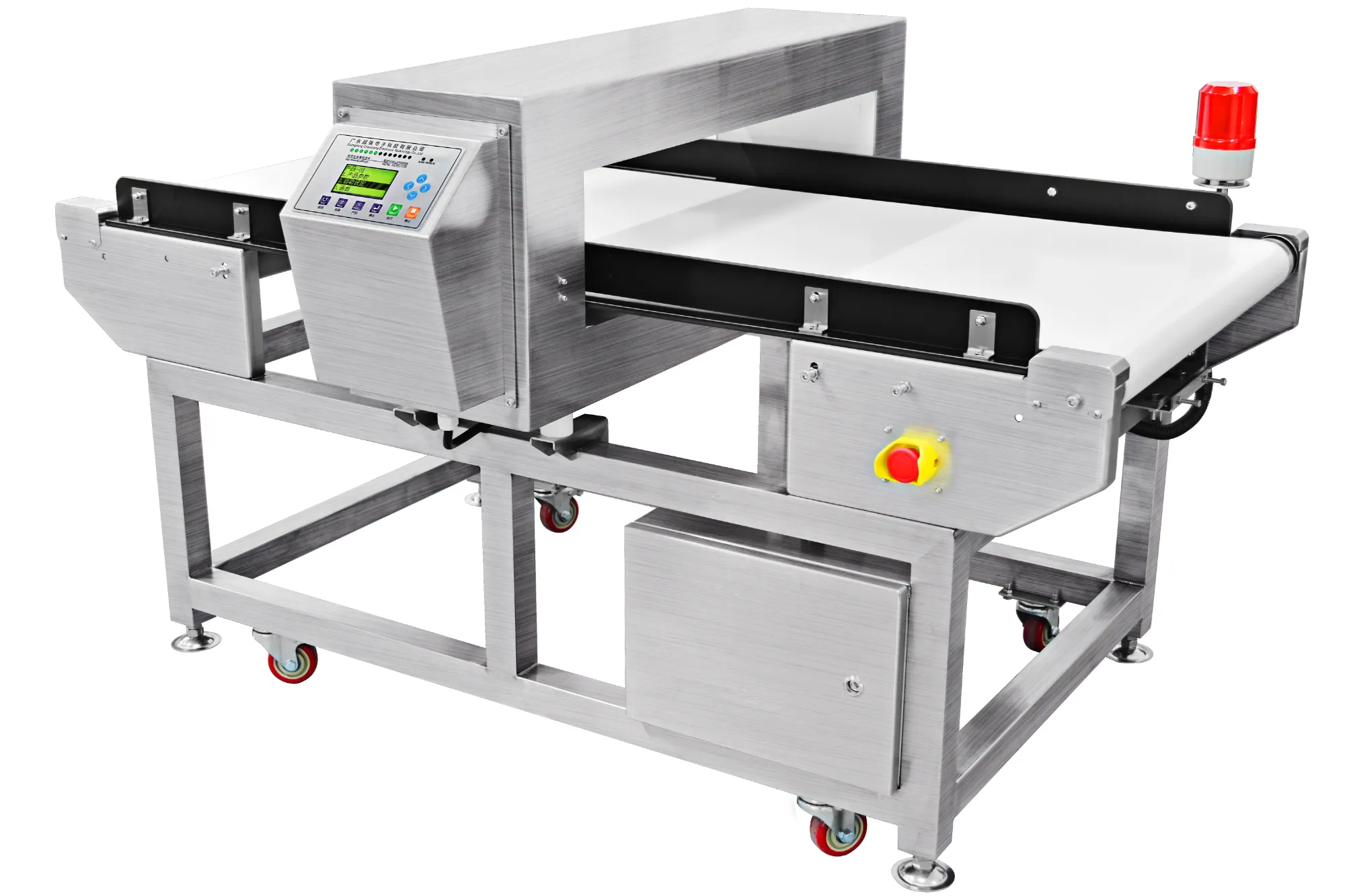
A conveyor-mounted industrial metal detector is a critical component of modern production lines, ensuring product safety and regulatory compliance across pharmaceutical, food, and manufacturing sectors. Regular maintenance of these systems prevents contamination detection failures, extends equipment lifespan, and maintains operational efficiency. Without a structured maintenance approach, even high-performance factory metal detector equipment can drift out of calibration, leading to missed contaminants and costly production interruptions.
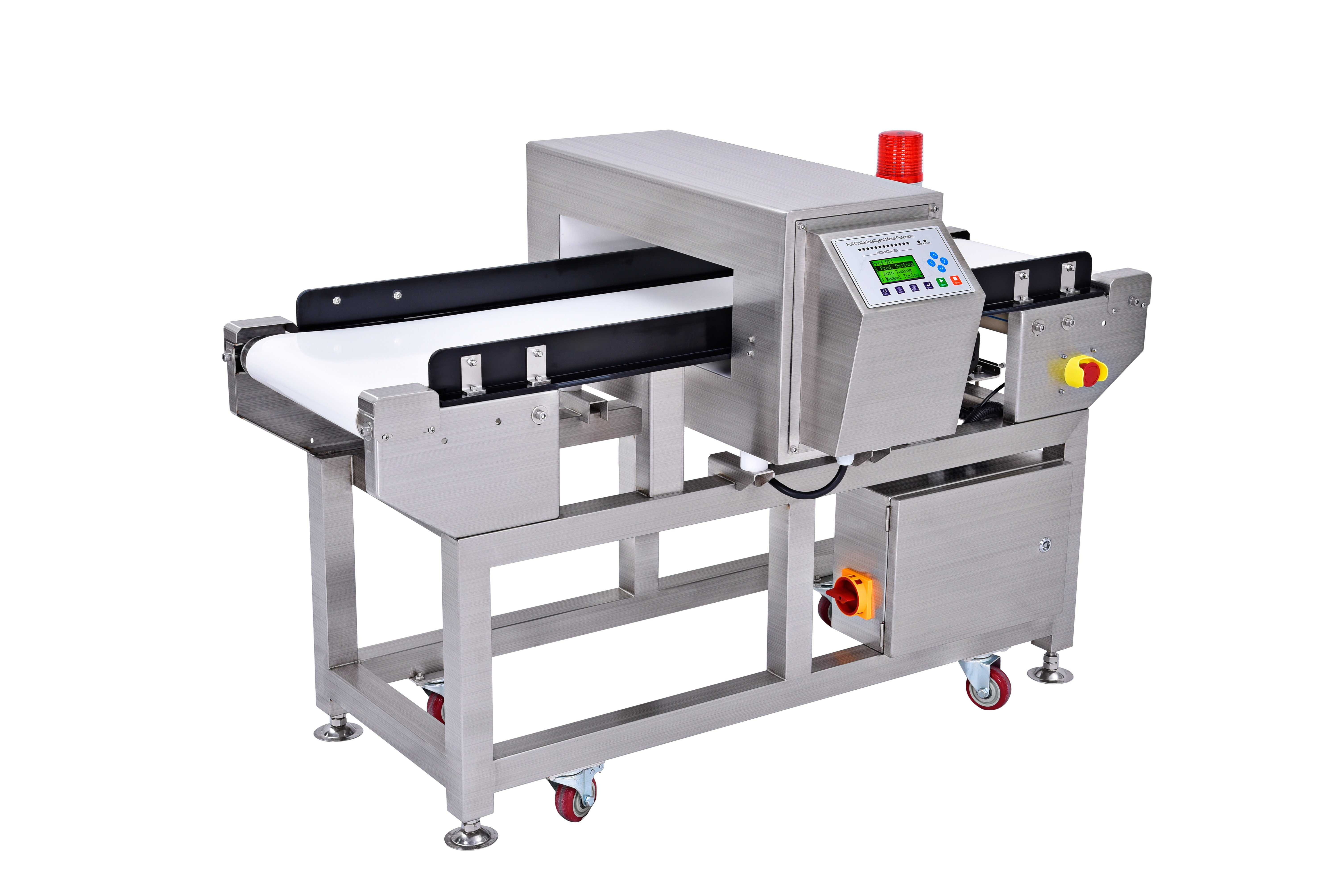
This comprehensive maintenance checklist outlines the daily, weekly, and monthly procedures necessary to keep your heavy duty metal detector performing at peak sensitivity and reliability. Following these guidelines ensures consistent bulk inspection accuracy, minimizes unplanned downtime, and protects your brand reputation through reliable contaminant detection.
Daily Inspection and Operational Checks
Visual Component Assessment
Begin each production shift by examining your factory metal detector for visible signs of wear, corrosion, or physical damage. Check conveyor belt alignment to ensure smooth product flow through the detection portal without friction or jamming. Inspect electrical connections, cable routing, and sensor head positioning for loose components or wear marks that could indicate vibration issues affecting detection accuracy.
Look for accumulated dust, moisture, or product residue around the industrial metal detector housing and sensor openings. These contaminants can interfere with electromagnetic field generation and signal processing, reducing sensitivity for bulk inspection operations. Wipe accessible surfaces with a soft, dry cloth and compressed air to maintain clean sensor windows.
Calibration and Sensitivity Testing
Run your heavy duty metal detector through its built-in self-test function at the start of each production run. Most modern industrial metal detector systems include automated calibration routines that verify baseline sensitivity and signal integrity without operator intervention. Document test results in your maintenance log, noting any deviation from established baseline parameters.
Conduct at least one manual sensitivity test using standard reference samples appropriate for your bulk inspection application. Place known ferrous, nonferrous, and stainless steel test pieces through the detection zone at typical product speeds. Confirm consistent alarm triggering and system response time, typically 100–200 milliseconds for standard factory metal detector configurations.
Weekly Maintenance Procedures
Deep Cleaning and Seal Inspection
Perform comprehensive cleaning of your industrial metal detector housing, sensor head, and all accessible mechanical components once weekly. Use approved cleaning agents that will not damage plastic or rubber seals commonly found on heavy duty metal detector equipment. Pay special attention to the product contact surfaces and conveyor belt guide rails where product particles, oils, and moisture accumulate.
Examine rubber seals, gaskets, and cable entry points for cracking, hardening, or deterioration. These components protect internal sensors from moisture and environmental contaminants that degrade bulk inspection performance. Replace any visibly compromised seals immediately to prevent water ingress and sensor malfunction during high-humidity production environments.
Performance Logging and Trend Analysis
Consolidate daily test results and operational notes into a weekly performance summary for your factory metal detector system. Track key metrics including detection sensitivity, false alarm rates, system response times, and any corrective actions taken. This historical data helps identify patterns indicating gradual sensor drift or emerging component degradation requiring preventive intervention on your industrial metal detector.
Compare weekly performance baselines against manufacturer specifications and your bulk inspection requirements. If sensitivity has declined 5–10% from baseline levels, schedule detailed diagnostic testing and possible recalibration. Early trend detection prevents catastrophic system failures during critical production runs.
Monthly Maintenance and Calibration Verification
Comprehensive System Diagnostics
Conduct a full diagnostic protocol monthly on your heavy duty metal detector to verify all subsystems function within specification. This includes sensor coil impedance measurements, signal-to-noise ratio analysis, and electromagnetic field uniformity mapping across the detection zone. Use your industrial metal detector manufacturer's diagnostic software to generate detailed performance reports identifying any parameter drift or component anomalies affecting bulk inspection reliability.
Check conveyor drive systems, product timing mechanisms, and reject equipment integration points to ensure factory metal detector system coordination remains synchronized. Improper timing or mechanical misalignment can cause products to pass through the detection zone too quickly or at incorrect positioning, reducing effective sensitivity regardless of sensor calibration.
Recalibration and Environmental Compensation
Perform full recalibration of your industrial metal detector monthly, accounting for seasonal environmental changes including temperature fluctuations and humidity variations that affect electronic components and sensor performance. Most modern heavy duty metal detector systems include temperature compensation algorithms, but manual verification ensures accuracy for critical bulk inspection applications. Run comprehensive reference sample tests through multiple cycle iterations, documenting consistent detection performance at target sensitivity levels.
Review and update factory metal detector alarm thresholds based on monthly performance data and any changes to product specifications or production volumes. Verify that sensitivity settings remain appropriate for your current bulk inspection requirements without excessive false alarm rates that disrupt production efficiency.
FAQ
How often should an industrial metal detector system receive professional maintenance?
Most manufacturers recommend annual professional service visits for heavy duty metal detector systems, supplemented by the daily, weekly, and monthly internal maintenance routines outlined above. Professional technicians can perform advanced diagnostics, sensor replacement, and software updates that ensure continued compliance with food safety and pharmaceutical regulations for bulk inspection operations.
What are the most common failure points in a factory metal detector?
Sensor coils, electromagnetic drive circuits, and product reject mechanisms represent the most failure-prone components in industrial metal detector equipment. Environmental exposure to moisture, temperature extremes, and vibration accelerates wear on these critical parts. Rubber seals and cable connections also deteriorate over time, compromising the waterproof integrity necessary for reliable factory metal detector performance during bulk inspection.
Can inadequate maintenance affect bulk inspection accuracy?
Yes, neglected maintenance directly reduces the sensitivity and reliability of heavy duty metal detector systems. Dust accumulation, sensor drift, and component degradation prevent your industrial metal detector from achieving specified detection thresholds, allowing contaminants to pass through undetected. Regular maintenance maintains the electromagnetic field integrity and signal processing accuracy essential for consistent bulk inspection performance and regulatory compliance.