 EN
EN


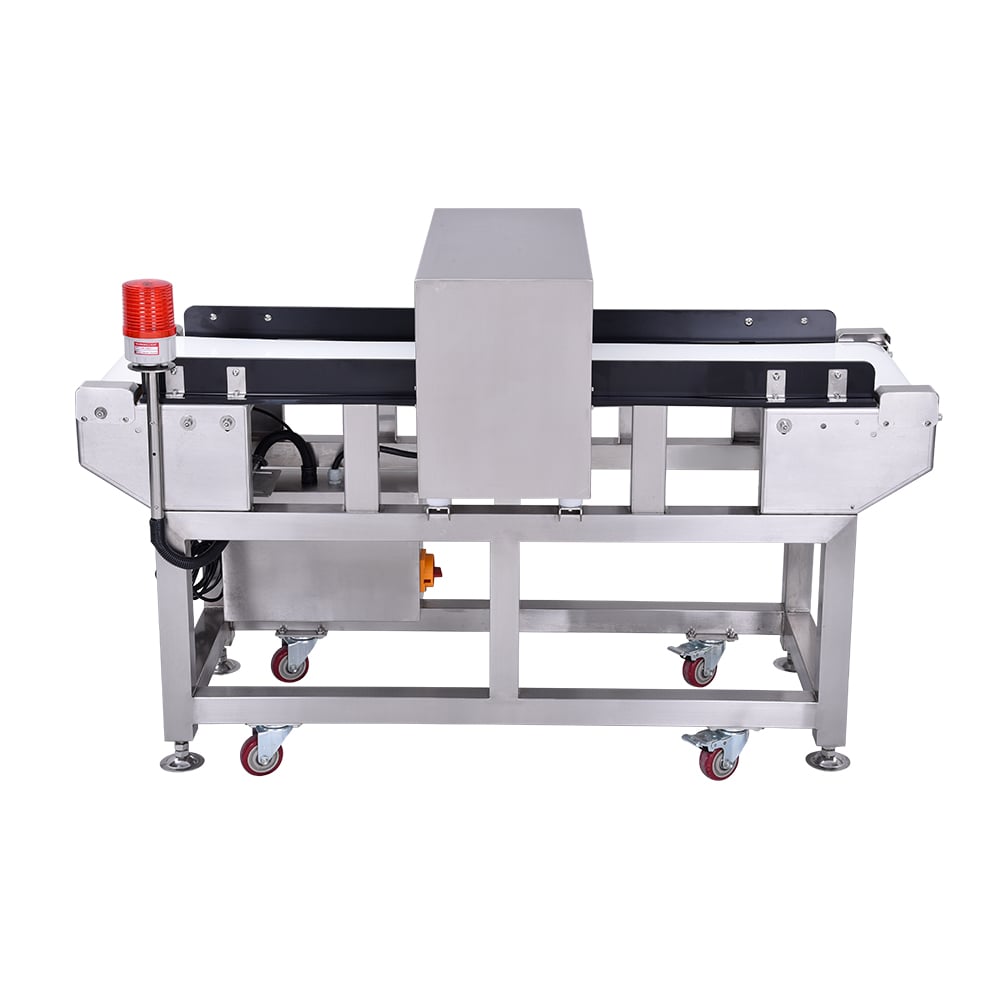
Flexible pouch packaging has revolutionized consumer goods distribution, offering lightweight, cost-effective, and space-efficient solutions for manufacturers worldwide. However, when these pouches move through production lines, they present unique challenges for quality control systems. An inline checkweigher must accurately verify weight while handling materials that shift, settle, and move unpredictably during transport. This critical balance between precision and flexibility defines modern packaging line success.
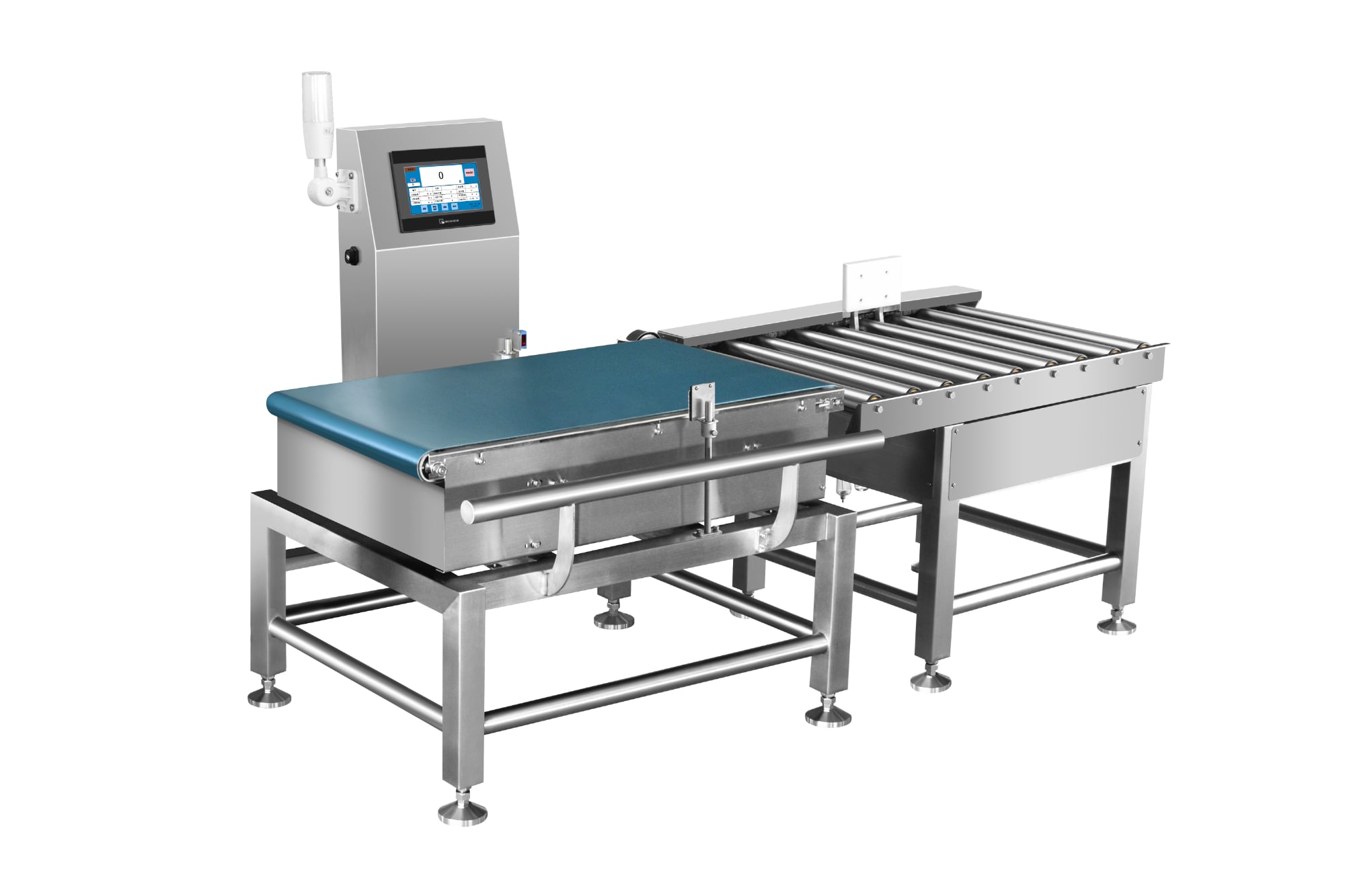
The integration of an automatic checkweigher into flexible pouch production requires understanding both the technology and the material characteristics that complicate measurements. Pouches collapse under their own weight, compress from conveyor friction, and absorb moisture that affects readings. Weight verification becomes complex because the same product can register differently depending on pouch position, fill consistency, and environmental factors. Successful implementation demands tailored solutions that accommodate these realities while maintaining compliance with regulatory standards and customer expectations.
Understanding Weight Verification Challenges with Flexible Pouches
Material Behavior and Measurement Variability
Flexible pouches exhibit inherent characteristics that complicate weight verification processes. Unlike rigid containers, pouches deform when exposed to pressure, temperature changes, and handling stress. As they move along the conveyor scale section of a production line, pouches shift their contents, compress from contact with rollers, and settle into different configurations. These physical changes directly impact weight readings, creating false positives or negatives that disrupt production flow and compromise product quality assurance. An automatic checkweigher must compensate for these dynamic conditions while maintaining accuracy targets typically within 0.5 to 2 grams.
Product density and pouch material composition further complicate measurements. Lightweight films used in flexible packaging offer minimal structural integrity, allowing contents to redistribute during transit. Liquid or semi-solid products within pouches settle unevenly, creating temporary weight fluctuations as they stabilize. Moisture absorption from ambient humidity can add 1 to 3 percent to recorded weights, leading to false reject decisions. Environmental factors such as temperature gradients across the production floor also influence measurement accuracy, requiring inline checkweigher systems capable of real-time compensation.
Common Detection Failures in Current Systems
Many facilities experience rejection rates that exceed acceptable thresholds when using standard conveyor scale configurations with flexible pouches. Pouches may arrive at the measurement zone at angles that prevent proper settling, generating inconsistent weight readings. Gaps between rollers or uneven conveyor surfaces cause pouches to bounce, creating momentary weight spikes that trigger false rejections. When an automatic checkweigher lacks sufficient stabilization time or motion compensation, it registers these transient measurements rather than true product weight. This results in excessive waste, increased downtime for recalibration, and customer complaints about missing or underweight products.
Optimizing Inline Checkweigher Performance for Flexible Packaging
Advanced Sensor Integration and Data Processing
Modern inline checkweigher technology incorporates multiple sensors and sophisticated algorithms to differentiate true weight from measurement noise caused by pouch movement. Load cells with higher sampling rates capture rapid weight fluctuations and average them over appropriate time windows, filtering out transient spikes from conveyor vibration. Some systems employ dual-sensor configurations that measure weight at different points along the conveyor scale, comparing readings to identify unstable pouches before final judgment. Real-time data analysis enables dynamic adjustment of acceptance windows, expanding or narrowing thresholds based on detected pouch stability patterns.
Temperature compensation features within advanced automatic checkweigher systems address environmental variables that affect measurements. Integrated thermocouples monitor ambient conditions and load cell temperature, applying mathematical corrections to maintain consistent calibration throughout production runs. Some equipment includes humidity sensors that track moisture levels affecting lightweight pouch weights. These integrated capabilities reduce recalibration frequency and improve consistency across varying production conditions, directly supporting weight verification accuracy targets even when flexible pouches introduce complexity.
Mechanical Optimization and Conveyor Design
The physical design of the conveyor scale section critically influences flexible pouch measurement reliability. Precision-leveled platforms eliminate bouncing and ensure consistent pouch orientation as they reach the measurement zone. Roller configurations with appropriate spacing and firmness prevent excessive compression while allowing pouches to settle naturally. Some facilities implement brief deceleration zones upstream of the inline checkweigher, reducing pouch velocity and allowing contents to stabilize before weight measurement occurs. These mechanical adjustments work synergistically with sensor technology to improve automatic checkweigher performance.
Guide systems that gently position flexible pouches perpendicular to the load cell direction enhance measurement stability. Curved or angled guides can introduce rotational movement that complicates readings, while vertical guides maintain consistent pouch orientation. Some conveyor scale installations include pouch separation mechanisms that ensure individual pouches occupy distinct measurement zones without overlap or contact with neighboring items. These design considerations require investment but generate substantial returns through improved accuracy and reduced rejection rates on flexible packaging lines.
Practical Implementation Strategies and Best Practices
System Configuration for Flexible Pouch Lines
Successful implementation of an inline checkweigher system on flexible pouch production lines begins with accurate baseline calibration using representative samples. Facilities should weigh multiple pouches on precision laboratory scales to establish true product weight distributions, then use this data to configure acceptance windows appropriately within the automatic checkweigher software. Testing should occur across different ambient temperatures and humidity levels to ensure performance consistency. Some manufacturers establish dynamic calibration protocols that periodically verify system accuracy using reference weights throughout production shifts, preventing drift that could compromise weight verification integrity.
Conveyor scale speed optimization directly impacts measurement reliability. Faster line speeds reduce stabilization time for flexible pouches, increasing measurement uncertainty and false rejection rates. Conversely, excessive slowdown reduces production throughput unacceptably. Most facilities determine optimal speed through systematic testing, identifying the fastest line speed that achieves acceptable measurement variance. Communication between packaging equipment operators and quality control personnel ensures any speed adjustments are documented and understood, maintaining consistency in weight verification performance across shifts and personnel changes.
Maintenance and Continuous Improvement
Regular maintenance of inline checkweigher equipment extends service life and preserves measurement accuracy. Load cells require periodic inspection for physical damage or contamination that could affect sensitivity. Conveyor components including rollers, guides, and bearing surfaces should be cleaned and inspected routinely to maintain smooth pouch transit. Calibration verification should occur at prescribed intervals, typically daily for high-volume operations, using traceable reference weights to ensure automatic checkweigher readings remain within acceptable tolerance bands. Documentation of calibration data enables trend analysis that can reveal gradual drift requiring corrective action before measurement failures impact production.
Continuous improvement initiatives should analyze rejection data to identify systematic patterns indicating weight verification issues. If certain pouch sizes or fill types generate higher rejection rates, investigation may reveal specific configuration adjustments or mechanical modifications that improve performance. Collaboration between equipment manufacturers and facility personnel accelerates problem-solving, as technical specialists can access real-time performance data and recommend optimization strategies. Regular training for operators on proper system use, basic troubleshooting, and recognition of measurement anomalies ensures consistent performance and rapid response to developing issues.
FAQ
Why do flexible pouches cause more checkweigher challenges than rigid containers?
Flexible pouches deform under pressure and settle unpredictably during conveyor transit, creating weight measurement variations that rigid containers do not exhibit. Contents redistribute as pouches compress against rollers or shift during acceleration and deceleration. An inline checkweigher reads instantaneous weight rather than stable product weight, causing false rejections on flexible packaging. Rigid containers maintain consistent shape and content distribution, enabling straightforward weight verification.
How does an automatic checkweigher compensate for pouch settling and movement?
Modern automatic checkweigher systems use high-speed sensors that sample weight multiple times per second, averaging results over configured time windows to filter out transient fluctuations. Some conveyor scale designs incorporate brief stabilization zones where pouch velocity decreases before measurement. Temperature and humidity compensation algorithms adjust readings based on environmental conditions affecting flexible pouch weight. These combined approaches enable accurate weight verification despite inherent pouch movement characteristics.
What maintenance practices optimize inline checkweigher performance for flexible pouches?
Daily calibration verification using traceable reference weights ensures continued accuracy of the inline checkweigher system. Conveyor components should be inspected and cleaned regularly to maintain smooth pouch transit and consistent measurement conditions. Load cells require periodic inspection for physical damage or contamination. Operators should document rejection data and work with technical specialists to identify patterns indicating needed adjustments to weight verification thresholds or mechanical configurations.