 EN
EN


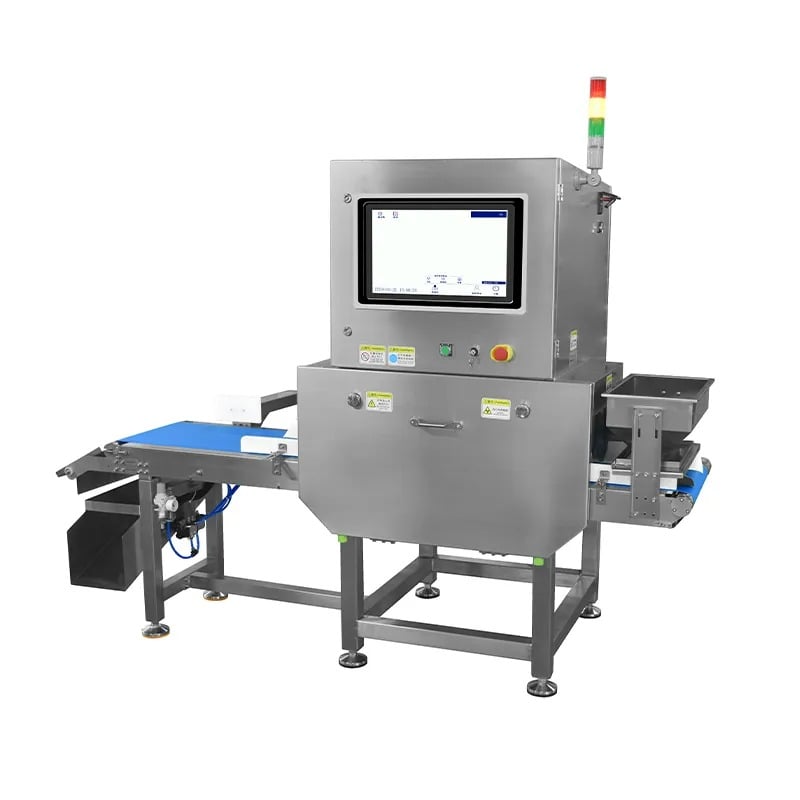
Metal contaminants represent a persistent challenge in modern manufacturing environments, particularly within facilities relying on x ray inspection machine technology for quality assurance. Despite the sophistication of contemporary detection systems, microscopic metallic particles frequently evade standard filtration mechanisms, compromising product integrity and creating compliance risks. Understanding why these contaminants slip past conventional barriers is essential for any organization committed to robust quality control equipment performance.
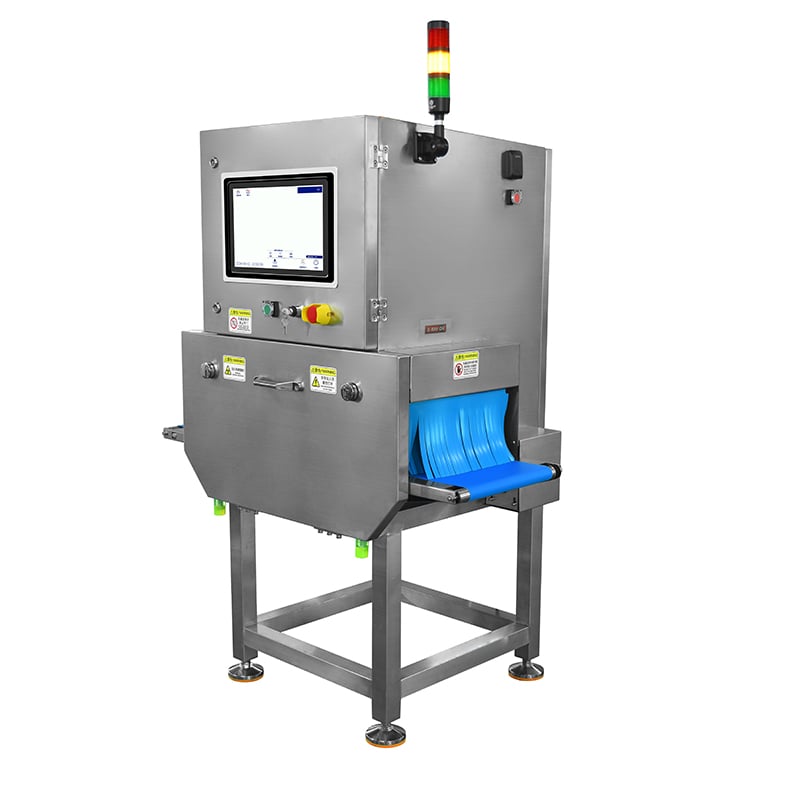
The fundamental limitation lies not in the detection capability of modern inspection technology, but rather in the design and maintenance assumptions underlying standard filter systems. A food inspection system must handle millions of particles daily, yet traditional mesh-based filtration focuses primarily on larger debris while neglecting the submicron metallic fragments that pose equally serious contamination risks. This gap between perceived and actual protection explains why facilities implementing state-of-the-art packaging inspection equipment still encounter metal-related recalls and customer complaints.
Understanding Filter Bypass Mechanisms
Particle Size Distribution and Detection Thresholds
Standard industrial filters operate based on nominal micron ratings that represent average particle capture, not absolute certainty. Metal contaminants entering production lines originate from equipment wear, tooling degradation, and maintenance activities, producing particles across an extremely wide size spectrum. The x ray inspection machine can theoretically detect metal fragments larger than its configured sensitivity threshold, yet many contaminants never reach detection because they bypass filtration entirely through electrostatic attraction, agglomeration patterns, and filter wall adhesion mechanics that prevent them from flowing toward detection zones.
When a food inspection system processes thousands of product units hourly, filter media becomes progressively more saturated with non-metallic debris. This saturation reduces effective flow velocity and creates dead zones where fine metal particles settle rather than transit through detection equipment. Quality control equipment specifications rarely account for this dynamic filter degradation, assuming constant performance that actual industrial conditions cannot sustain.
Material Properties and Magnetic Field Limitations
Not all metal contaminants respond equally to magnetic filtration approaches. While ferrous materials exhibit strong magnetic susceptibility, stainless steel fragments, aluminum particles, and copper shavings possess significantly reduced magnetic properties. Many facilities implement magnetic screening as their primary pre-filtration stage, only to discover that nonferrous metal contaminants pass through virtually unimpeded. A packaging inspection system relying exclusively on magnetic separation will inevitably allow nonferrous metals to reach sensitive production stages.
The x ray inspection machine excels at detecting all metal types regardless of magnetic properties, but only if contaminants reach the inspection zone. Standard filters preceding inspection equipment were designed in an era before advanced detection technology existed, perpetuating outdated assumptions about what constitutes adequate pre-filtration. This legacy approach leaves significant gaps in overall contamination management strategy.
Why Standard Filtration Falls Short
Design Assumptions and Operational Reality
Most conventional filtration systems were engineered around nominal operating conditions that rarely reflect actual production environments. Temperature fluctuations, humidity variations, and product residue accumulation alter filter performance in ways standard testing protocols never anticipate. A food inspection system installed in facilities with high-moisture environments faces filter media degradation rates far exceeding manufacturer specifications, creating conditions where metal contaminants readily penetrate supposedly protective barriers.
Maintenance schedules for standard filters typically follow calendar-based intervals rather than actual filter loading conditions. This approach guarantees that some filters operate at severely reduced capacity while others are replaced prematurely, introducing inconsistency into contamination control. Quality control equipment downstream receives unpredictably variable inlet conditions, making reliable metal detection impossible to achieve consistently across production runs.
Secondary Contamination Pathways
Beyond primary filter penetration, metal contaminants enter production through pathways that bypass filtration entirely. Equipment lubrication containing trace metallic wear products, maintenance tool residue inadvertently introduced during service calls, and environmental contamination from facility infrastructure all contribute metal fragments that standard filters never encounter. The packaging inspection system must compensate for these inherent design gaps, explaining why organizations cannot achieve zero-defect contamination outcomes through filtration strategies alone.
Compressed air systems powering pneumatic production equipment introduce metal particles from line degradation and compressor wear, while inadequate demoisturization allows moisture-accelerated rust formation on internal surfaces. These secondary sources often represent the majority of detected contamination in mature facilities, rendering conventional filter upgrades ineffective for comprehensive contamination management. An x ray inspection machine serves as essential verification that these persistent bypass mechanisms have not compromised outgoing products.
Implementing Comprehensive Contamination Strategy
Multi-Stage Detection and Enhanced Filtration
Organizations committed to eliminating metal contaminant slip-through must implement layered approaches combining advanced filtration technologies with robust detection verification. Electrostatic precipitation stages preceding mechanical filtration capture ultra-fine particles that mesh-based systems cannot reliably intercept. Activated carbon filtration addresses molecular-level contamination while providing secondary capture for fine metallic particles suspended in process streams.
The x ray inspection machine functions as the definitive verification layer, detecting any metal fragments that bypass all pre-filtration stages. Food inspection system integration at final packaging stages provides statistical validation that contamination management strategies actually prevent product contamination. This multi-barrier approach recognizes that no single filtration technology achieves absolute contaminant elimination, requiring quality control equipment to serve compensatory verification functions.
Monitoring and Continuous Improvement
Real-time filter performance monitoring systems track pressure differentials, flow rates, and particle accumulation patterns to optimize replacement schedules based on actual conditions rather than predetermined intervals. Packaging inspection data analysis reveals contamination patterns indicating specific equipment sources, enabling targeted maintenance interventions that reduce contamination generation at origin. Integrating this data with x ray inspection machine detection results creates closed-loop quality systems that continuously strengthen contamination control effectiveness.
Facility audit protocols should include direct comparison of pre-filtration particle counts against post-filtration measurements, combined with statistical analysis of metal detection rates within x ray inspection machine operations. These metrics identify genuine filtration performance versus theoretical specifications, enabling management to allocate contamination prevention resources toward interventions offering maximum protection. Food inspection system data should drive facility-level infrastructure improvements addressing root contamination causes rather than relying indefinitely on downstream detection equipment.
FAQ
Why does my x ray inspection machine still detect metal if I maintain current filters regularly?
Standard filters capture primarily larger visible particles, allowing submicron metal fragments to penetrate unimpeded. Calendar-based maintenance schedules do not account for actual filter loading variations across different production runs. Secondary contamination sources like equipment wear, lubricants, and compressed air systems introduce metals bypassing primary filtration entirely. Your quality control equipment detects these persistent sources that conventional maintenance cannot eliminate without addressing root contamination generation mechanisms.
Can magnetic filtration eliminate metal contamination in a food inspection system?
Magnetic filtration effectively captures ferrous materials but provides virtually no protection against stainless steel, aluminum, and copper contaminants. Many modern facilities use nonferrous metals in equipment and tooling, generating contaminants that magnetic screening cannot intercept. A comprehensive packaging inspection strategy must recognize magnetic filtration as single-material protection rather than comprehensive contamination control, requiring advanced x ray inspection machine verification to detect bypassing nonferrous metals.
How do I know if my quality control equipment is detecting real contamination or false positives?
Implement statistical trend analysis comparing metal detection rates across production batches, product types, and time intervals. Correlate x ray inspection machine detection patterns with maintenance activities, equipment changes, and facility environmental variations to identify whether detected metals originate from genuine contamination or equipment malfunction. Food inspection system manufacturers provide calibration standards and reference samples for validating detection accuracy, helping facilities distinguish legitimate contamination from system errors requiring maintenance.