 EN
EN


Maintaining IP69K waterproof ratings on food metal detector enclosures is critical for long-term operational reliability and product safety in demanding processing environments. IP69K certification represents the highest ingress protection standard, ...
VIEW MORE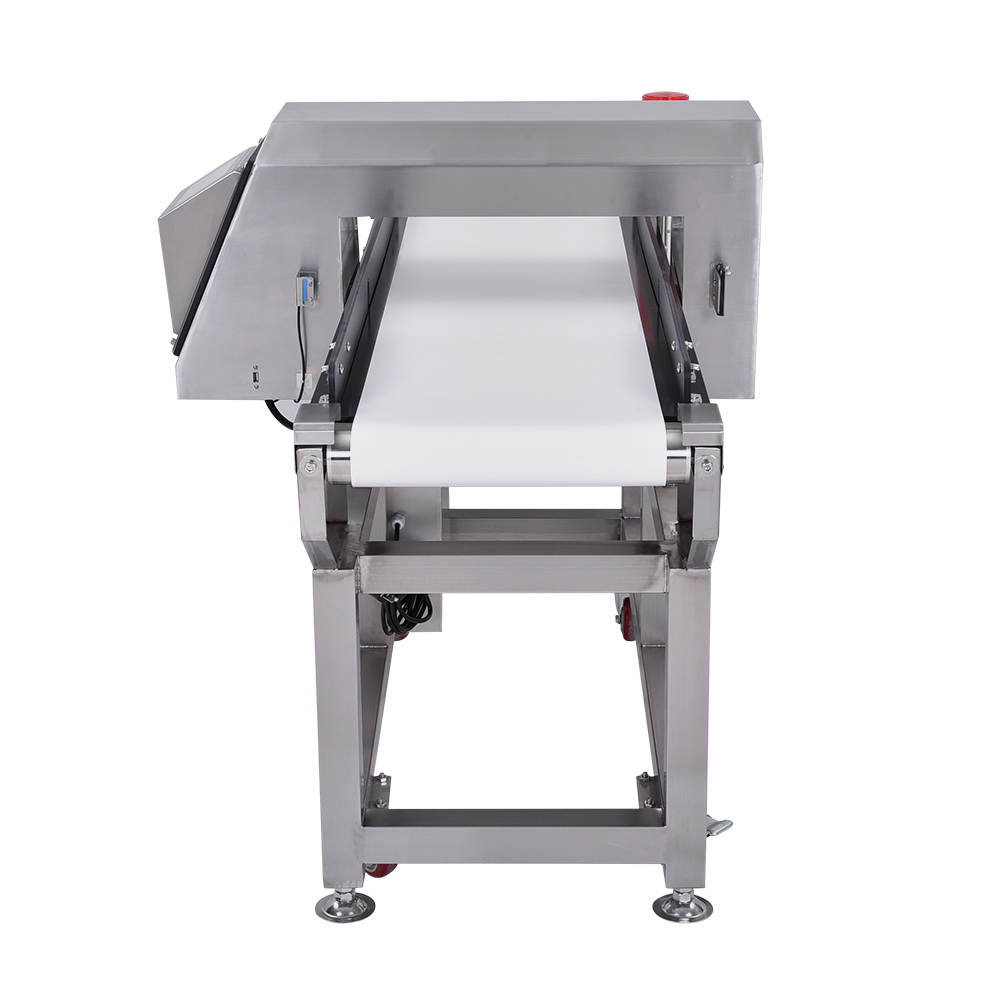
Modern food processing facilities face constant pressure to maintain product safety while optimizing production efficiency. A food metal detector represents a critical safeguard against metallic contamination, but its effectiveness increases dramatic...
VIEW MORE
Intermittent false triggers on a food metal detector are among the most frustrating operational challenges in modern food processing facilities. False alarms waste production time, create unnecessary product rejects, and erode confidence in your cont...
VIEW MORE
Conveyor speed is one of the most critical operational factors that directly influences the detection sensitivity and accuracy of a food metal detector. In food manufacturing and packaging environments, understanding this relationship is essential fo...
VIEW MORE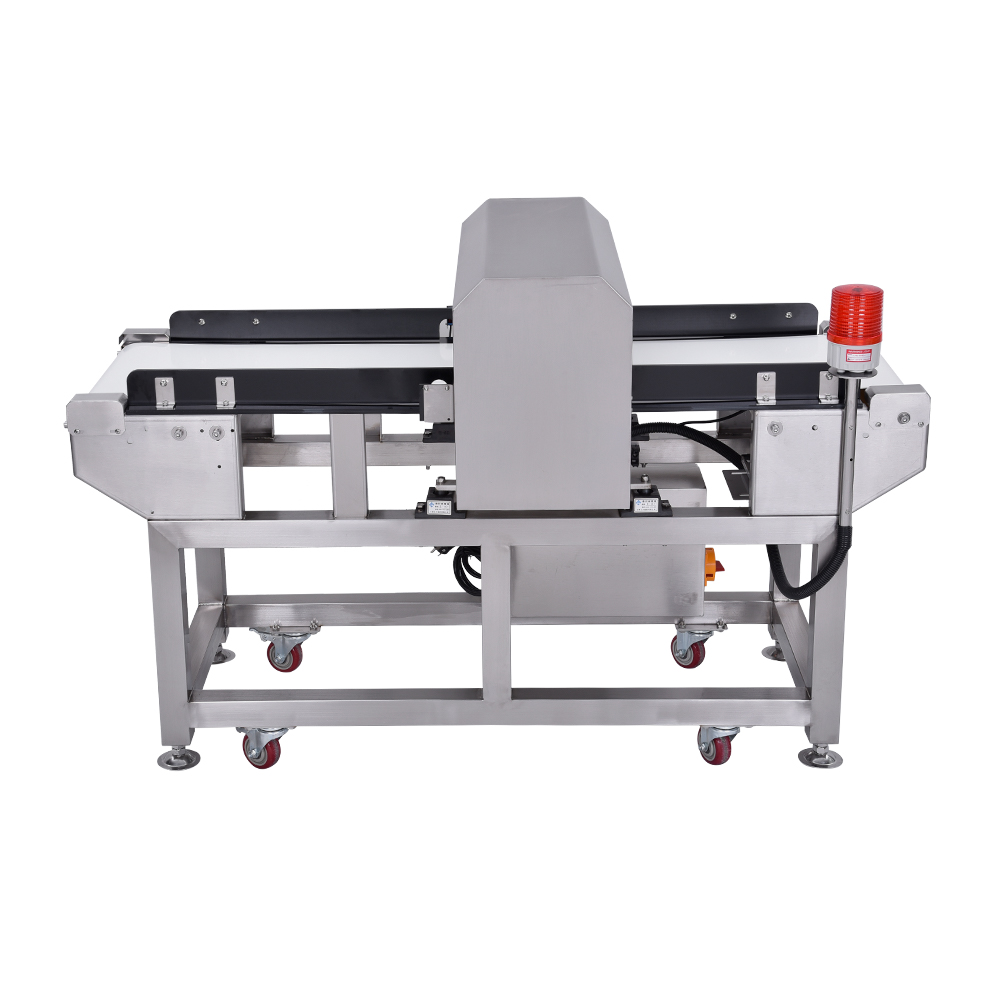
Bacterial contamination in conveyor systems represents one of the most serious risks in food processing facilities. When joints and crevices in a food grade metal detector accumulate moisture and organic debris, they become ideal environments for pat...
VIEW MORE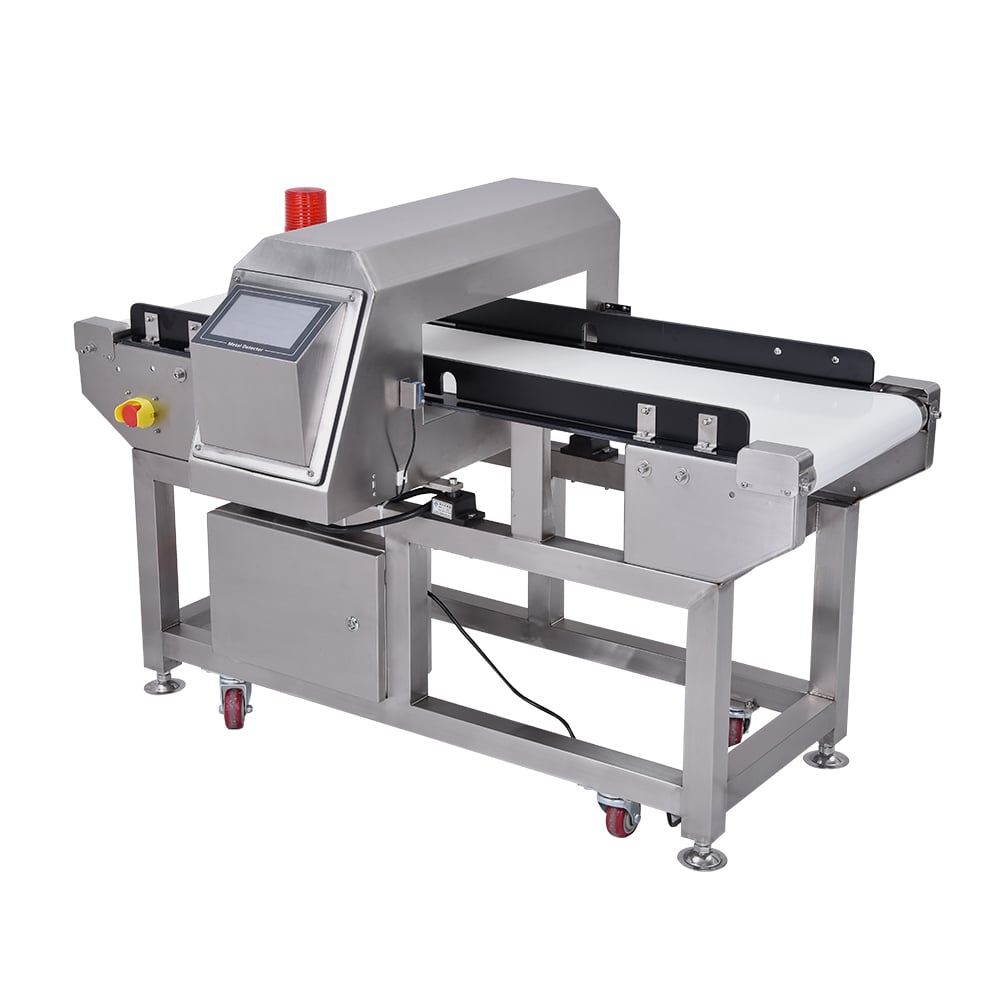
The food processing industry operates under strict regulatory requirements where contamination prevention is non-negotiable. A food grade metal detector serves as a critical control point in modern production facilities, ensuring that metallic contam...
VIEW MORE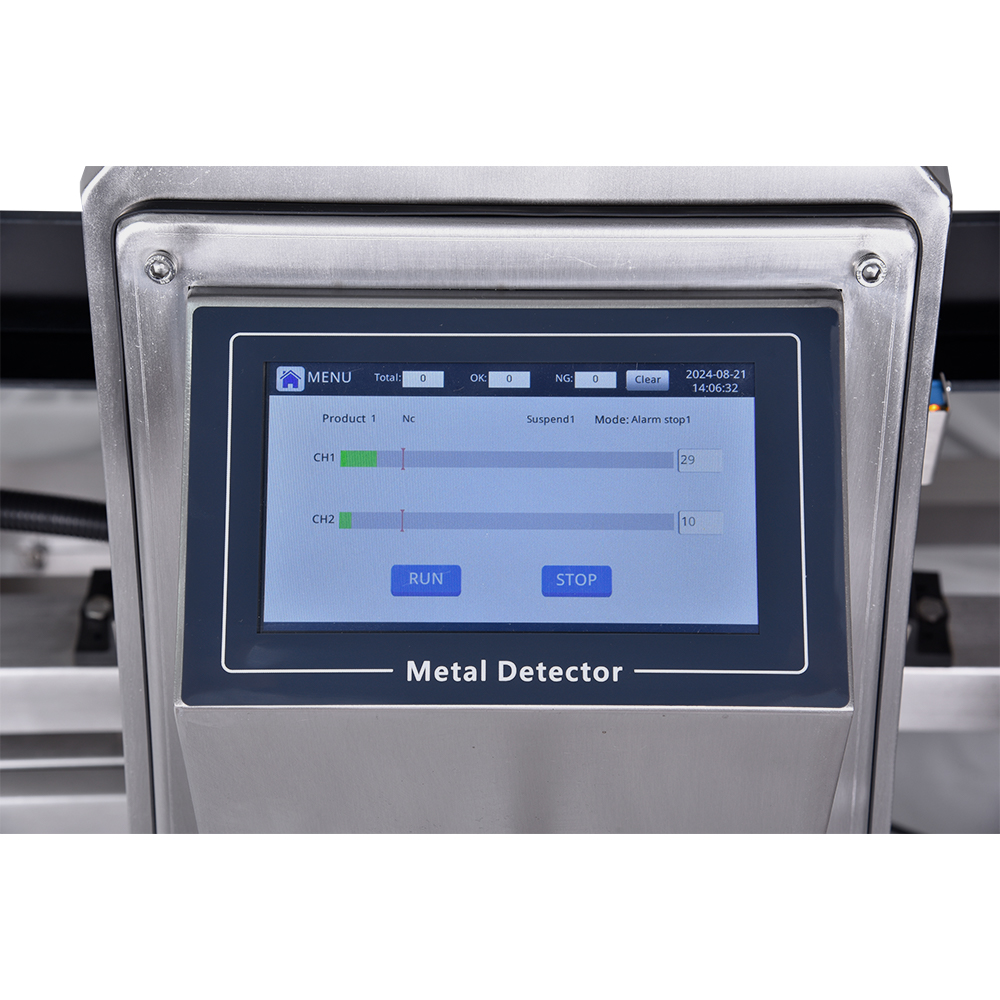
Food safety is a non-negotiable priority in modern food processing facilities. The design and construction of equipment used in food production must meet rigorous hygienic standards to prevent contamination and ensure product integrity. A food grade ...
VIEW MORE
High pressure cleaning is essential in food processing facilities, but it poses a serious threat to equipment longevity when not managed carefully. A food grade metal detector operates under demanding sanitary conditions where regular washdown is man...
VIEW MORE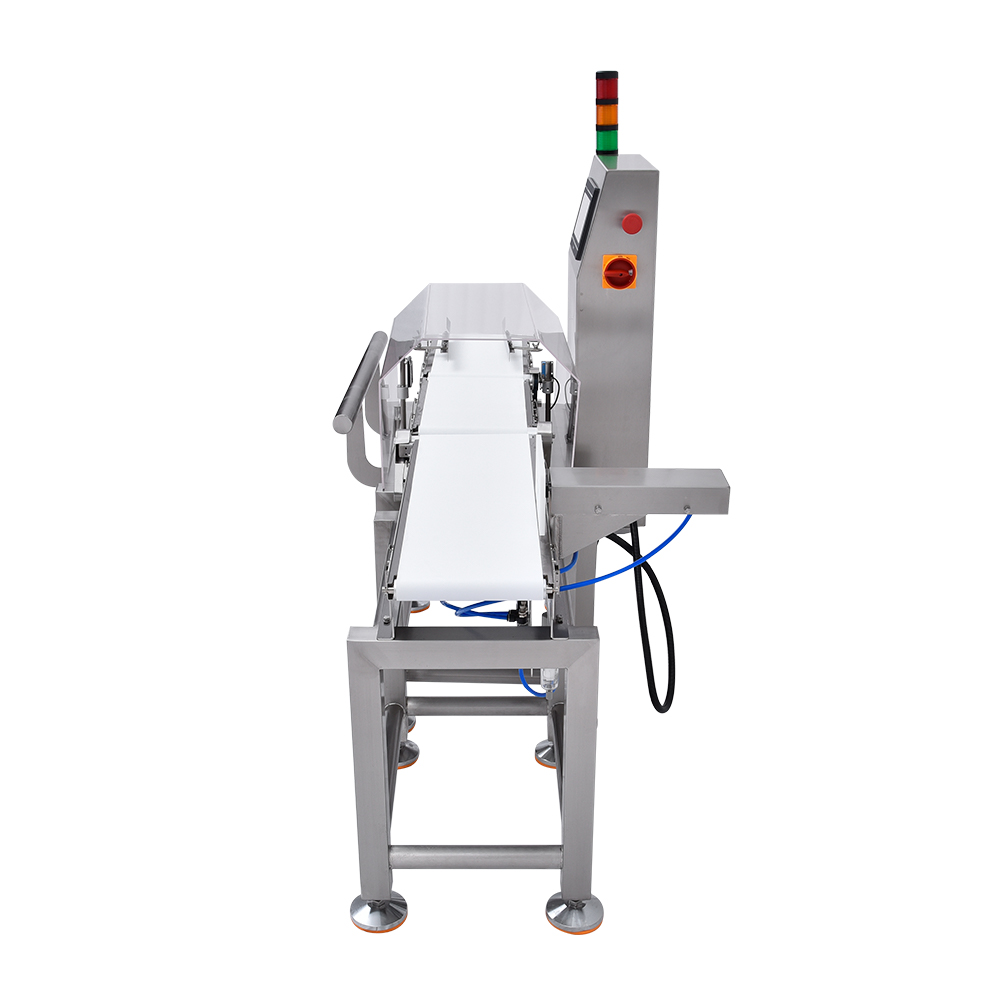
Drive motors are the backbone of conveyor belt metal detectors, driving continuous product flow through inspection zones with reliable precision. Without proper maintenance, these critical components deteriorate rapidly, leading to unexpected downtim...
VIEW MORE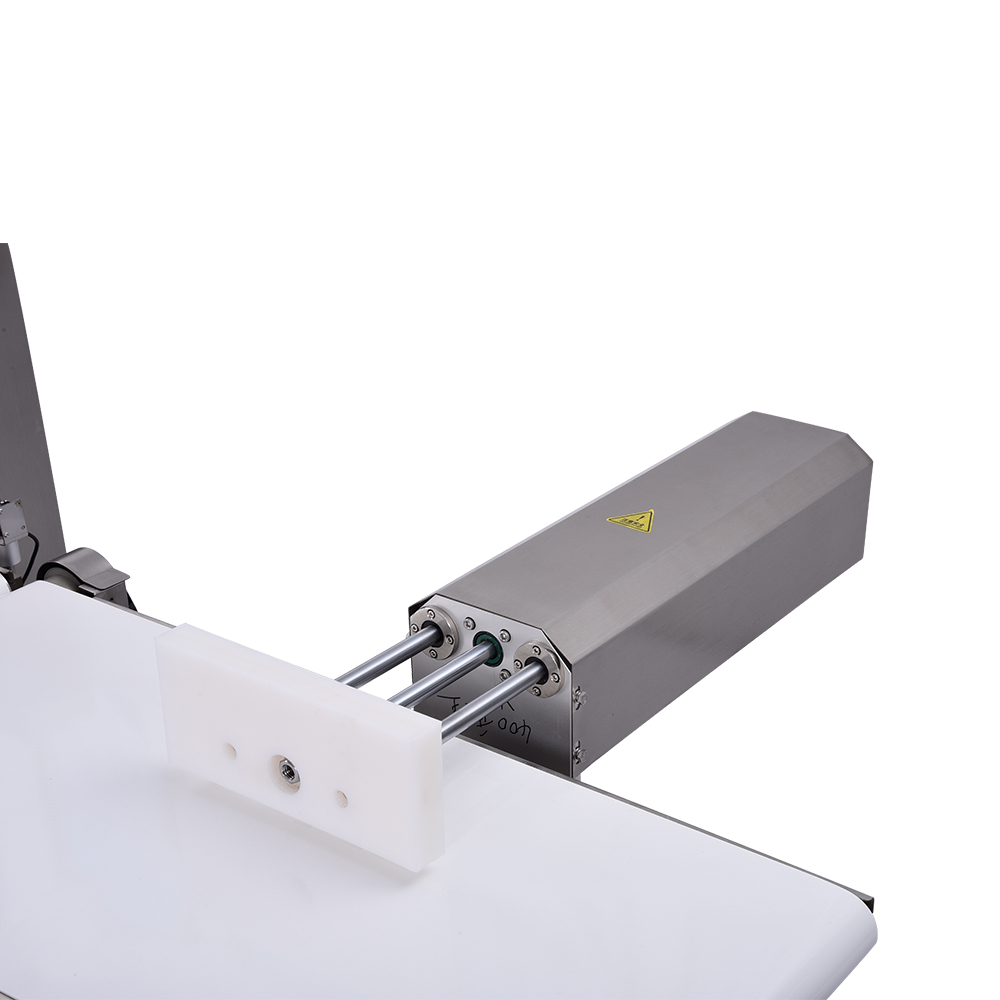
Integrating safety interlocks with conveyor belt metal detectors represents a critical advancement in production line safety and product integrity management. This integration ensures that contaminated or unsafe products are not only detected but imm...
VIEW MORE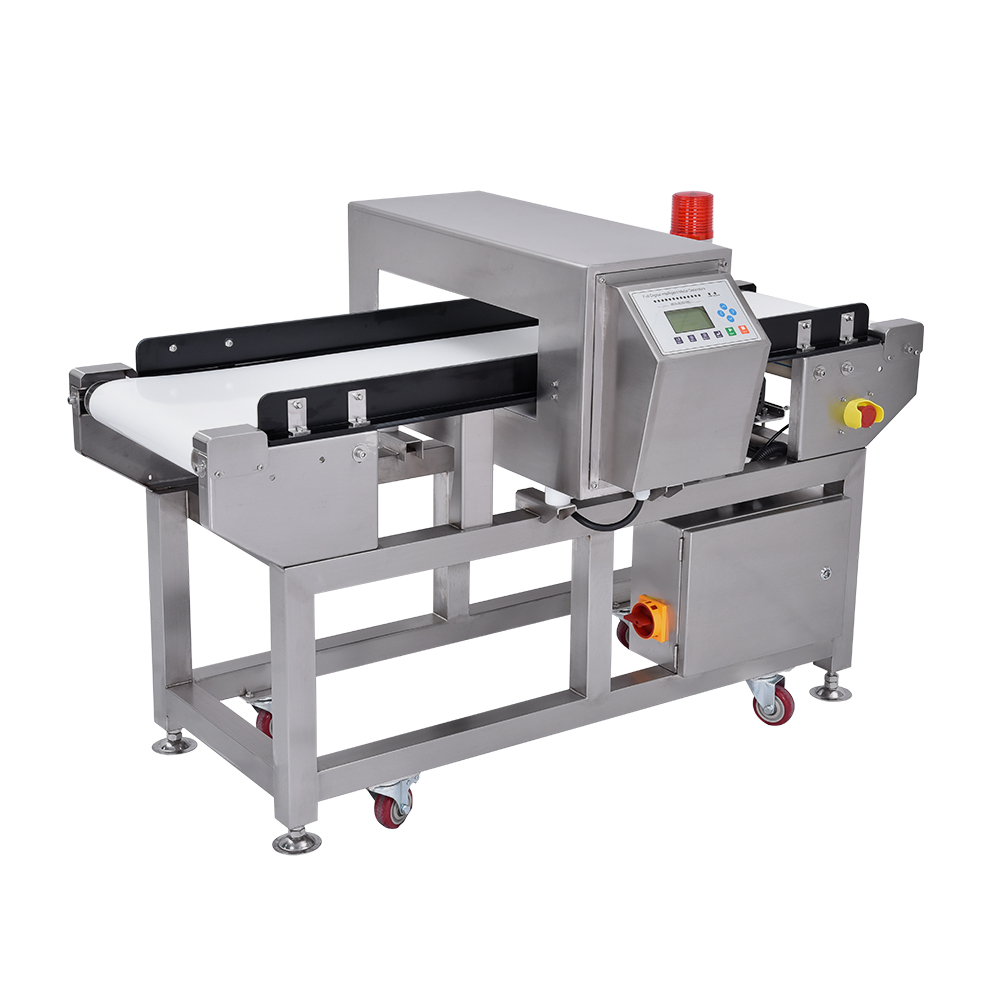
Zero point drift represents one of the most common calibration challenges faced by production facilities using checkweigher systems on packaging lines. This issue occurs when a checkweigher scale fails to maintain its baseline reference point, causin...
VIEW MORE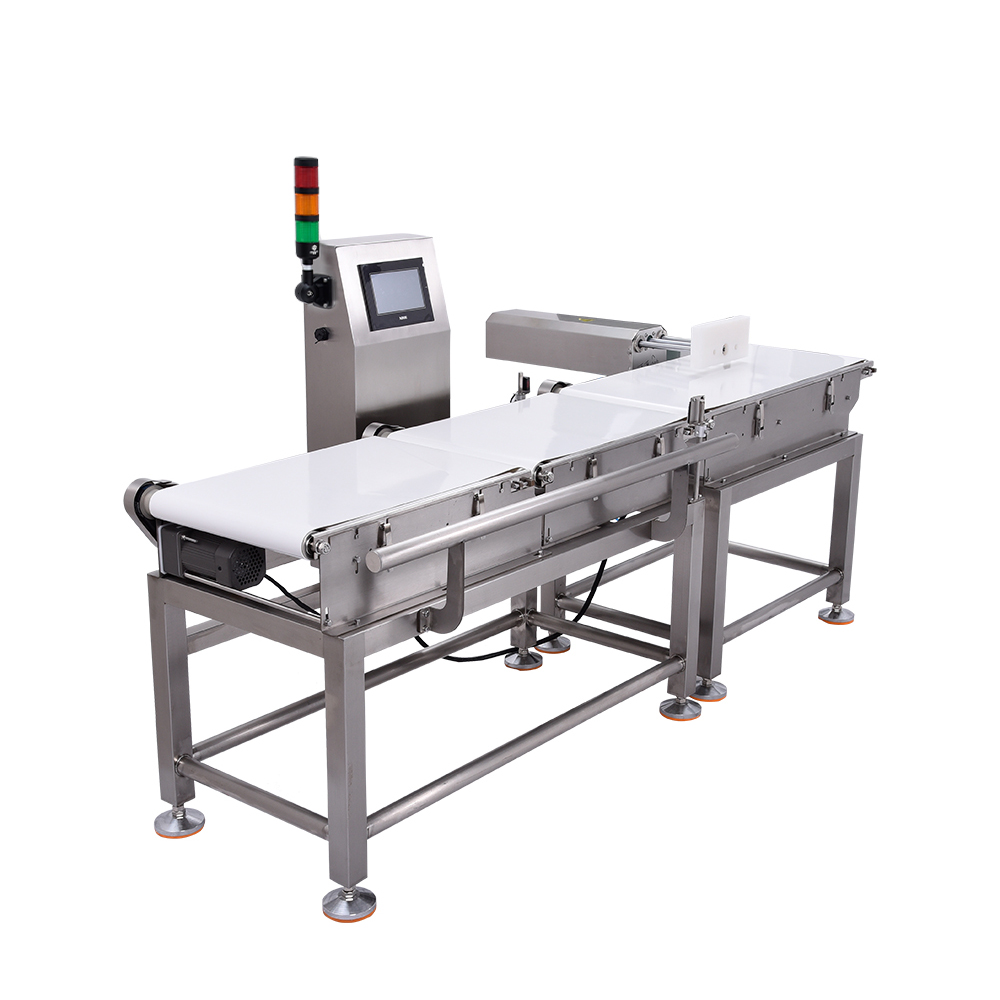
Infeed spacing represents one of the most overlooked yet critical factors influencing the performance of a checkweigher system on modern packaging lines. The distance between your product feeding mechanism and the weighing platform directly determine...
VIEW MORE