 EN
EN


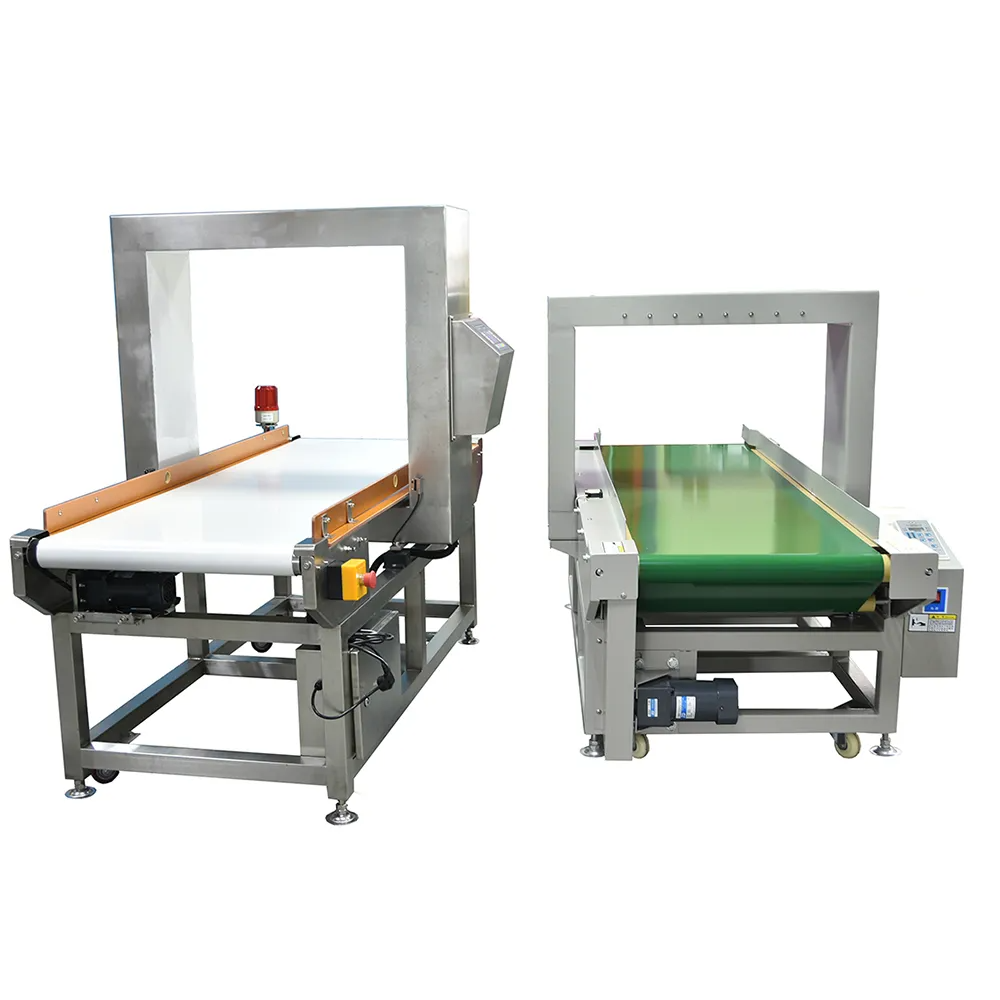
Detecting microscopic needle fragments in thick quilted materials represents one of the most critical challenges in modern textile manufacturing and garment production. When industrial sewing equipment operates at high speeds through dense fabric lay...
VIEW MORE
Heavy-duty needle detector units are critical investments for any textile production facility. These sophisticated machines protect consumers and maintain brand reputation by identifying broken needles and metal contaminants in garments before they r...
VIEW MORE
Calibration drift in a needle detector is one of the most challenging issues operators face in textile production environments. When sensitivity settings shift over time, detection accuracy declines, creating significant risks for both product qualit...
VIEW MORE
The design and configuration of sensor coils represent one of the most critical technical factors determining the effectiveness of modern needle detector systems in industrial textile production. As garment inspection has become increasingly stringen...
VIEW MORE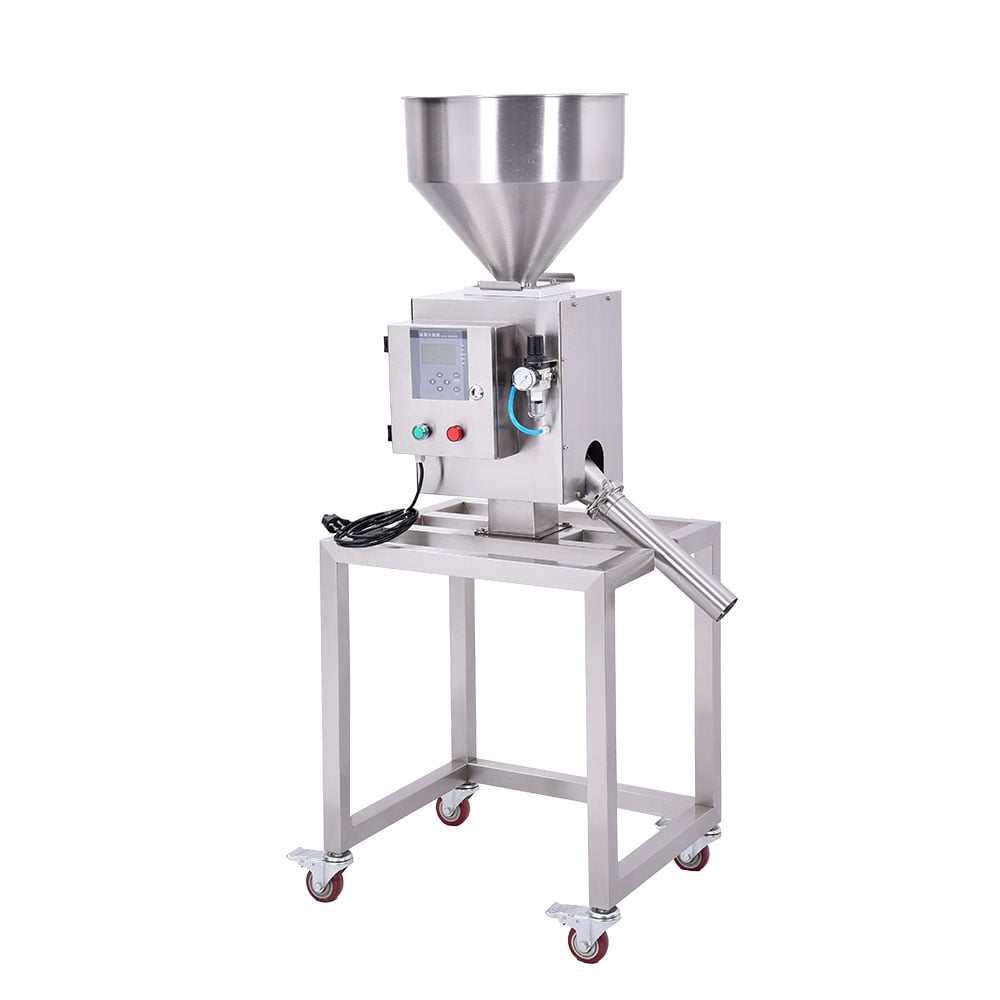
Maintaining a clean and sanitized metal separator machine is essential for operational reliability and product safety in industrial processing environments. Quick release designs have revolutionized equipment maintenance by allowing operators to disa...
VIEW MORE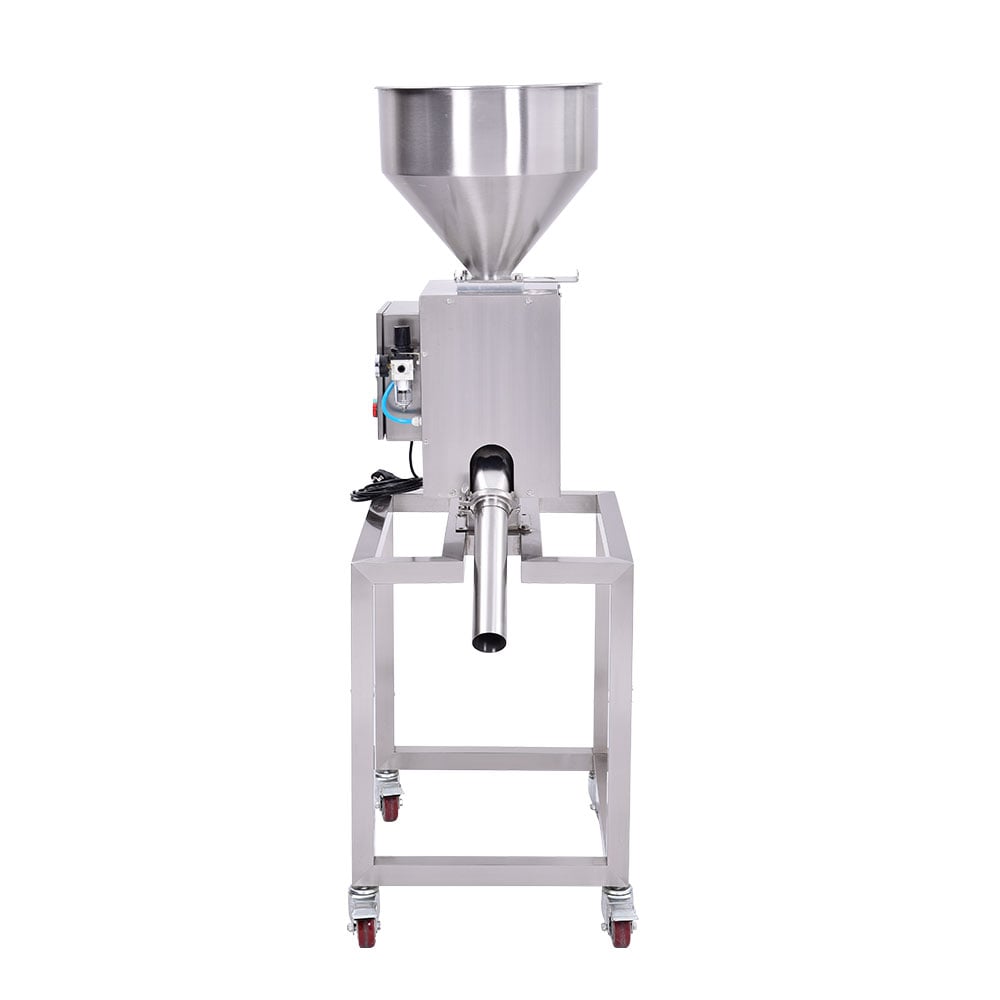
Integrating a metal separator machine into pneumatic conveying lines represents a critical advancement in industrial contamination control. Modern manufacturing facilities face constant pressure to maintain product purity while maximizing throughput,...
VIEW MORE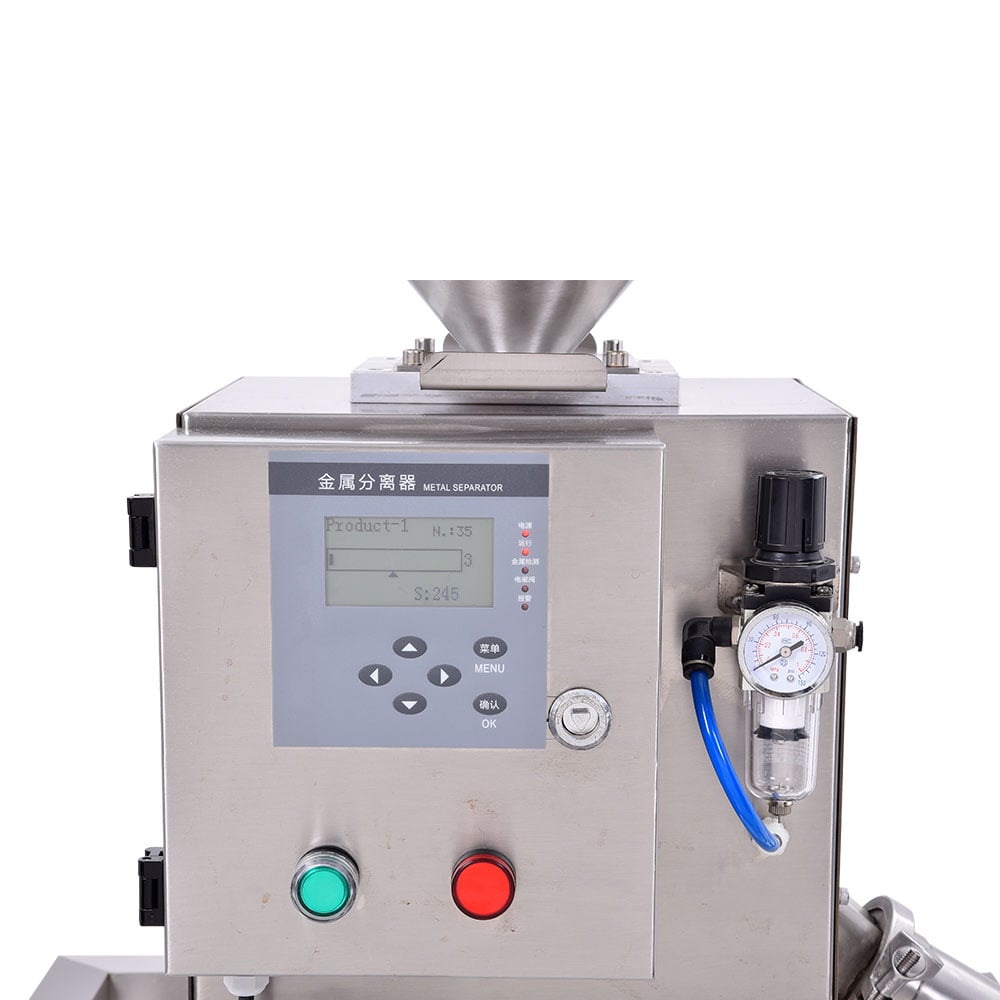
The flap valve design is a critical component that directly influences the performance and reliability of a metal separator machine, especially in high-speed industrial operations. When processing bulk materials and powders, the valve mechanism must ...
VIEW MORE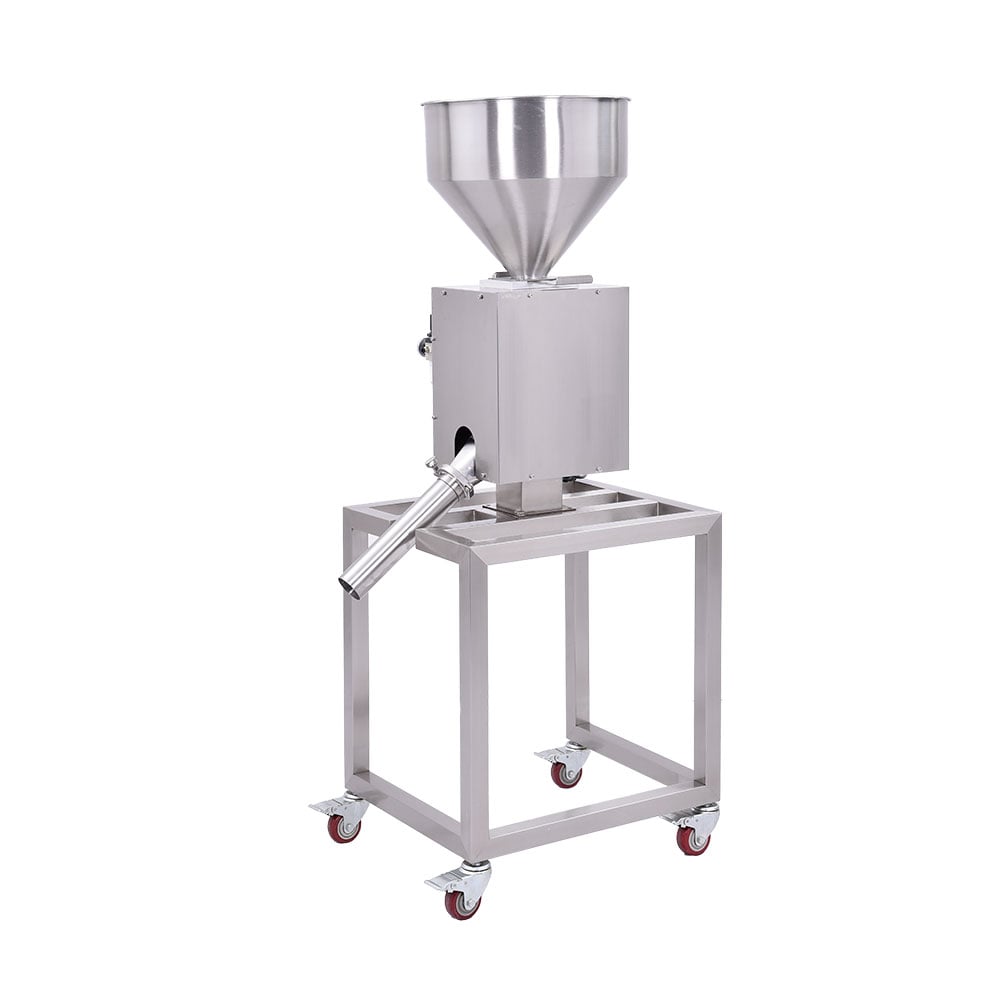
A metal separator machine relies on multiple components working together to achieve precise contamination removal in industrial processing. Among these critical elements, pneumatic diverters play a vital role in directing sorted materials to their ap...
VIEW MORE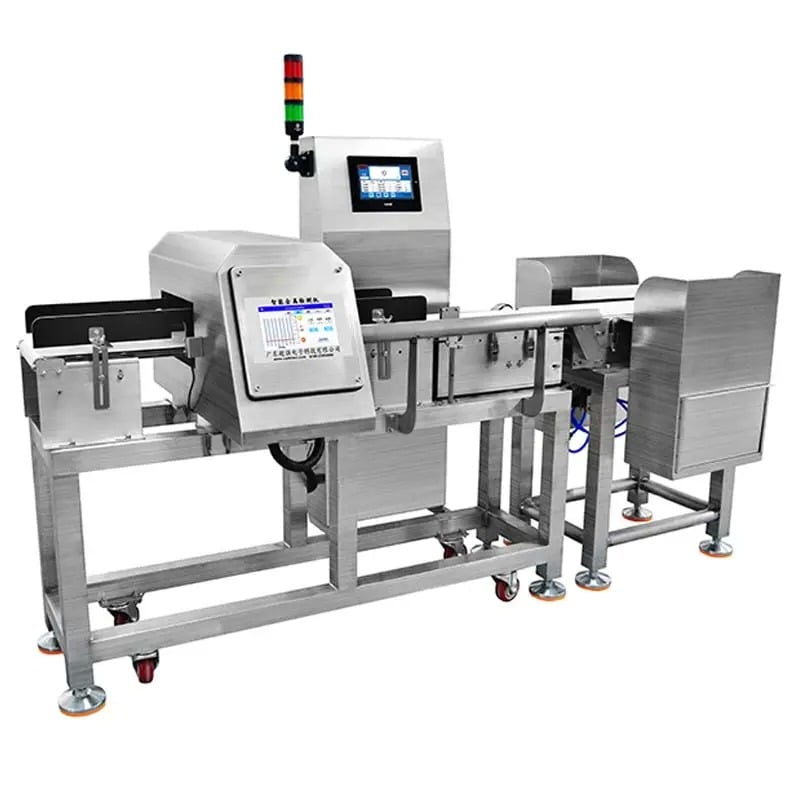
Modern manufacturing and food processing facilities depend on seamless integration between detection and rejection systems to maintain product quality and safety. A metal detector machine serves as the critical first line of defense against contamina...
VIEW MORE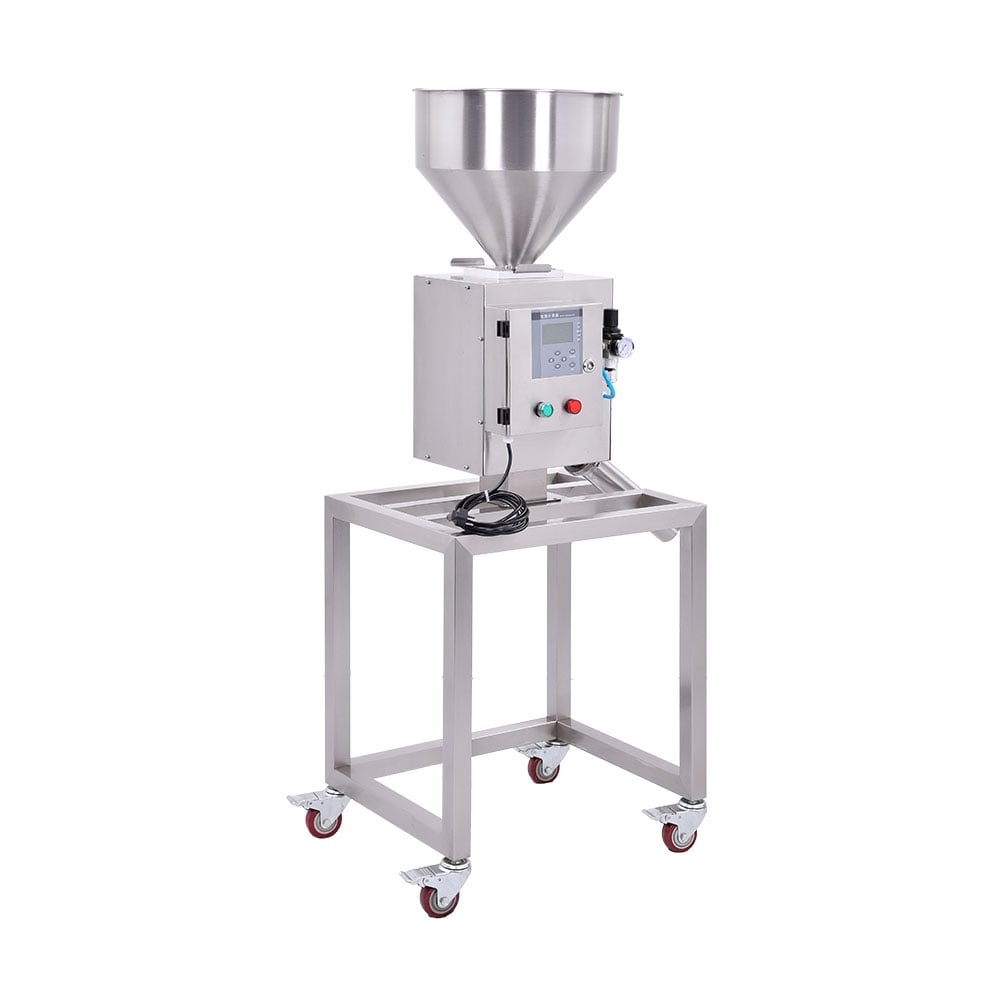
Injection molding production depends on precision equipment operating without contamination. Ferrous and non-ferrous metal particles introduced during raw material handling can severely damage expensive injection molding screws, causing costly downti...
VIEW MORE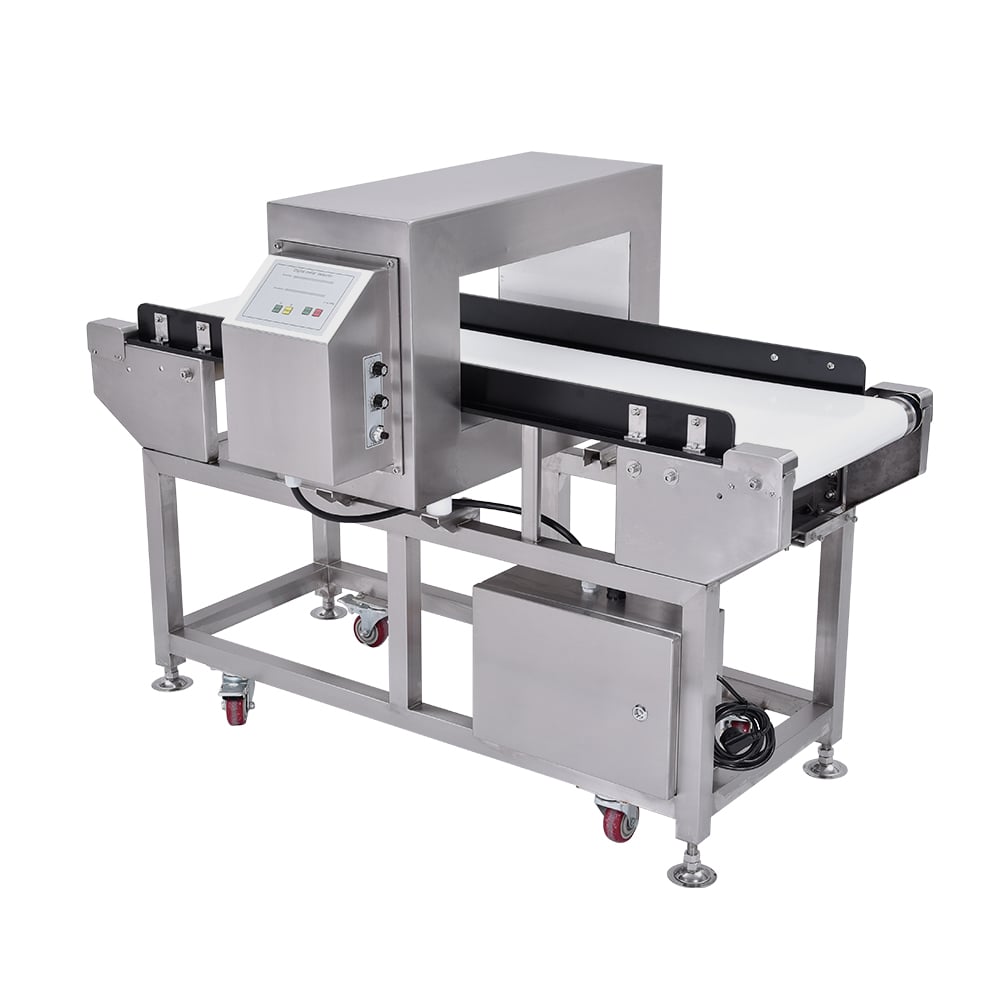
Ambient thermal shifts represent one of the most underestimated operational challenges facing modern industrial facilities that rely on precision detection equipment. When environmental temperatures fluctuate, the delicate balance of a metal detector...
VIEW MORE
Maintaining compliance with regulatory standards requires systematic verification of your metal detector machine performance. Regular testing protocols ensure that contamination control remains effective and your inspection machine operates within sp...
VIEW MORE