 EN
EN


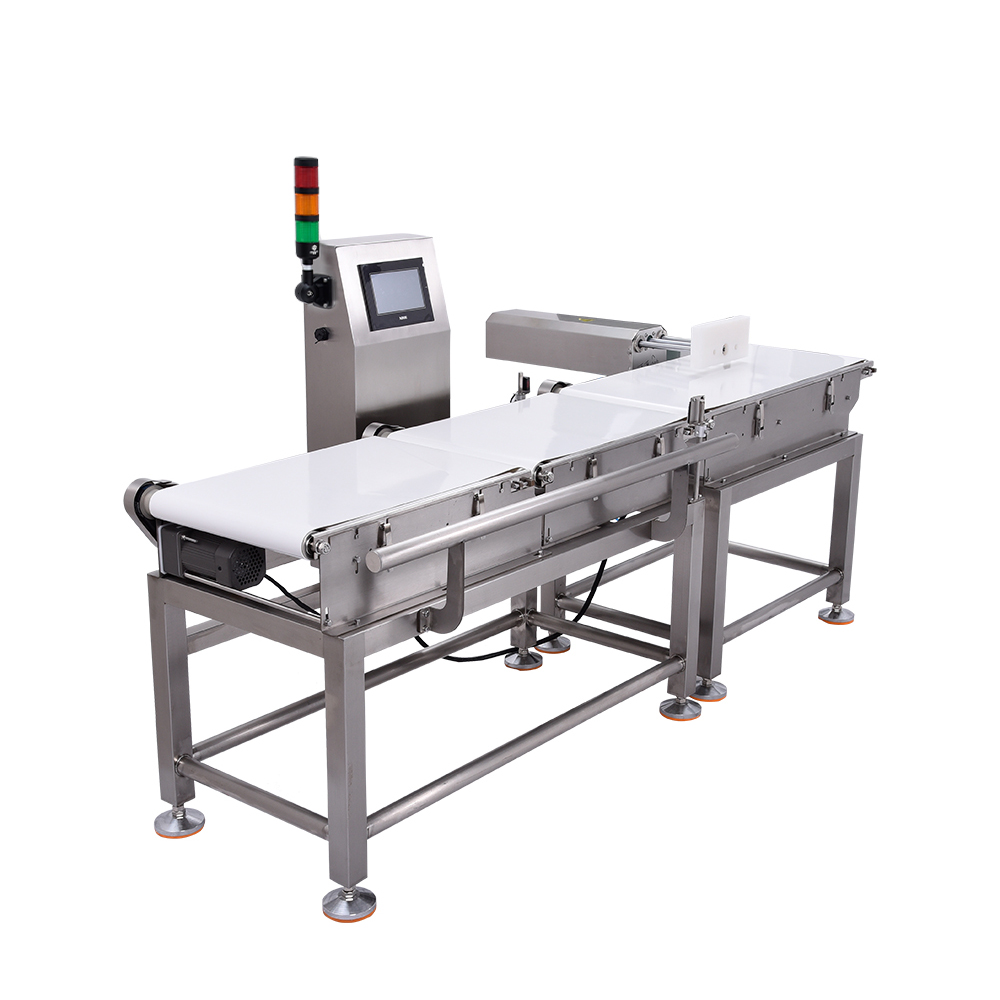
Infeed spacing represents one of the most overlooked yet critical factors influencing the performance of a checkweigher system on modern packaging lines. The distance between your product feeding mechanism and the weighing platform directly determines how consistently items land on the dynamic scale, which in turn affects the reliability of your weight inspection results. When infeed spacing is poorly configured, products may arrive at unstable speeds, angles, or positions, causing measurement errors that ripple through your entire quality control process. Understanding this relationship is essential for manufacturers seeking to maintain tight weight tolerances and reduce costly product rejects or customer complaints.
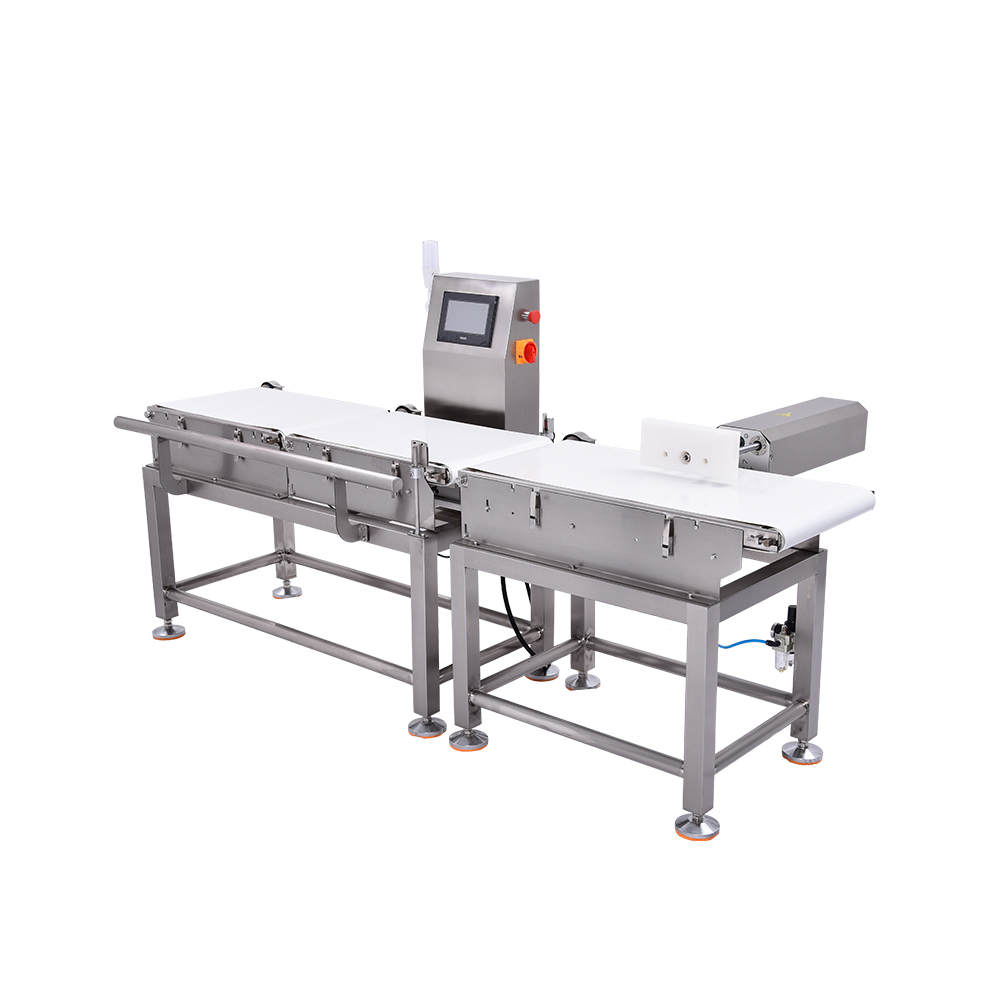
The relationship between infeed spacing and packaging line scale accuracy extends far beyond simple mathematics. Every product traveling toward a weighing system follows a predictable trajectory influenced by conveyor speed, product geometry, and the physical distance it must traverse before reaching the measurement point. When this spacing is optimized correctly, your weight inspection process becomes stable, repeatable, and capable of detecting even small deviations from target weight. Conversely, poor spacing configuration forces the dynamic scale to work harder, compensating for inconsistent product presentation and generating unreliable data that undermines your production efficiency.
How Infeed Spacing Impacts Product Stability
Product Arrival Consistency on the Weighing Platform
Products must arrive at your checkweigher with consistent velocity and orientation to ensure accurate measurements. When infeed spacing is too short, items may collide or arrive in irregular patterns, causing sudden speed variations and unpredictable positioning on the dynamic scale. Excessive spacing, conversely, allows product velocity to fluctuate freely, meaning items may slow down, speed up, or even stop briefly before reaching the measurement point. This inconsistency forces the weight inspection system to struggle with baseline stabilization, making it nearly impossible to capture true product weight. The ideal infeed spacing creates a buffer zone where products naturally organize themselves into a steady, predictable stream before encountering the checkweigher platform.
Velocity Uniformity and Measurement Timing
A packaging line scale relies on precise timing to capture weight data at the exact moment when a product is stationary or moving at a known, controlled velocity. Infeed spacing that allows excessive product acceleration or deceleration disrupts this timing window, introducing measurement noise that appears as false weight variations. When spacing is properly calibrated, products maintain consistent velocity throughout their journey to the dynamic scale, enabling the system to capture weight readings during an optimal measurement window. This consistency is particularly important in high-speed production environments where millisecond timing differences can create significant measurement errors. The correct infeed spacing essentially pre-conditions your products to arrive in the ideal state for accurate weight inspection.
Optimal Spacing Configuration for Maximum Accuracy
Calculating Ideal Infeed Distance
Determining the right infeed spacing depends on several interconnected factors including conveyor belt speed, product size and weight, product material properties, and the specific dynamic scale model in use. As a general principle, infeed spacing should be long enough to allow products to stabilize after leaving the initial feeding mechanism but short enough to maintain consistent velocity throughout transit. For most packaging line scale applications, spacing between two and four feet represents a reliable starting point, though this varies significantly based on product characteristics. Heavier items or irregular shapes typically benefit from longer spacing to allow gravitational and frictional forces to settle the product into a stable orientation. Lighter or uniformly shaped products often function well with minimal spacing since they naturally settle quickly. Testing different spacing configurations with actual production items is essential before committing to a final setup.
Environmental and Operational Adjustments
Production environments introduce variables that affect the ideal infeed spacing for your checkweigher system. Conveyor vibration, ambient temperature fluctuations, humidity, and even the material composition of the conveyor belt itself can influence how products behave during transit to the weight inspection station. A packaging line scale installation that performs perfectly during calm overnight production might struggle during high-speed daytime runs when surrounding machinery creates additional vibration. Seasonal variations in humidity can affect product surface friction with the conveyor, altering how smoothly items travel toward the dynamic scale. Regular monitoring and periodic spacing adjustments ensure your system adapts to changing operational conditions rather than degrading silently over weeks or months.
Practical Solutions for Improving Weighing Accuracy
Infeed Stabilization Techniques
Beyond adjusting raw distance, several proven techniques enhance product stability during infeed transit to your checkweigher. Curved guide rails gently redirect product flow and reduce sudden directional changes that disrupt velocity uniformity. Controlled deceleration zones positioned just before the dynamic scale allow products to settle their final positioning while maintaining predictable arrival conditions. Some packaging line scale operators employ staged conveyor belt systems with graduated speed reduction, easing products toward the measurement point rather than having them arrive abruptly. Air jet stabilization systems can also be integrated downstream of the infeed region, using precisely directed air currents to nudge products into optimal positioning without physical contact that might damage sensitive items.
Measurement Window Optimization
The checkweigher measures weight during a specific window of time after product detection, and infeed spacing fundamentally determines whether your dynamic scale can position this window in the zone where product motion is most stable. Faster conveyor speeds may require slightly longer infeed spacing to allow sufficient stabilization time before measurement begins. Slower production rates sometimes benefit from minimal spacing since products have naturally settled by the time they reach the weight inspection platform. Advanced checkweigher systems offer programmable measurement delay settings that work synergistically with infeed spacing to capture weight data at the most stable moment in each product's journey. Testing different combinations of spacing and measurement delay settings helps identify the configuration that minimizes measurement variation and false rejects on your packaging line scale.
FAQ
What happens if my infeed spacing is too short on a packaging line scale?
When infeed spacing is too short, products may not have sufficient distance to stabilize before reaching your checkweigher. This can result in products arriving at irregular speeds or angles, causing the dynamic scale to capture inconsistent weight readings and increasing both false rejects and false accepts. Short spacing may also cause product collisions or jamming, halting production entirely.
How does infeed spacing affect weight inspection repeatability on a checkweigher?
Proper infeed spacing ensures products arrive at your checkweigher in a consistent, predictable state, allowing the weight inspection system to capture accurate, repeatable measurements. When spacing is optimized, the packaging line scale baseline remains stable, measurement variation decreases, and your quality control becomes more reliable. Poor spacing introduces noise and inconsistency that makes it nearly impossible to achieve repeatable weight inspection performance.
Can I adjust infeed spacing after my checkweigher is installed?
Yes, infeed spacing can typically be modified by repositioning conveyor sections, adding stabilization guides, or adjusting product feed mechanisms. Most packaging line scale installations allow for gradual optimization after initial startup. However, major changes may require coordination with the dynamic scale manufacturer to ensure your checkweigher calibration and measurement settings remain valid after the modification.