 EN
EN


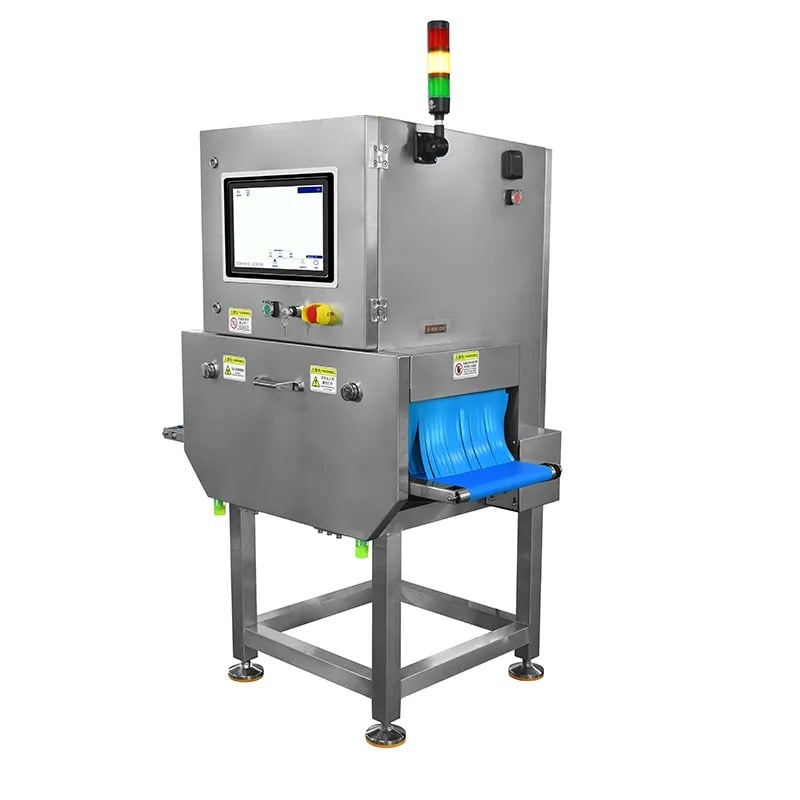
False rejects during high speed runs represent one of the most frustrating operational challenges in modern food processing and pharmaceutical manufacturing. When an x ray inspection machine incorrectly flags acceptable products as defective, production lines slow dramatically, waste accumulates, and profitability suffers. Understanding the technical and operational factors that trigger false rejects is essential for maintaining efficiency while preserving food safety and product quality standards.
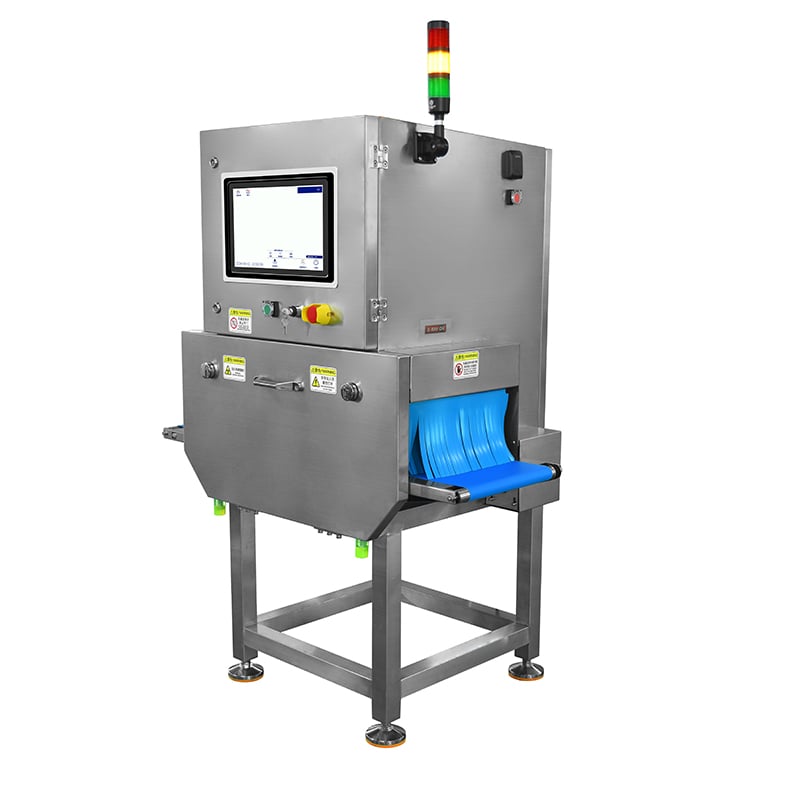
A quality control equipment malfunction during rapid processing cycles often stems from a combination of hardware, software, and environmental factors rather than a single cause. False rejects compromise production schedules, increase operational costs through unnecessary downtime, and can erode customer confidence if excessive material is discarded. This article explores the primary mechanisms behind false rejects on high speed x ray inspection systems, examines how packaging inspection challenges contribute to the problem, and provides actionable strategies to minimize rejection errors and maximize throughput.
Understanding Detection Sensitivity Misalignment
Threshold Calibration Issues
High speed food inspection systems must balance two competing demands: catching genuine defects while avoiding false alarms. When sensitivity thresholds are set too aggressively, the packaging inspection process flags minor image variations as serious problems. During high speed runs, products move through the detection zone rapidly, leaving minimal processing time for signal interpretation. If the x ray inspection machine's threshold parameters are not precisely calibrated for the specific product type, material density, and packaging configuration, false rejects multiply exponentially as throughput increases.
Threshold drift occurs naturally over time due to component aging, temperature fluctuations, and accumulated radiation exposure effects on detector arrays. Many operators fail to recalibrate their quality control equipment between product changeovers or after extended production cycles. During high speed operation, even a 2 to 3 percent shift in detection sensitivity can trigger hundreds of false rejects per hour, particularly with variable product geometry or inconsistent packaging.
Signal Noise and Baseline Instability
The x ray inspection machine's detector system generates a continuous baseline signal that serves as the reference point for defect identification. When this baseline becomes unstable, the food inspection system cannot distinguish between genuine foreign matter and random detector noise. High speed runs intensify this problem because the machine processes more data points per second, amplifying any underlying noise signals.
Environmental factors including electromagnetic interference from nearby equipment, power supply voltage fluctuations, and thermal drift in detector elements all destabilize the baseline. Packaging inspection accuracy depends critically on a clean, stable reference signal. Contaminated or degraded shielding inside the x ray inspection machine cabinet, worn connector contacts, or loose internal wiring can introduce intermittent noise that manifests as false rejects during peak speed operation.
Product and Packaging Variability Effects
Inconsistent Product Density and Composition
Food products rarely present uniform density across every unit. Variations in moisture content, fat distribution, texture, and ingredient settling all alter how x rays penetrate the product. A quality control equipment system calibrated for average product density will reject items at density extremes as potential contaminants. During high speed runs, the statistical probability of encountering outlier products increases, generating clusters of false rejects.
Batch-to-batch consistency problems compound this issue. If raw material suppliers change, ingredients shift between seasons, or processing conditions vary, the product profile seen by the x ray inspection machine diverges from the calibration baseline. Packaging inspection becomes progressively less accurate as the product properties drift further from the training set. High speed operation magnifies these small detection errors into significant rejection rates.
Packaging Material and Seal Variations
Modern packaging uses diverse materials including multilayer films, metallized layers, and moisture barriers that affect x ray attenuation unpredictably. Inconsistent package filling, wrinkles in packaging material, air pockets, and irregular seal quality all create image artifacts. The food inspection system must distinguish between these normal packaging variations and genuine foreign objects. When packaging inconsistency exceeds the detection algorithm's tolerance window, false rejects occur.
During high speed runs, mechanical stress on packaging increases, creating temporary seal imperfections and minor film distortions. Likewise, temperature and humidity changes in the production environment can alter packaging material properties, affecting x ray transmission. The quality control equipment that performed perfectly at standard operating conditions may struggle when environmental parameters shift, particularly at elevated line speeds.
System Configuration and Algorithm Limitations
Detection Algorithm Constraints
The image processing algorithms embedded in the x ray inspection machine balance complexity against processing speed. At lower speeds, the system can apply sophisticated multi-stage analysis routines that reduce false positives. However, high speed operation forces algorithmic simplification to maintain real-time performance. Simplified algorithms often apply overly broad pattern matching that flags legitimate product features as defects.
Many food inspection systems use edge detection, density threshold analysis, and statistical comparison methods that lack the contextual intelligence to distinguish defects from natural product variation. When packaging inspection speed requirements exceed algorithmic capability, the system errs on the side of caution, rejecting products to avoid missing genuine contaminants. This conservative approach protects food safety but generates frustrating false reject rates.
Image Resolution and Processing Lag
As the x ray inspection machine operates at increasing speeds, the time available for image capture, transmission, processing, and decision-making shrinks dramatically. If image resolution is insufficient for high speed analysis, subtle defects may blur or merge into ambiguous patterns. Conversely, excessively high resolution creates massive data volumes that slow processing, forcing the system to either drop frames or make decisions on incomplete information.
Processing lag between image capture and rejection action causes misalignment when the quality control equipment incorrectly identifies which product item corresponds to which x ray image. At high speeds, a 50 millisecond processing delay can cause the machine to reject the wrong package. This temporal mismatch creates false rejects of perfectly acceptable products while defective items pass through undetected. Synchronization between the imaging system and the mechanical rejection mechanism must be verified and maintained regularly.
FAQ
What is the most common cause of false rejects on high speed x ray inspection machines?
Improper sensitivity threshold calibration ranks as the leading cause of false rejects. When the food inspection system's detection thresholds are too aggressive relative to normal product variation, the x ray inspection machine flags acceptable items as defective. This problem intensifies during high speed operation because processing time per item decreases, leaving less opportunity for algorithmic discrimination. Regular recalibration between product types and periodic threshold verification substantially reduce false reject rates.
How does packaging material affect false reject rates on quality control equipment?
Packaging material composition, thickness, and consistency directly influence how x rays transmit through the package to reach the product. The packaging inspection process must account for these transmission characteristics during baseline calibration. When packaging material suppliers change, film thickness varies, or seal quality fluctuates, the detected image patterns shift unexpectedly. The x ray inspection machine may interpret these packaging-related changes as product defects, generating false rejects. Validating packaging specifications with updated calibration profiles after any material change is essential.
Can environmental factors cause false rejects during high speed runs?
Yes, environmental conditions significantly impact false reject performance. Temperature fluctuations alter detector sensitivity, electromagnetic interference introduces signal noise, and humidity changes affect packaging material properties. During high speed operation, the food inspection system processes enormous data volumes, and any background noise becomes statistically significant. Maintaining stable environmental conditions around the x ray inspection machine, implementing proper electrical shielding, and using quality control equipment with temperature compensation mechanisms all reduce environmentally induced false rejects during peak speed production cycles.